On October 8, NOAA put the chance of a very strong El Niño this December through February at 81%, and at least a strong one at 97%. That is about as confident as seasonal forecasts get.
Here is what that could mean on the Bay Area Peninsula between October and April.
| NOAA station | Normal winter (inches) | Projected, if this winter acts like the three biggest El Niños on record (inches) |
|---|---|---|
| San Francisco | 21.8 | 34.1 |
| San Francisco Airport | 18.9 | 30.2 |
| Redwood City | 18.3 | 32.1 |
| Half Moon Bay | 24.1 | 39.5 |
Sources (4)
Sources: NOAA NCEI normals, four Peninsula stations; NOAA records; NOAA Climate Prediction Center strength odds and seasonal outlook, October 2026.
In plain terms, plan for up to three quarters more rain than usual, with the heaviest stretch from January through March. NOAA’s own outlook from October 15 agrees. From SFO south, it gives a 50 to 60% chance of a wetter than normal December through April. San Francisco gets the same odds from January on, and 40 to 50% for December through February.
We should be honest about what a forecast can and cannot tell you. El Niño changes the odds. It does not guarantee the weather. The 1998 El Niño flooded neighborhoods along San Francisquito Creek. The 2016 El Niño, one of the strongest ever measured, gave us a fairly ordinary winter.
So our advice holds either way. This is the year to finish the exterior work you have been putting off. If the storms come, your home is ready. If they don’t, the work still needed doing.
Where these numbers come from
These rain figures are our own estimate built from NOAA’s historical records. They are not an official forecast, since NOAA does not publish rain totals for individual cities. Each station’s estimate takes its own rain in the three biggest El Niños on record (1983, 1998 and 2016), as a share of its normal winter, and applies the average to that normal. The median of the four is 33.1 inches, against a median normal of 20.4. Counting every El Niño winter since 1957, weighted by NOAA’s current odds, gives a wider range. At Redwood City it runs from 14.5 to 35.2 inches.
San Jose and Los Gatos are not in the chart. The NOAA station in Los Gatos closed in 2019. San Jose’s airport station has NOAA records from 1998, and the older downtown station closed in 2008, so neither covers all three winters. We left them out rather than stitch two stations together.
You will see Redwood City data in some articles in this series. It sits in the middle of the Peninsula and has a complete record for every El Niño winter since 1957.
Why older Peninsula homes feel it most
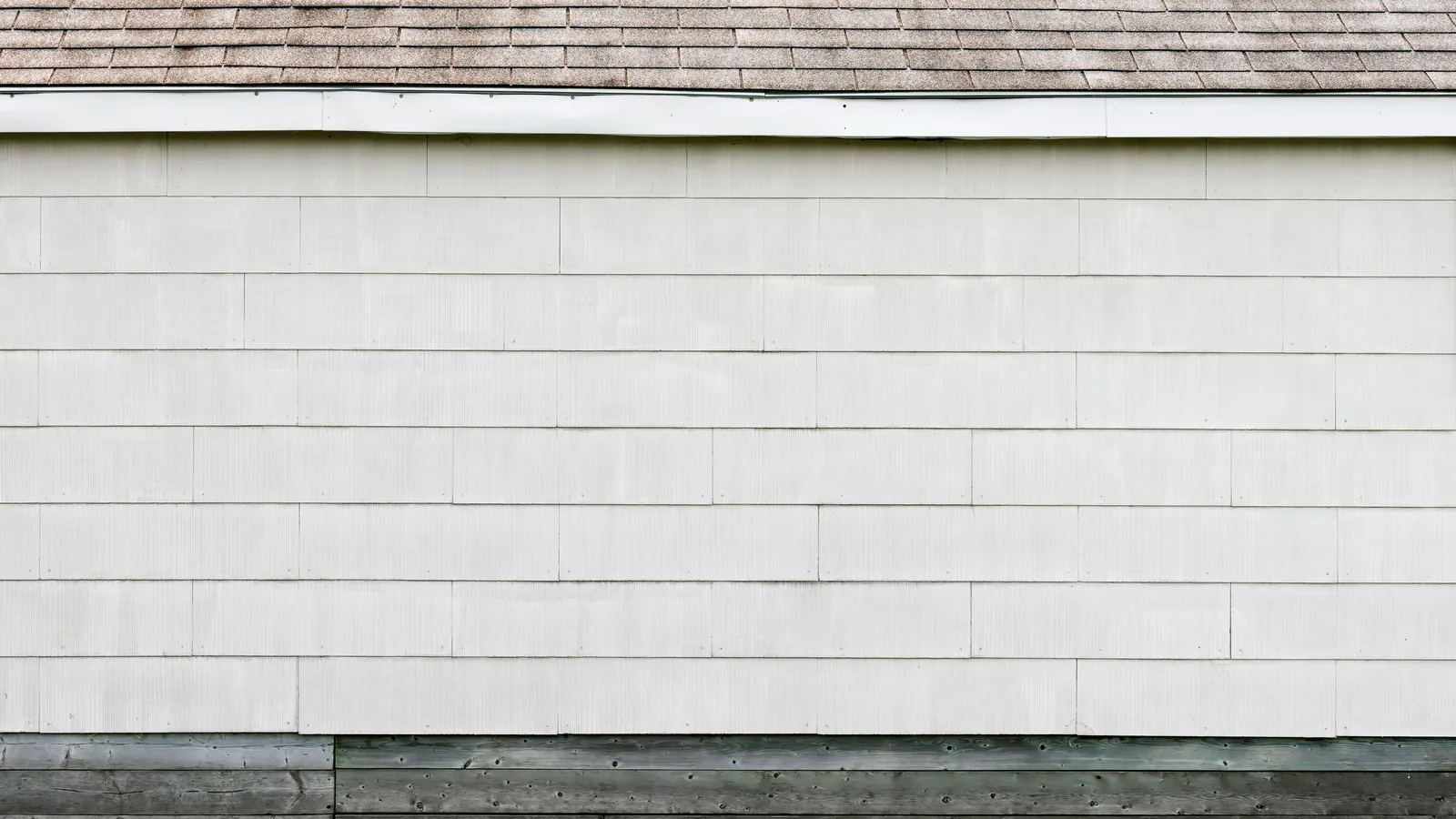
Rain on its own rarely hurts a well kept house. The trouble starts when water gets behind something: a cracked caulk joint, a lifted board, or flashing that was never installed right. Wind pushes rain into those gaps, and long wet stretches give it time to soak in.
Many homes here have original wood siding, decades of paint on the trim, and decks built a generation ago. Eichlers and other midcentury homes add low slope roofs and exposed beams. They are wonderful houses, and they need their paint and details kept up to stay dry.
Five things to handle before the first big storm
We’ve listed these in the order we’d usually tackle them.
- Seal the outside of the house. Recaulk open joints, prime bare wood, and repaint where the paint has failed. Part 2
- Find and fix wood rot. Soft sills, trim and siding are where winter damage begins. Part 3
- Check where water gets in. That means flashing, gutters and downspouts. Part 4
- Make decks, railings and stairs safe. Wet and wobbly is a bad mix. Part 5
- Photograph your home’s condition. A dated record is worth having if anything happens. Part 6
Parts 7 to 10 follow the water further: sump pumps, hidden leaks, roof cracks and moss and gutter guards.
Start with a one hour walk around
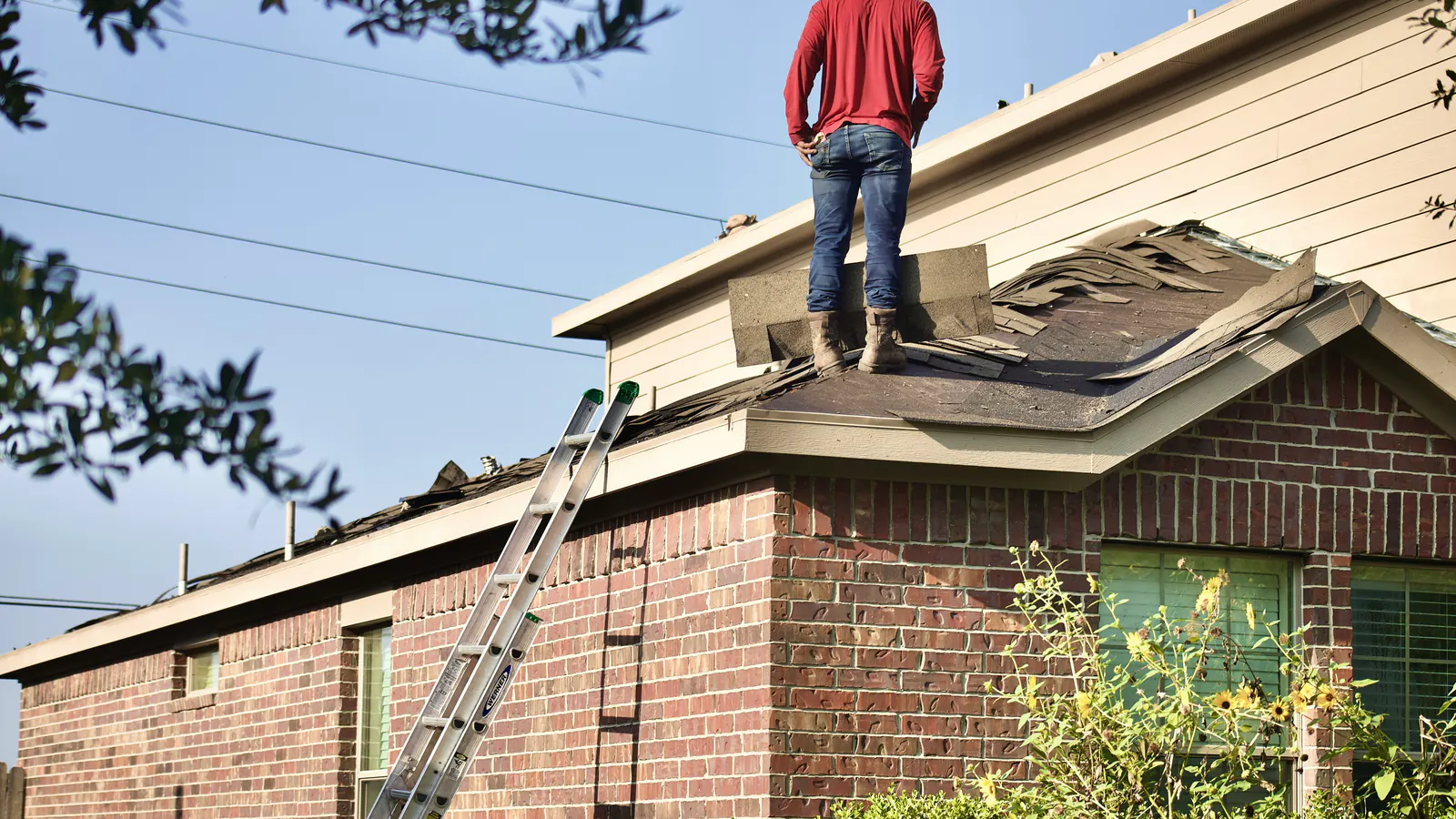
Before you call anyone, grab a flashlight and a screwdriver and walk around your house. Take your time, and look up as often as you look down.
- Paint and caulk. Look for peeling, chalky or cracked paint, especially on the south and west sides. Check for gaps where trim meets siding and around windows.
- Wood. Press the screwdriver into window sills, the bottoms of door frames and the lowest siding boards. If it sinks in easily, you’ve found rot.
- Roof edges. Watch for stained siding under the roofline, gutters that sag, and downspouts that empty right next to the house.
- Decks and stairs. Look for loose railings, soft boards and rusty hardware.
- The ground. Soil and mulch should sit below the bottom of the siding, and the ground should fall away from the house. The California Residential Code asks new work for 6 inches of fall in the first 10 feet. A flat bed or a low spot against the wall holds water at the foundation all winter.
- Inside. Check ceilings and the tops of window frames for old water stains. They show you where the house has leaked before.
Snap photos as you go. Your notes become your to do list, and your photos become the start of your home’s record.
What the walk around tells you
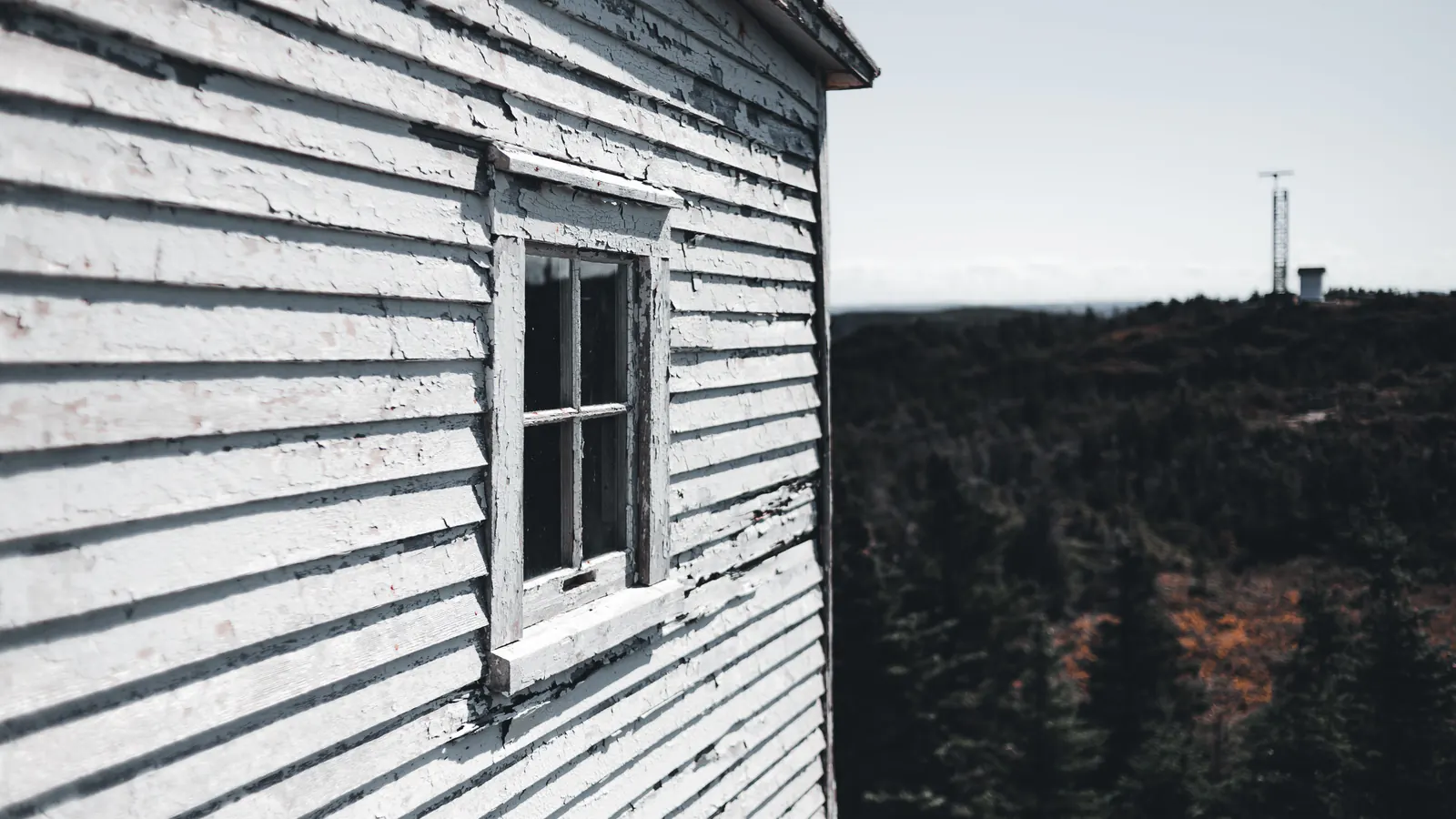
Sort what you found by who should fix it before you call anyone.
- Pulling soil back from the siding, turning sprinklers off the walls, adding downspout extensions, clearing yard drains and running a bucket of water through the sump pump are yours. None of it needs a ladder.
- Failed caulk and paint, wood the screwdriver went into, loose railings, soft deck boards and stained siding under a roof edge are carpentry and paint. That’s our crew’s work.
- Our crew repairs the roof and its flashing. A re-roof or anything structural goes to a licensed roofer. Sump pumps and drain lines go to a licensed plumber, and outlets and wiring to a licensed electrician. Water that pools against the foundation after the downspouts are extended needs a drainage design from a civil engineer or a drainage contractor. A sagging beam, a ledger pulling away from the house or a cracked footing goes to a licensed professional for that work. Droppings, chewed wood or mud tubes go to a licensed pest control company.
Why does waiting cost more? Water damages a house in a set order. First a caulk joint opens or the paint film cracks. Then the bare wood behind it takes on water every time it rains and stops drying out between storms. Then the decay starts, and a sill that needed a tube of sealant needs cutting out and replacing. Last, the water reaches the wall behind the siding and the drywall inside, and a carpentry repair turns into a wall opened up to dry. Each step costs more than the one before it. A long wet winter moves a house through them faster.
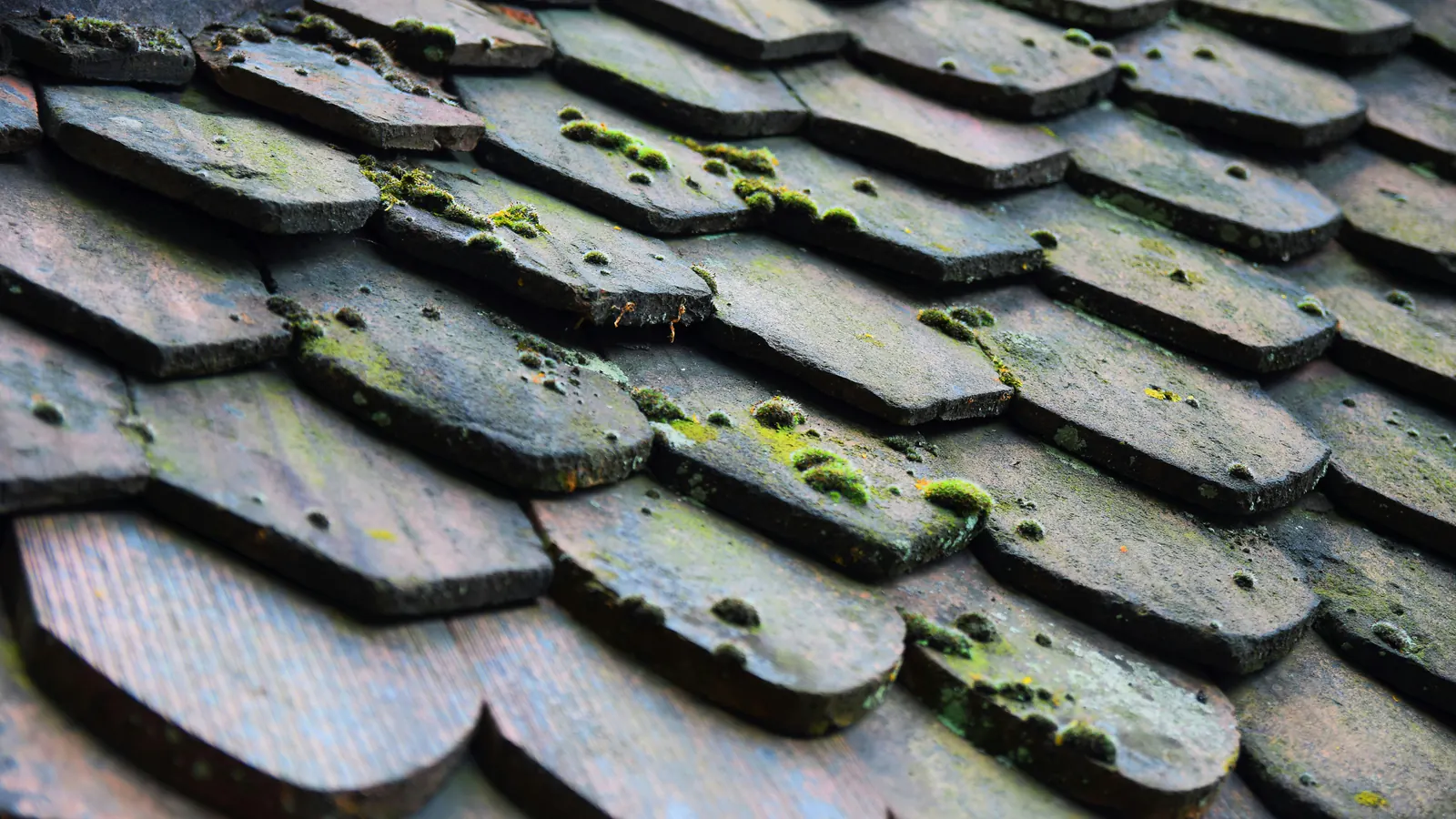
What we do, and who we bring in
Our own crews handle the outside of your home: exterior painting, sealing, surface restoration and carpentry, including rot, siding, trim and decks. We also offer maintenance programs and keep dated records of the work.
For a re-roof and for plumbing, including sump pumps, we bring in licensed partners we work with regularly and manage the schedule ourselves, so you deal with one company. A few questions need an outside specialist, such as an engineer for grading and retaining walls or a certified arborist for a leaning oak. If you’re not sure who you need, ask us during the walk around and we’ll point you the right way.
Timing matters
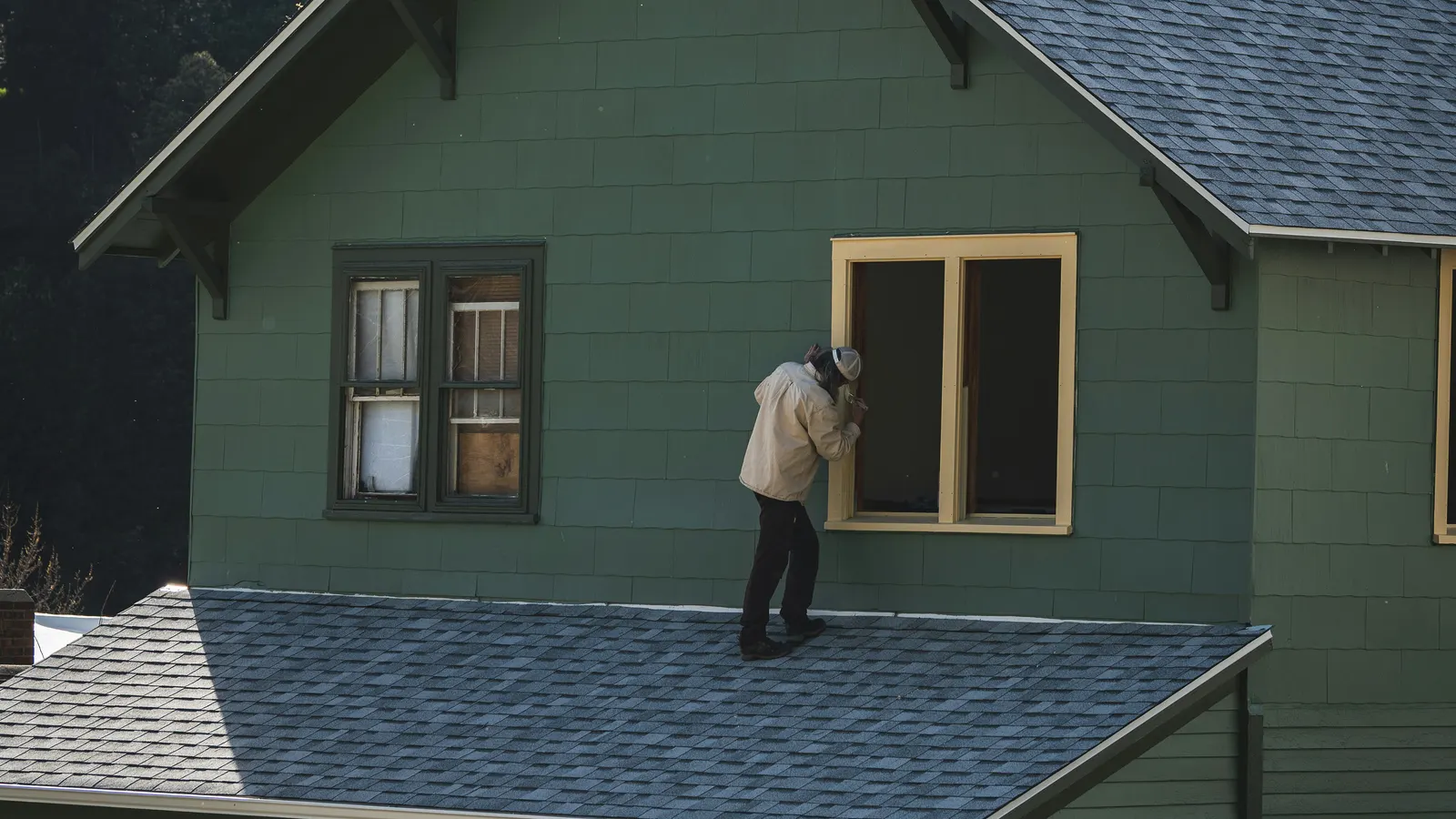
Paint and caulk need dry surfaces and mild weather to cure. On the Peninsula, October and early November are usually the last reliable stretch. After that, exterior work becomes a day by day call, and contractor calendars fill quickly in a year like this one.
Can you paint during the rainy season?
Often, yes. We work between storms once surfaces have dried out, and we check moisture and the forecast before we start. We would rather move a day than paint over wet wood.
Should I wait and see how bad the winter gets?
We wouldn’t. Repairs after water gets in almost always cost more and take longer. Everything on this list is regular upkeep that pays off in any winter.
Where can I follow the forecast?
NOAA updates its El Niño outlook every month. You can read the latest here.
If you’d like a second opinion on your list, request an estimate or call us at (650) 961-7415. We’ll tell you honestly what can wait and what shouldn’t.
Sources (5)
- NOAA NCEI normals, four Peninsula stations ncei.noaa.gov (https://www.ncei.noaa.gov/access/services/data/v1?dataset=normals-monthly-1991-2020&stations=USW00023272,USW00023234,USC00047339,USC00043714&dataTypes=MLY-PRCP-NORMAL&format=json) Back
- NOAA records weather.gov (https://www.weather.gov/wrh/climate?wfo=mtr) Back
- strength odds cpc.ncep.noaa.gov (https://www.cpc.ncep.noaa.gov/products/analysis_monitoring/enso/roni/strengths/) Back
- seasonal outlook cpc.ncep.noaa.gov (https://www.cpc.ncep.noaa.gov/products/predictions/long_range/fxus05.html) Back
- read the latest here cpc.ncep.noaa.gov (https://www.cpc.ncep.noaa.gov/products/analysis_monitoring/enso_advisory/ensodisc.shtml) Back