Settings
Focus mode
Focus keeps the section you are reading bright and greys out the rest of the page. Super focus adds a second, brighter spot on the part of the section you are reading. In either, ↓ and ↑ move to the next or previous section (or part, in Super focus).
How grey and dim Focus makes the sections outside the bright one. Moving it turns Focus on.
Color vision
For red-green color blindness: deutan (green-weak) is the most common kind, protan (red-weak) the next. Charts, highlights and warnings move to blues, oranges and purples that stay apart, with a cue beyond color. Photos never change. Applies to the blog and the service pages.
Your choices are saved in this browser, on this device.
Repairs
Basements and Crawlspaces
Under the house is where water collects and nobody looks. We dry out, seal, repair and finish basements and crawlspaces. Drainage and grading go to a civil engineer we help you find.
01The Work
Find where the water comes from, then fix the rest.
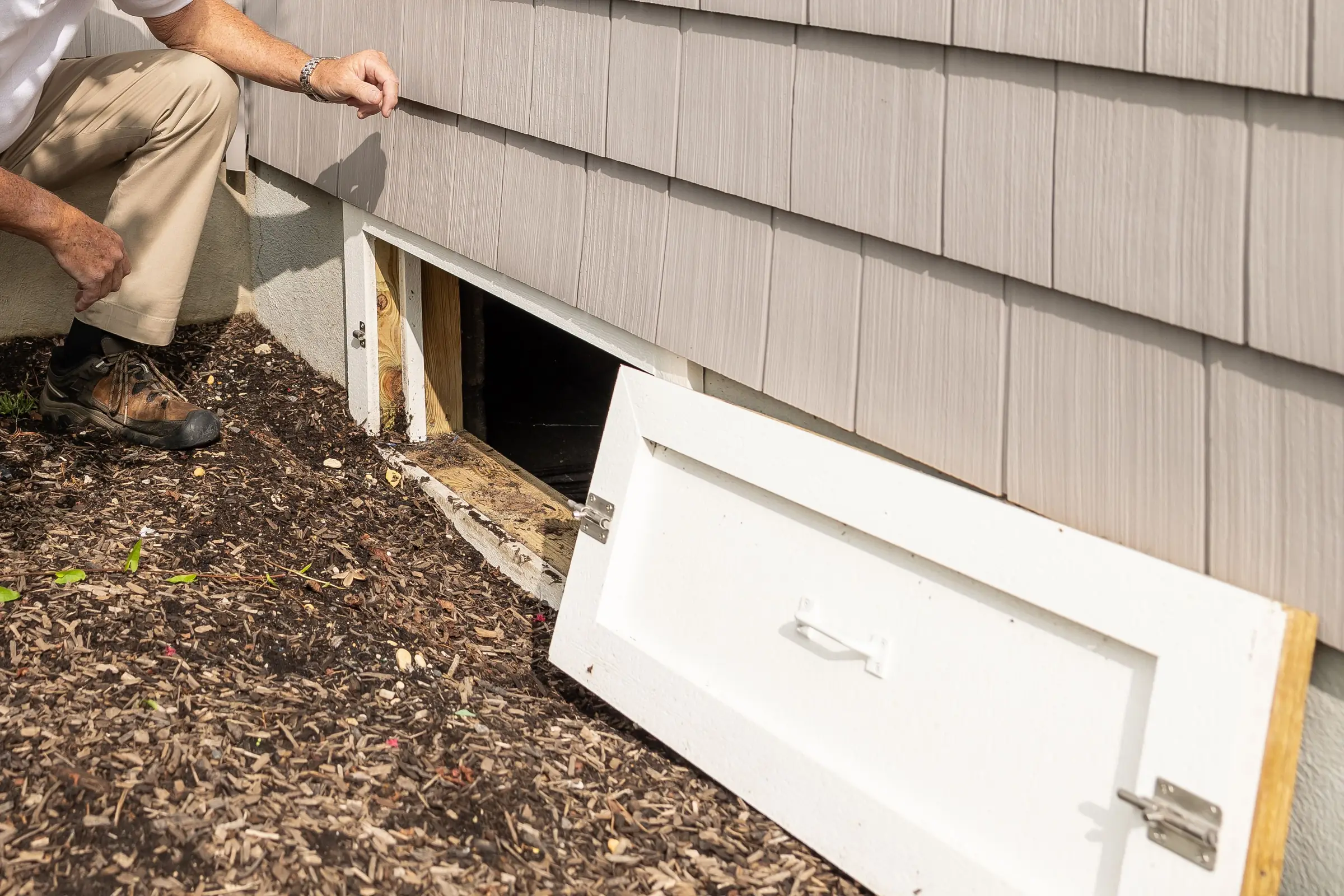
It happens after a wet winter. The floors smell musty, a door upstairs starts to stick, and somebody finally opens the crawlspace hatch. Why down there? The ground slopes toward the house, the downspouts empty at the wall, and a crawlspace with a torn vapor barrier and blocked vents has no way to dry out.
The repairs inside the crawlspace hold up when the water outside is dealt with first. That part is drainage, and drainage is a civil engineer’s job.
-
Finding the source
We trace where the water comes from. A leaking pipe goes to a licensed plumber. Water coming through the ground or off the slope goes to a civil engineer.
-
Vapor barrier
Torn or missing plastic over a dirt crawlspace floor replaced, lapped at the seams and run up the walls.
-
Vents and access
Crawlspace vents cleared and rescreened, and access doors and hatches repaired so they close.
-
Sealing
Gaps at pipes, wires and the rim of the floor sealed against damp air and animals.
-
Repairs
Rotted trim, stair parts and blocking that isn’t load-bearing replaced with treated or rot-resistant wood.
-
Finishing
A dry basement finished as a room: non-load-bearing walls, drywall, trim, doors and paint, with licensed partners for the wiring and plumbing.
Who does what
Drainage and grading, anything that moves water away from the house, is designed by a civil engineer. We help you find one and work to their plan.
Cracks in the foundation, posts, beams, joists and sill plates go to a structural engineer and an appropriately licensed contractor. Plumbing, sump pumps and electrical go to licensed trade partners we bring in. We manage the whole job and coordinate those licensed trade partners, so you have one point of contact.
02Done Cheaply
Why the quick fix comes back
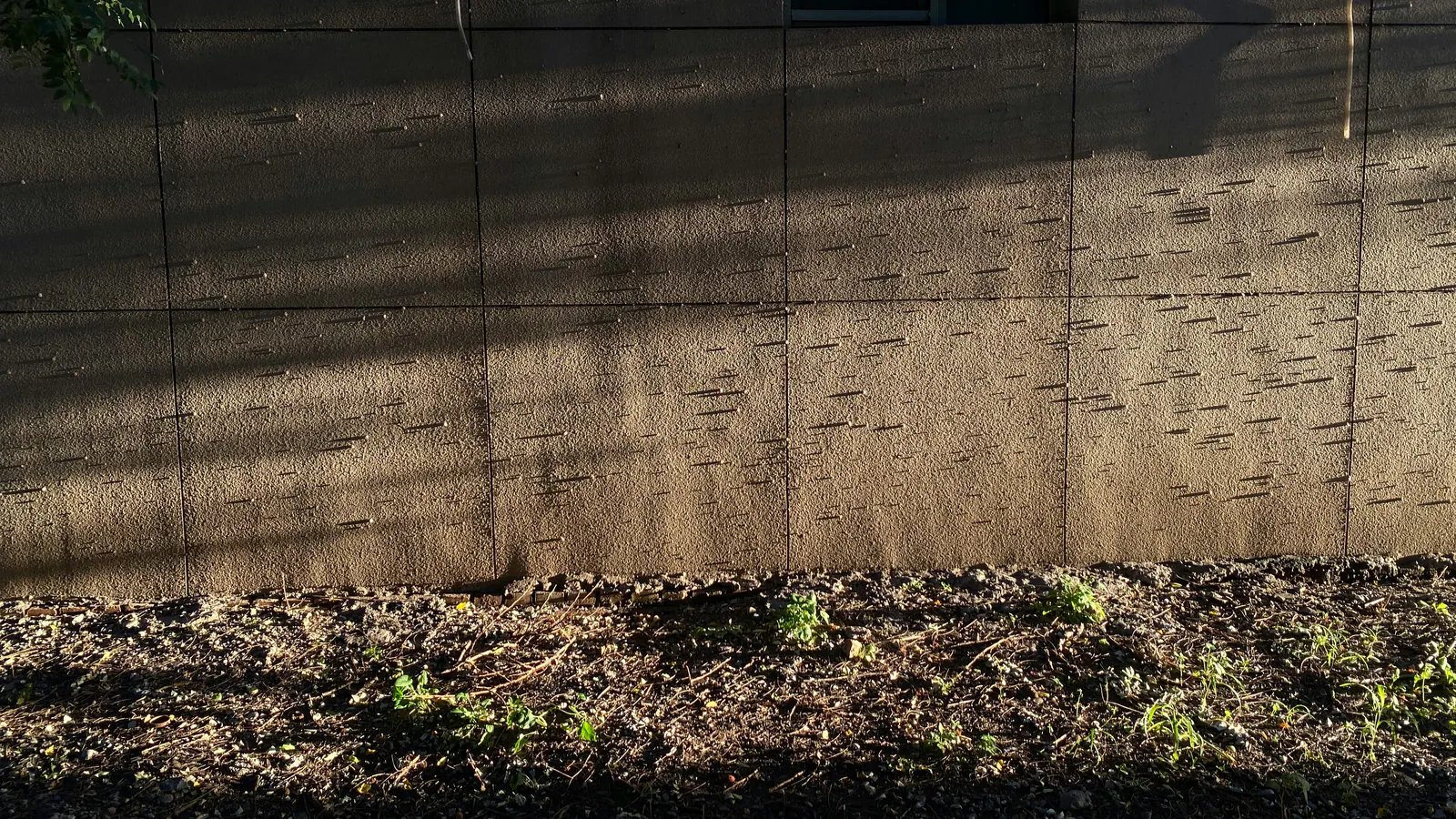
The quick fix is a coat of sealer paint on the inside of a damp wall. It hides the stain for a season. The water is still coming from outside, and it finds the next weak spot.
The second is finishing a basement before it’s dry. Drywall over a damp wall is the start of the next repair.
And third, a new vapor barrier laid over standing water. The plastic is new. The crawlspace under it is as wet as it was.
03How We Work
How the crew goes about it
-
Look first
We go into the crawlspace or basement with a light and look at the floor, walls, framing, vents and pipes.
-
Deal with the water
Leaks go to a licensed plumber and drainage to a civil engineer. Their work comes before ours.
-
Seal and repair
Vapor barrier, vents, access doors and non-structural repairs, once the space can stay dry.
-
Finish
Where you want a room, the walls, trim, doors and paint go in last, over a dry space.
Start with a look under the house.
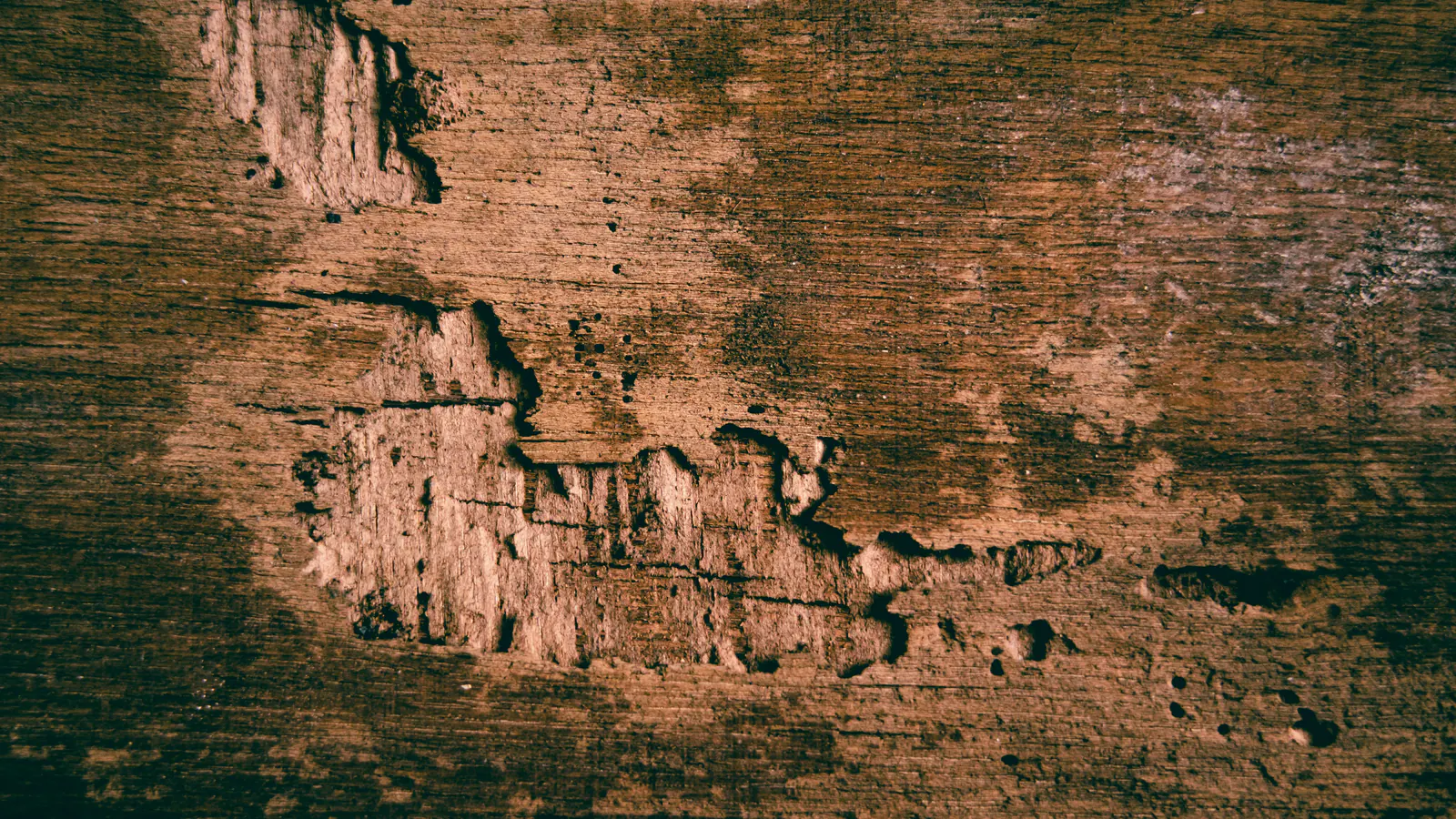
We’ll open the hatch, tell you what we find and who should fix each part of it. We work across the Bay Area Peninsula.