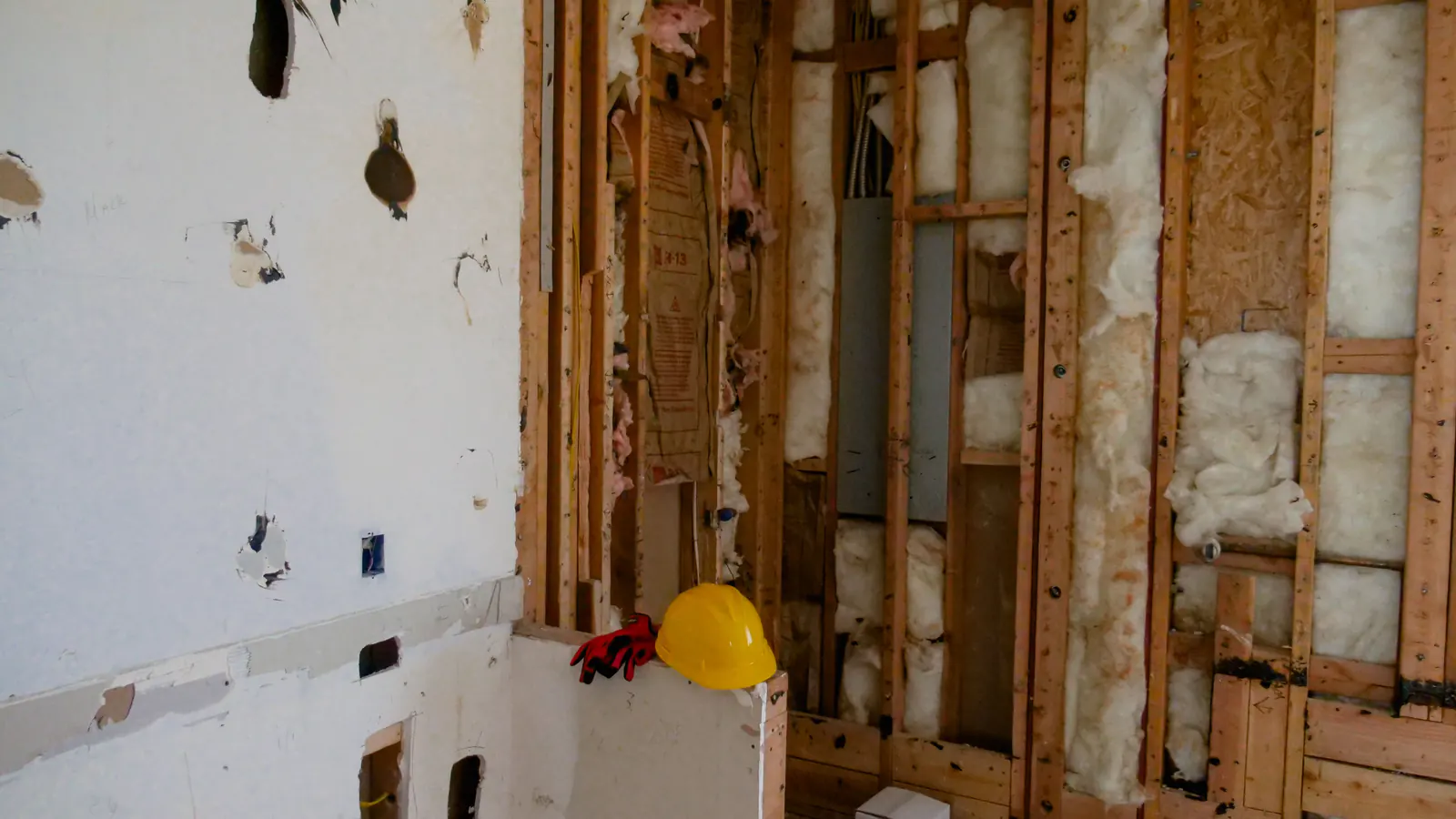
The average homeowner insurance claim for water damage was about $15,400 between 2019 and 2023, according to the Insurance Information Institute. Nearly all of that damage started small.
Here’s the short version. Most of the damage we open up began as a small gap, not a dramatic event. Find leaks in the fall, dry out anything wet within a day or two, and fix where the water gets in before you repaint.
Why leaks show up in wet winters
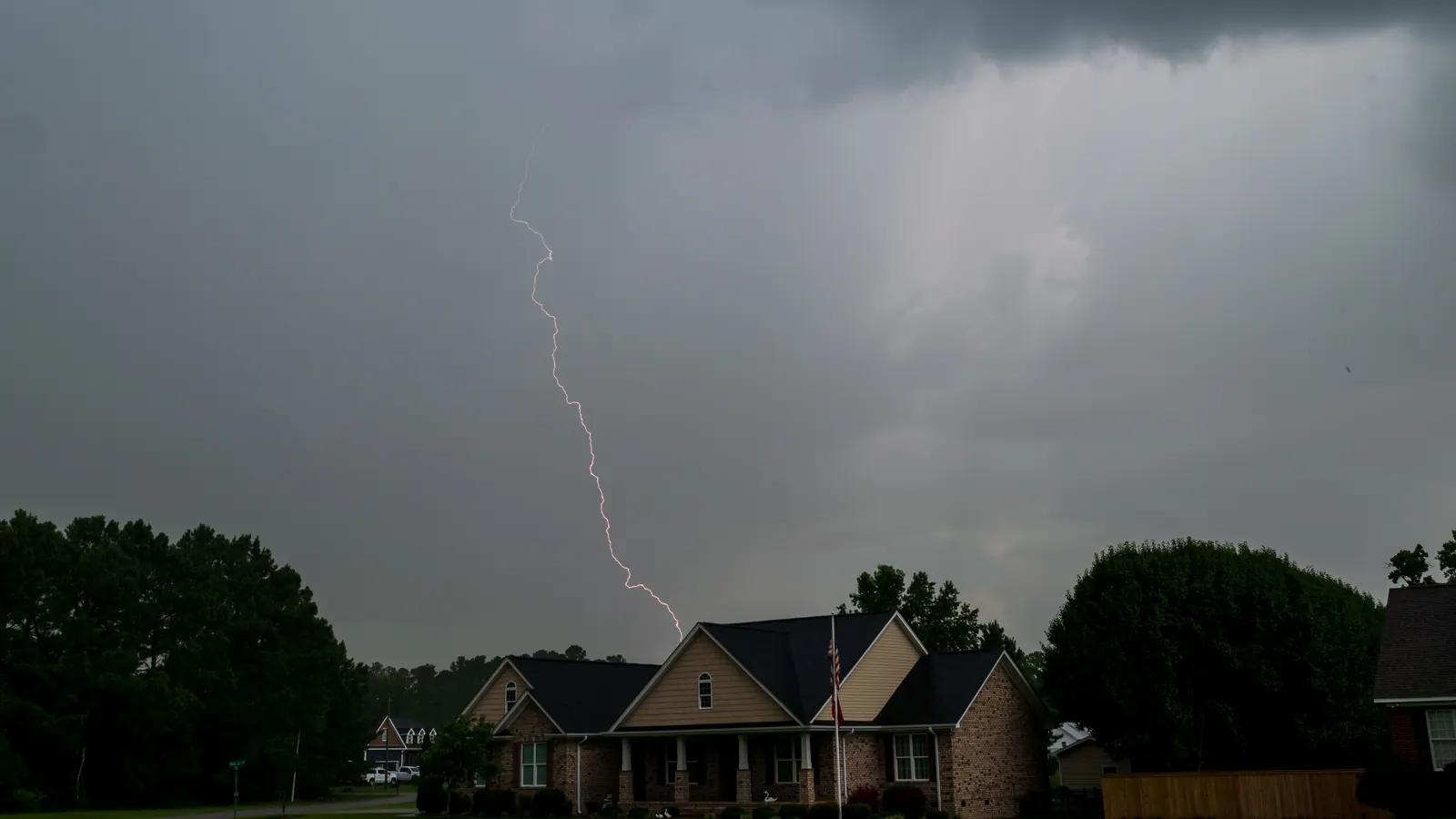
Leaks tend to appear during long wet stretches, when rain runs down the same wall for days. A small gap above a window that stays quiet all fall can soak the framing by February.
We saw exactly this in the 2023 winter, when Redwood City got more than double its normal rain in three separate months. The numbers are at the end of this article.
How a small leak grows
Water that gets behind your siding doesn’t drain or dry out the way it does outside. It wicks into the wood at the base of the wall and sits against the back of your drywall, even between storms.
Every wet day adds a little more. Humid air alone won’t soak wood to the point of rot. Rain hitting the same gap over and over will. By the time you see a stain inside, the wet area behind it is usually bigger than the stain.
Warning signs to look for now
Walk through your home on a dry afternoon and look for:
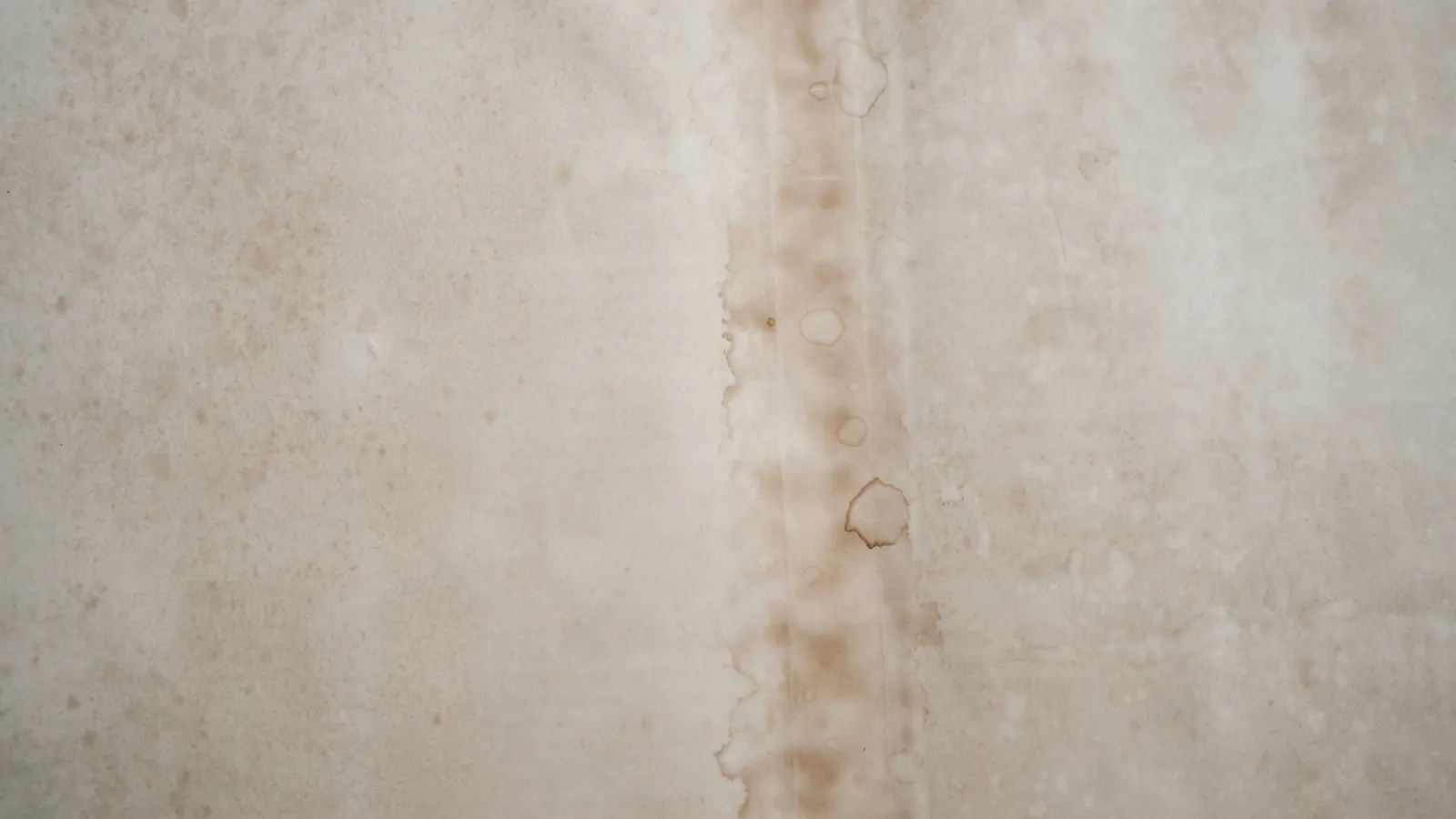
- Brown or yellow stains on walls or ceilings, especially near windows, corners and the base of outside walls
- Drywall seams that are lifting, cracking or bubbling
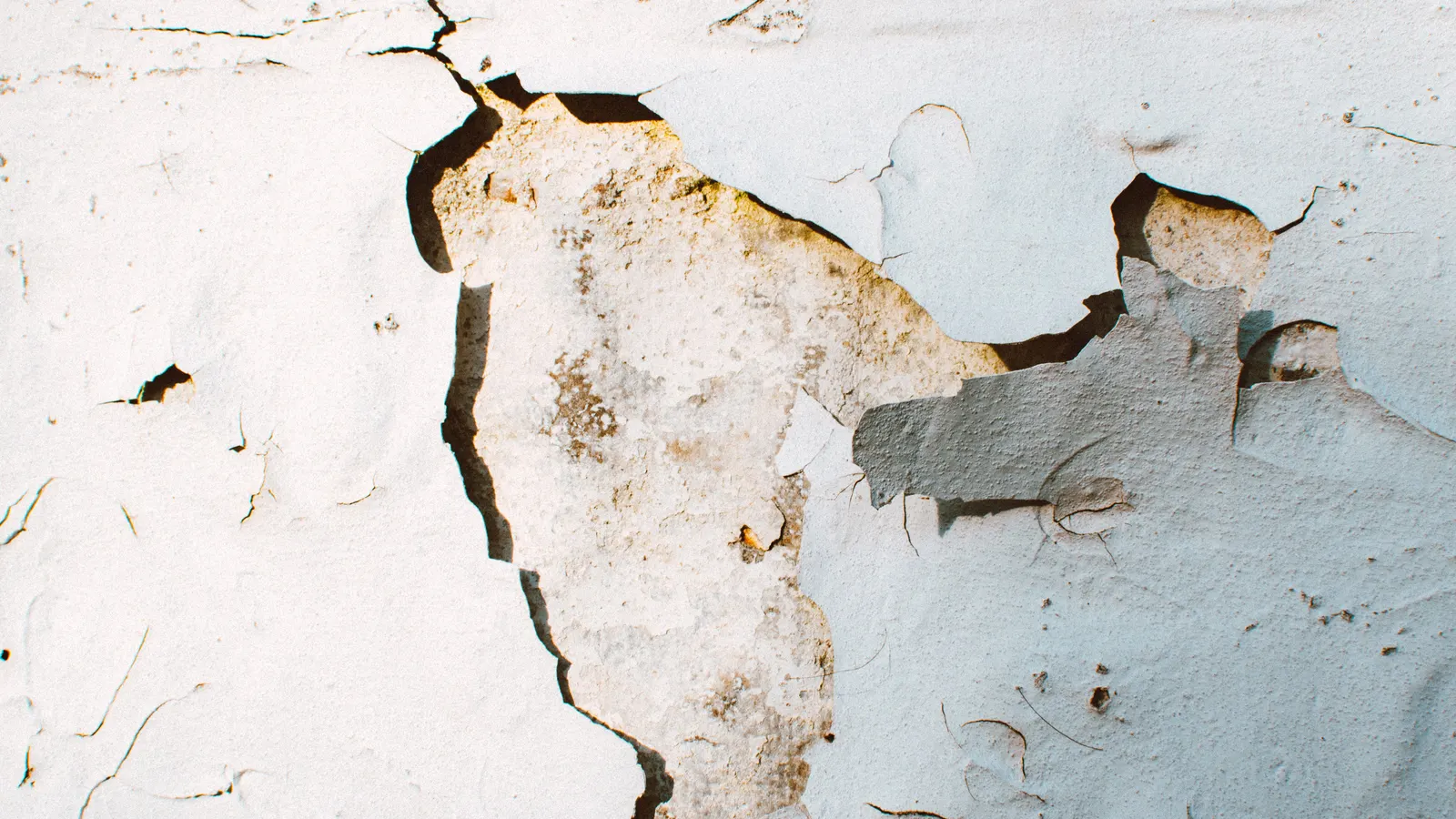
- Paint blistering on the inside of an outside wall
- Baseboards or trim that look swollen, dark or soft
- A musty smell in a closet, bathroom or room that’s usually closed
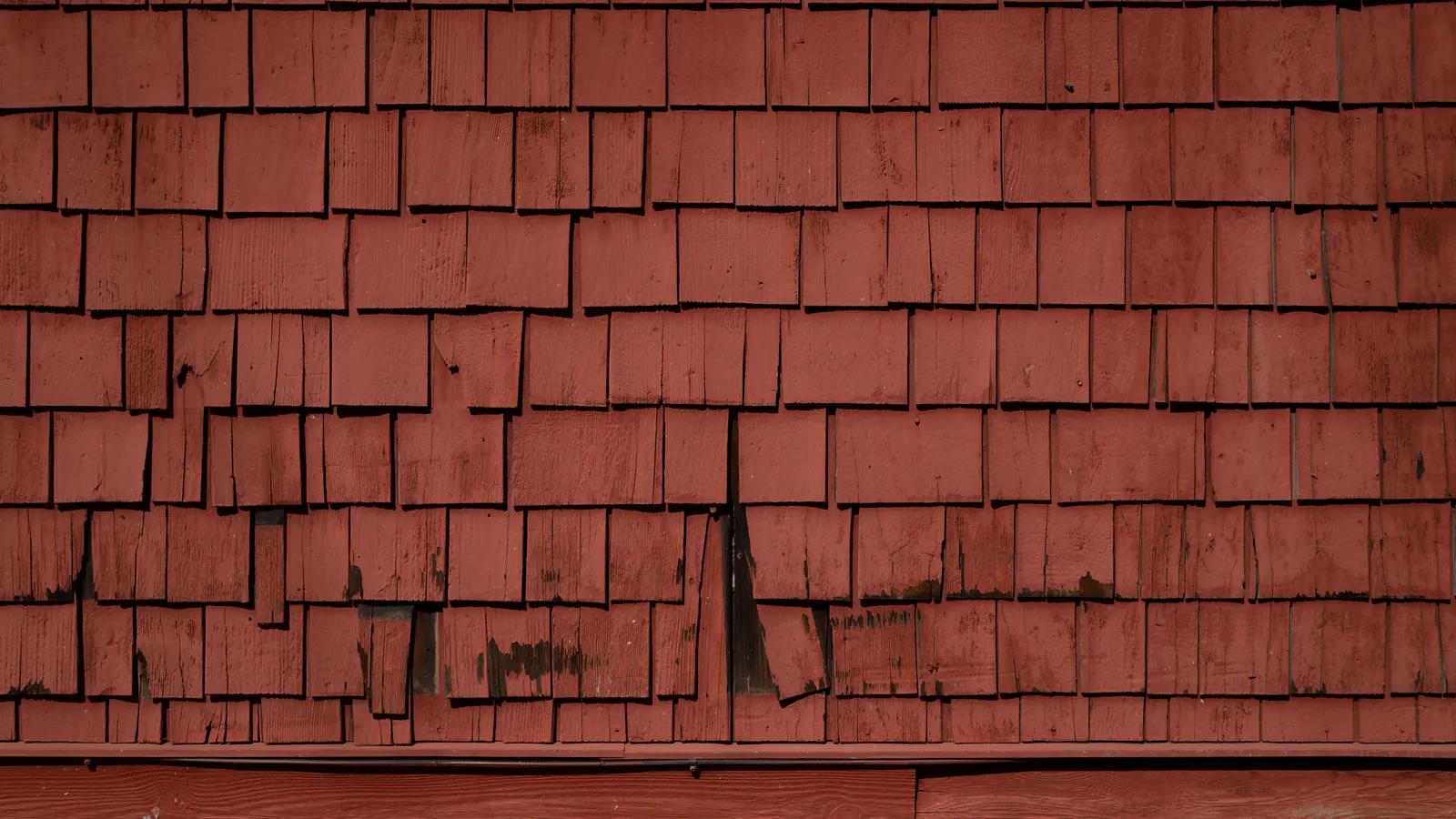
- Outside, soil or mulch piled against the siding, cracked caulk, and gutters dumping water against the house
Siding that sits in soil or wet mulch can stay damp for weeks. Pull the soil back so it sits below the siding. Parts 2 and 4 cover the rest of the outside checklist.
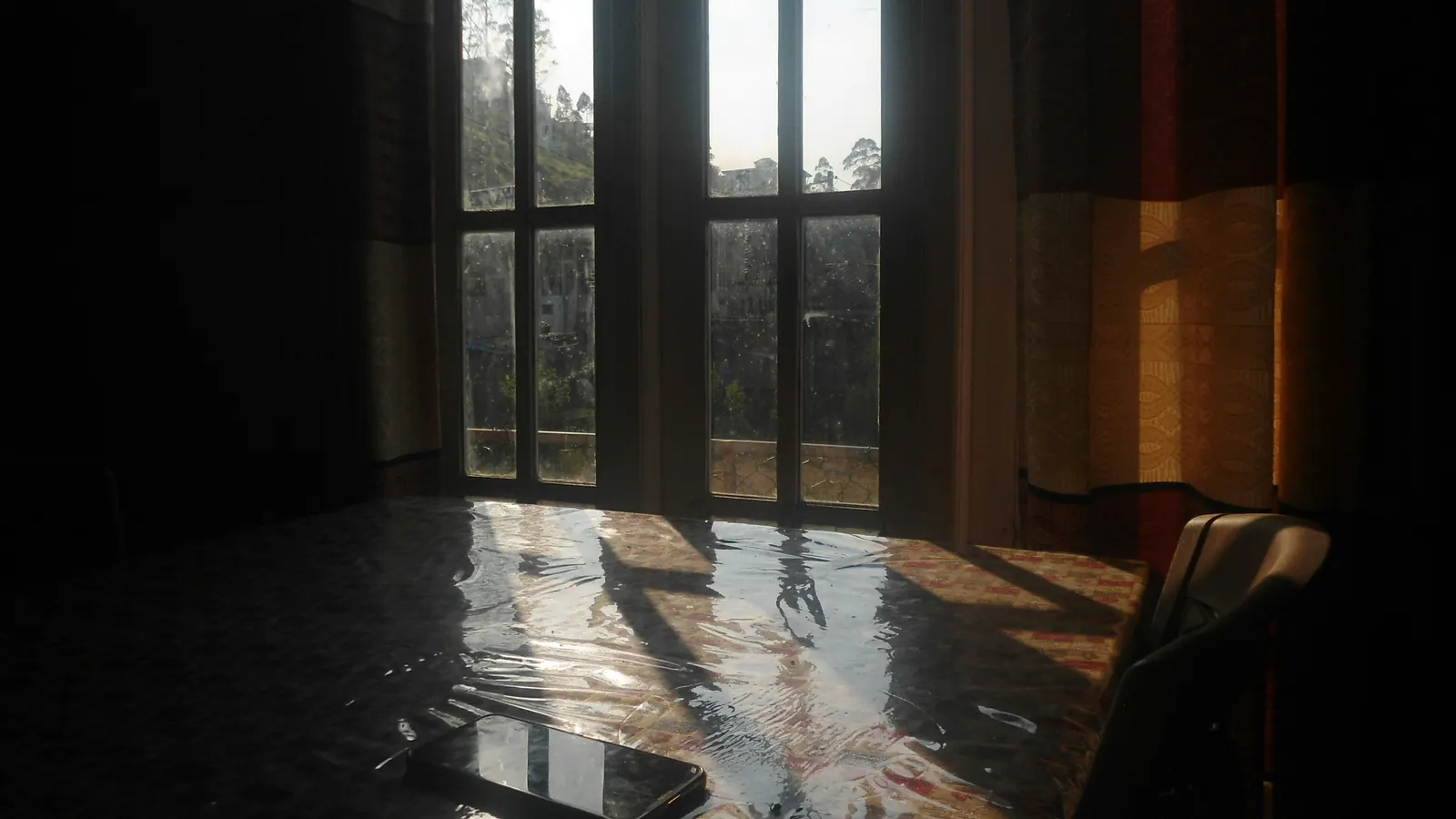
How we find a leak instead of covering it up
Painting over a stain makes a wall look fine for a while. If water is still getting in, the stain comes back. So we follow the water first.
- We start outside. Water often enters somewhere different from where it shows up inside.
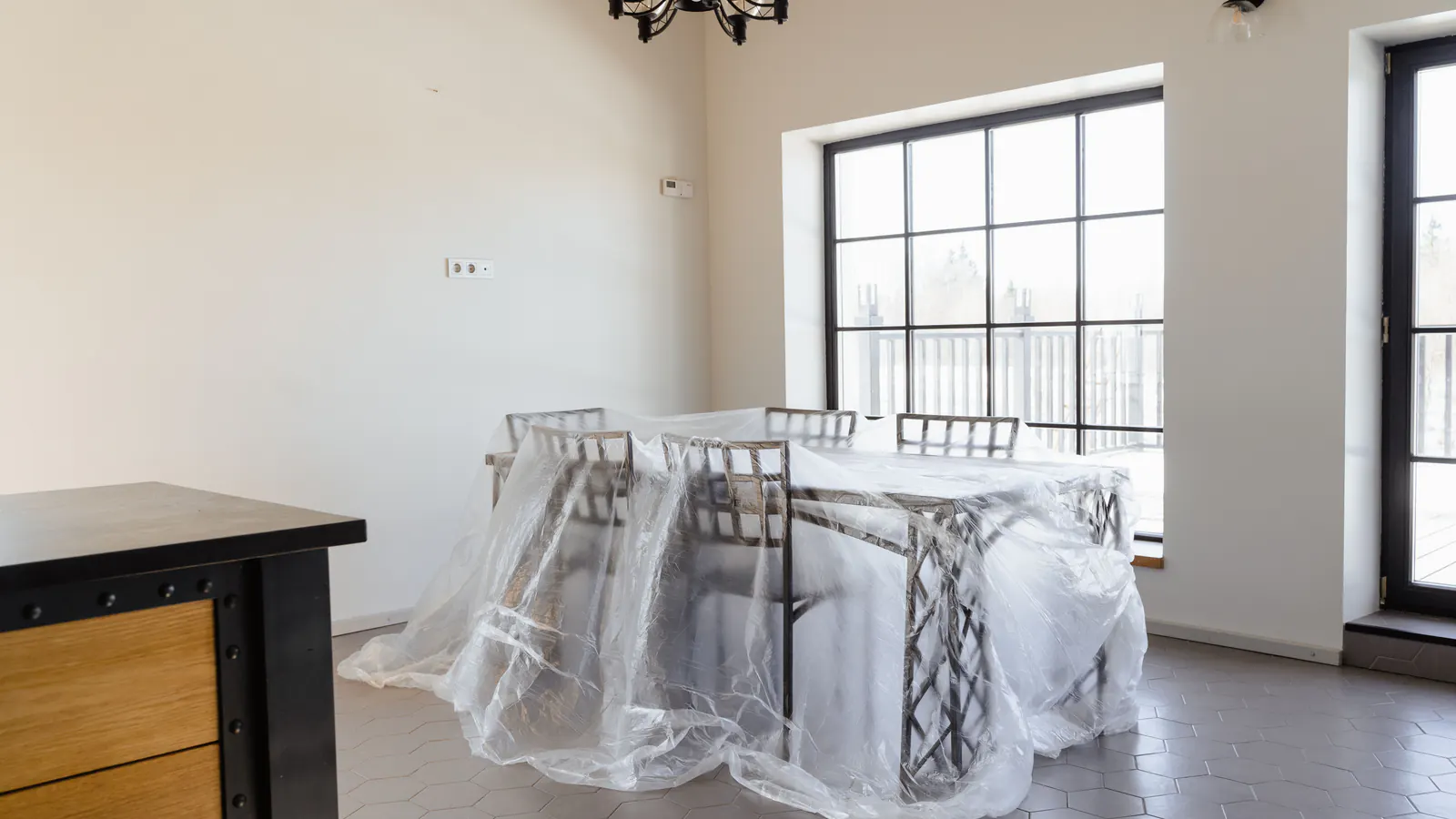
- We protect your home. Plastic barriers with zippered doors and floor coverings keep dust in the work area.
- We open up the wet area when readings point to wet framing, so we can see the actual wood instead of guessing.
- We measure moisture and keep a written log. A thermal camera helps us find cool, damp spots to test.
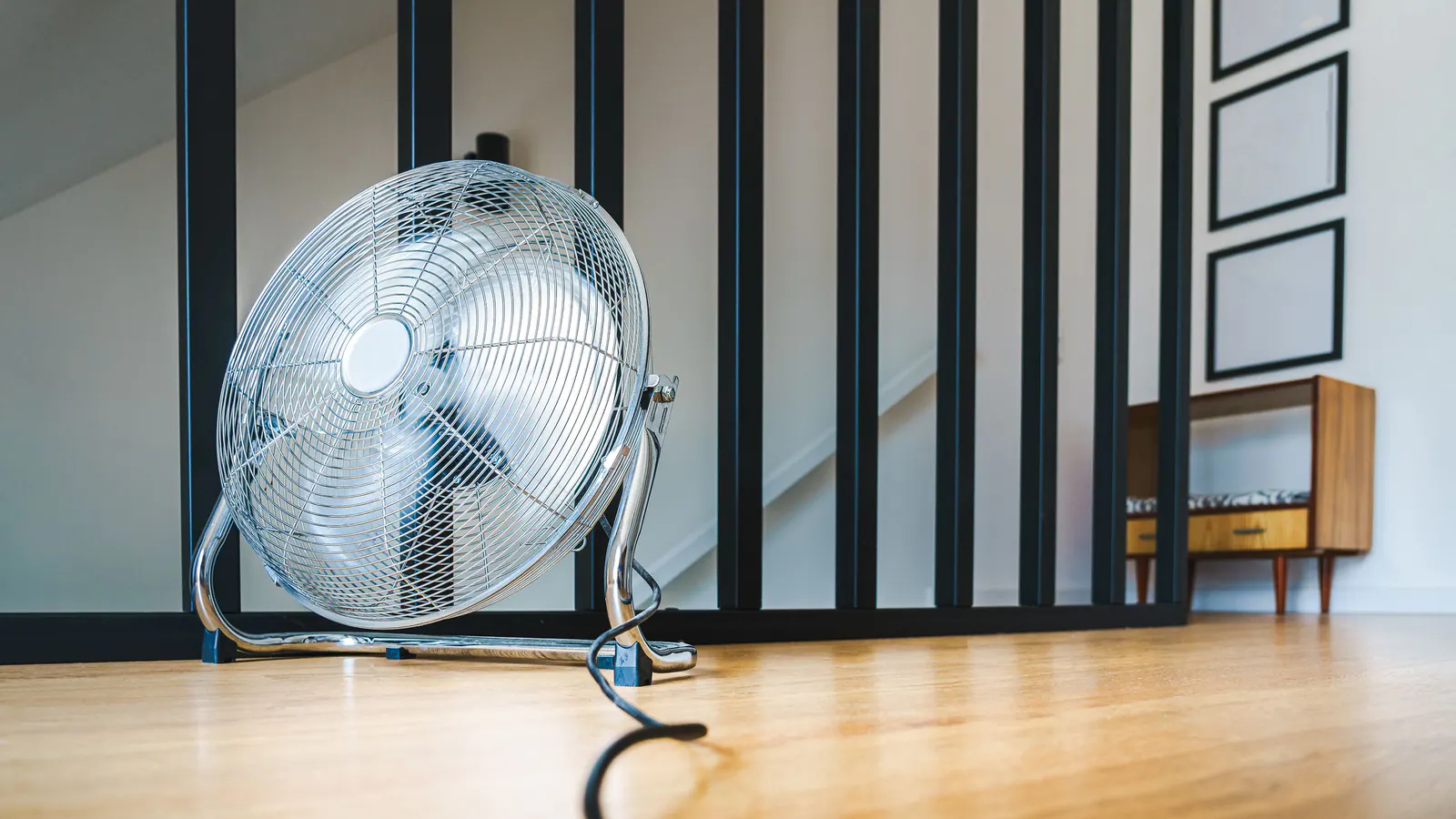
- We dry and clean with dehumidifiers, fans and a disinfecting cleaner.
We repair in the order the water traveled
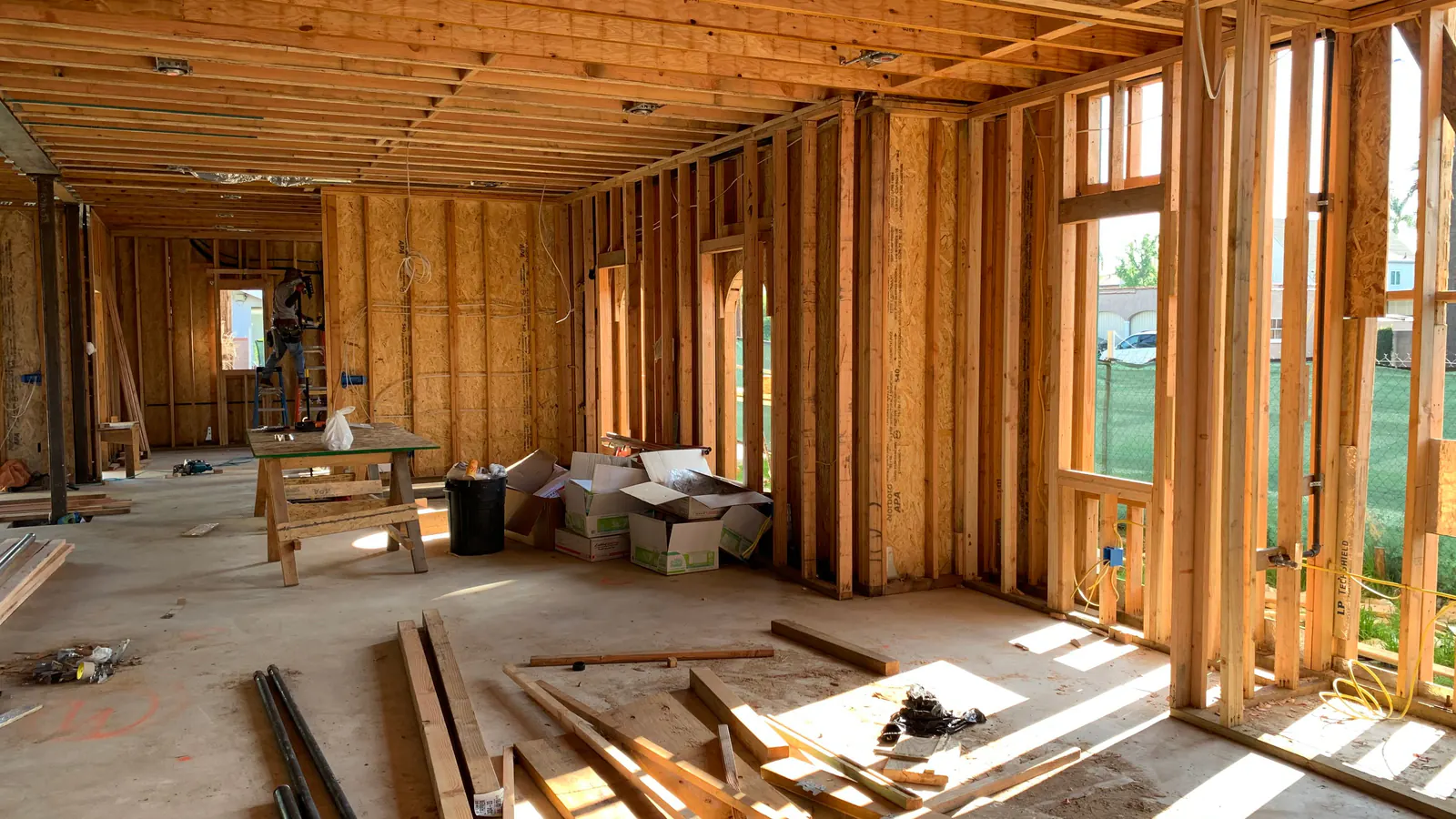
Once the wood is dry, we fix the outside first. That might mean regrading soil, replacing damaged trim or siding, resealing seams or correcting flashing. Rotted wood is cut out and replaced (see Part 3).

Then we rebuild the inside. New drywall is textured to match, sealed with a stain blocking primer and painted to blend in. Working in this order keeps this year’s fresh paint from becoming next winter’s stain.

What a cheap leak repair looks like
The cheap version runs in the opposite order. A coat of paint on the ceiling, a bead of caulk outside wherever there’s a crack, and a promise. It goes wrong in three places.
- Ordinary latex paint over a water stain lets the brown come back through. A stain blocking primer holds it back, but neither one dries the wood behind it.
- Caulk run along the bottom of a window can seal the weep holes the window drains through, and the water it was shedding goes into the wall instead.
- Drywall closed over framing that hasn’t dried traps the water in the wall, and decay and mold carry on behind fresh paint.
Not every leak is ours to fix. A dripping supply line or drain goes to a licensed plumber. We repair small roof leaks ourselves, and a roof that needs replacing goes to a licensed roofer we bring in. Either way, we open, dry and rebuild the wall around the repair.
If you find water damage
Before anything gets cleaned up or thrown out:
- Take wide and close up photos of every stain and damp spot.
- Photograph the outside of that wall, too.
- Write down when you first noticed it and what the weather was like.
- Keep moisture readings, invoices and your contractor’s notes.
Coverage varies a lot between policies. Standard policies usually exclude flooding, and slow leaks are often treated differently from sudden damage. Your agent can explain yours. We can document what we find, though we can’t predict how a claim will be decided. Part 6 has a full checklist.
Can I just paint over a water stain?
You can cover it with stain blocking primer and paint. If water is still getting in, the stain will likely return and the damage behind it will keep growing. Fix the source first.
Do you always have to open the wall?
No. If our readings show a small, dry, cosmetic spot, a surface repair may be all you need. We open walls when the readings point to wet or damaged wood, and not before.
When’s the best time to have a leak checked?
Before the rain, if possible. Outside repairs go much better on dry days.
Noticed a stain, a lifting seam or a damp corner? Request an estimate or call (650) 961-7415. We’re happy to take a look.
The data behind this article
For readers who want the numbers.
We saw exactly this in the 2023 winter. Redwood City got more than double its normal rain in December, January and March.
| Month | Winter 2023 (inches) | Normal (inches) |
|---|---|---|
| December | 10.45 | 3.92 |
| January | 9.49 | 3.81 |
| February | 3.88 | 3.65 |
| March | 7.88 | 3.02 |
This winter could follow a similar pattern. NOAA gives Palo Alto about a 50% chance of a wetter than normal December through April.
A few numbers worth knowing
Sources (4)
- NOAA, Redwood City station Back
- USDA Forest Products Laboratory fpl.fs.usda.gov (https://www.fpl.fs.usda.gov/documnts/fplgtr/fplgtr282/chapter_14_fpl_gtr282.pdf) Back
- U.S. EPA epa.gov (https://www.epa.gov/mold/brief-guide-mold-moisture-and-your-home) Back
- NOAA NCEI normals, Palo Alto ncei.noaa.gov (https://www.ncei.noaa.gov/access/services/data/v1?dataset=normals-annualseasonal-1991-2020&stations=USC00046646&dataTypes=ANN-PRCP-NORMAL,ANN-PRCP-AVGNDS-GE001HI&format=json) Back