Settings
Focus mode
Focus keeps the section you are reading bright and greys out the rest of the page. Super focus adds a second, brighter spot on the part of the section you are reading. In either, ↓ and ↑ move to the next or previous section (or part, in Super focus).
How grey and dim Focus makes the sections outside the bright one. Moving it turns Focus on.
Color vision
For red-green color blindness: deutan (green-weak) is the most common kind, protan (red-weak) the next. Charts, highlights and warnings move to blues, oranges and purples that stay apart, with a cue beyond color. Photos never change. Applies to the blog and the service pages.
Your choices are saved in this browser, on this device.
Upkeep
Roof Inspections
Look at the roof before the first storm does. We check the roof’s condition, write down what we see and photograph it. Our crew makes the repairs and clears the debris.
01What We Look At
Roofs leak at the edges and joints.
It happens with the first big storm of the season. A stain spreads across a bedroom ceiling, and the roof that looked fine from the driveway turns out to have a cracked seal around a vent pipe. Why wasn’t it caught? Nobody had been up there to look.
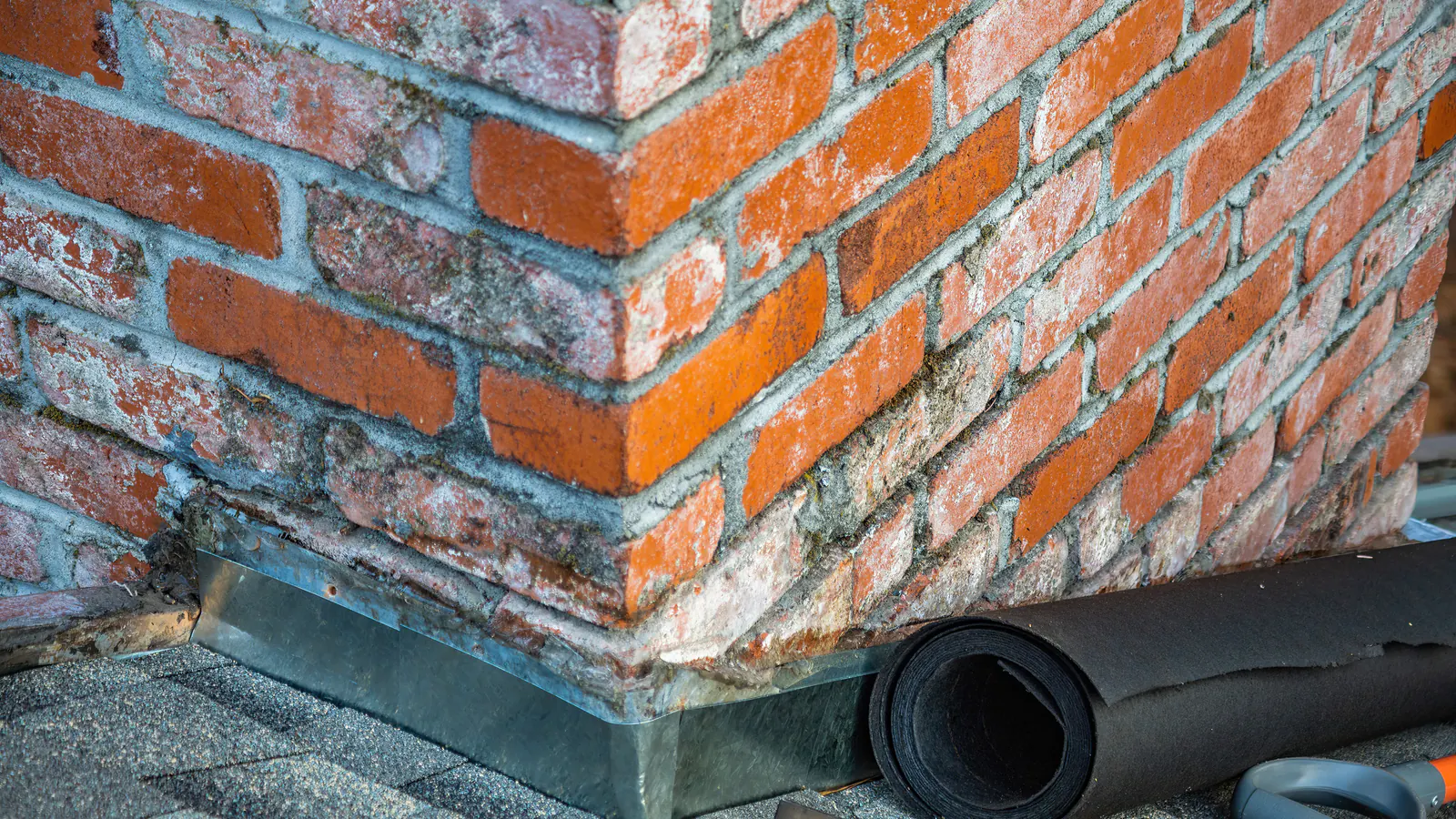
The field of the roof, the big open part, wears slowly and evenly. The trouble starts where the roof stops: at the flashing, the vents, the valleys and the gutters.
-
Roof surface
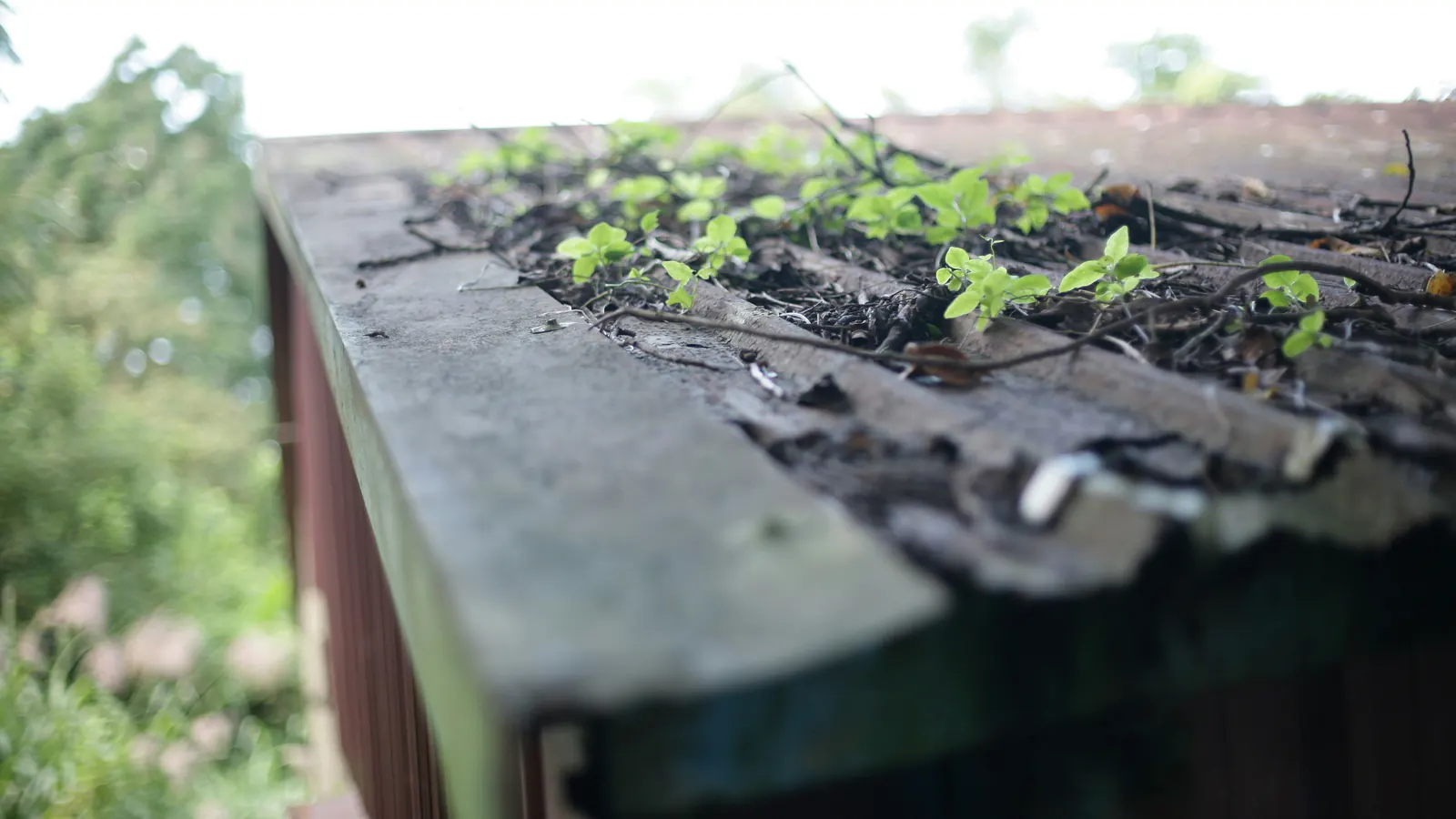
Cracked, curled, loose or missing shingles and tiles, worn granules, moss and debris.
-
Flashing
The metal where the roof meets chimneys, walls, skylights and pipes, and the joints where water gets in.
-
Vents
Roof and attic vents: torn screens, blocked openings and cracked seals around pipes.
-
Gutters and downspouts
Clogged, sagging or leaking gutters, and downspouts that empty against the wall.
-
Eaves and fascia
Rot, peeling paint and gaps at the roof edge where water or animals get in.
-
The attic side
Where there’s access, the underside of the roof: stains, damp wood and daylight where there shouldn’t be any.
What it is, and what it isn’t
This is a visual condition check. It isn’t a certified inspection or a roof certification, it doesn’t say how long the roof will last, and it can’t tell you whether a roof will pass anything. Your insurer decides coverage and renewal.
Our crew repairs what the check turns up: lifted or missing shingles, flashing that needs resealing, small leaks. We go up and clear the debris too. We don’t replace roofs or build roof structures. A full re-roof, a new roof or anything structural goes to a licensed roofer or an engineer we bring in and manage.
02Done Cheaply
Why the quick fix comes back
The usual quick fix is a tube of roof sealant smeared over the spot where the drip showed up. It stops the drip for a season. The cracked shingle or lifted flashing under it is still there, and the leak may not be above the stain at all. Water runs along the roof boards before it drips.
The other is a patch of new shingles laid into an old roof without anyone asking why the old ones failed.
03How It Goes
How the check goes
-
Outside
The roof surface, flashing, vents, gutters and eaves, looked at up close.
-
Inside
The attic, where there’s access, for stains, damp wood and light coming through.
-
Photos
Photos of anything worth noting, so you can see what we saw.
-
The write-up
A written summary sorted into what needs attention now and what can wait, and who should do each repair.
Book a look at the roof.
Before the rain is the time. We’ll check the roof, clear the debris, send you the write-up and photos, and make the repairs. A re-roof goes to a licensed roofer we bring in and manage. We work across the Bay Area Peninsula.