Settings
Focus mode
Focus keeps the section you are reading bright and greys out the rest of the page. Super focus adds a second, brighter spot on the part of the section you are reading. In either, ↓ and ↑ move to the next or previous section (or part, in Super focus).
How grey and dim Focus makes the sections outside the bright one. Moving it turns Focus on.
Color vision
For red-green color blindness: deutan (green-weak) is the most common kind, protan (red-weak) the next. Charts, highlights and warnings move to blues, oranges and purples that stay apart, with a cue beyond color. Photos never change. Applies to the blog and the service pages.
Your choices are saved in this browser, on this device.
Fire Resistance
Fire-Resistant Decking
Embers collect on a deck and under it. We build decks in TimberSIL or composite for Peninsula WUI homes, and treat the wood decks people want to keep.
01Outdoor Living
Embers end up under the deck
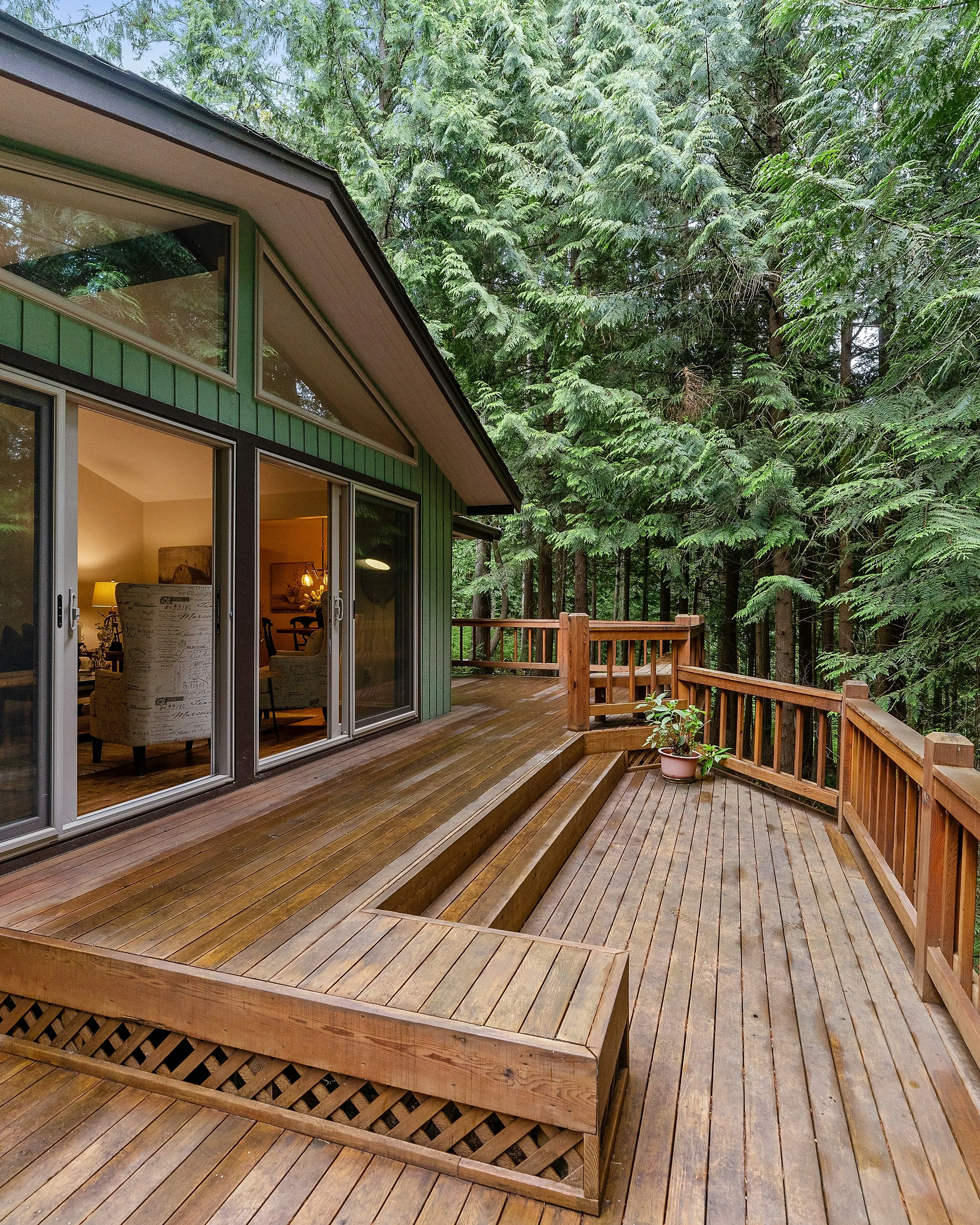
Leaves and needles blow under a deck and stay there, where nobody looks. The deck sits up in the open, it’s usually built of wood, and embers that drift underneath can light it from below. In a Wildland-Urban Interface zone, we treat the deck as part of the house.
We help you choose and install treated wood or composite decking with a tested fire rating, and we check each product’s listing against your project.
Where the fire comes from
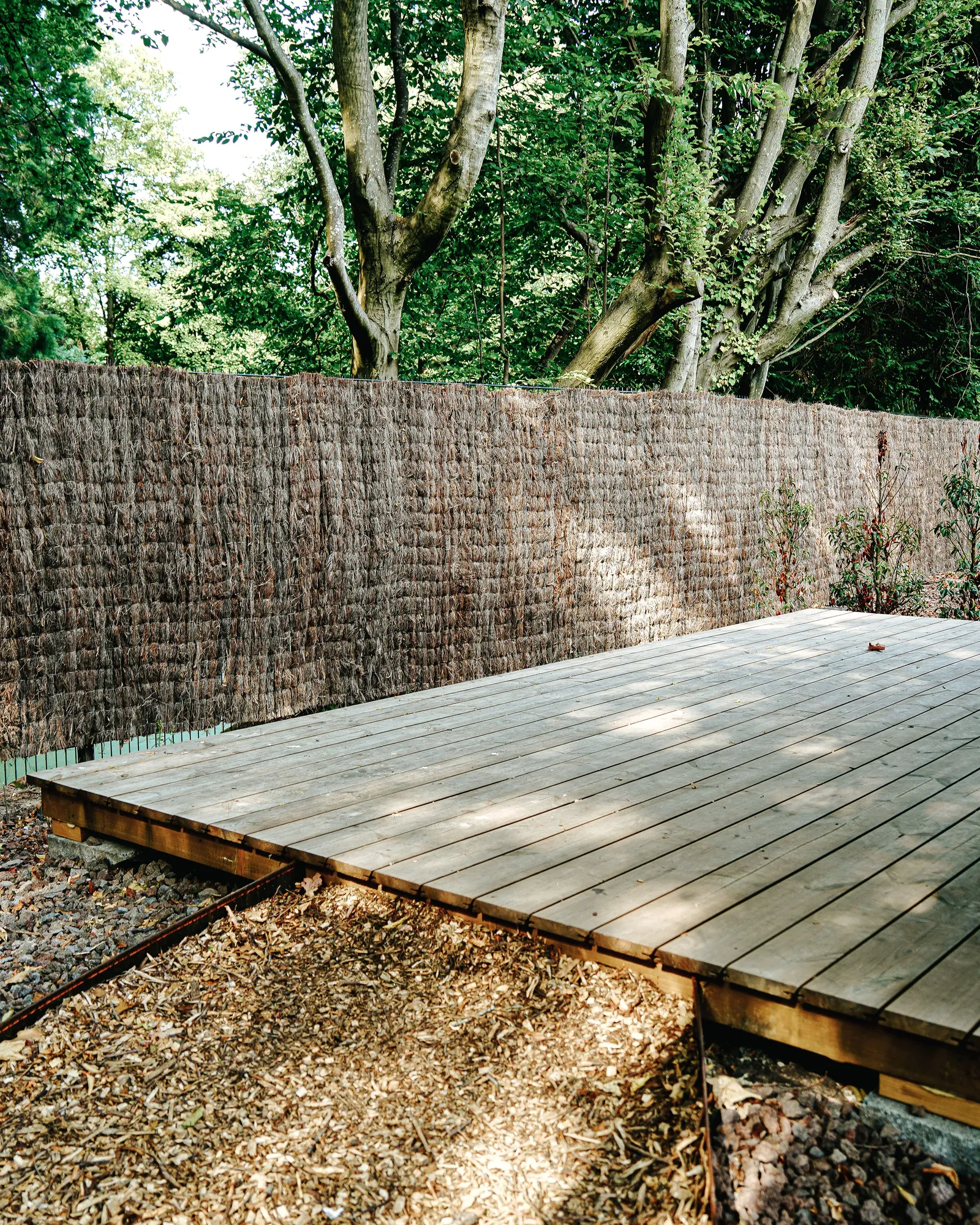
Cal Fire research found that in many wildfire scenarios, homes do not ignite from direct flame contact. They ignite from embers carried well ahead of the fire front, and a deck catches them like a tray. Composite and treated wood rated for WUI use give an ember less to light, which can lower the home’s risk.
TimberSIL® Fire-Retardant Wood
TimberSIL is lumber infused with sodium silicate, a glass-mineralization process that makes the wood fibers resist ignition, rot and insects without toxic chemicals. It achieves a Class A fire rating and stays paintable.
Composite Decking
Composites won’t splinter, warp or rot, and many achieve Class A or Class B fire ratings. We specify the product for your project and check its rating.
Fire-Retardant Treatments
On an existing wood deck, a fire-retardant coating can improve the fire resistance of the boards. It isn’t a WUI measure and doesn’t replace fire-resistant decking.
How the deck is built
The boards are half of it. We also look at how the deck is built and recommend non-combustible skirting, proper clearance from the house and metal flashing where the deck meets the wall.
Quick Facts
- Materials
- TimberSIL, composite decking
- Fire Ratings
- Class A & B options available
- Code Reference
- CA Wildland-Urban Interface Code (CWUIC)
- Treatments
- Fire-retardant coatings for existing decks
- Design
- Ember-resistant construction details
02Materials
What to build it from
-
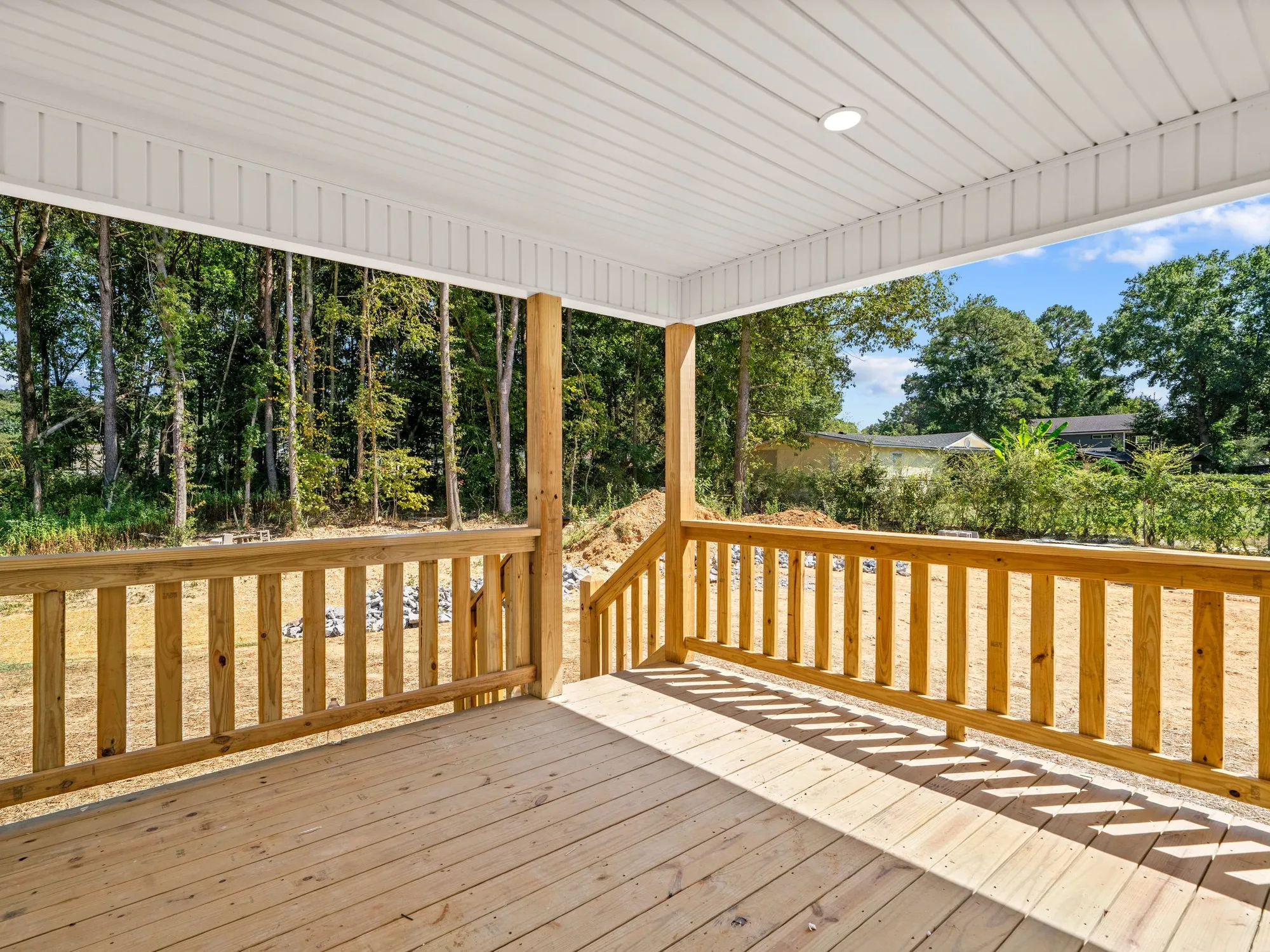
TimberSIL® Fire-Retardant WoodWood deck boards -
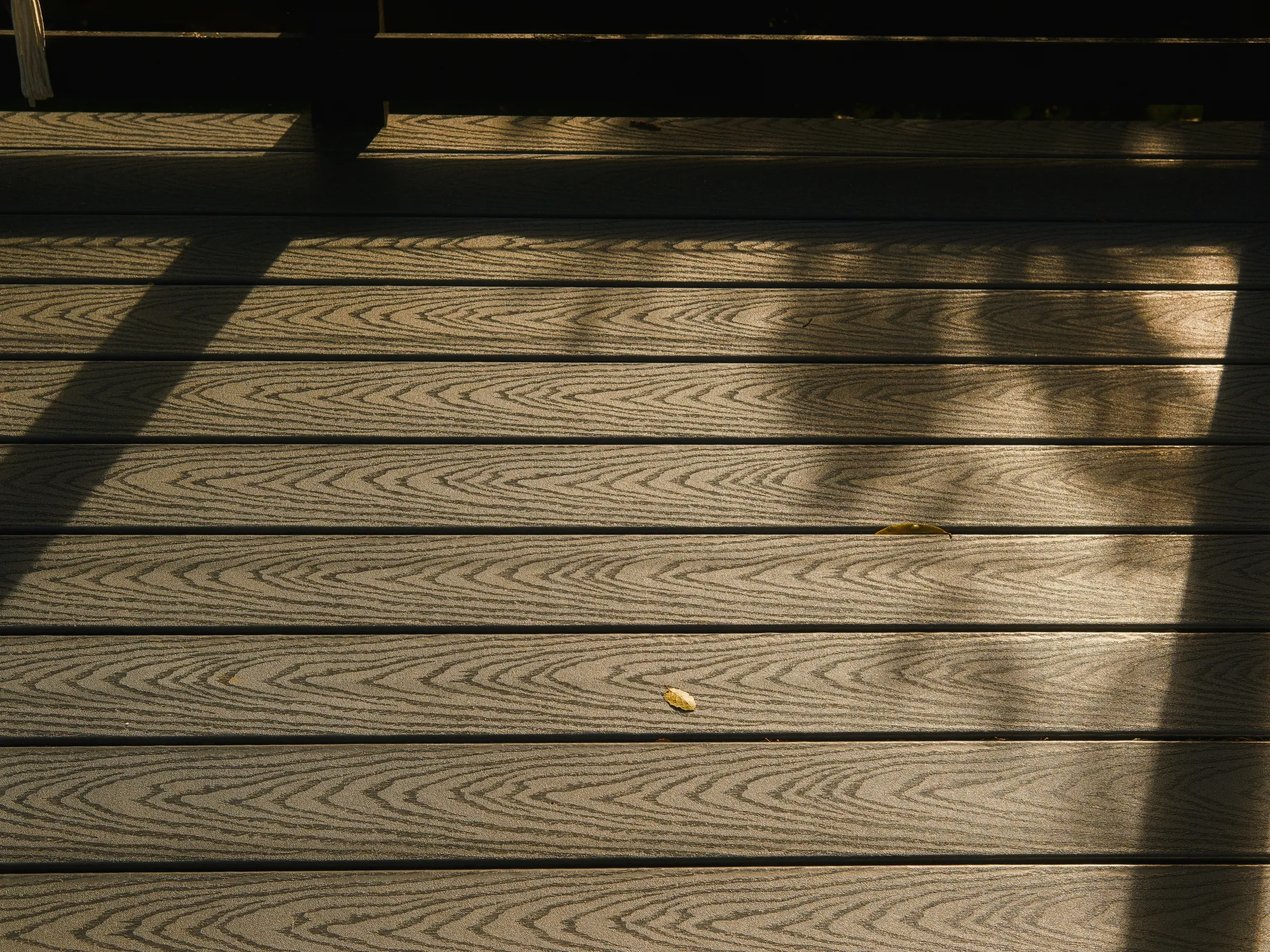
Composite DeckingComposite deck boards -
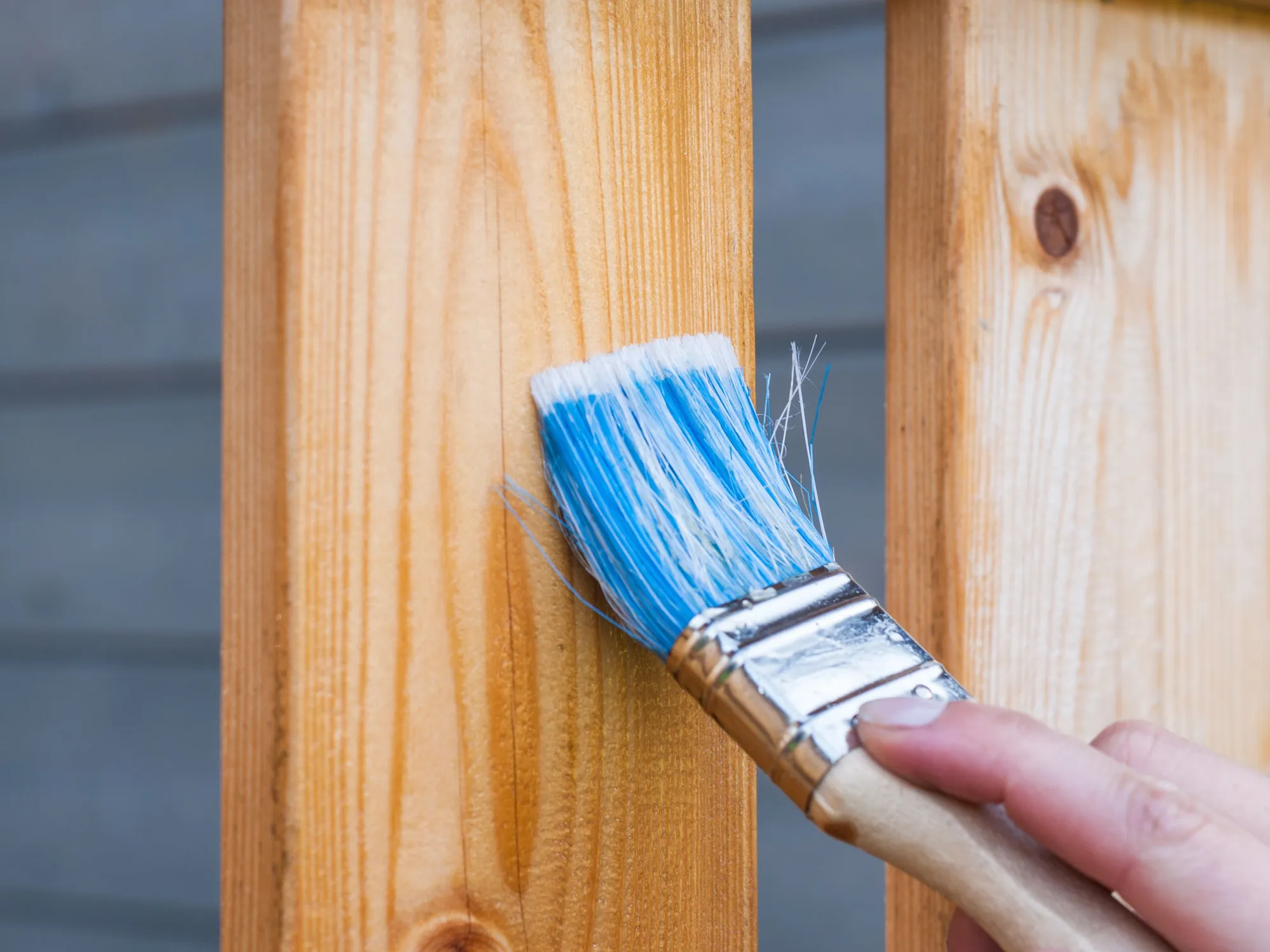
Fire-Retardant TreatmentsA coat brushed onto existing wood
| Option | Fire Rating | Notes |
|---|---|---|
| TimberSIL® Fire-Retardant Wood | If you want the look of wood with better fire resistance. | |
| Composite Decking | Needs little upkeep. Ratings vary by product, and we check the one you pick. | |
| Fire-Retardant Treatments | No rating listed | For a wood deck you’re keeping. A coating can improve the fire resistance of the boards. |
Photos show each material type in general, not a specific product.
03Risk Assessment
Six things to look for
Take this list out to your own deck. The first three matter most.
Illustrative section, not to scale
-
Ordinary wood decking is combustible, and embers that collect on it can light it.
-
Wood lattice, or skirting with debris behind it, traps embers and gives them fuel.
-
Leaves and needles under the deck make a bed for embers to land in.
-
A deck fixed to the house without proper clearance can carry fire to the wall.
-
Embers get through the gaps between boards, and through the joint at the house when there’s no metal flashing.
-
Plants, shrubs or trees close to the deck can carry fire to it.
Deck Fire Risk Checklist
| Risk Factor | Why | Risk |
|---|---|---|
| Untreated Wood Decking | Ordinary wood decking is combustible, and embers that collect on it can light it. | |
| Combustible Skirting | Wood lattice, or skirting with debris behind it, traps embers and gives them fuel. | |
| Debris Accumulation Under Deck | Leaves and needles under the deck make a bed for embers to land in. | |
| Deck Attached Directly to House | A deck fixed to the house without proper clearance can carry fire to the wall. | |
| No Ember-Resistant Construction | Embers get through the gaps between boards, and through the joint at the house when there’s no metal flashing. | |
| Vegetation Near Deck | Plants, shrubs or trees close to the deck can carry fire to it. |
If any of these apply, ask us to come look. We’ll tell you what we’d change and what it would cost.
-
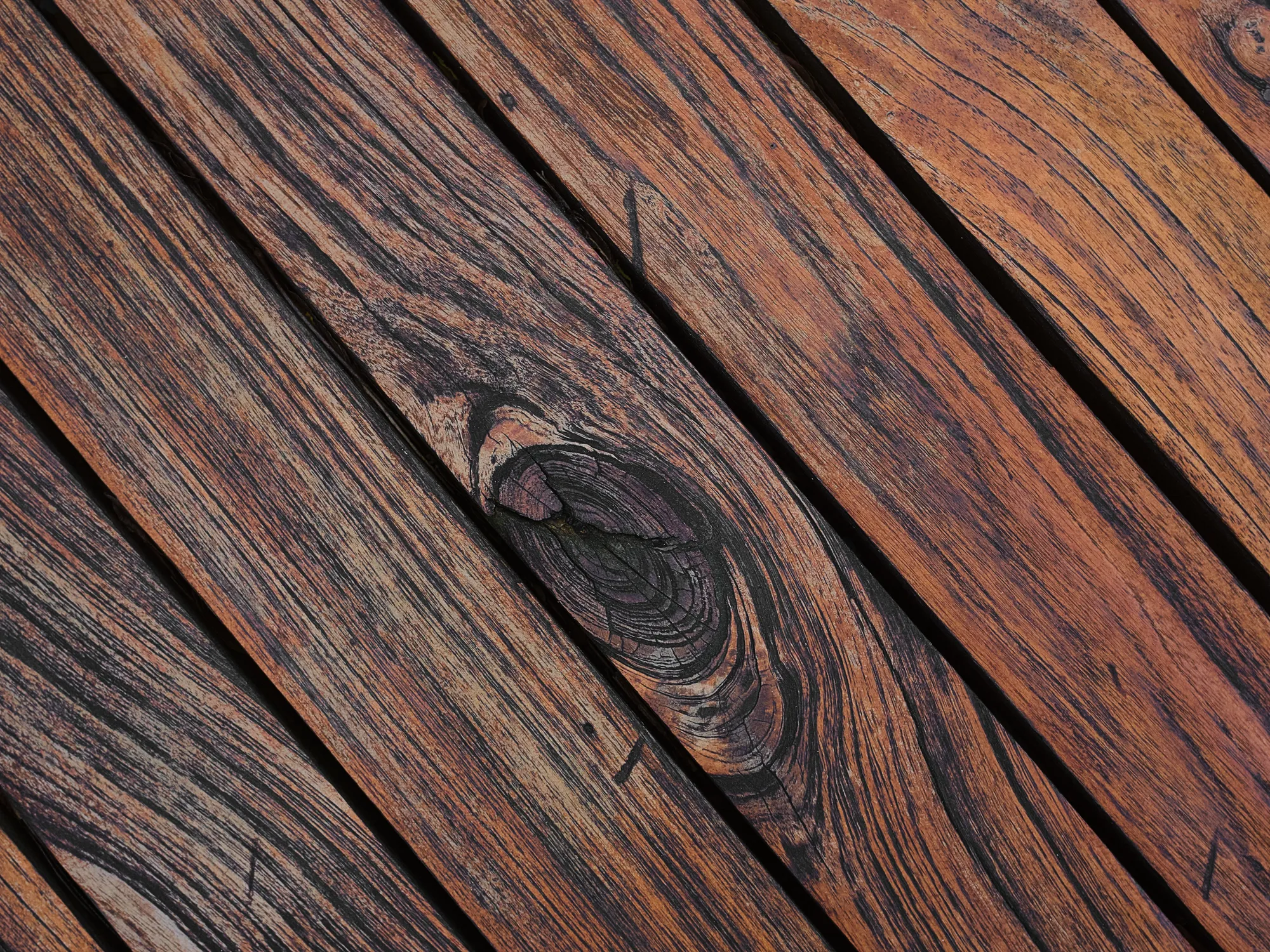
Untreated Wood DeckingWeathered, untreated wood boards -
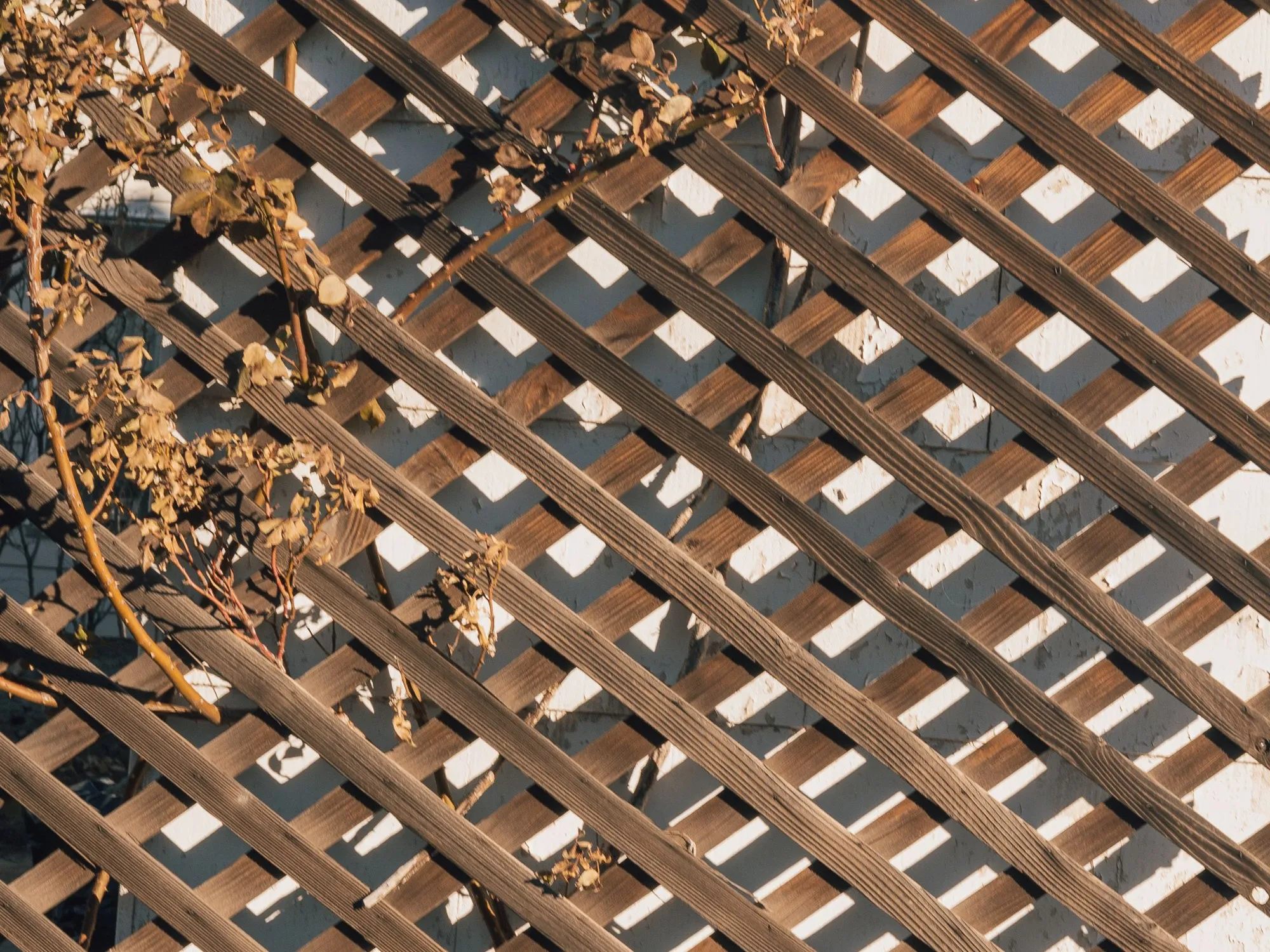
Combustible SkirtingWood lattice with dry growth caught in it -
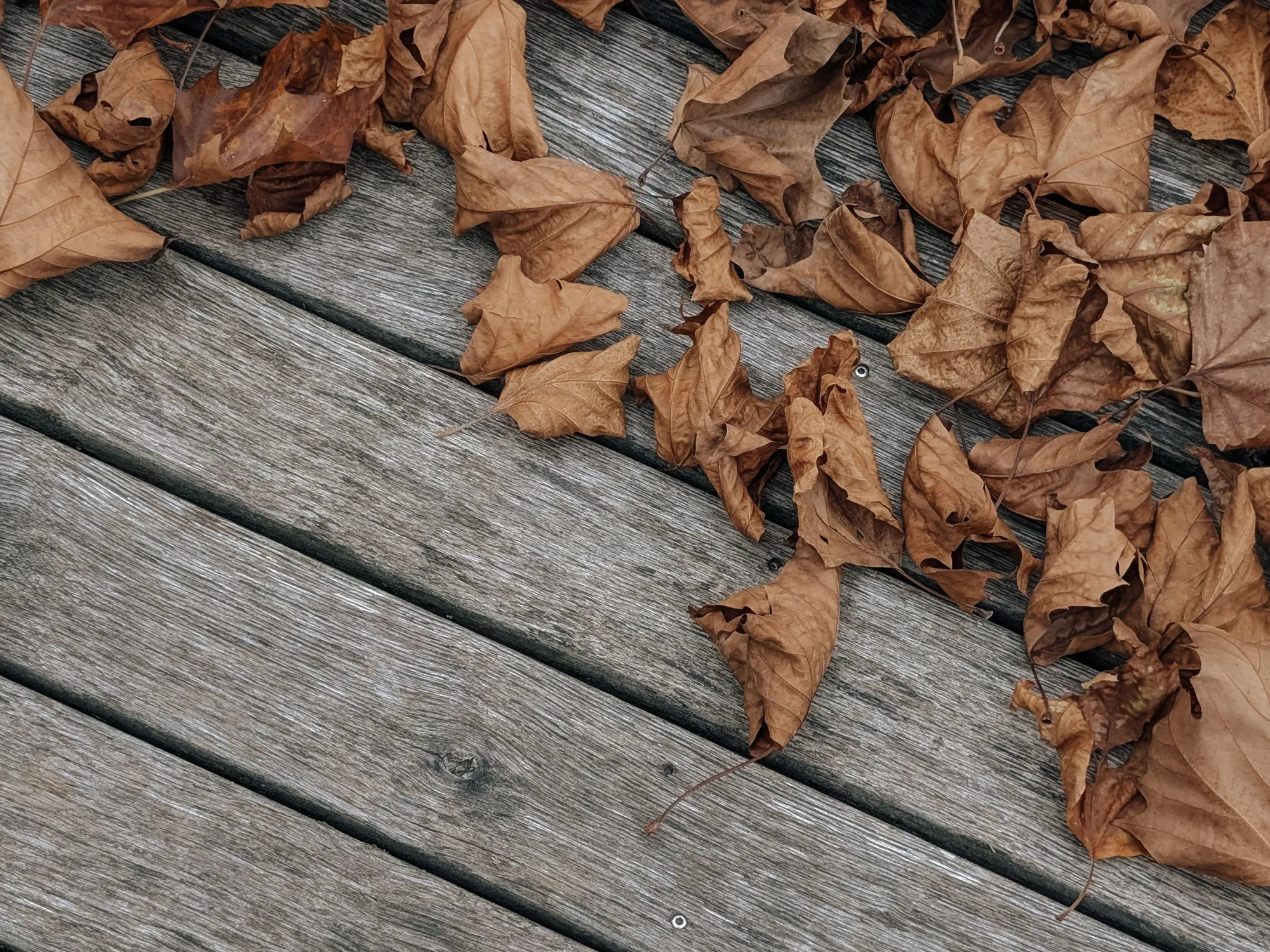
Debris AccumulationDry leaves gathered on deck boards -
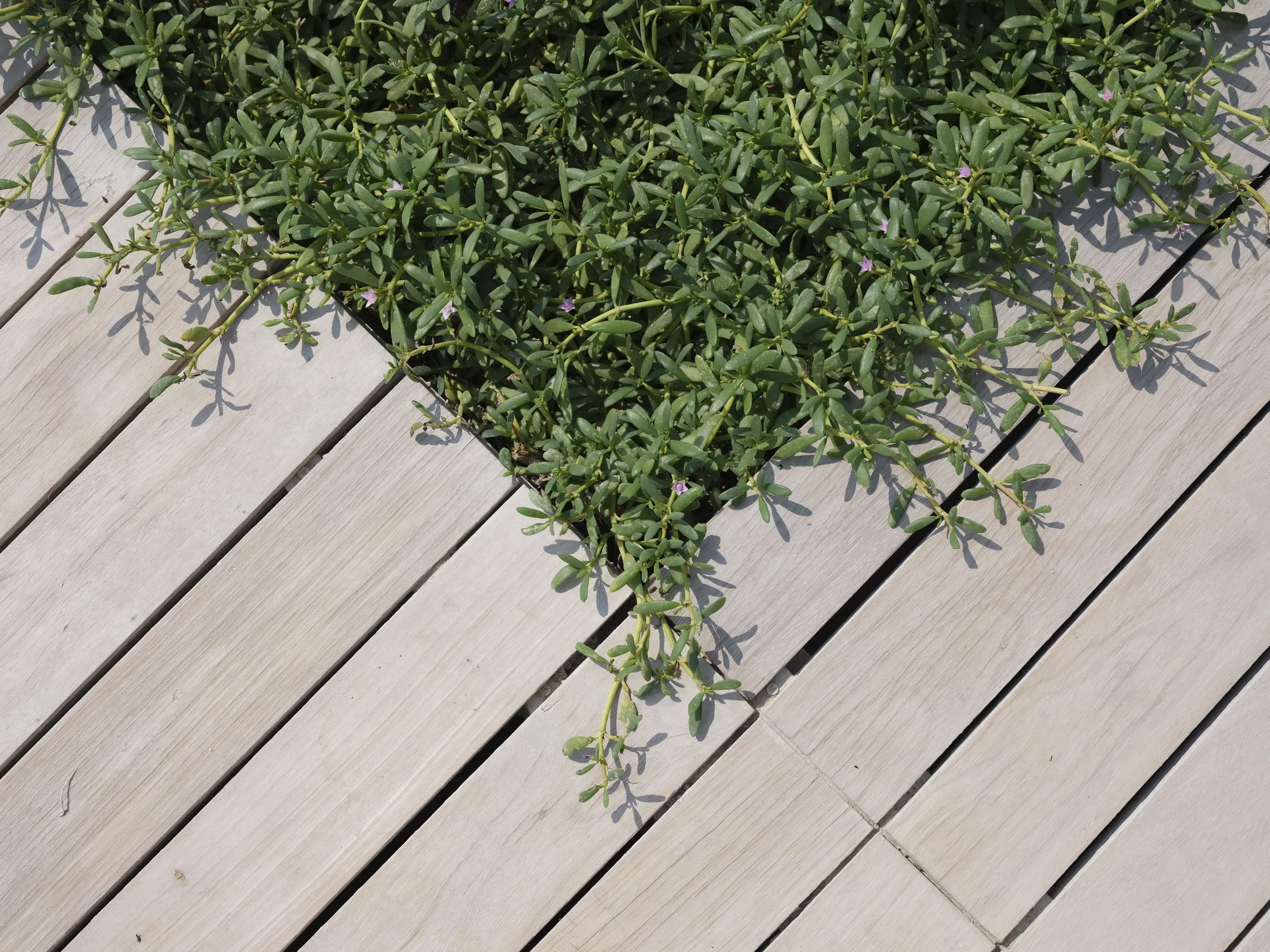
Vegetation Near DeckPlants growing against the deck
04Our Process
How a deck job goes

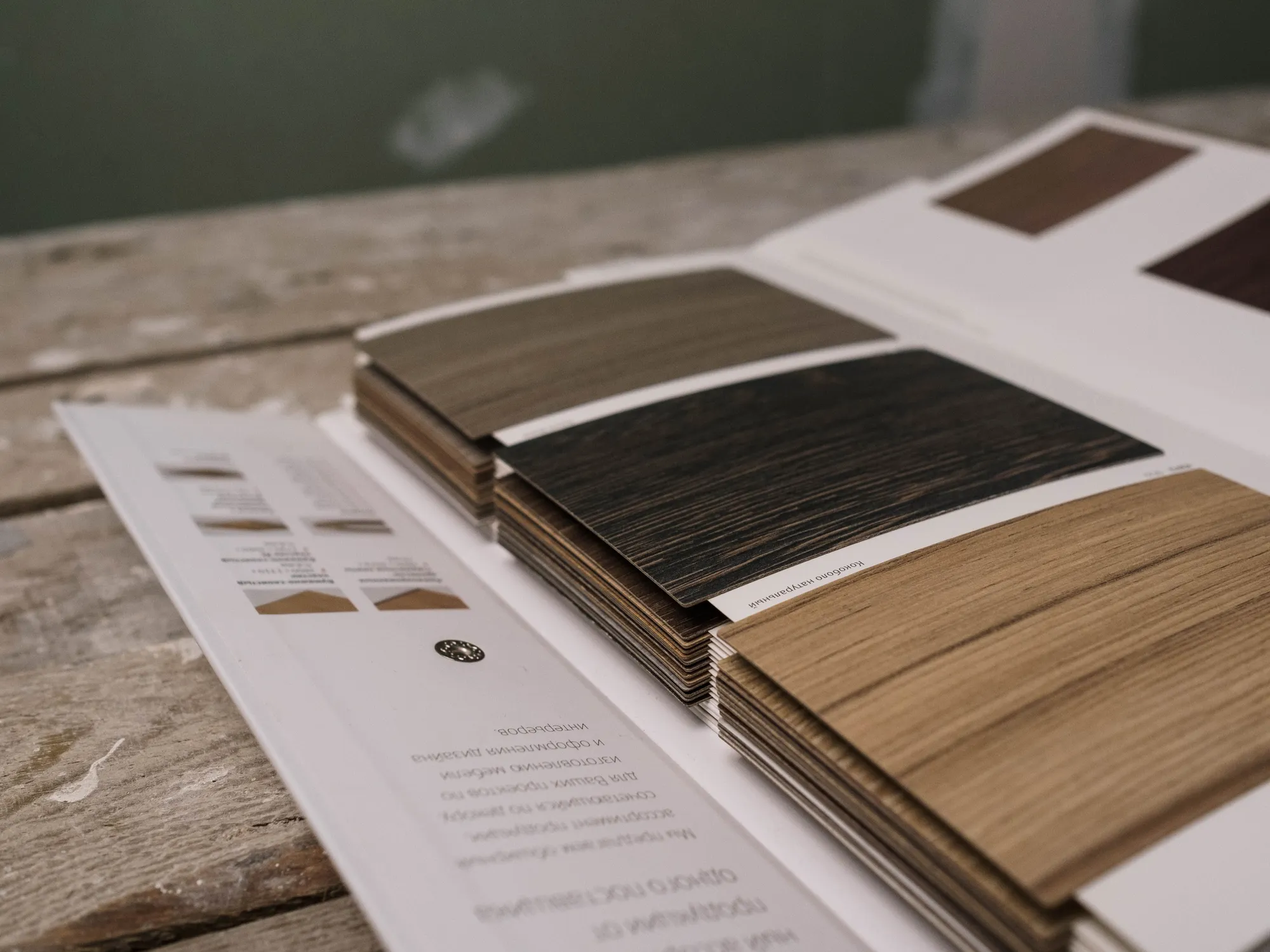
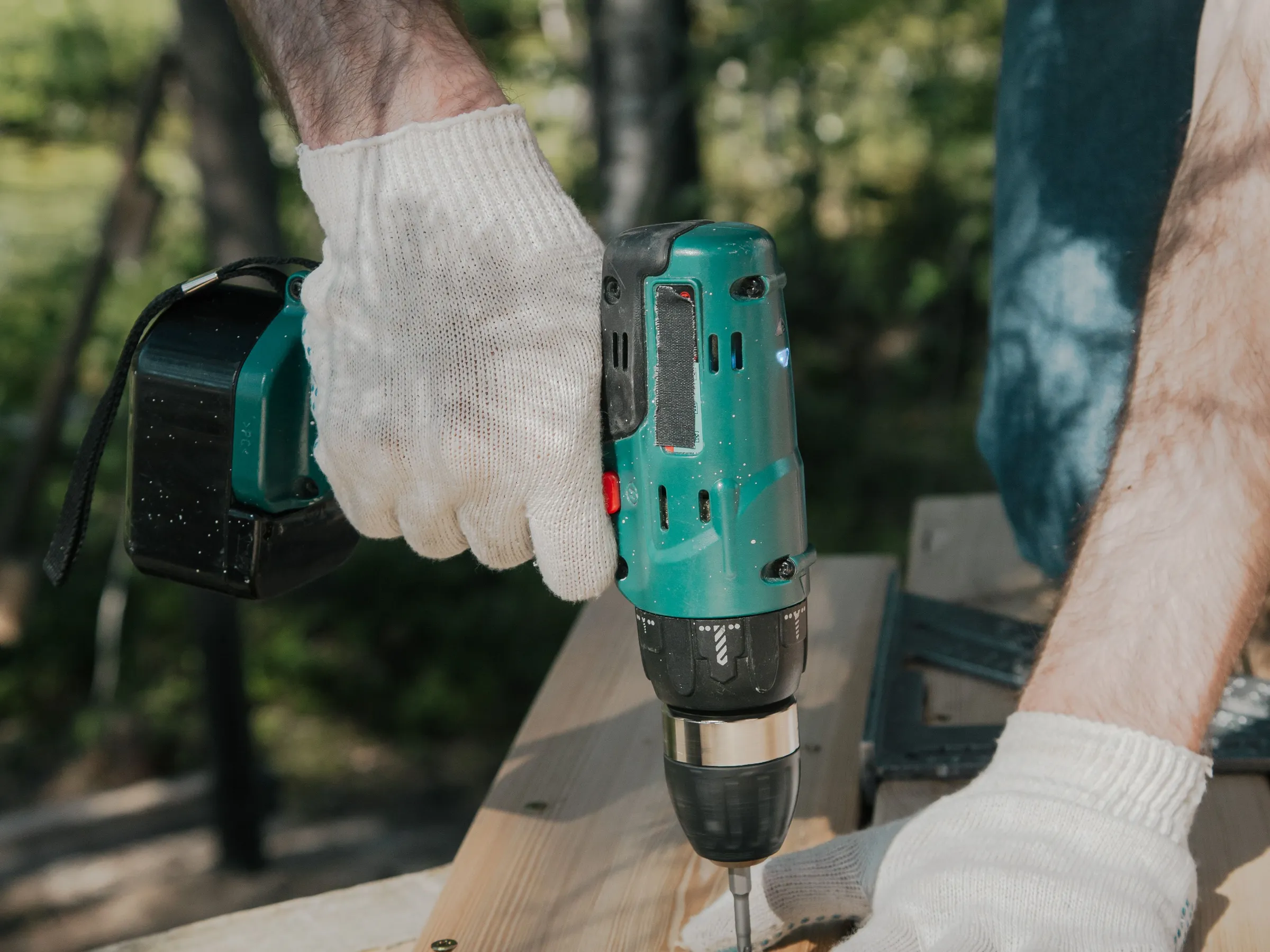

Step 1 of 4: Assessment
-
We look at the deck you have and where it’s vulnerable.
-
You choose from fire-resistant materials that suit the look you want.
-
We build it with the ember-resistant details.
-
You get each product’s fire rating data for your permit file.
Explore by Topic
05Progress
A deck rebuild, start to finish
From the old boards to the finished deck.
-
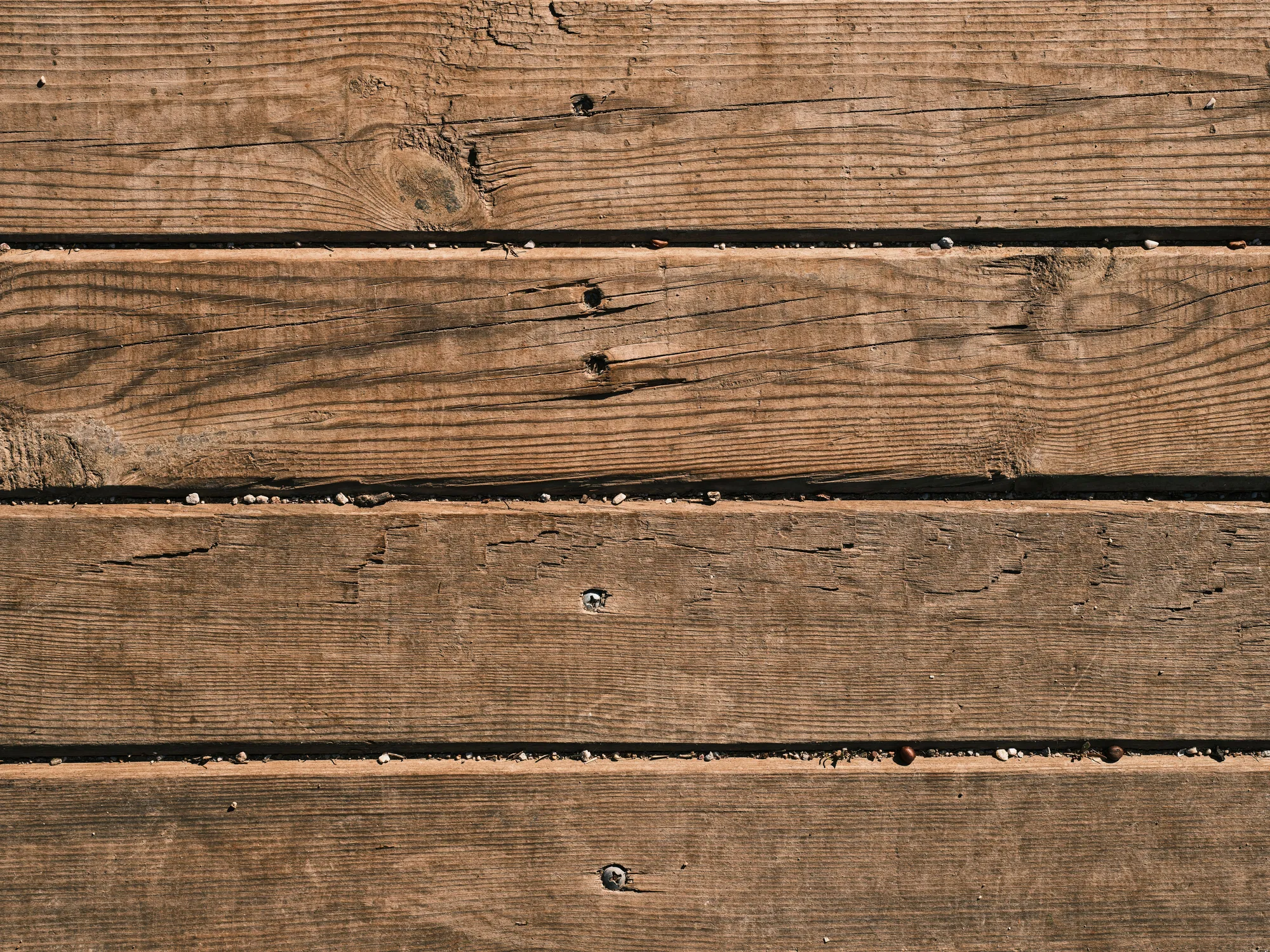
Before: weathered deck boards -
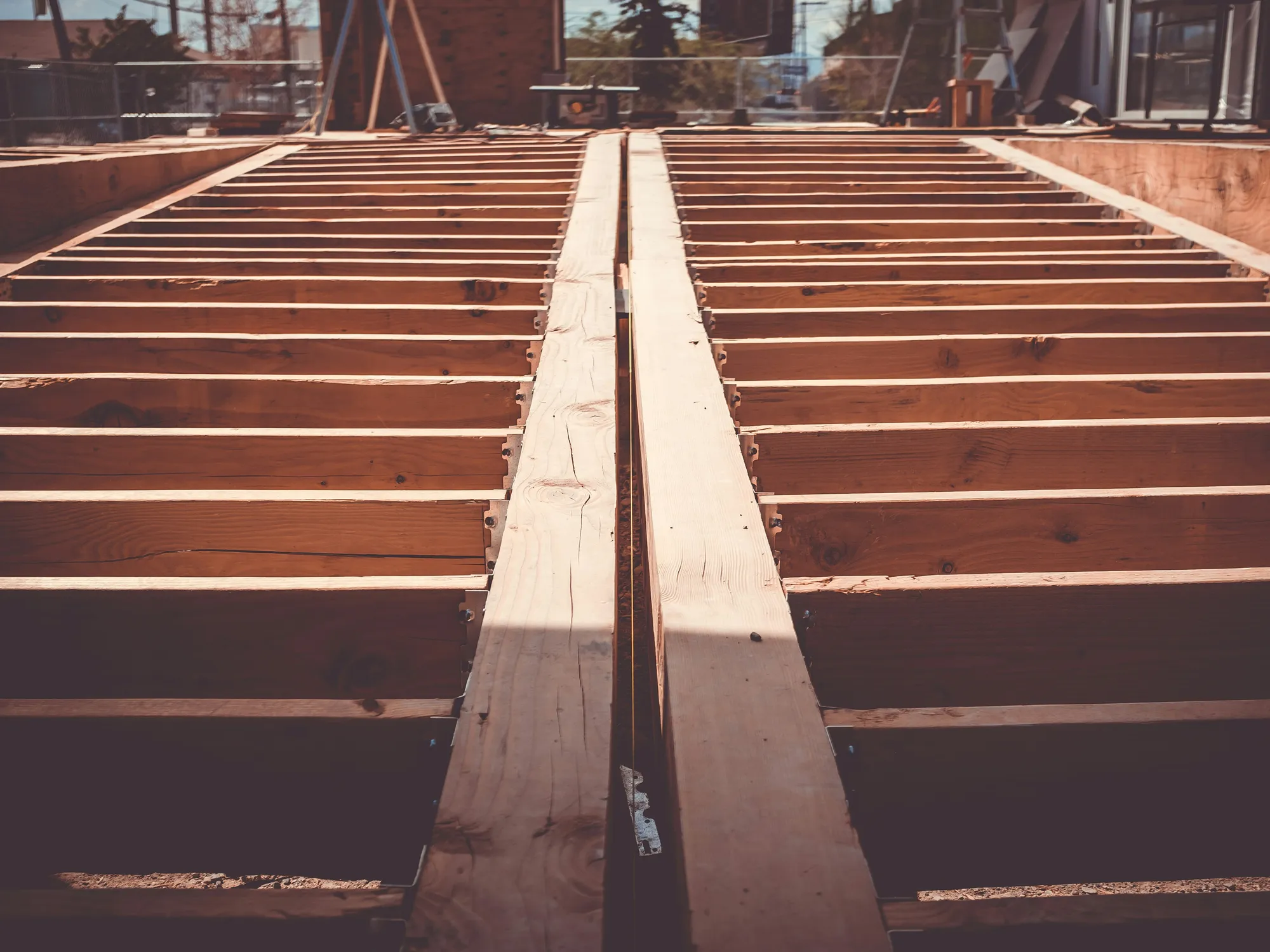
During: new joists framed in -
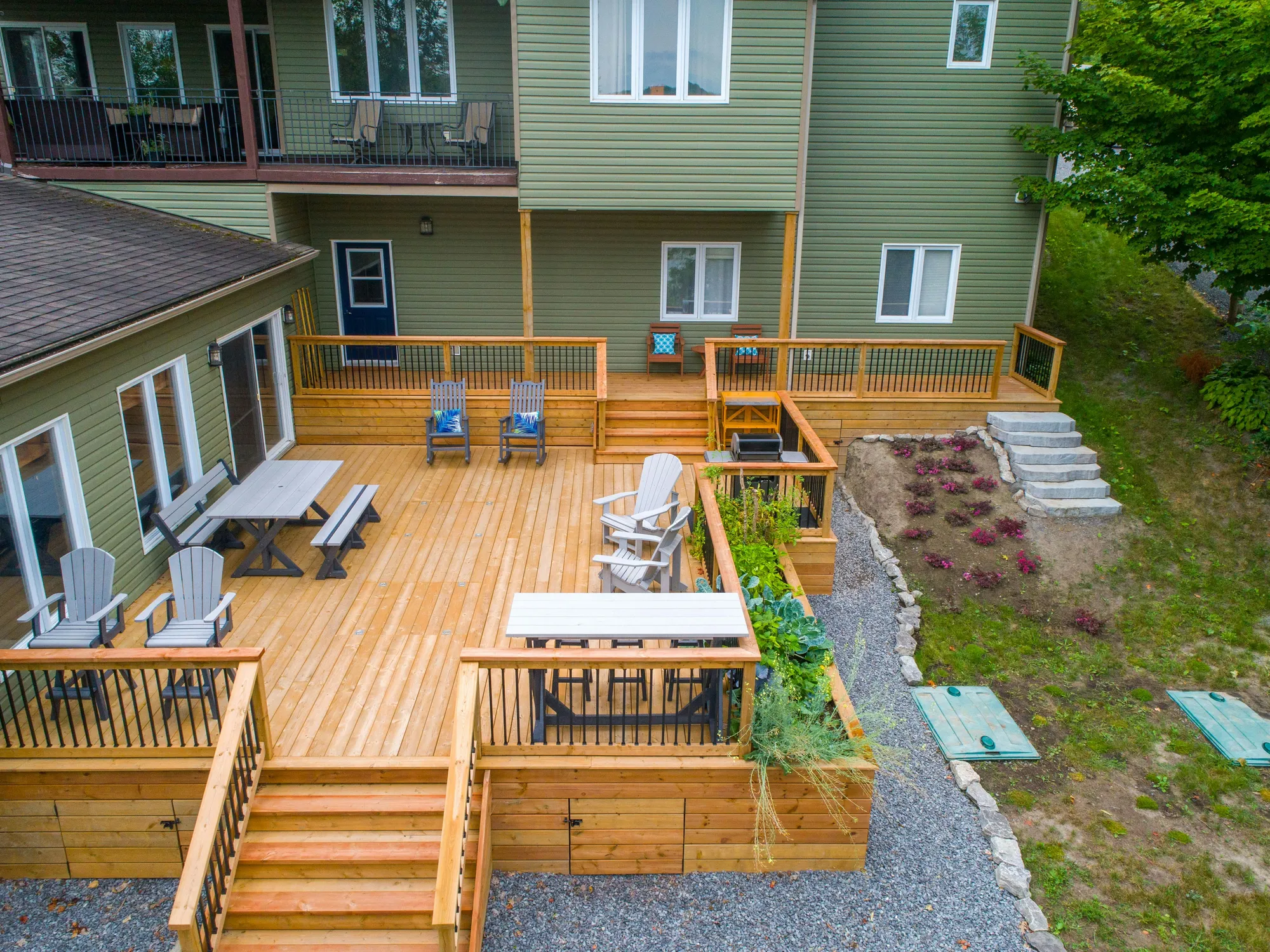
After: a finished deck
Thinking about the deck?
Send us a few details. We’ll come out, look at the deck and the ground under it, and price the options.