Settings
Focus mode
Focus keeps the section you are reading bright and greys out the rest of the page. Super focus adds a second, brighter spot on the part of the section you are reading. In either, ↓ and ↑ move to the next or previous section (or part, in Super focus).
How grey and dim Focus makes the sections outside the bright one. Moving it turns Focus on.
Color vision
For red-green color blindness: deutan (green-weak) is the most common kind, protan (red-weak) the next. Charts, highlights and warnings move to blues, oranges and purples that stay apart, with a cue beyond color. Photos never change. Applies to the blog and the service pages.
Your choices are saved in this browser, on this device.
Painting & Coatings
Exterior painting that lasts.
It happens on every street. A house gets fresh paint, and two summers later the trim is peeling again. Paint rarely fails on its own. What’s under it fails first, and that’s where we spend most of the job.
02FPE Master Certified Contractor
Fine Paints of Europe Master Certified contractor.
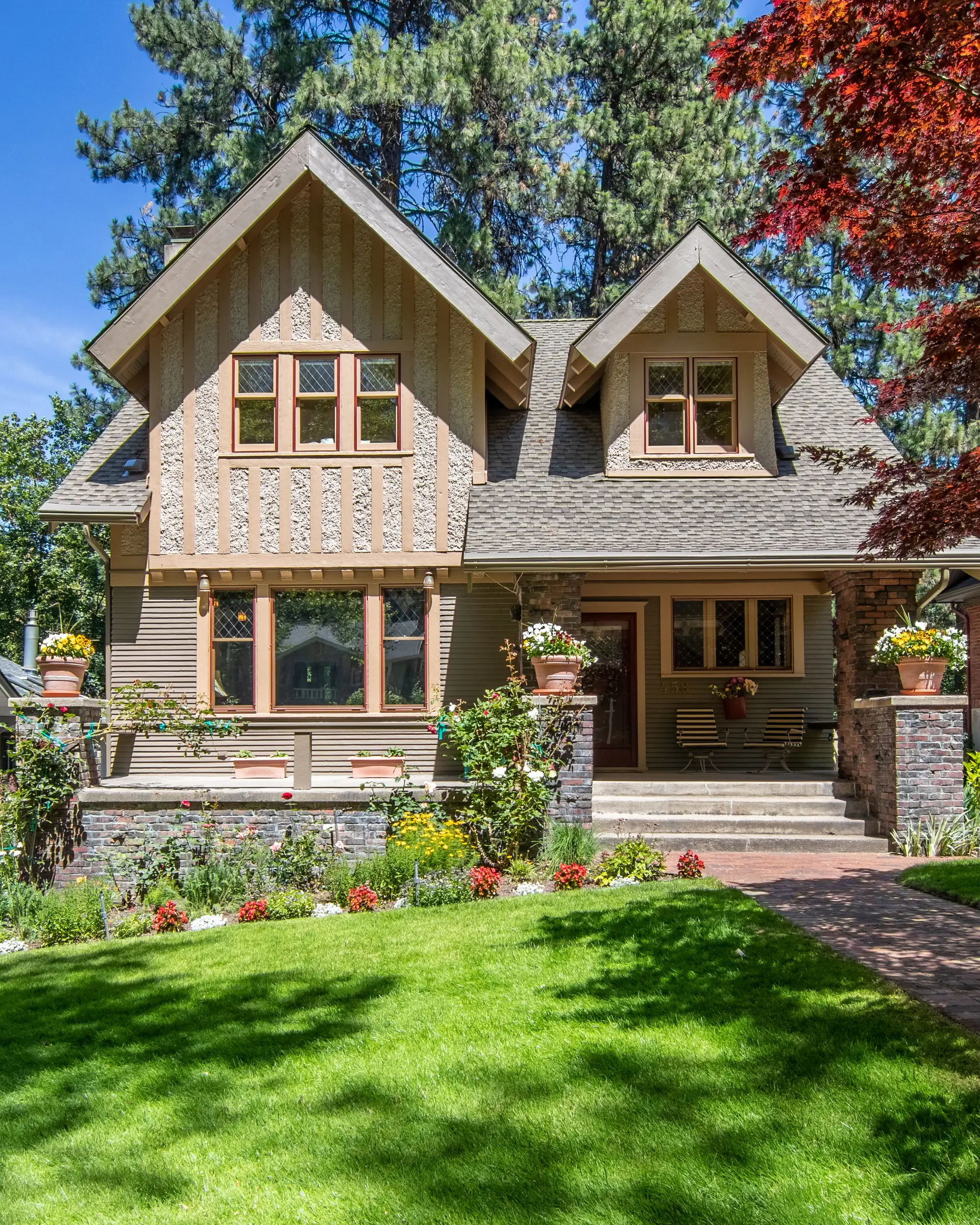
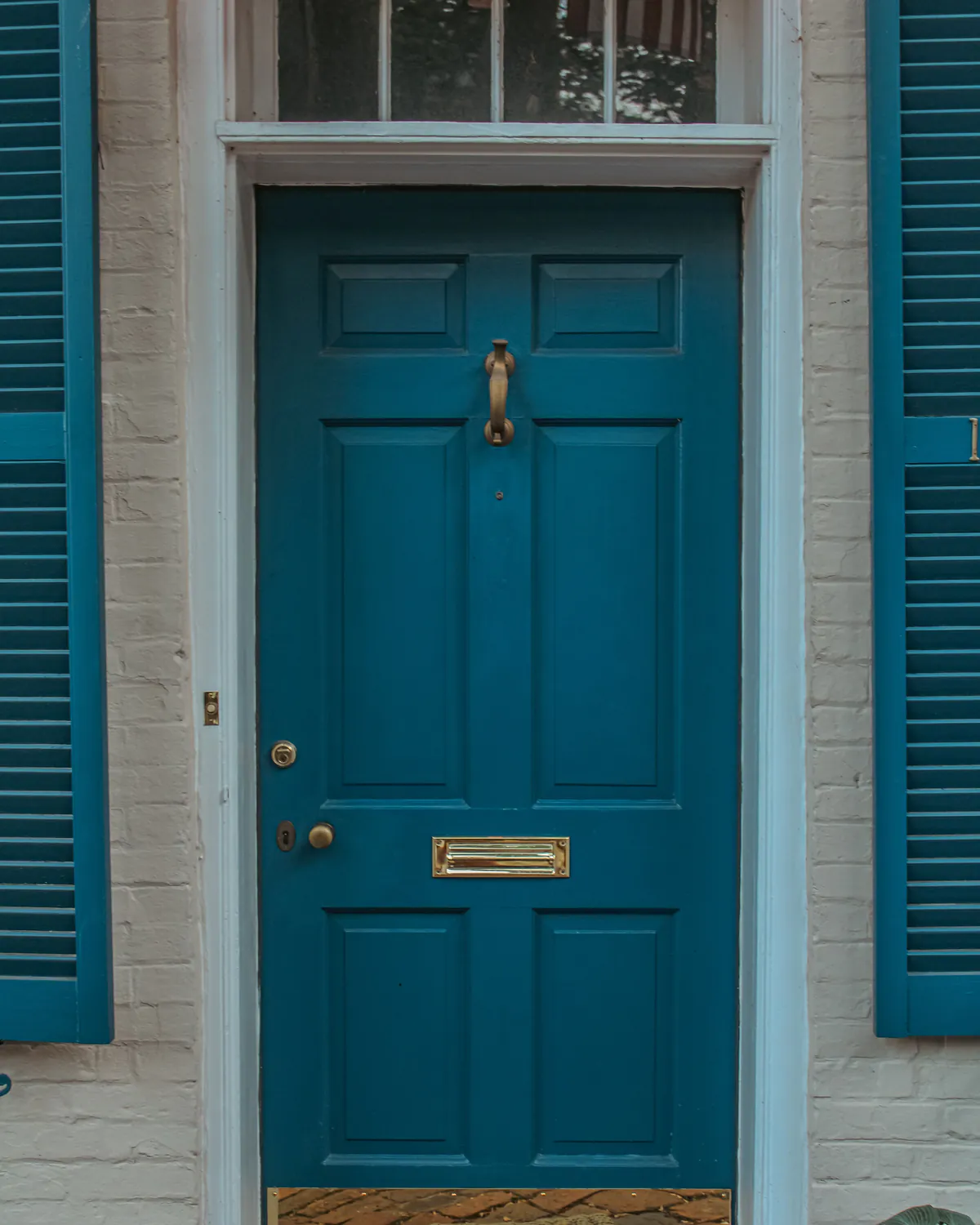
Cedar shingle, redwood lap siding, stucco and Hardie board each take paint differently, so we choose the primer and topcoat for the surface in front of us. On a front door or fine trim, that may be the Fine Paints of Europe Hollandlac line, which FPE trains and certifies contractors to apply.
Paint over rotted wood is money spent twice. If a sill, fascia or run of siding has gone soft, we repair or replace it first, as part of our exterior upgrades work.
03What’s Included
What goes into an exterior repaint.
-
Surface Preparation
We wash, scrape and sand off loose paint, and repair split or rotted wood. Bare wood dries, and we check it with a moisture meter before anything covers it.
-
Caulking & Sealing
Water behind paint lifts it off the wood, so we seal the seams, nail holes and gaps around windows and pipes.
-
Premium Priming
Cedar and redwood bleed tannin through paint. Chalky old paint and bare stucco soak up a topcoat unevenly. We choose the primer for what we find, and it matters most under a gloss.
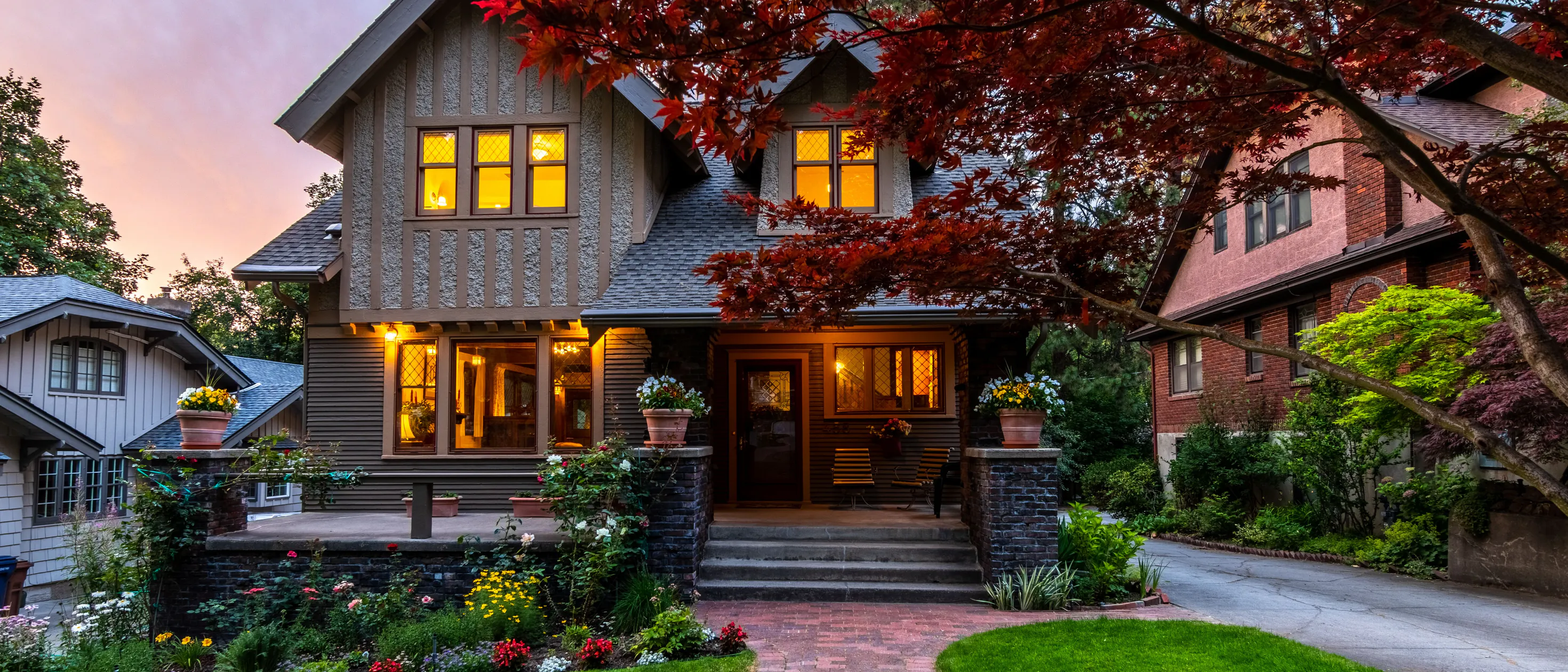
Multicoat Finish
Two finish coats at the least. Fine Paints of Europe Hollandlac may need more, depending on the wood and the sheen.
Architectural Trim & Detailing
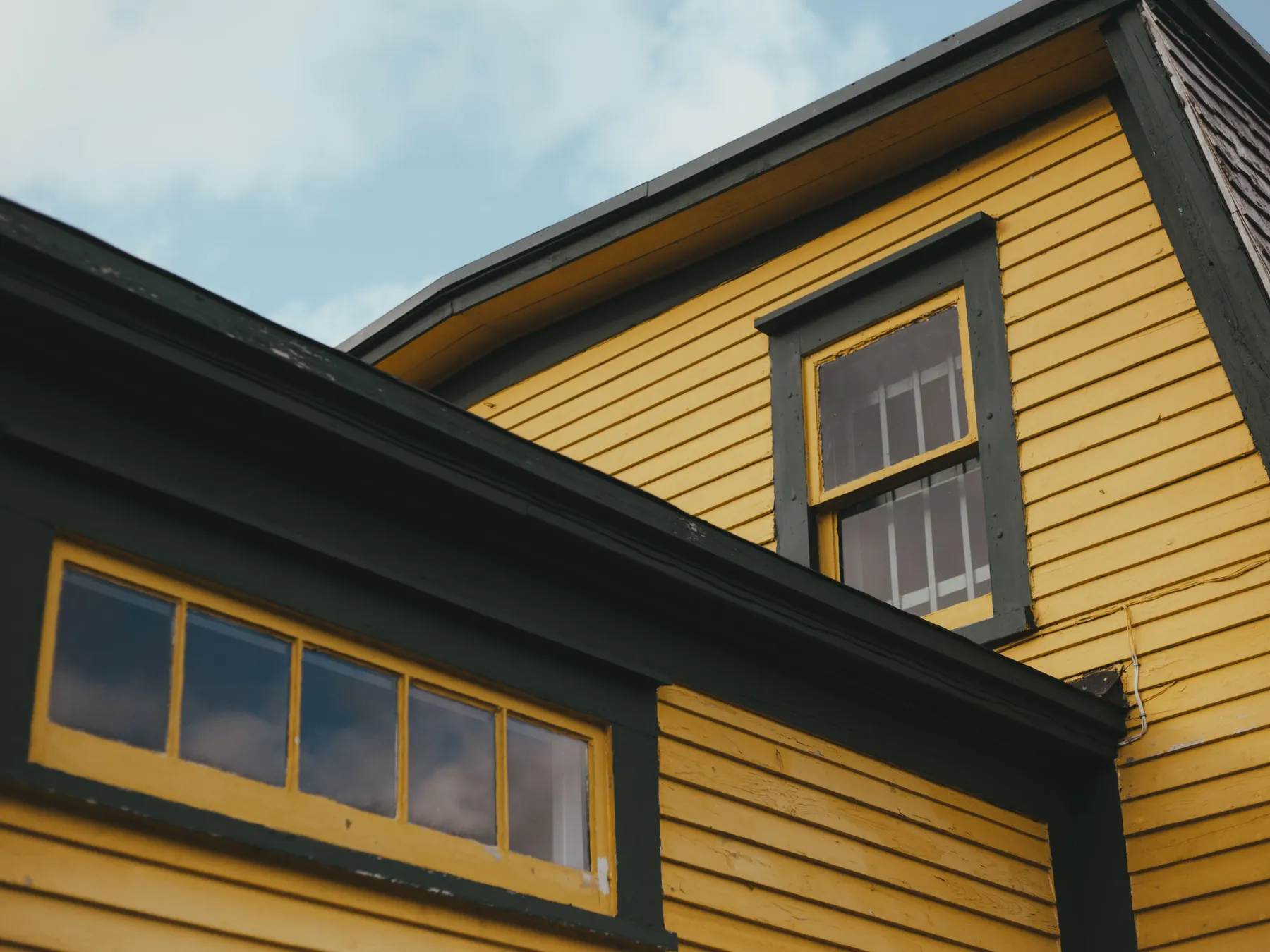
Window sash, fascia, trim and shutters. On an older house the trim takes longer than the walls, and on a heritage home we bring it to a fine finish.
Color Consultation
We paint test patches on the house and look at them in morning and afternoon sun before you choose.
04In Detail
Exteriors worth painting well.
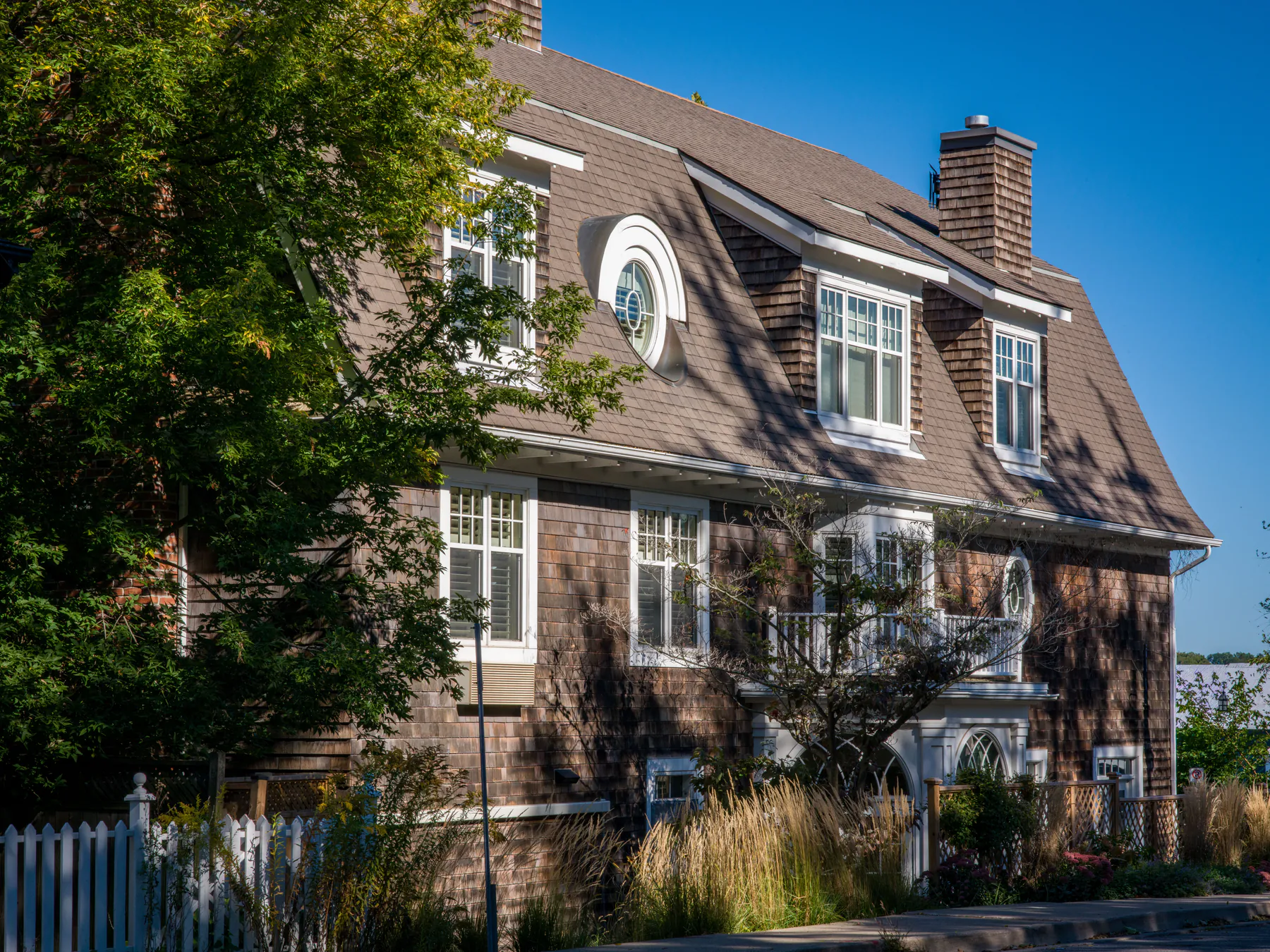
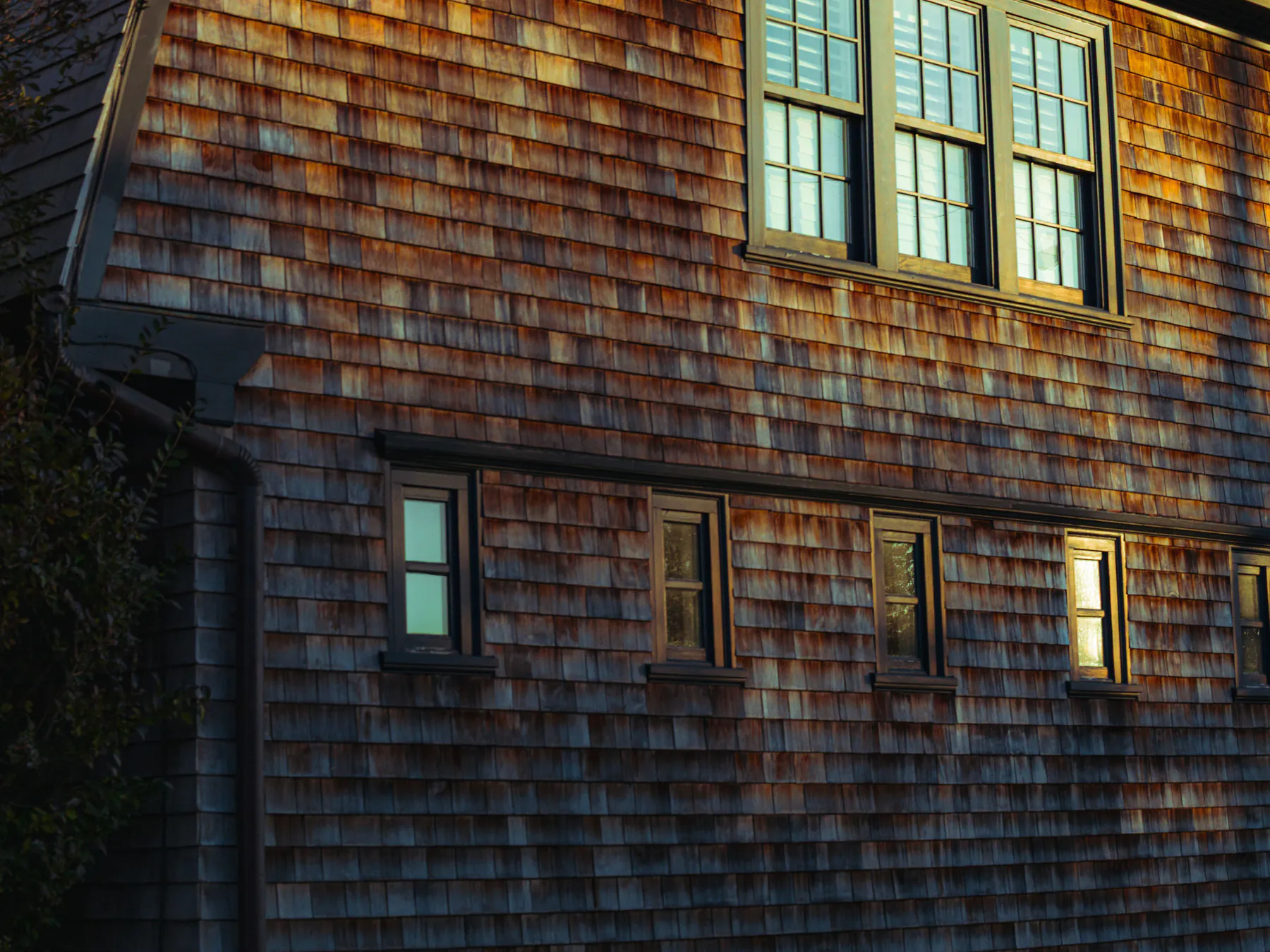
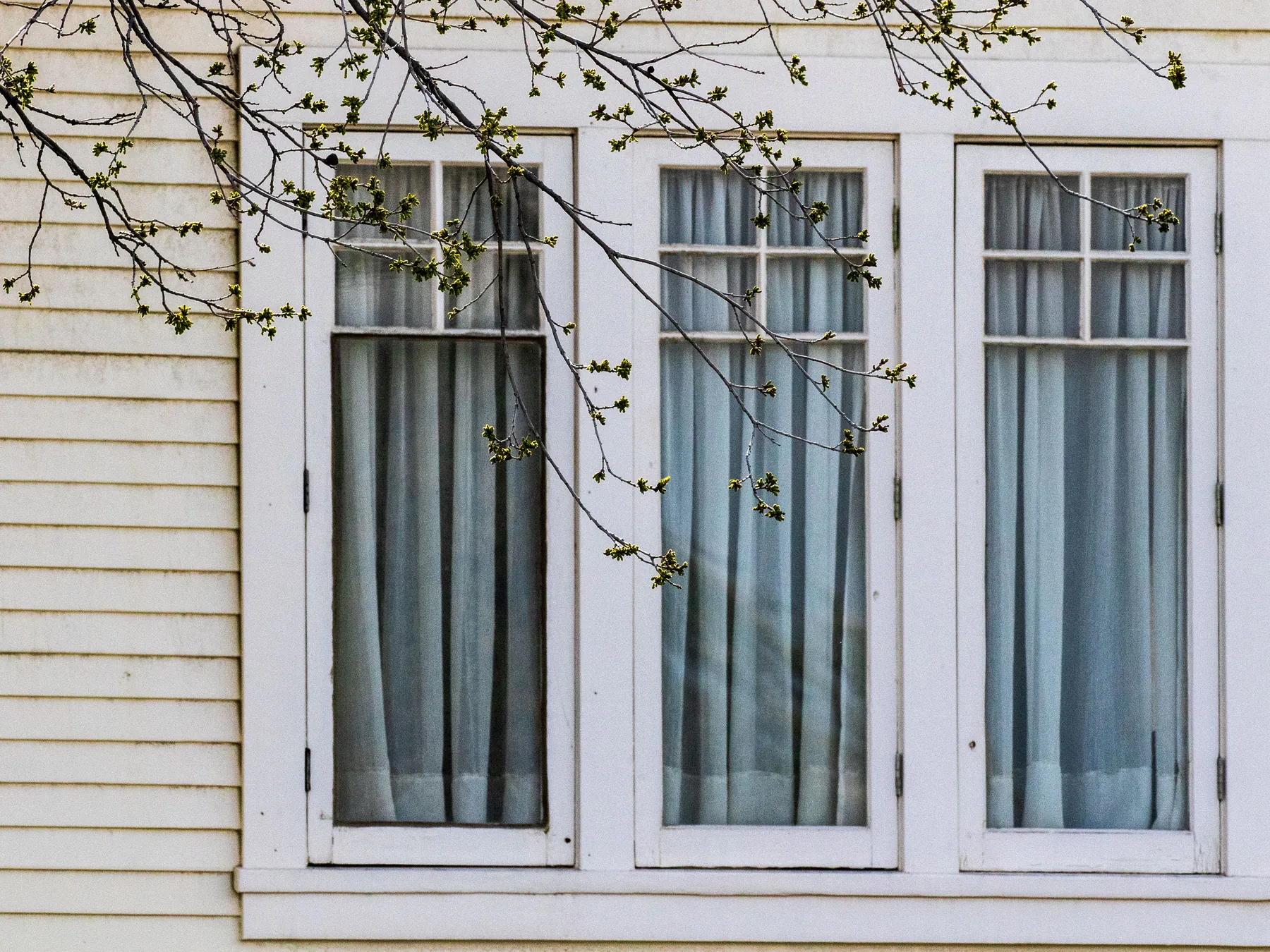
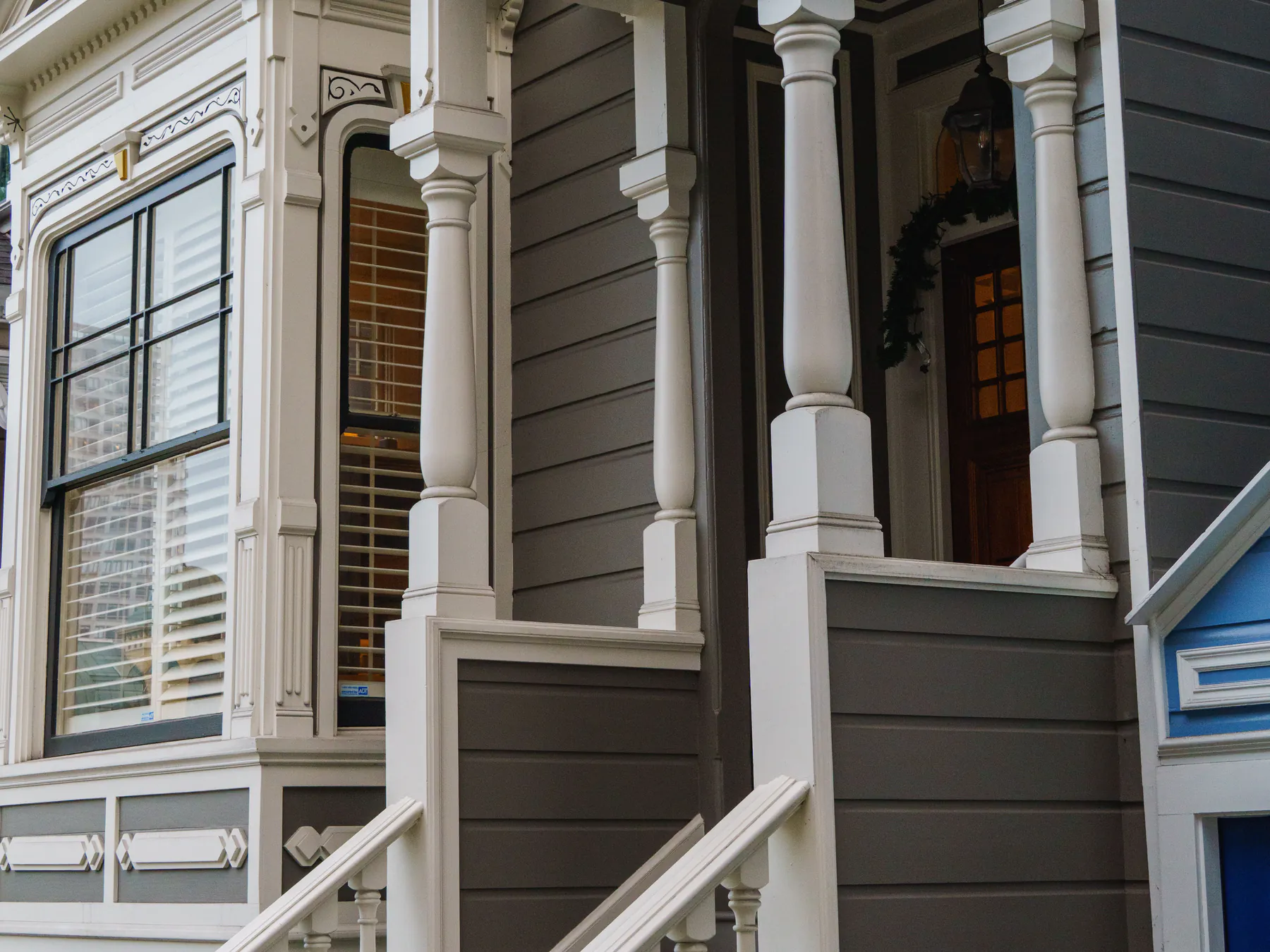
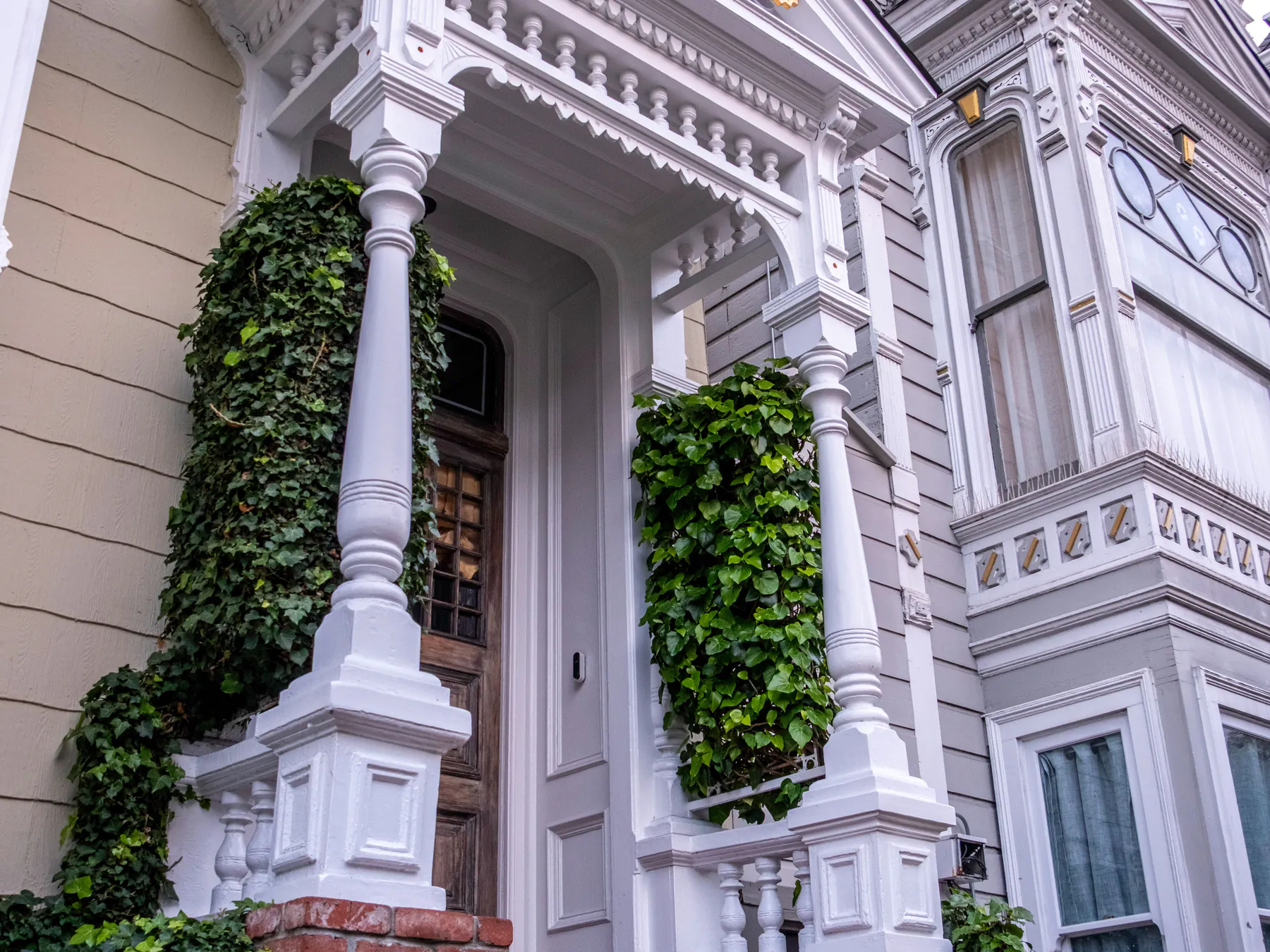
- Shingles and white trim
- Cedar in evening sun
- Cased windows on clapboard
- A Victorian porch
- Carved columns and a pediment
05Our Process
Where the time goes.
Most of a repaint happens before the first finish coat goes on.
- Of project time is preparation
- 70 to 80%
-
Inspection
We walk the house, note every repair, and screen for lead paint if the house was built before 1978.
-
Preparation
Washing, scraping, sanding and caulking, until the surface is sound.
-
Priming
A primer matched to each surface. The topcoat is no better than what it’s holding on to.
-
Painting
The finish coats, with clean lines where the siding meets the trim.
Start with a walk-through.
We’ll look at the house with you, then send a written proposal. There’s no obligation.