Settings
Focus mode
Focus keeps the section you are reading bright and greys out the rest of the page. Super focus adds a second, brighter spot on the part of the section you are reading. In either, ↓ and ↑ move to the next or previous section (or part, in Super focus).
How grey and dim Focus makes the sections outside the bright one. Moving it turns Focus on.
Color vision
For red-green color blindness: deutan (green-weak) is the most common kind, protan (red-weak) the next. Charts, highlights and warnings move to blues, oranges and purples that stay apart, with a cue beyond color. Photos never change. Applies to the blog and the service pages.
Your choices are saved in this browser, on this device.
See why we use Fine Paints of Europe
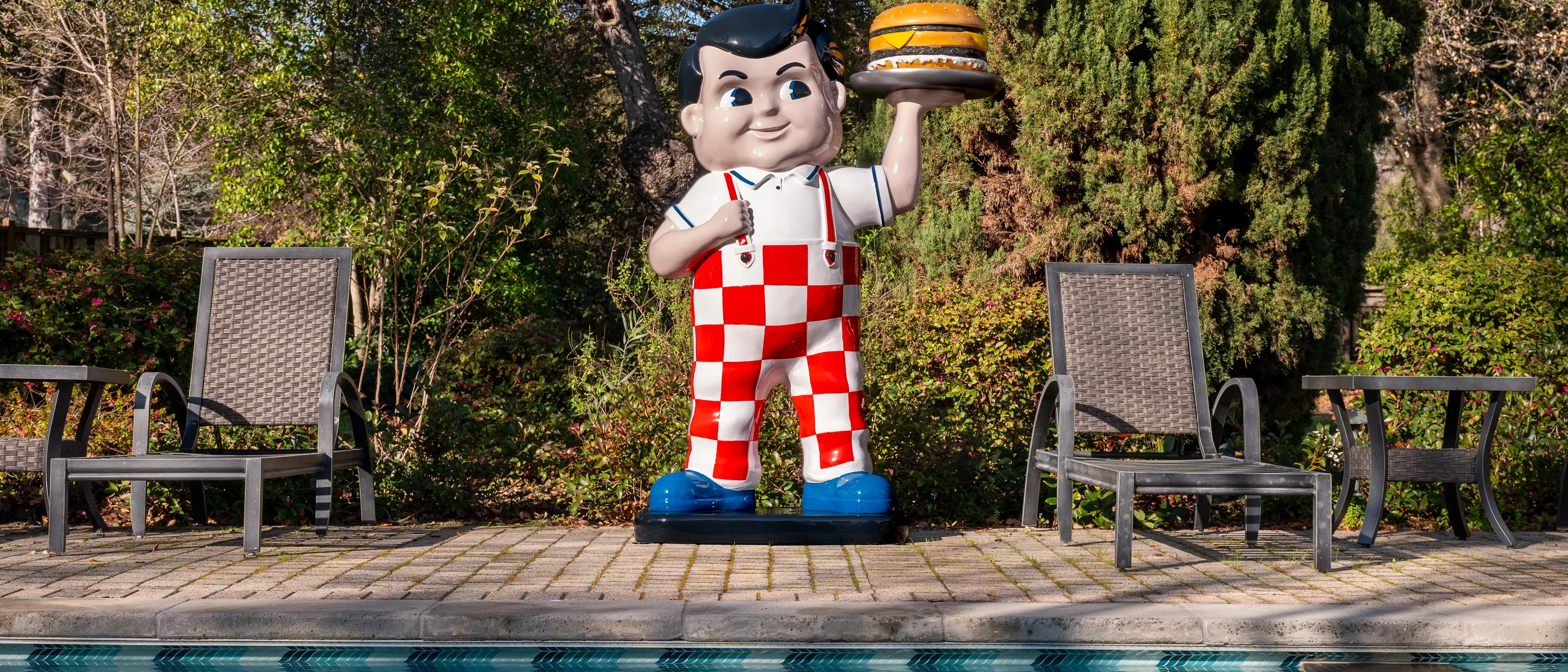
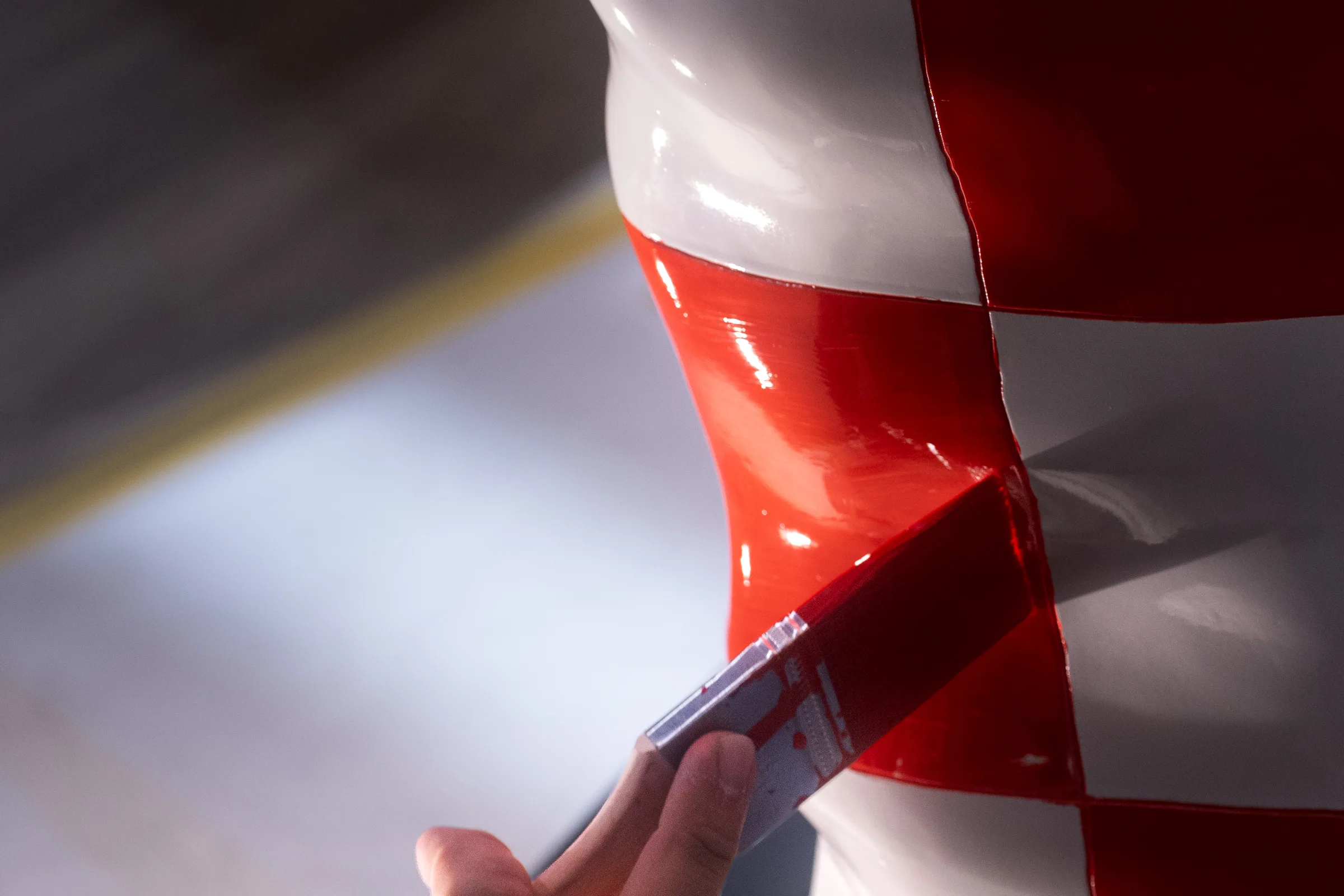
A well-known restaurant statue came to us weathered and faded. We brought it back to a mirror-like finish with Fine Paints of Europe.

01Imported from Holland
Fine Paints of Europe has brought Dutch enamels to America since 1987.
Dutch coatings, made to last.
FPE’s paint is made in the Netherlands, where the line is sold as Wijzonol. It uses fine pigments, oils and resins and leaves out the cheap fillers and extenders, which is where the depth of color comes from.
Labor is 90% of what a paint job costs. Paint that lasts far longer between repaints is the economical choice, even at a higher price by the gallon. These coatings take some skill to apply, and we’re certified to do it.
02The Difference
FPE vs. Domestic Paints
| Feature | Fine Paints of Europe | Typical US Brands |
|---|---|---|
| Fillers & Extenders | None | Common: no US performance standard |
| Enamel Lifespan | Looks Fresh 8 to 10 Years, per FPE | Shorter |
| Wall Paint Lifespan | 10 to 15 Years in an Active Home, per FPE | Shorter |
| Color Options | 10,000 FPE Colors · Unlimited Custom Matching | Brand Deck |
| Gloss Finish Quality | Brilliant 98 · Mirror-Like | Standard |
| Paint System | Matched FPE Primers Required | Mix & Match |
03How the Finish Is Built
A mirror finish, layer by layer.
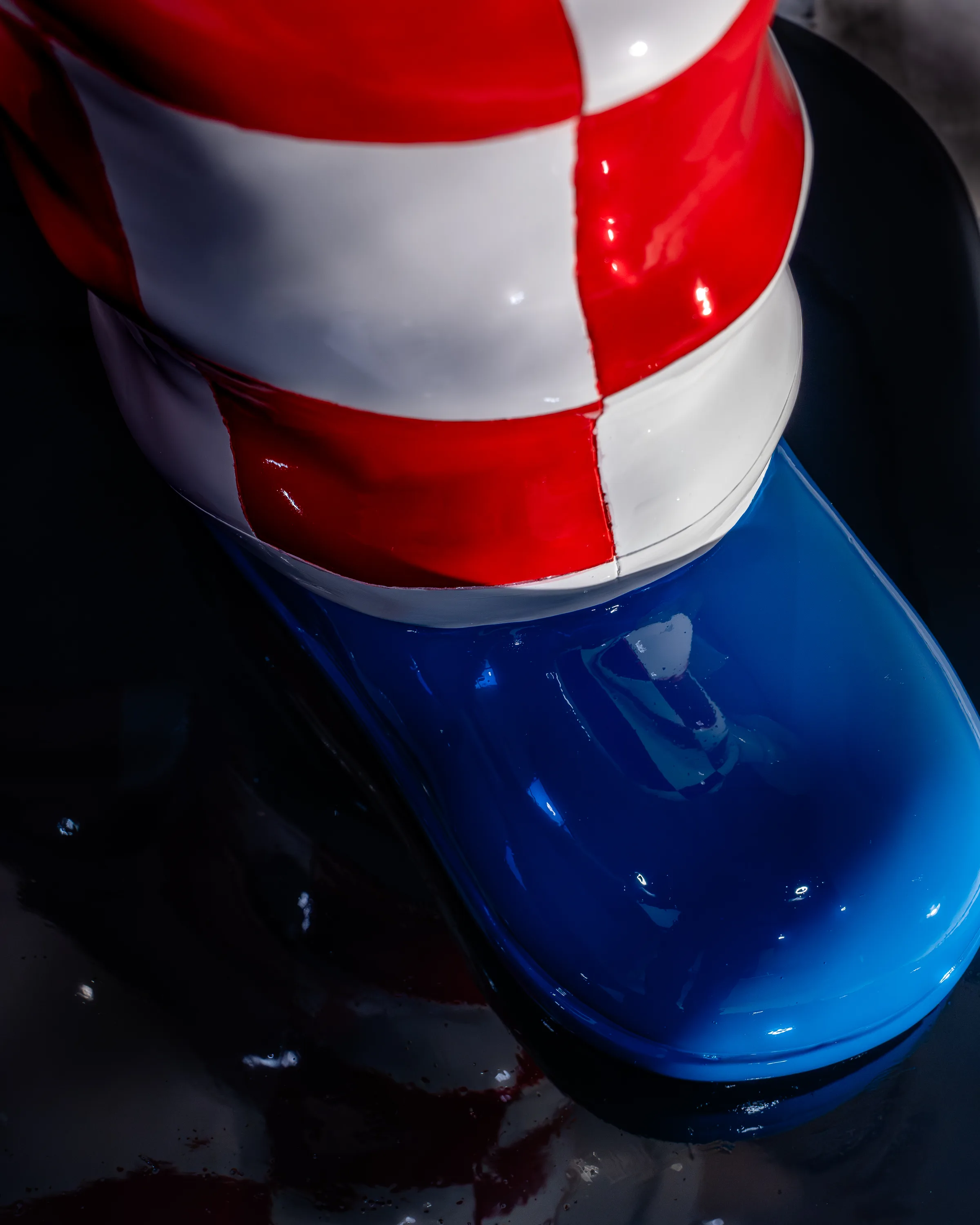
The gloss comes from a sanded primer and thin coats of Hollandlac, each one prepared for the next. Choose a number to see what happens at each layer.
Illustrative cutaway, not to scale
-
Washed with powdered detergent, dried, and sanded smooth on a backed block. Bare knots are spot-sealed with shellac first.
-
One coat of FPE Oil or ECO Primer, dried overnight, then sanded glass-smooth and wiped clean. Never a sealer such as Shellac, BIN or Kilz.
-
A thin, even coat, left to dry overnight, then lightly sanded with fine paper to give the final coat its tooth.
-
The last thin coat, never sanded. Brush marks level out on their own within about 15 minutes; exterior doors get a third coat on the outside face.
04Product Lines
The System Behind the Finish
- Bringing Dutch enamels to America since
- 1987
- FPE colors, plus unlimited custom matching
- 10,000
- Hollandlac Brilliant: the mirror-like gloss
- 98
- Days for Hollandlac to fully cure
- 14 to 21
-
Hollandlac Brilliant
Marine-Quality Oil Enamel. FPE’s best-known finish, a mirror-like high gloss for doors, trim, cabinets and specialty pieces.
-
ECO Waterborne
Low-VOC Urethane-Alkyd. It looks like an oil paint and cleans up with water. In Brilliant and Satin.
-
Eurolux Interior
Premium Acrylic Wall Paint. Odorless and fast-drying, and it scrubs like an enamel. In Flat, Matte and Satin.
-
Eurolux Housepaint
Exterior Acrylic. A classic satin finish for exterior wood and primed masonry. It stays flexible as the wood moves, and it washes clean with mild detergent and water.
05Applications
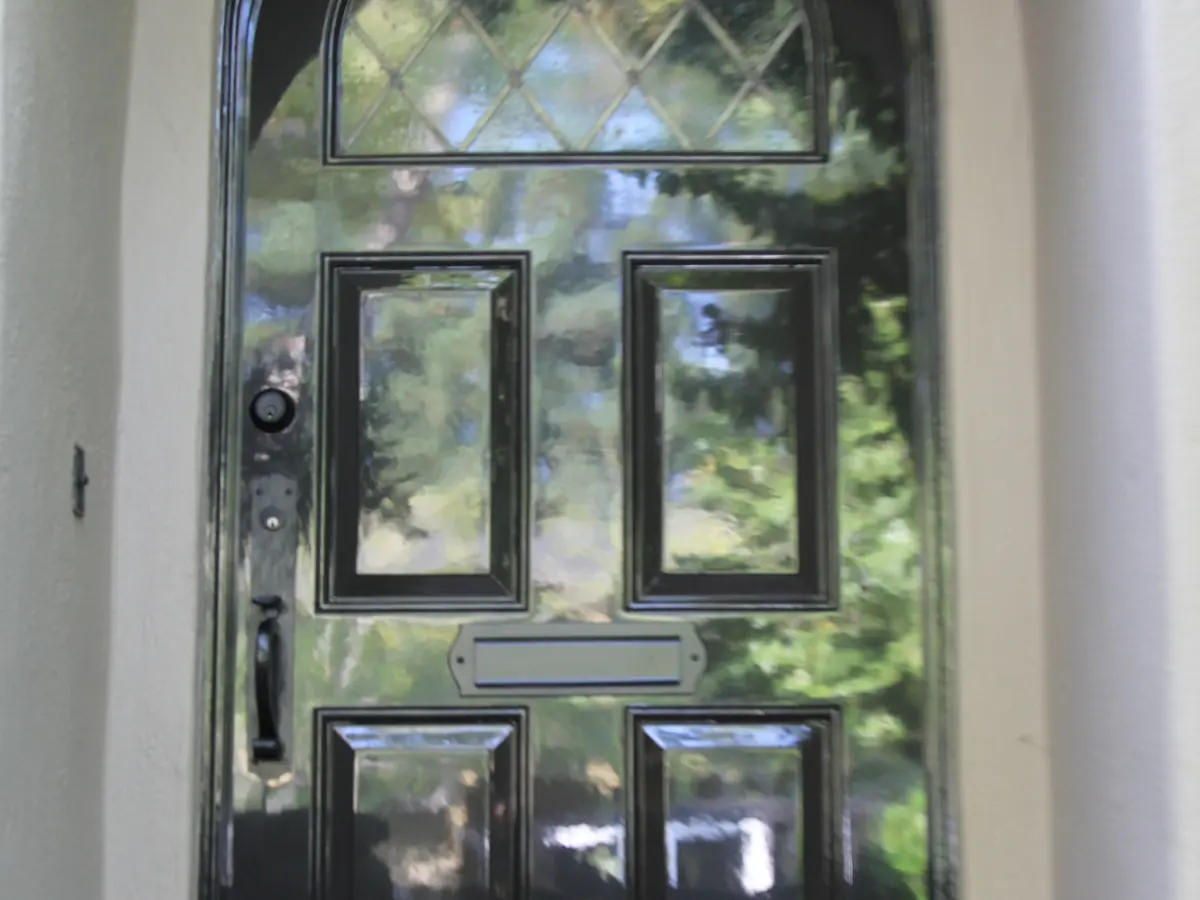
Where We Apply FPE
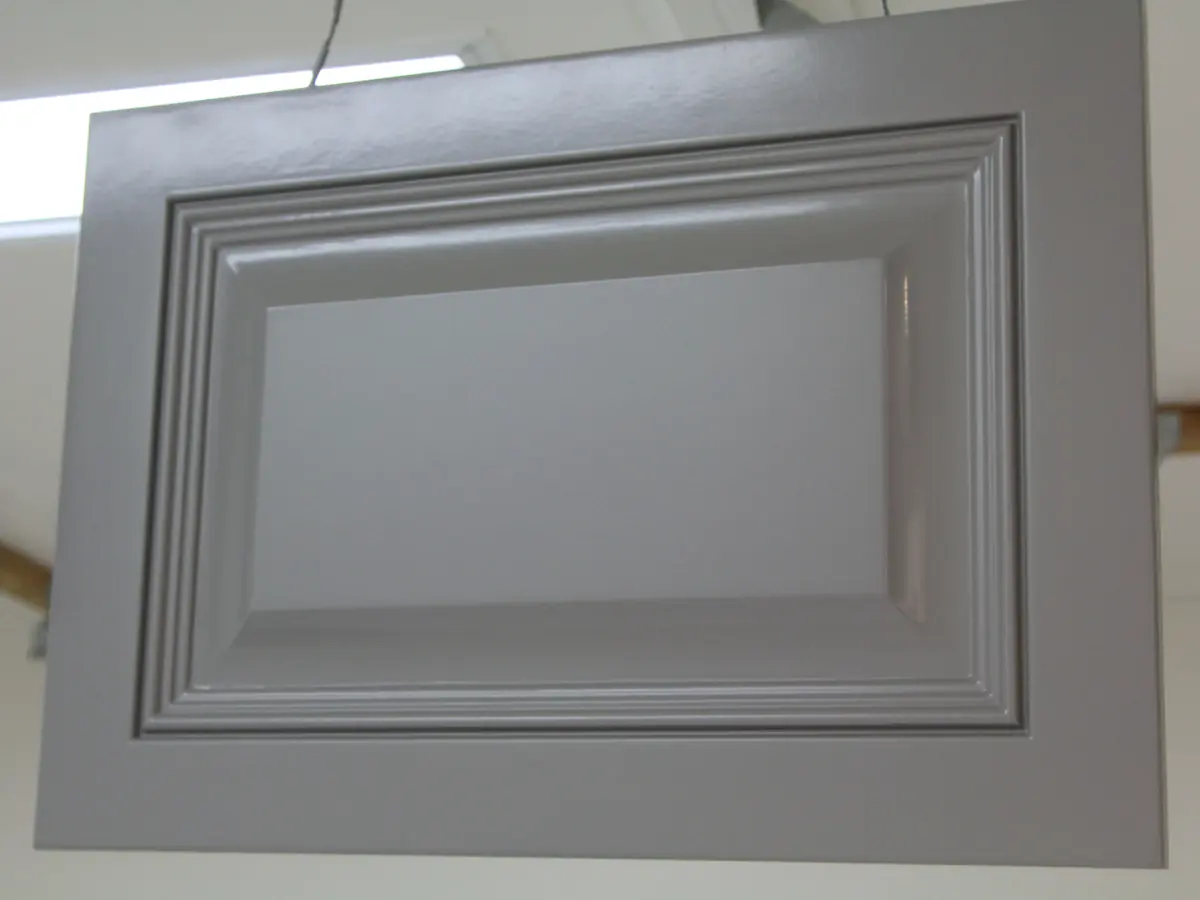
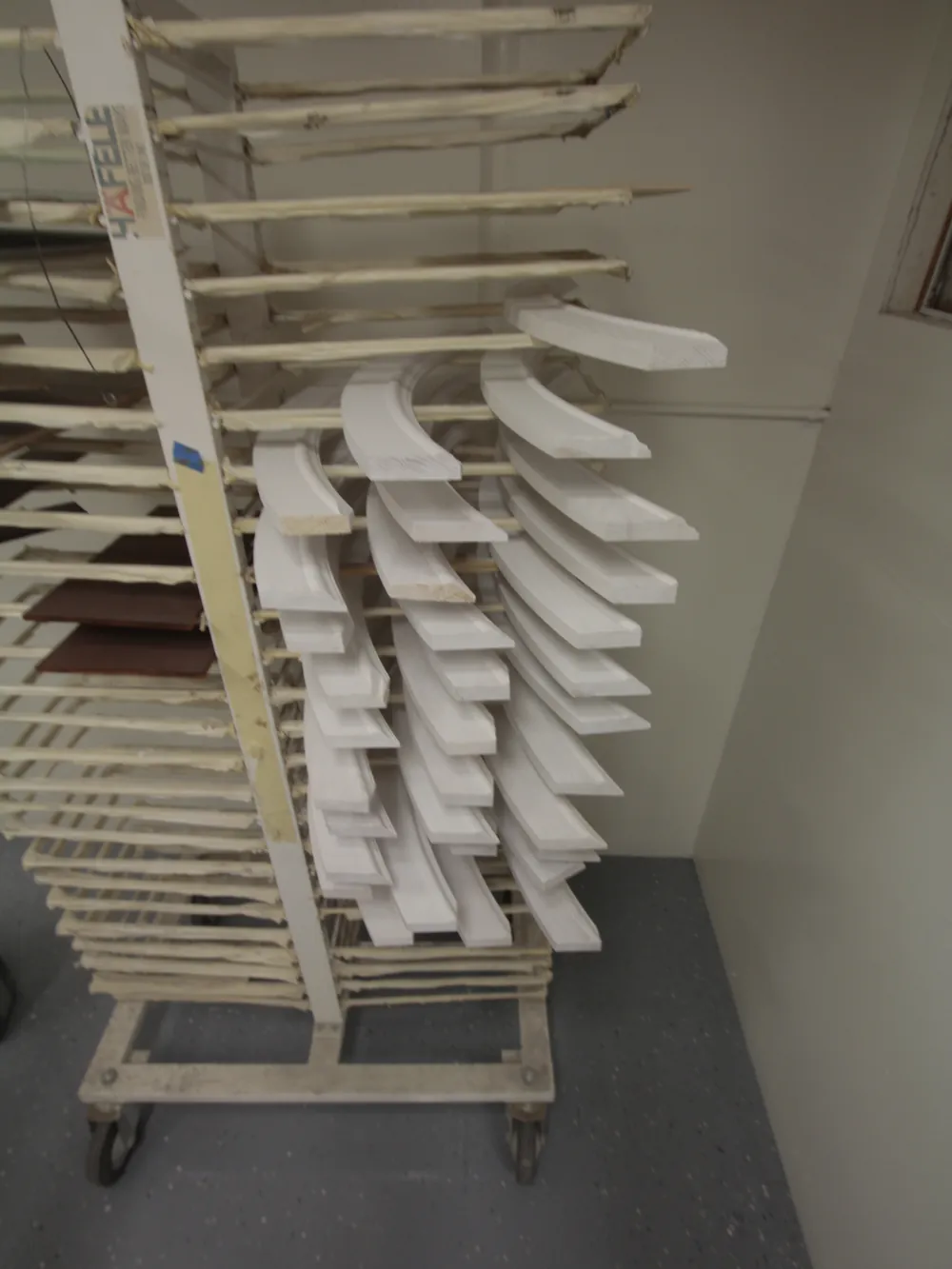


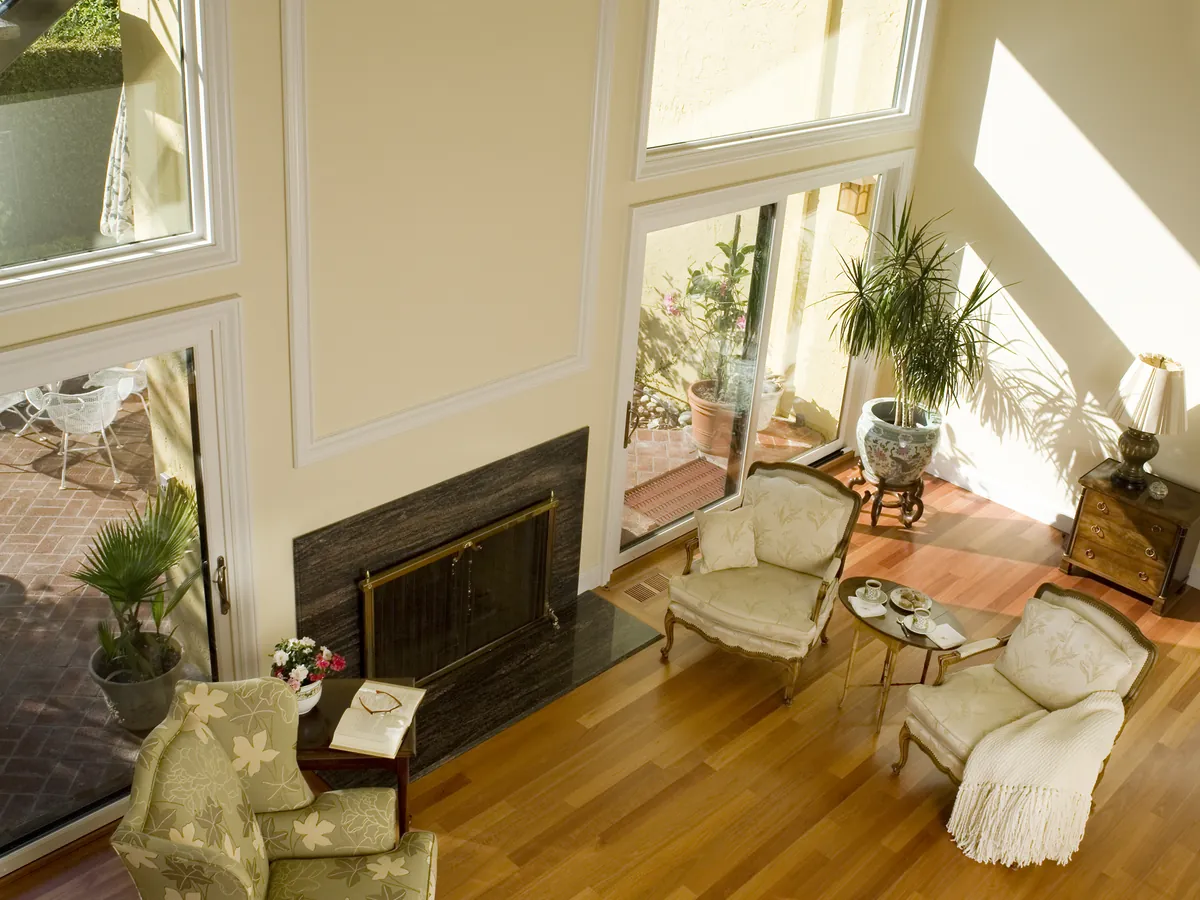
06Our Process
How We Apply It
FPE enamels are less forgiving than ordinary paint. Most of the care goes into the prep and the drying time.
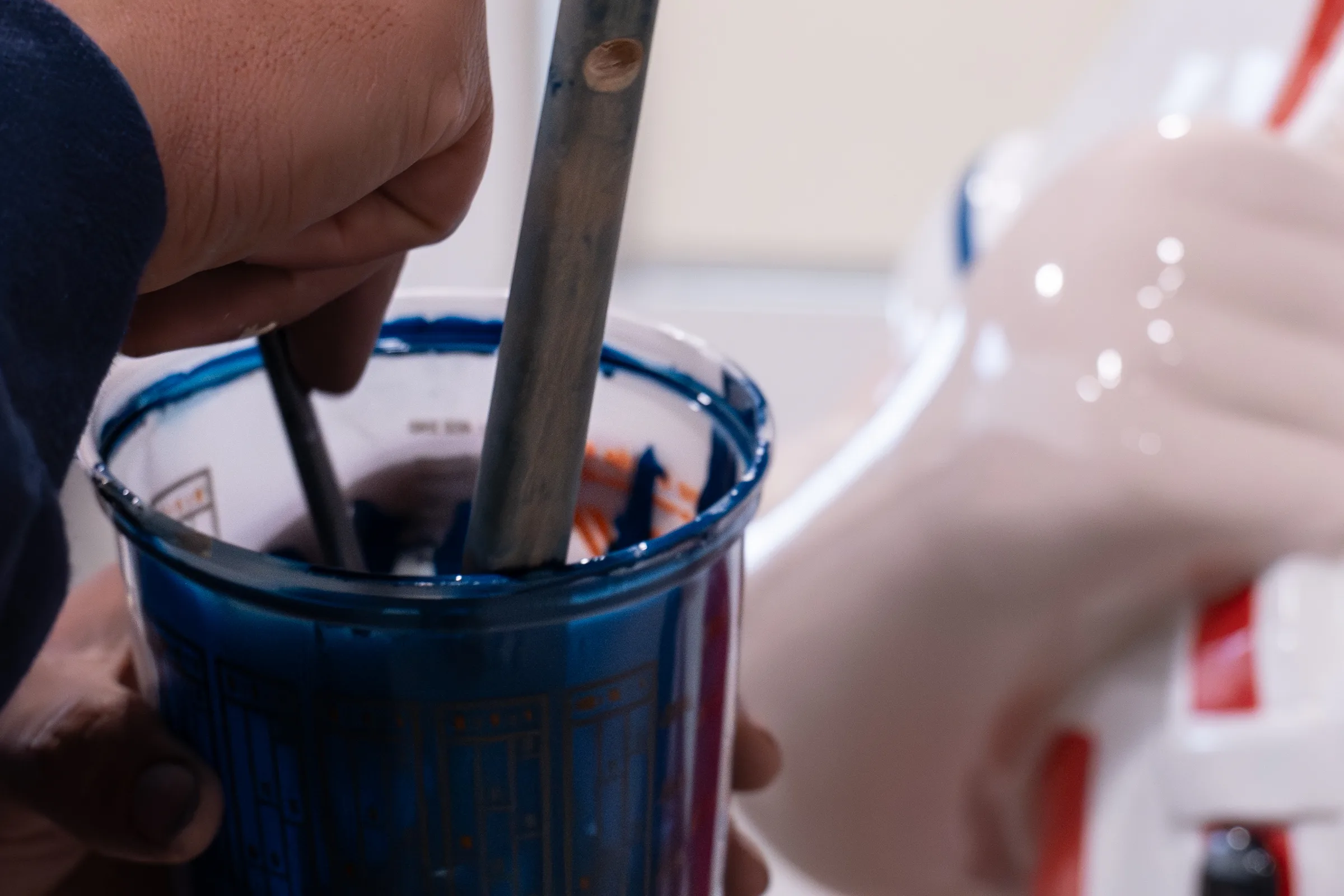


Step 1 of 4: System Selection
-
We pick the FPE system for the surface, whether it’s inside or out, and the sheen you want.
-
Prep with matched FPE primers, never over sealers like Shellac, BIN or Kilz.
-
Natural bristle brushes for oil enamels, thin even coats, and a light 220-grit sanding between coats in a dust-free space.
-
Full cure time (14 to 21 days for Hollandlac) before surfaces are put into heavy service.
07From Wet to Cured
Why we give Hollandlac its time.
An oil enamel hardens slowly, and rushing it is how a perfect coat gets dented or printed. These are the maker’s own times for Hollandlac Brilliant. Choose a number to see what each stage means.
Times from the Hollandlac Brilliant 98 data sheet; spacing not to scale
-
The enamel flows out its own brush marks, so each coat is laid on thin and then left alone.
-
Until then the piece stays in a still, clean space, which is why doors are finished away from foot traffic.
-
Lightly sanded and wiped clean, then the next thin coat goes on. Rushing this step traps a soft layer underneath.
-
The finish reaches its final hardness. Until then it is handled gently and kept out of heavy use.
Have a door or a room in mind?
Tell us what you want finished, and we’ll tell you which FPE system we’d use.