
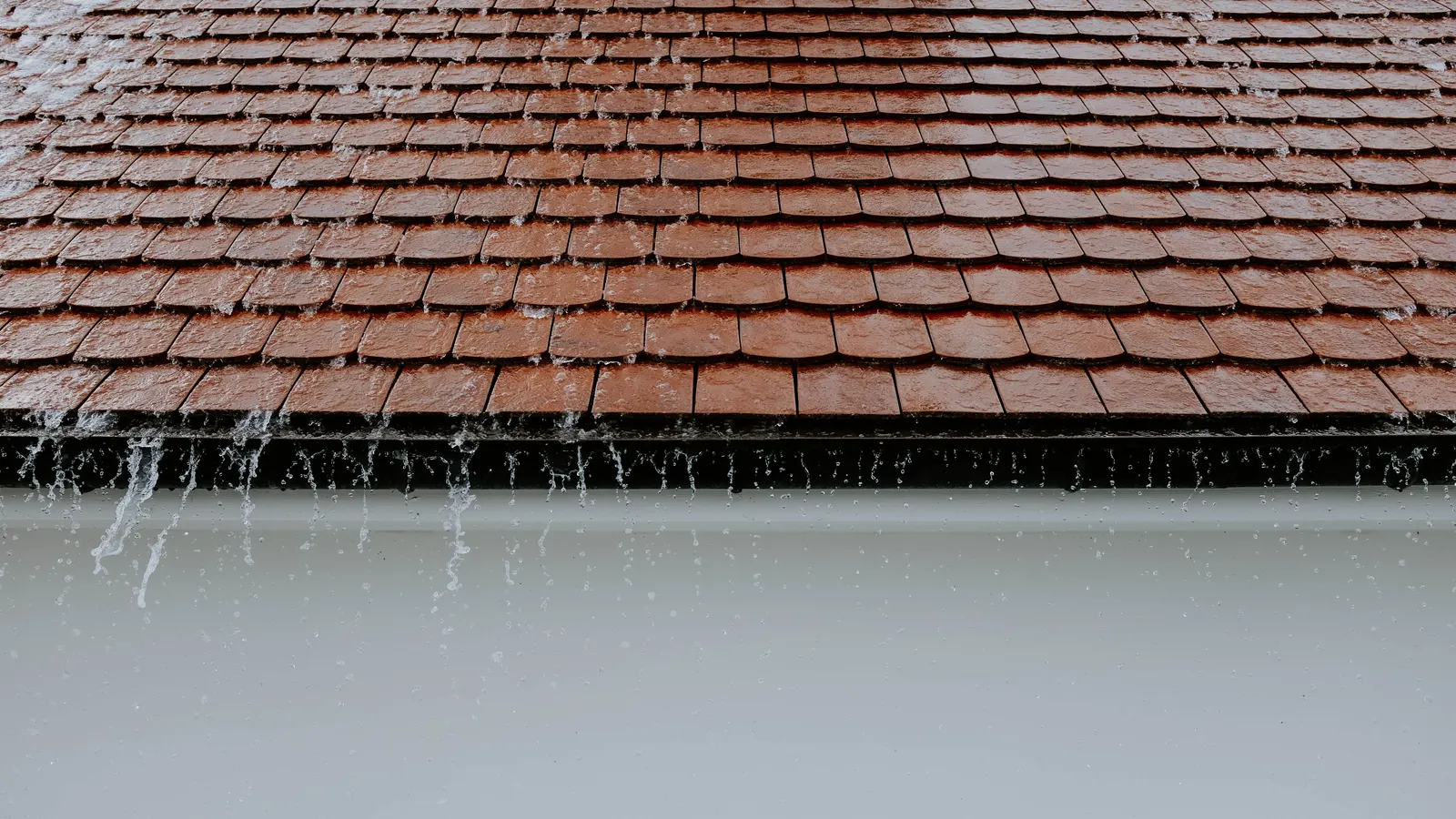
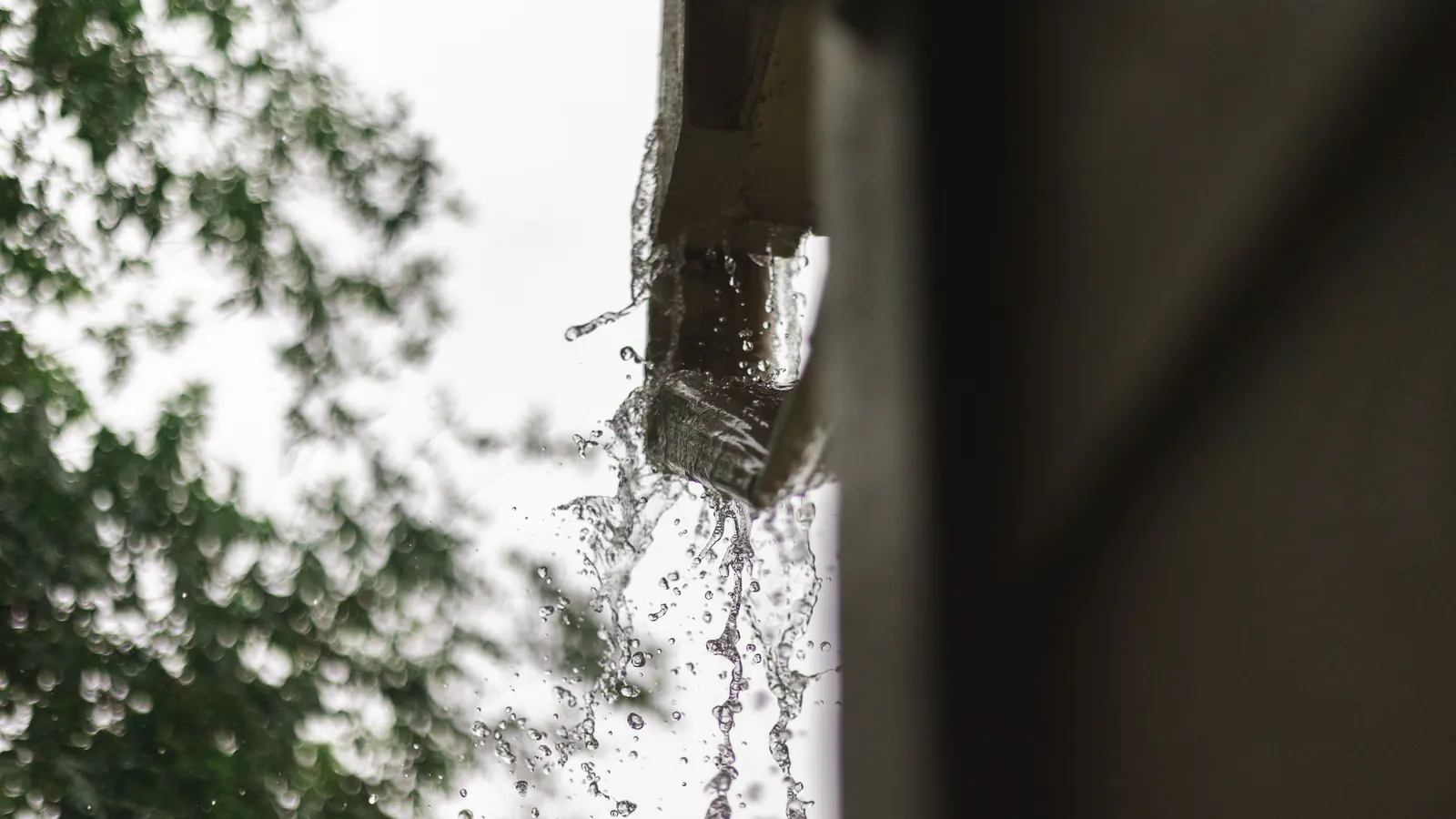
In a normal winter, a typical 40 by 60 foot roof in Palo Alto sheds about 22,000 gallons of rain. If this winter behaves like the three biggest El Niños on record, that same roof could see about 38,000 gallons.
Every one of those gallons crosses your shingles, flashing and valleys on the way to the gutter. Every crack gets tested.
Here’s the short version. Clear off leaves, treat moss gently, and replace cracked shingles or tiles instead of covering them with sealant. Do it on a dry day before the rain settles in.
The full comparison and roof replacement data are at the end of this article.
What we’ve been finding on local roofs
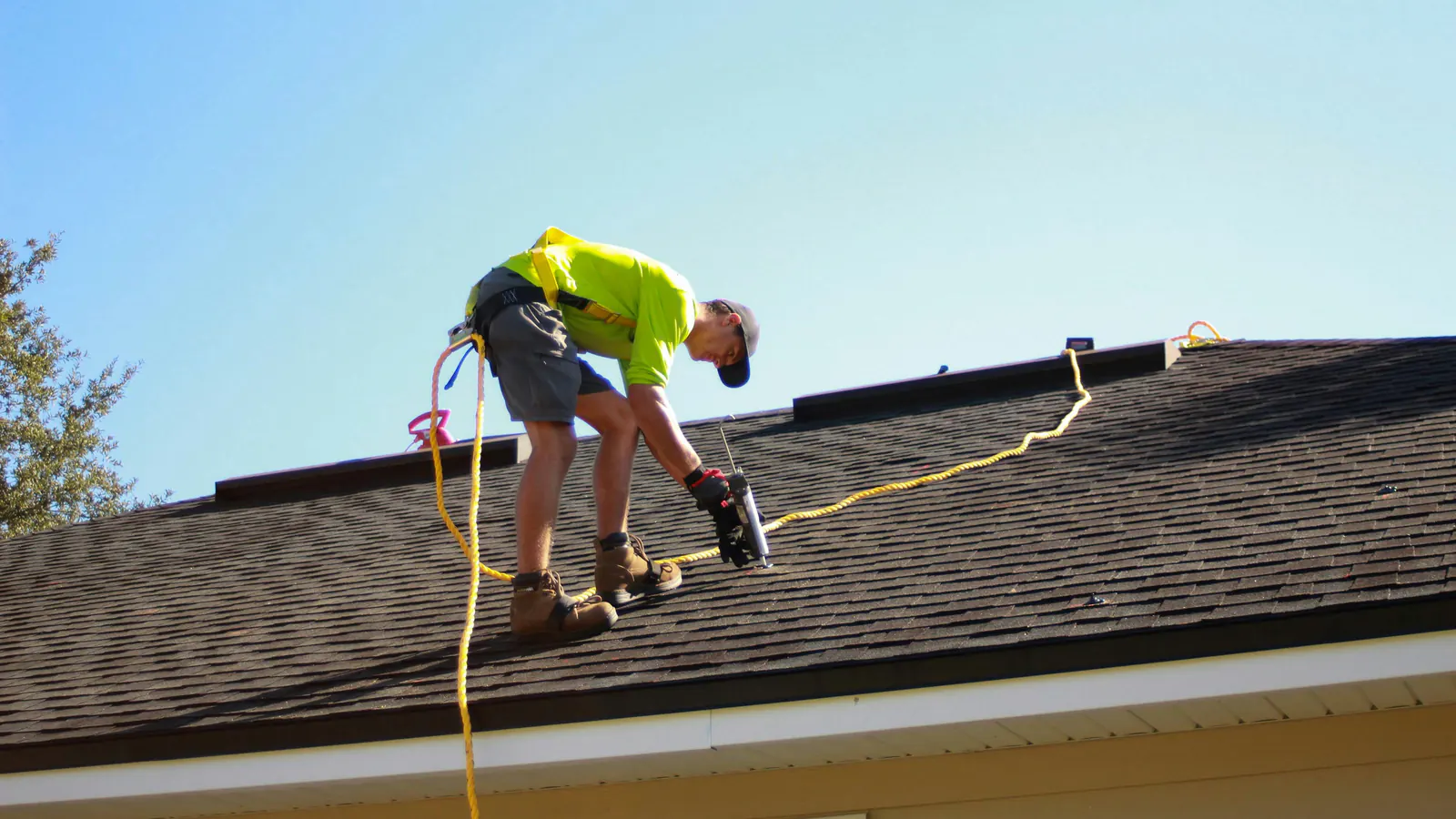
On recent visits to clear leaves and check gutters, the same problems kept showing up:
- Cracked ridge shingles, split right along the fold at the top of the roof
- Old sealant patches over cracks, dried out and crazed
- Exposed nails, which let water follow the nail straight into the wood below
- Gutters packed with leaves and holding standing water
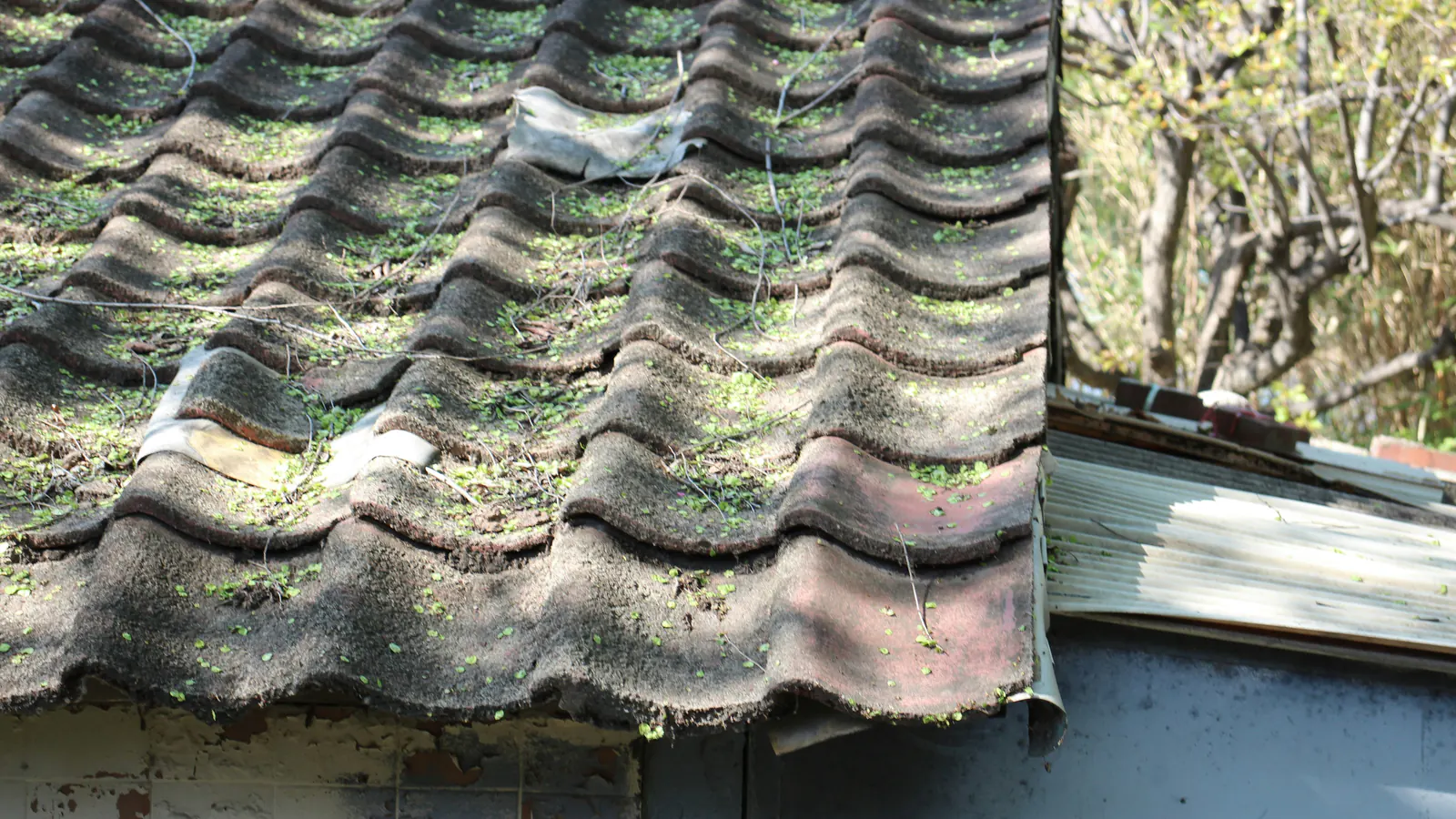
- A clay tile roof buried in oak leaves, with moss, a cracked tile and an open joint
- Thick moss on aging shingles under a big oak, running down a valley next to a skylight
How moss and leaves trap water
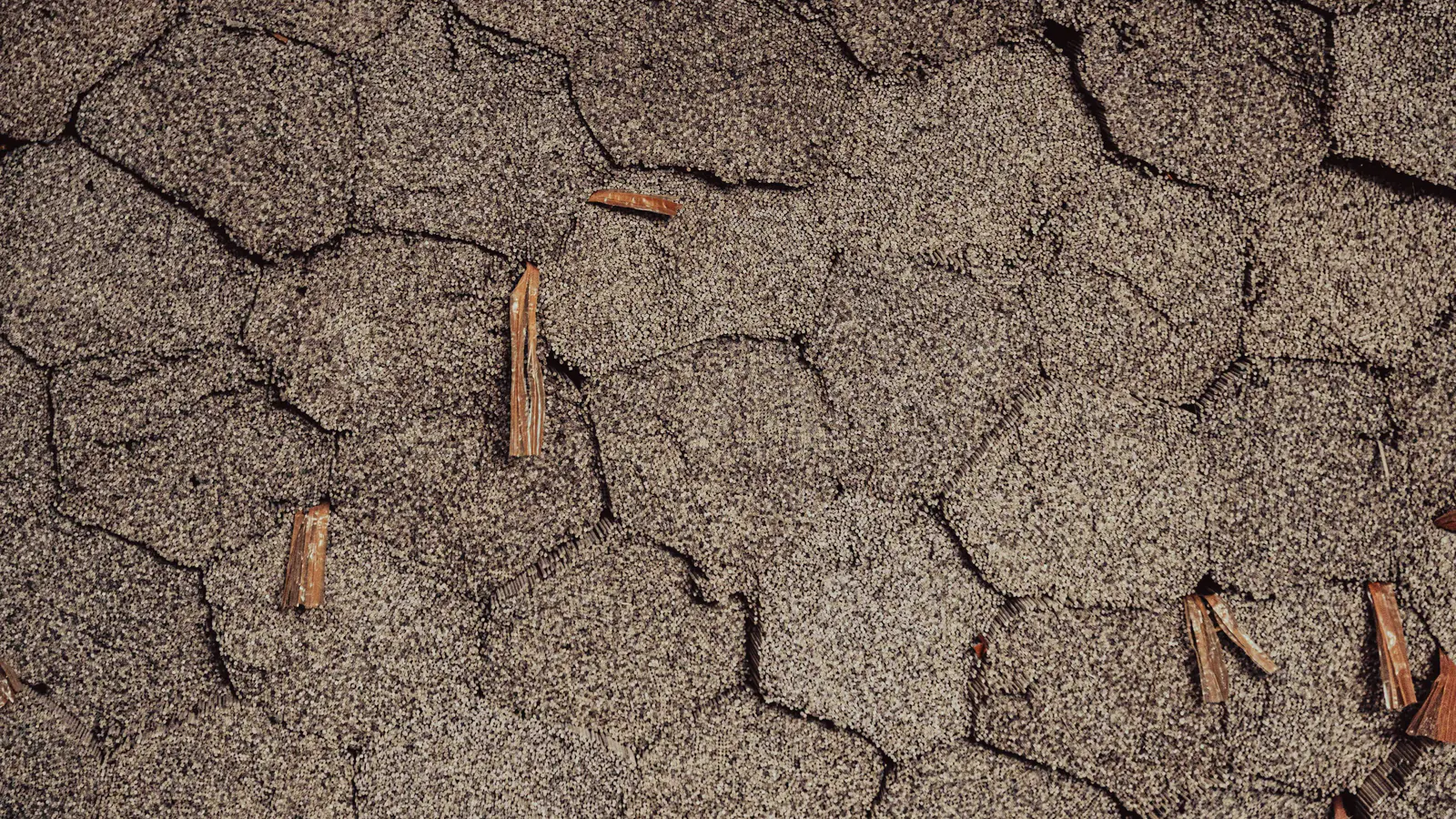
Moss acts like a sponge. It holds rain against your roof long after the sky clears. On shingle roofs, it grows along the bottom edges and slowly lifts them, which gives wind driven rain a way underneath.
Leaves make it worse. On tile roofs, they clog the channels water uses to reach the gutter, so water slows down, spreads sideways and sits. Damp leaves also feed more moss. With Palo Alto’s heavy oak canopy, this is one of the most common things we see.

How cracks let water in
A crack in a shingle or in the metal flashing around chimneys, vents and skylights lets water past the surface and into the layers below.
Quick sealant patches rarely last. Your roof heats up and cools down every day, so the patch dries out, shrinks and cracks, and water finds the same opening again.
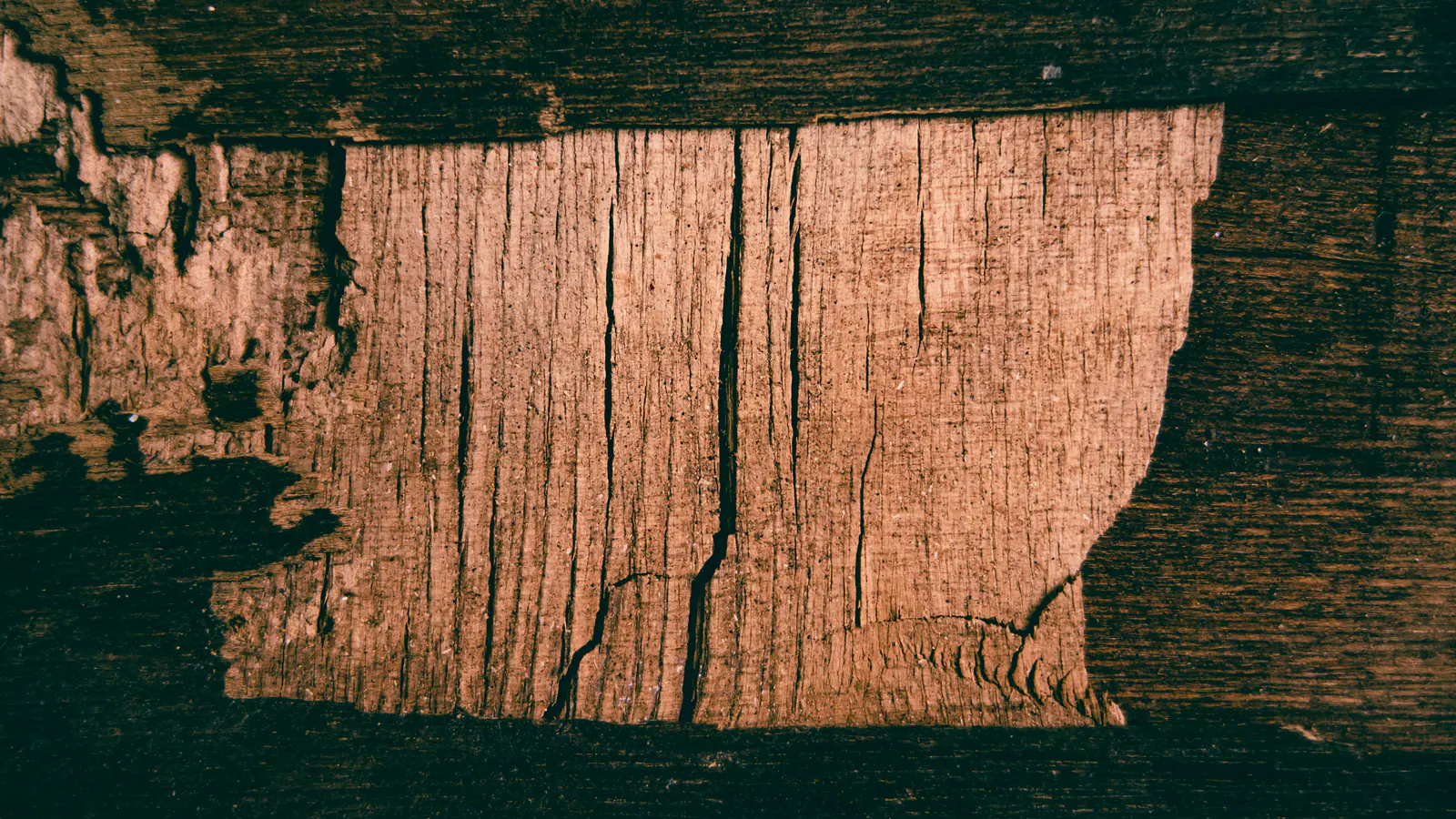
On one roof replacement, we found the plywood under the old shingles stained and peeling in patches. You can’t see that damage until the shingles come off, which is why catching small openings early matters so much.

What a proper repair looks like
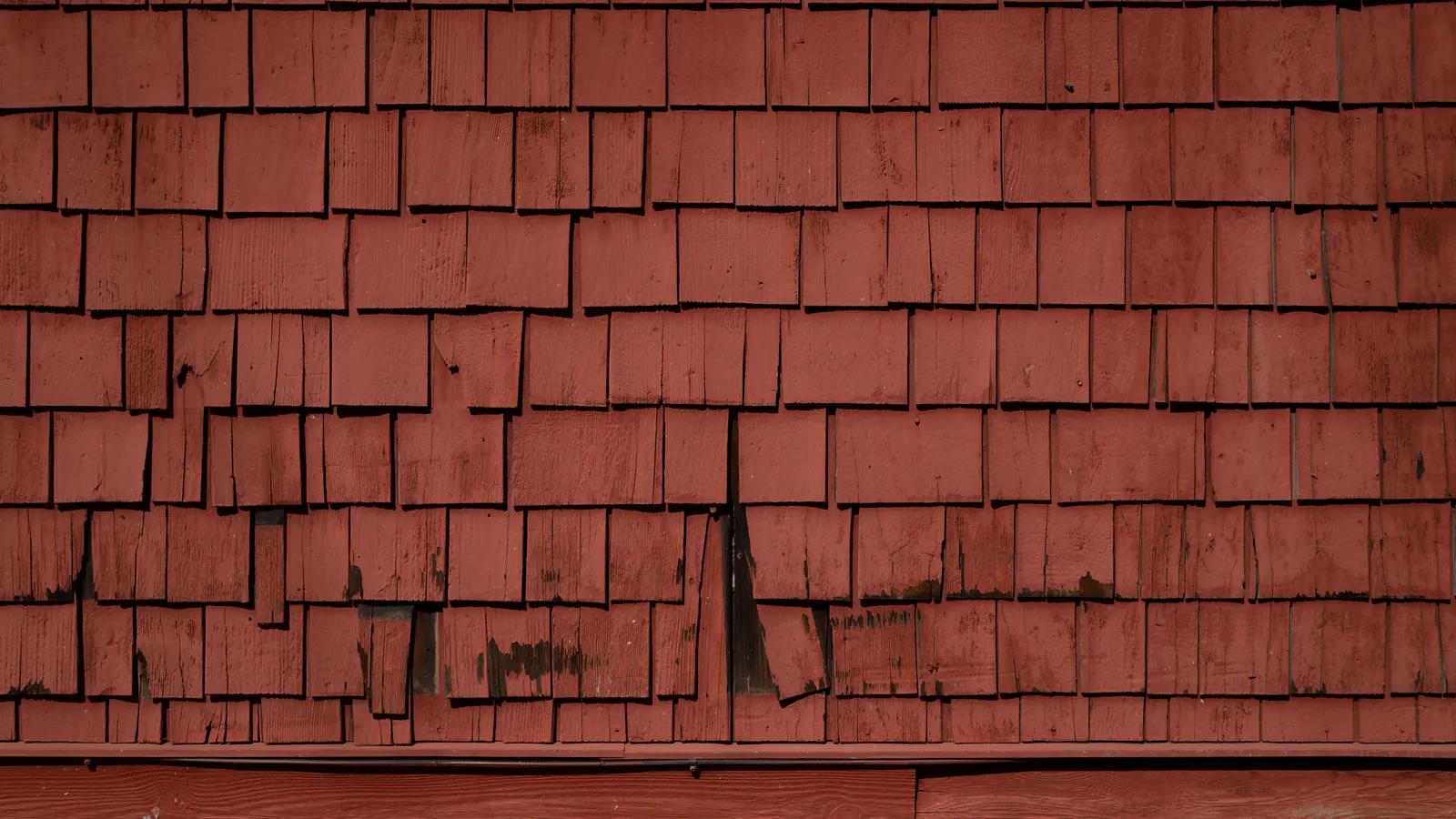
- Cracked shingles are replaced with matching ones and installed the way the manufacturer intends.
- Exposed nails are pulled or reset and the holes are covered.
- Cracked clay tiles are replaced, and loose tiles are reset so they overlap and shed water.
- Rusty or gapped flashing is resealed or replaced.
- Soft or damaged wood underneath is replaced before new roofing goes on.

Treating moss the safe way
- Skip the pressure washer. It strips the protective granules off shingles, forces water underneath and can crack tiles.
- Stay off a wet roof. Moss, wet leaves and damp tile are dangerously slippery.
- Clear leaves first from valleys, tile channels and gutters so the roof can dry between storms.
- Use a moss treatment made for roofs, following the label. Give it time to work, then brush the dead moss off gently or let the rain wash it away.
- Trim back overhanging branches where you can, so sun and air can reach the roof.
Removing moss helps your roof dry out, though it won’t close a crack. If cleaning reveals damaged shingles or tiles, they still need repair.
Who handles what
We manage the whole job, start to finish. Our own crews make roof repairs: lifted or missing shingles, flashing and small leaks. We clear debris off the roof and out of the gutters, treat moss, and repair the places roof water tends to damage: rotted trim, peeling eaves and stained siding. If we spot damage that needs a re-roof or anything structural while we’re up there, we’ll photograph it and bring in a licensed roofer we work with regularly.
Before the next storm, from the ground
Stay off the roof. Everything on this list can be done from the yard, the sidewalk or an upstairs window, with a pair of binoculars.
- Look on the ground under each downspout for dark, coarse sand. Those are shingle granules. A steady supply of them after storms means the shingles are wearing out.
- Find the plumbing vent pipes that stick up through the roof. The rubber collar around each one cracks in the sun with age, and a split collar sends water straight down the pipe into the house.
- Look along the shingle edges for tabs that curl, lift or are missing. On a tile roof, look for slipped or broken tiles and gaps in the rows.
- Look at the metal around the chimney and skylights for rust, gaps and old smears of roofing tar. A thick tar patch at a flashing is a repair somebody hoped would last.
- Black streaks running down the slope are algae, and mostly cosmetic. Green, raised clumps are moss, and they do the damage described above.
- Inside, check the ceiling under each vent pipe, skylight and chimney. From the attic hatch, shine a flashlight around for stained wood or damp insulation.
Our crew repairs what you find on the roof, and the trim, eaves and siding the water damaged below it. A re-roof or anything structural goes to a licensed roofer we bring in. A cracked vent collar is a small repair. Left for a wet winter, it can mean a ceiling, the insulation above it and the roof deck around the pipe.
Is moss on my roof actually a problem?
It can be. Moss holds water against your roof and can slowly lift shingle edges.
Can I just put sealant on a cracked shingle?
It can buy you a little time. Sealant tends to dry out and crack within a season or two. Replacing the shingle is the reliable fix.
When should I deal with roof moss?
Before the heavy rain starts, on a dry day. That gives the treatment time to work and lets us see any cracks the moss was hiding.
Want a second set of eyes on your roof? Request an estimate or call (650) 961-7415.
The data behind this article
For readers who want the numbers.
| Winter | Rain on the roof (gallons, about) | Projected expected (gallons, about) |
|---|---|---|
| Normal winter | 22,000 | |
| This winter, our estimate | Not yet measured | 38,000 |
| The 1998 El Niño | 46,000 |
A couple of other numbers stood out to us. The Insurance Institute for Business & Home Safety (IBHS) found that if shingles blow off and the wood deck underneath is exposed, up to nine bathtubs of water can get in for every inch of rain. A roof built with a sealed deck can cut that by up to 95%. If your roof is due for replacement, it’s worth asking about.
Sources (2)
- USGS usgs.gov (https://www.usgs.gov/water-science-school/science/rain-and-precipitation) Back
- Insurance Institute for Business & Home Safety (IBHS) fortifiedhome.org (https://fortifiedhome.org/roof/) Back