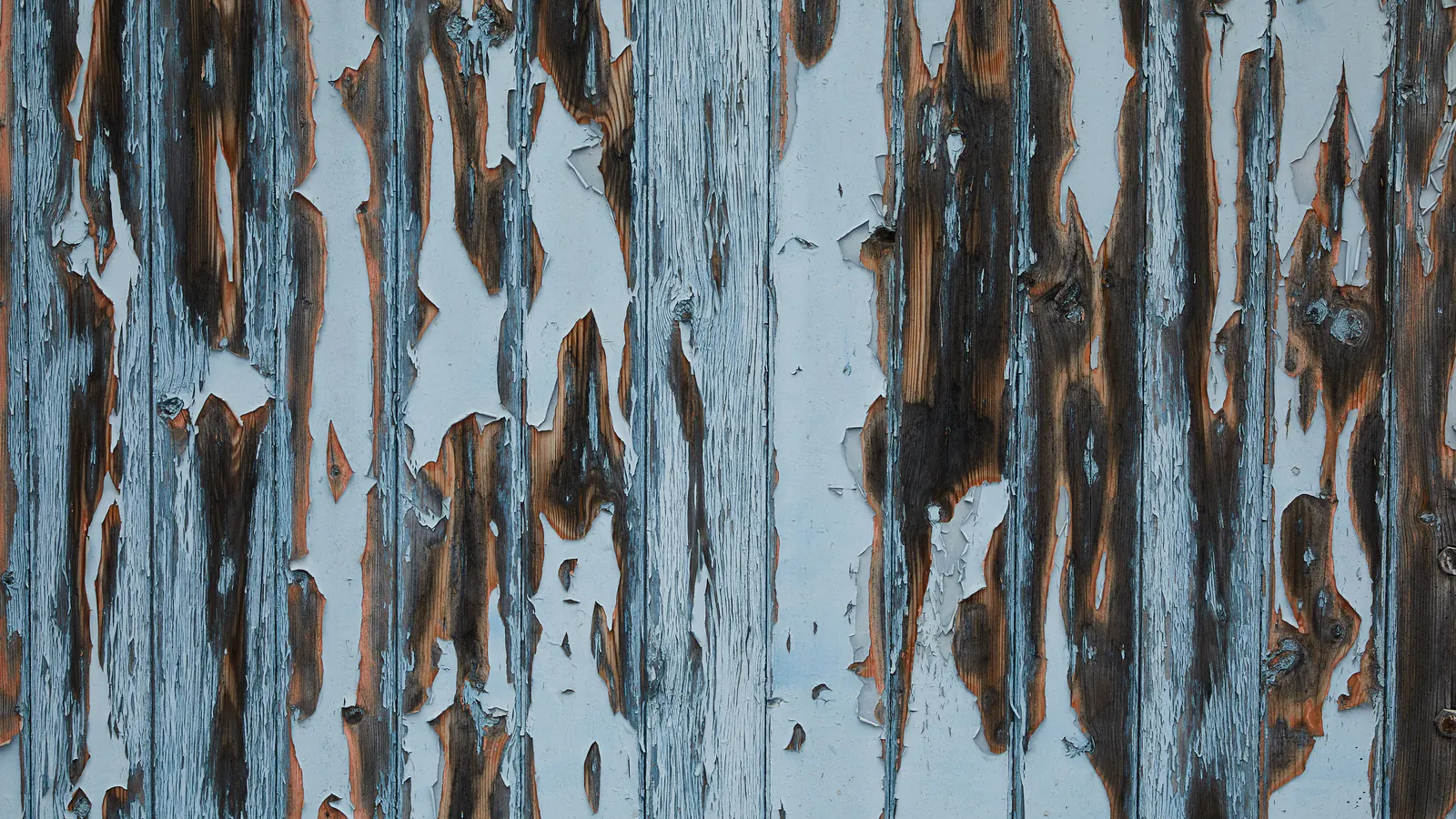
Wood rot is a fungus, and it needs moisture to grow. A winter that could bring up to 25 inches of rain to Palo Alto (see Part 1) gives it everything it needs.
The small soft spot on a window sill in September can become a failed sill and a stained wall inside by March.
Where rot likes to hide
Rot shows up wherever water sits and wood stays damp. Check these spots first:
- Window sills and the bottoms of window frames
- Door thresholds and the bottom few inches of door trim
- The lowest rows of siding, especially near soil, planters or sprinklers
- The boards behind gutters that overflow
- Corner boards and trim where caulk has cracked
- Deck ledgers, posts and stairs (see Part 5)
The screwdriver test
Press a screwdriver into the wood at a shallow angle. Healthy wood pushes back and splinters. Rotten wood feels spongy, lets the tip sink right in, or crumbles.
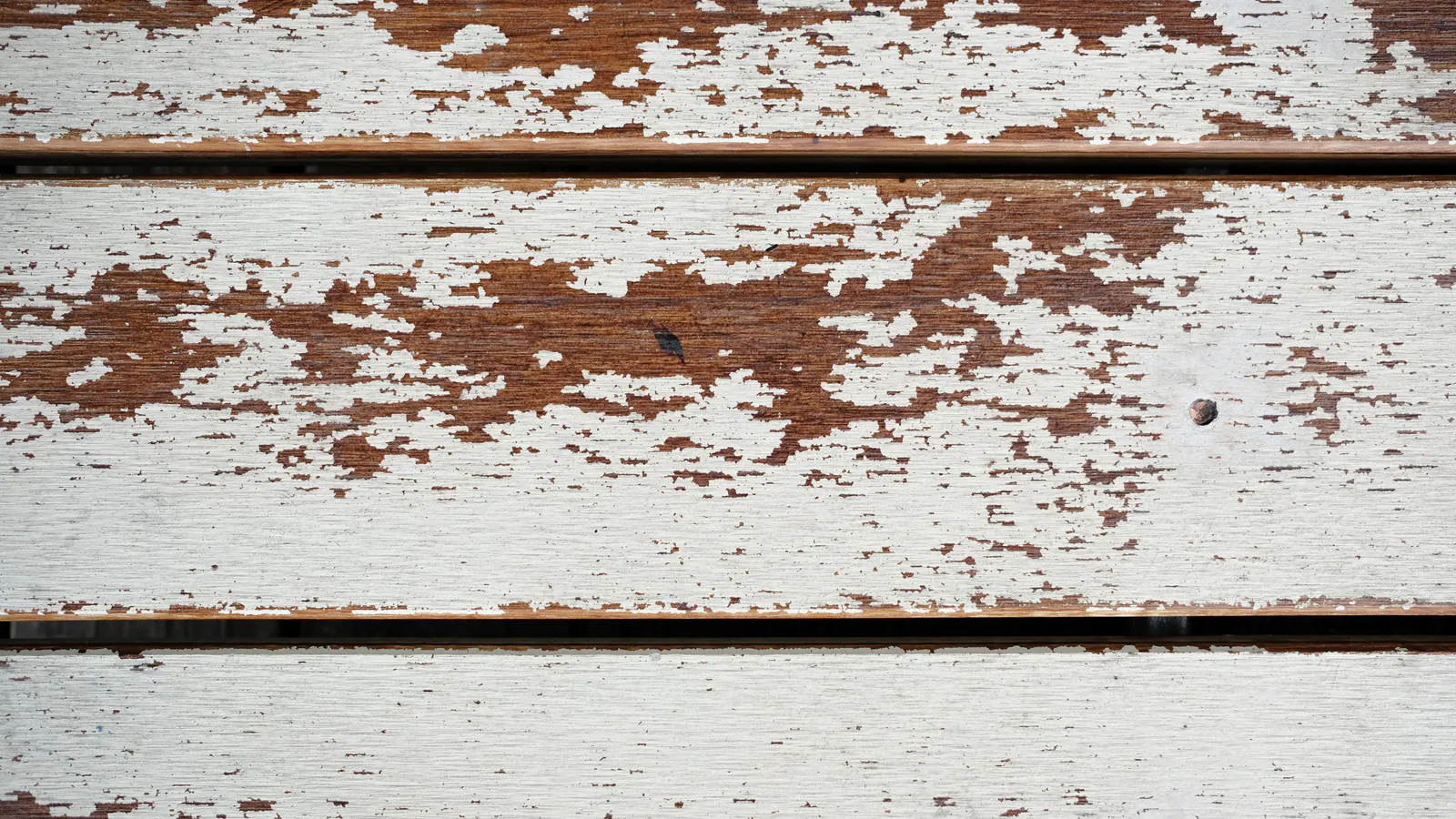
Paint can hide rot completely. A board that looks perfect can be soft underneath, so test anything that seems off. Other clues include paint bubbling in one spot, new gaps where trim meets siding, and a musty smell near a window.

A dark stain isn’t always rot. Wood darkens where water runs over it, and mildew grows on paint in the shade. The screwdriver tells them apart. On a stain, the tip skids or leaves a dent, and the wood comes up in long splinters. On rot, the tip goes in with little push, and what comes out is short and soft, or breaks into small brown cubes across the grain. Cubes that crumble between your fingers are brown rot, and the wood around them is weaker than it looks.

How we repair it
| What we find | What we usually do |
|---|---|
| A small, shallow soft spot | Remove the decay, fill with exterior epoxy, then shape, prime and paint |
| Rot through a section of trim or siding | Cut it out and replace it with a matching piece |
| Rot in a sill, beam or other load-bearing member | Load-bearing repairs are outside our license, so we refer them to an appropriately licensed contractor |
| Historic or custom trim | Repair or recreate the original profile so the home keeps its character |
Every new board gets primed on all sides, including the back and cut ends, before it goes up.
The patch that fails by spring
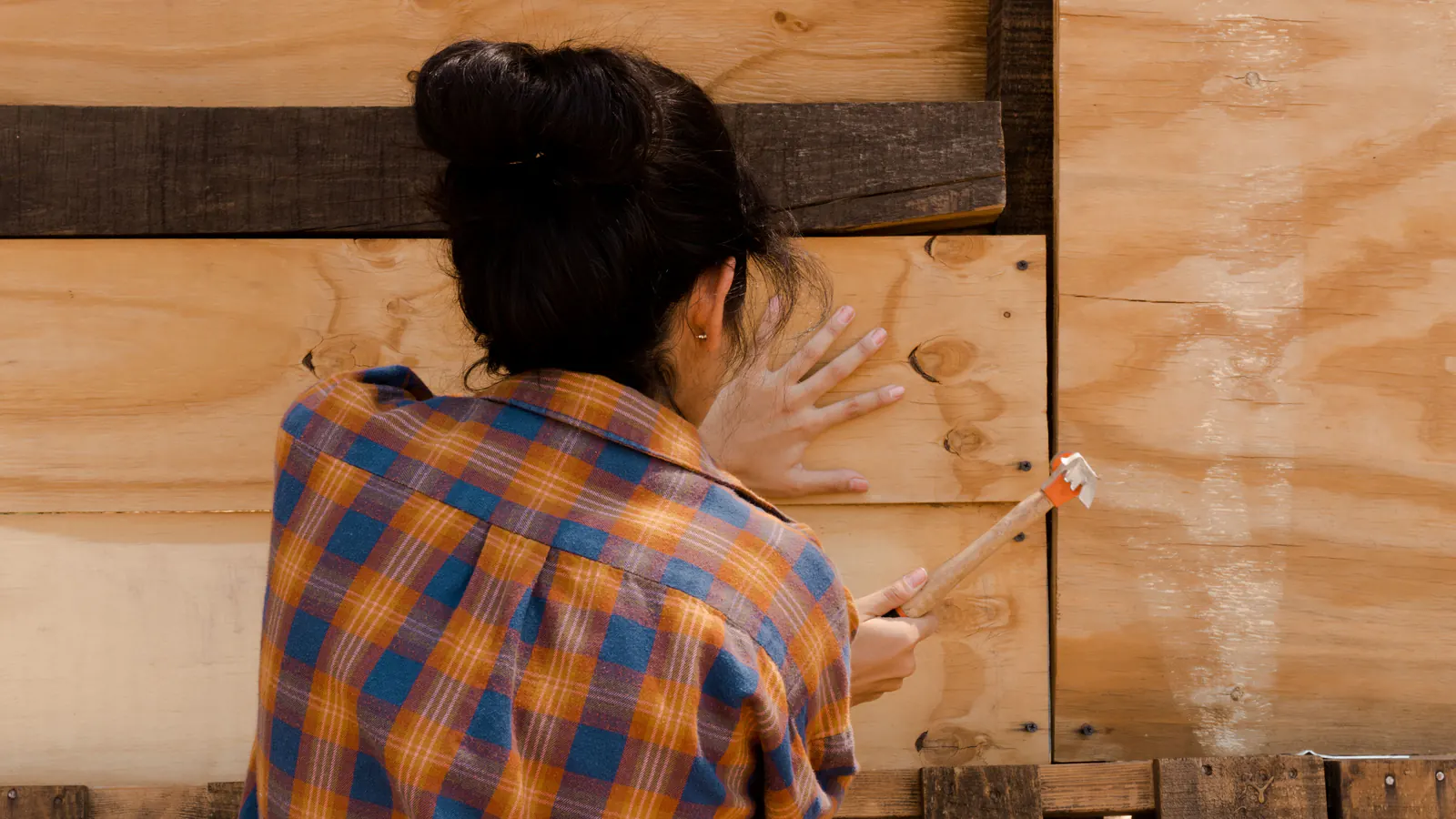
The cheap fix for a soft sill is to dig out the punky wood, press in auto-body filler or wood putty, and paint over it. It looks fine for a season. Why does it fail? Polyester body filler is stiff, and wood swells and shrinks with the weather, so the patch cracks loose along its edges. Water gets in behind it, and the wood around the patch keeps rotting where nobody can see it. Wood putty shrinks and cracks the same way.
An epoxy repair goes in two steps. A thin liquid epoxy consolidant soaks into the soft fibers that are left and hardens them. Then an epoxy filler made for wood is packed in, shaped, sanded and primed. Epoxy grips wood far better than body filler does. It’s the right repair when the decay is shallow and the wood around it is dry. When the rot runs through the board, the repair is a new board. If that piece carries load, it isn’t ours to replace, as the table above says.
Always ask where the water came from
Rot is a symptom. If we replace a sill without asking why it stayed wet, the new one will fail the same way. The usual causes are a missing drip edge, bad flashing, an overflowing gutter, or a sprinkler pointed at the wall. Whenever we repair rot, we also track down the source. Part 4 covers the usual suspects.
Before the next storm
- Test the sills, the bottom of each door frame and the lowest siding boards with a screwdriver. Work from the ground or from inside the house.
- Mark each soft spot with painter’s tape and photograph it. Note how far the tip went in and how wide the soft patch is. That tells us whether it’s an epoxy repair or a new board.
- Look straight up from each soft spot for the water that caused it. It’s often a gutter that overflows, a window with no drip cap, or a cracked joint above.
- Turn sprinklers away from the walls, and pull soil and mulch back below the bottom board. That part is yours, and it costs nothing.
Soft trim, siding and sills that don’t carry load are carpentry, which is our crew’s work. A soft post, beam or ledger, or rot in the framing under a sill, goes to a licensed professional, and we’ll say so when we see it. Signs of insects go to a licensed pest company. Waiting costs in a set order. A shallow spot that takes epoxy this fall can need the whole board by spring. Leave the board long enough and the water reaches the wall behind it.
Does rot mean I have termites?
Not necessarily. They’re different problems, though both love damp wood. If we see signs of insects, we’ll let you know and recommend a licensed pest inspector.
Can rot repair wait until spring?
Small spots sometimes can, if they’re sealed and watched. Anything letting water into the wall should be fixed now. We’ll tell you which is which.
See our surface restoration and carpentry services, or request an estimate.