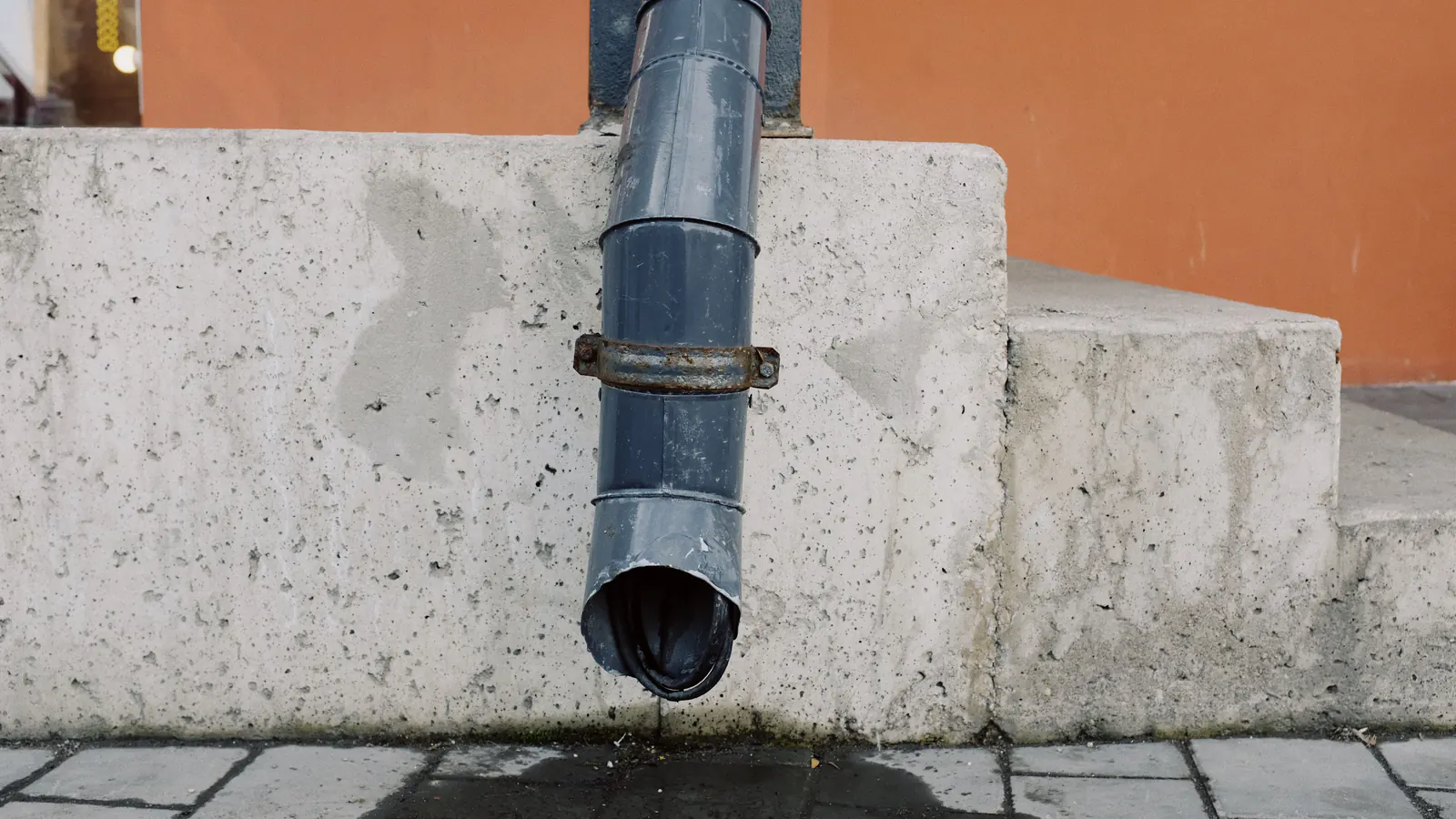
The average sump pump lasts about seven years, according to home inspectors at InterNACHI. If yours is older than that, or you have no idea how old it is, now is the time to test it.
The short version is simple. Test your pump while it’s still dry out. Make sure the water it pumps ends up well away from the house. And have a plan for when the power goes out.
Why this winter matters for crawl spaces
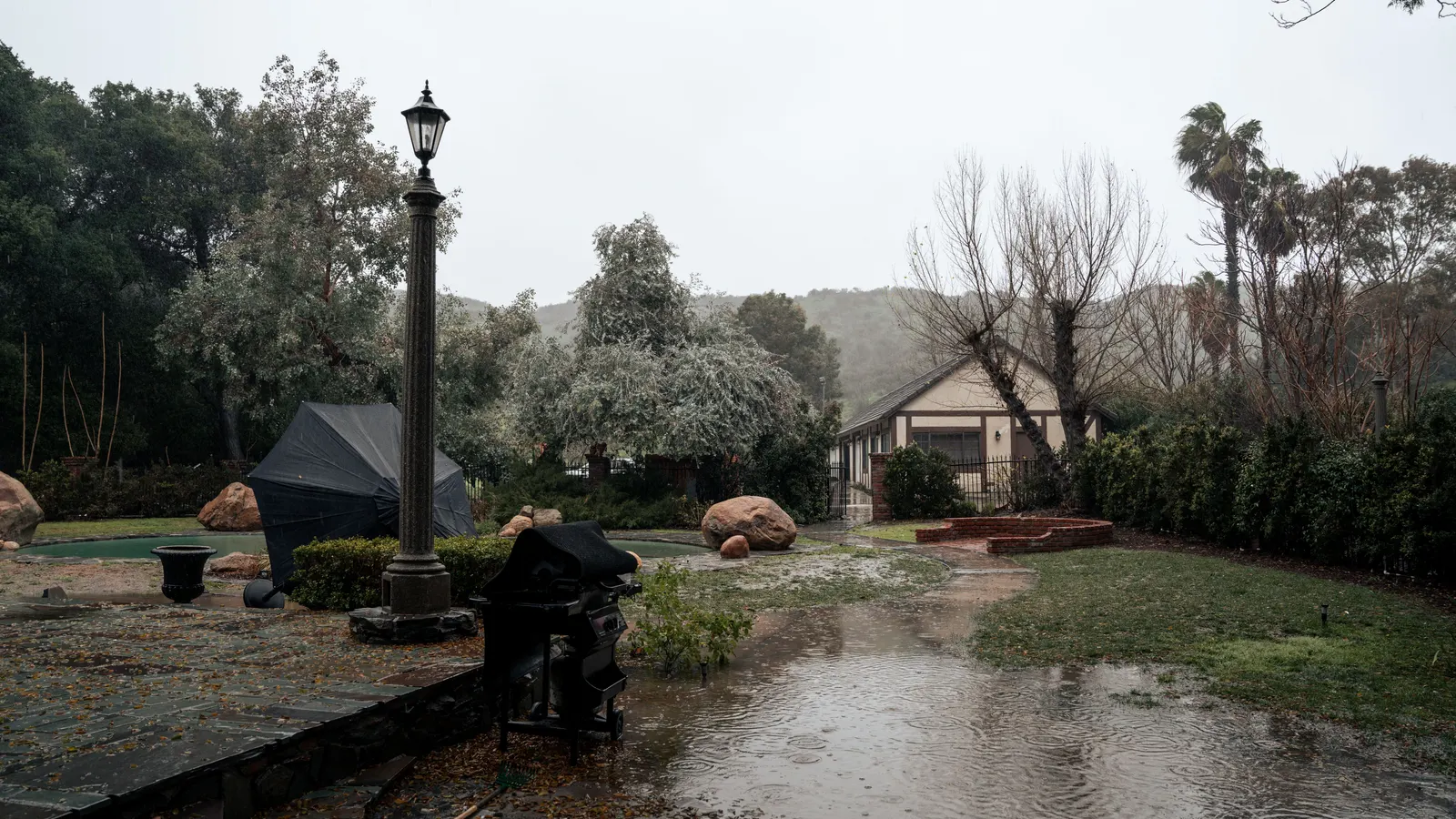
It isn’t one big storm that fills a crawl space. It’s rain that keeps piling up, week after week. During the 1998 El Niño, Redwood City had already passed a normal winter’s worth of rain by the end of January.
That is why we suggest testing your pump now, before the wet months stack up. The full numbers are at the end of this article.
What we keep finding
Our crews have opened up a number of sump pits on recent Peninsula jobs, and three problems keep showing up.
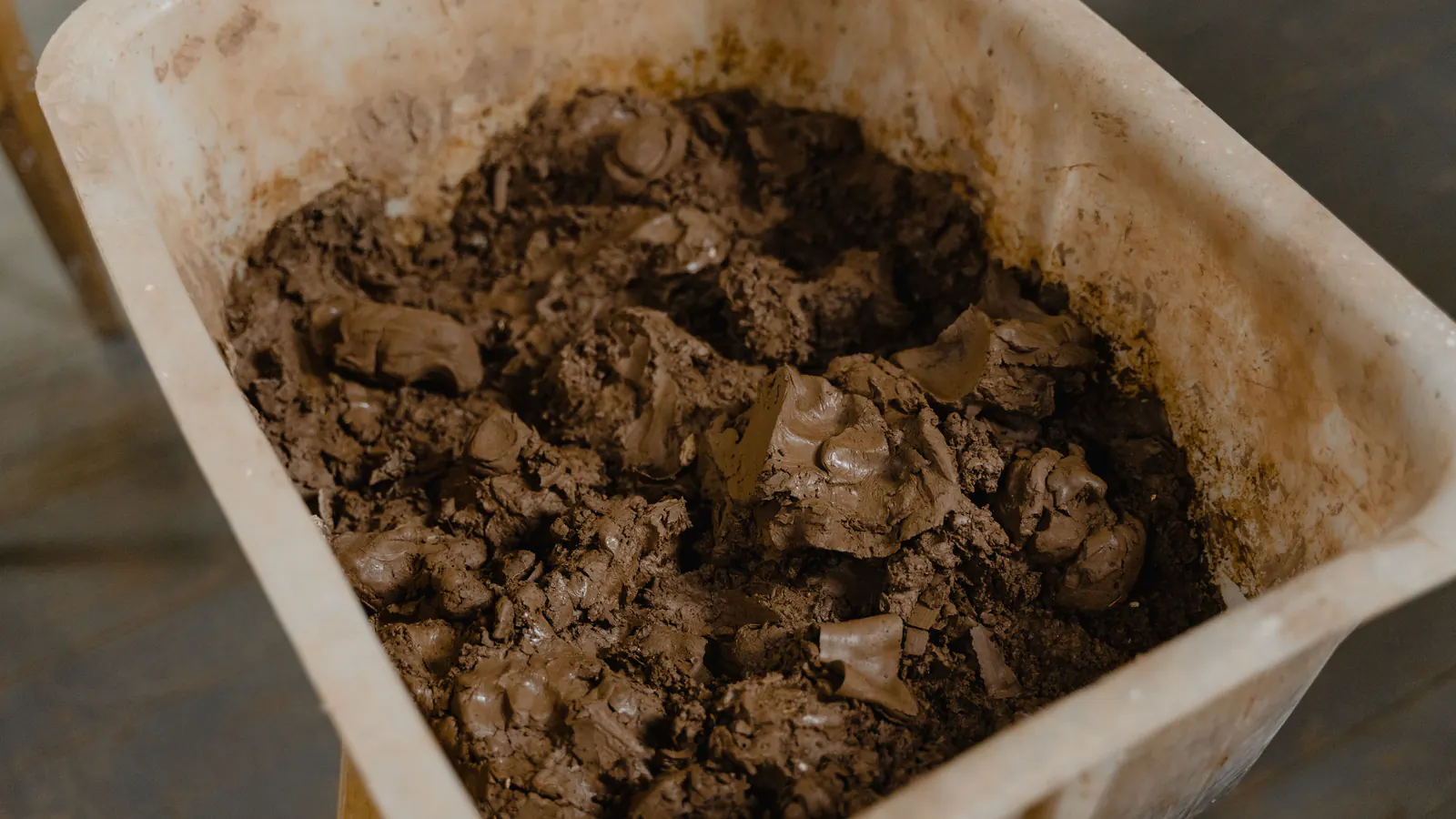
- Old pumps still on duty. At one home we pulled two cast iron pumps. One was so rusted the body was flaking apart, and it was still plugged in, waiting for the next storm.
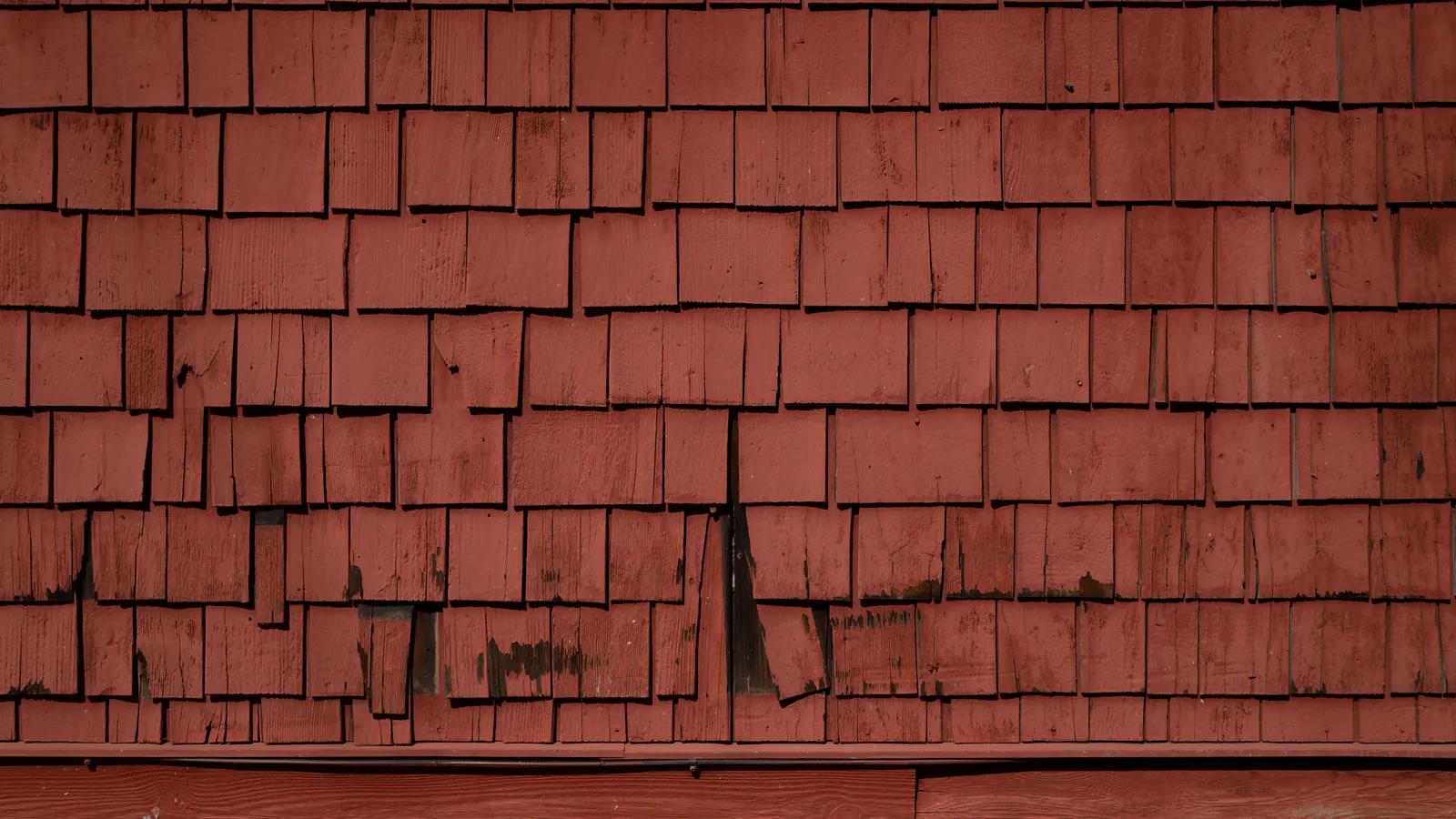
- Pits falling apart. One pit was lined with wood that had rotted after years in standing water. Loose pieces can drift into the pump and jam it.
- Water with nowhere to go. Under another home we found standing water just inside the crawl space door.

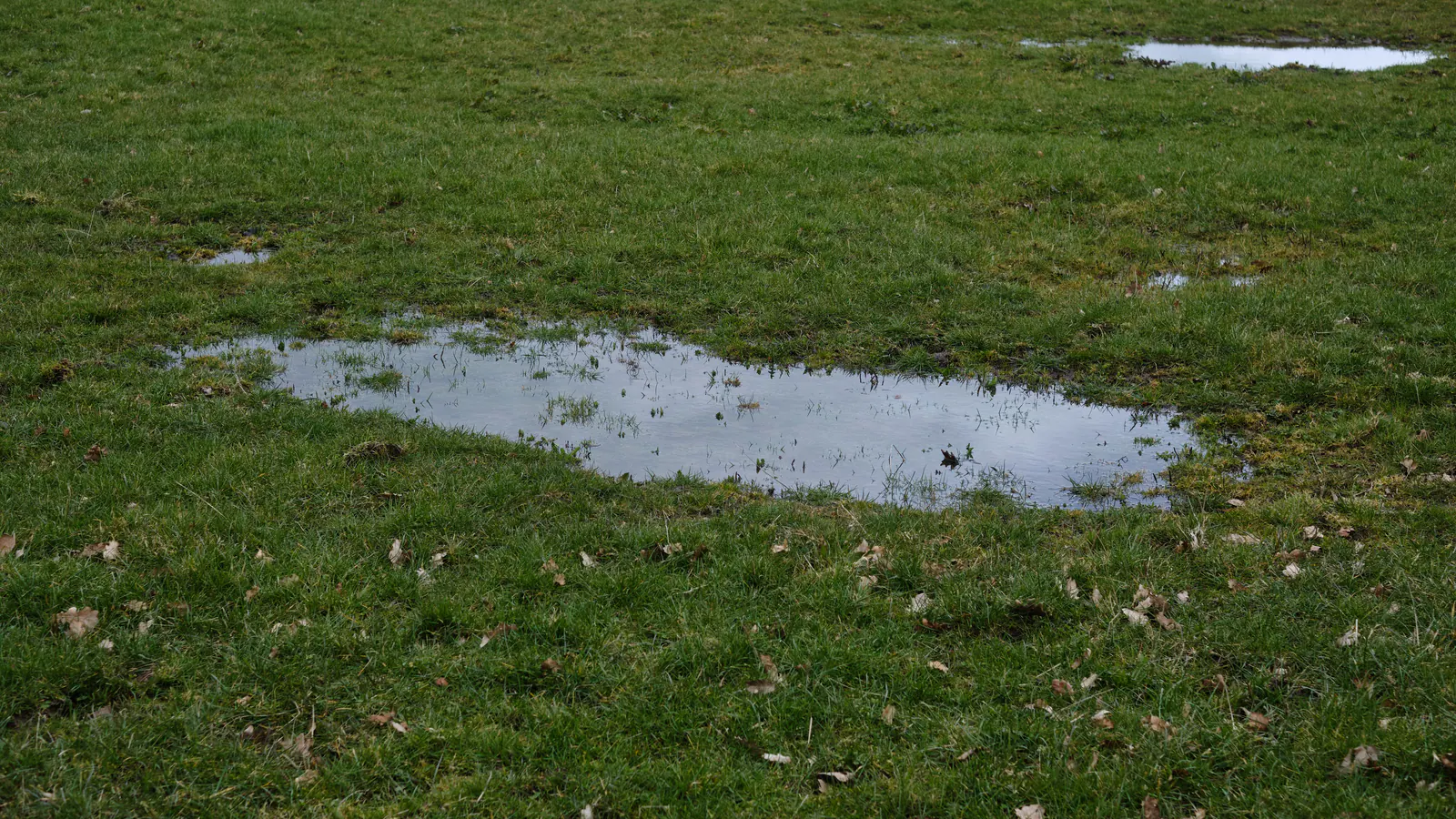
None of this looks alarming on a dry October afternoon. It becomes alarming at 2 a.m. in January.
Test your pump in five minutes
- Find the pump and make sure it’s plugged in and the outlet works.
- Slowly pour a bucket of water into the pit until the float rises.
- Listen for the pump to kick on, and watch the water level drop.
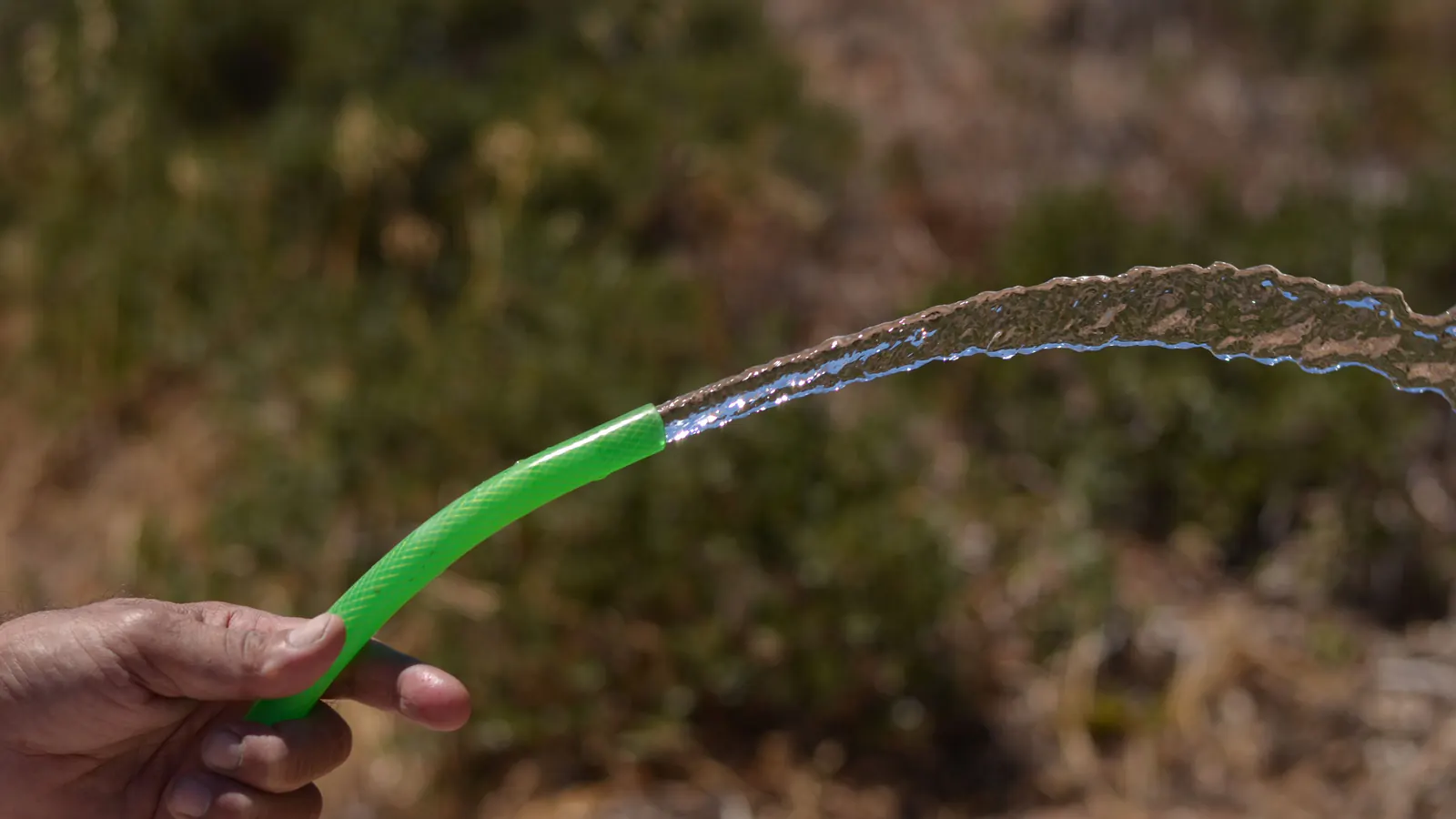
- Head outside and make sure water is coming out where the pipe ends.
If it hums without moving water, clicks on and off quickly, or doesn’t start at all, have it checked before the rain.
Each failure points to a different part.
- A hum with no water moving means the impeller is jammed with silt or a root, or the motor is going.
- Quick on and off cycling points to a float set too low, a sticking switch, or a check valve letting the pipe drain back into the pit.
- Silence, with power at the outlet, means a float hung up on the pit wall or a dead motor. If the outlet is dead, it’s a GFCI (the kind with test and reset buttons) and you can reach it without standing in water, press reset once. If it trips again, leave it off and call a licensed electrician.
Unplug the pump before you reach into the pit for anything. Past the bucket test, from freeing a stuck float to replacing the pump, the work belongs to a licensed plumber.
Send the water somewhere useful
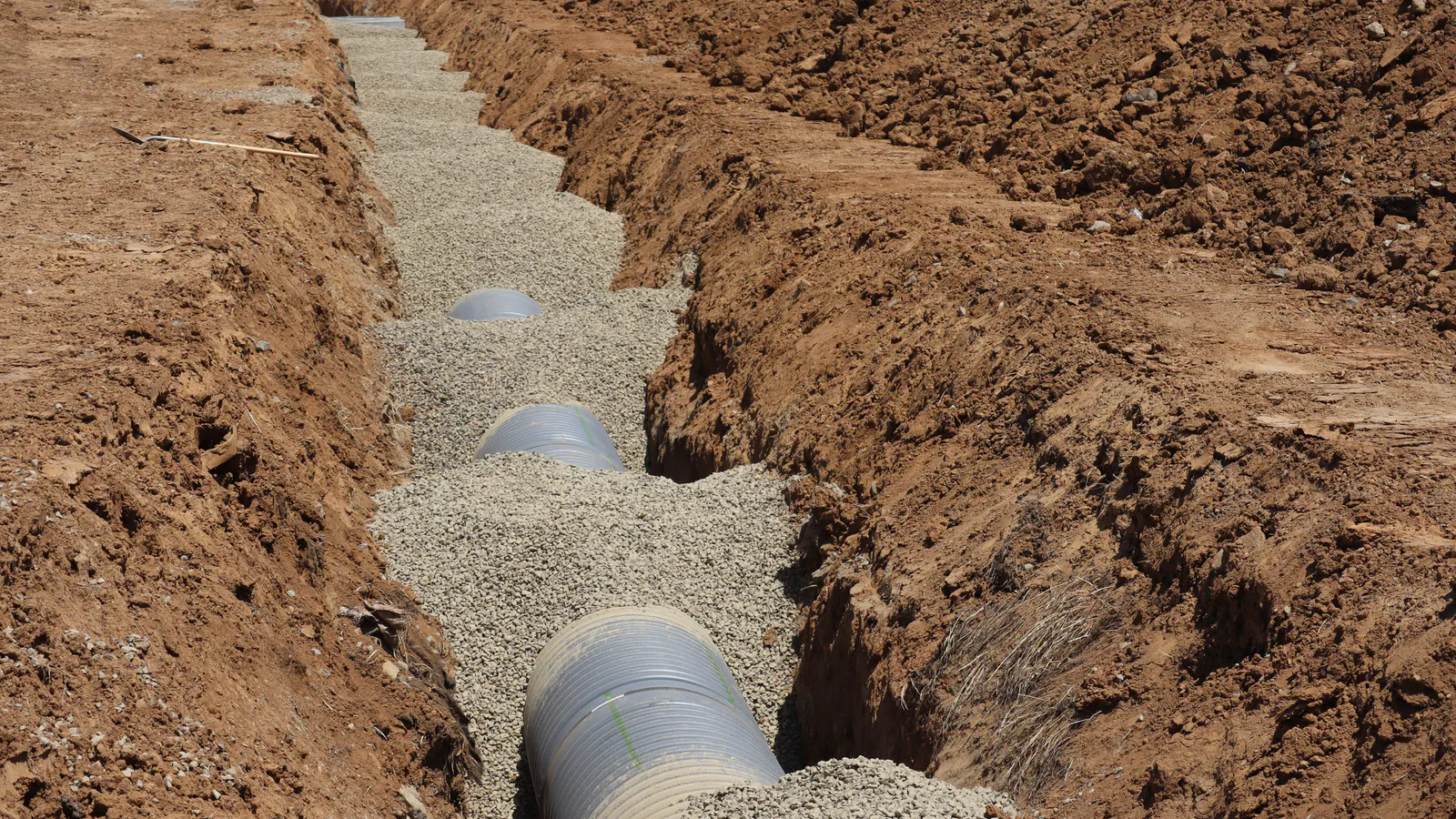
Even a perfect pump causes trouble if it dumps water right beside the house. That water soaks back into the soil and returns to the pit, sometimes within minutes.
- Follow the pipe from the pit to where it ends. It should release water well away from the foundation, somewhere that drains, and not toward your neighbor.
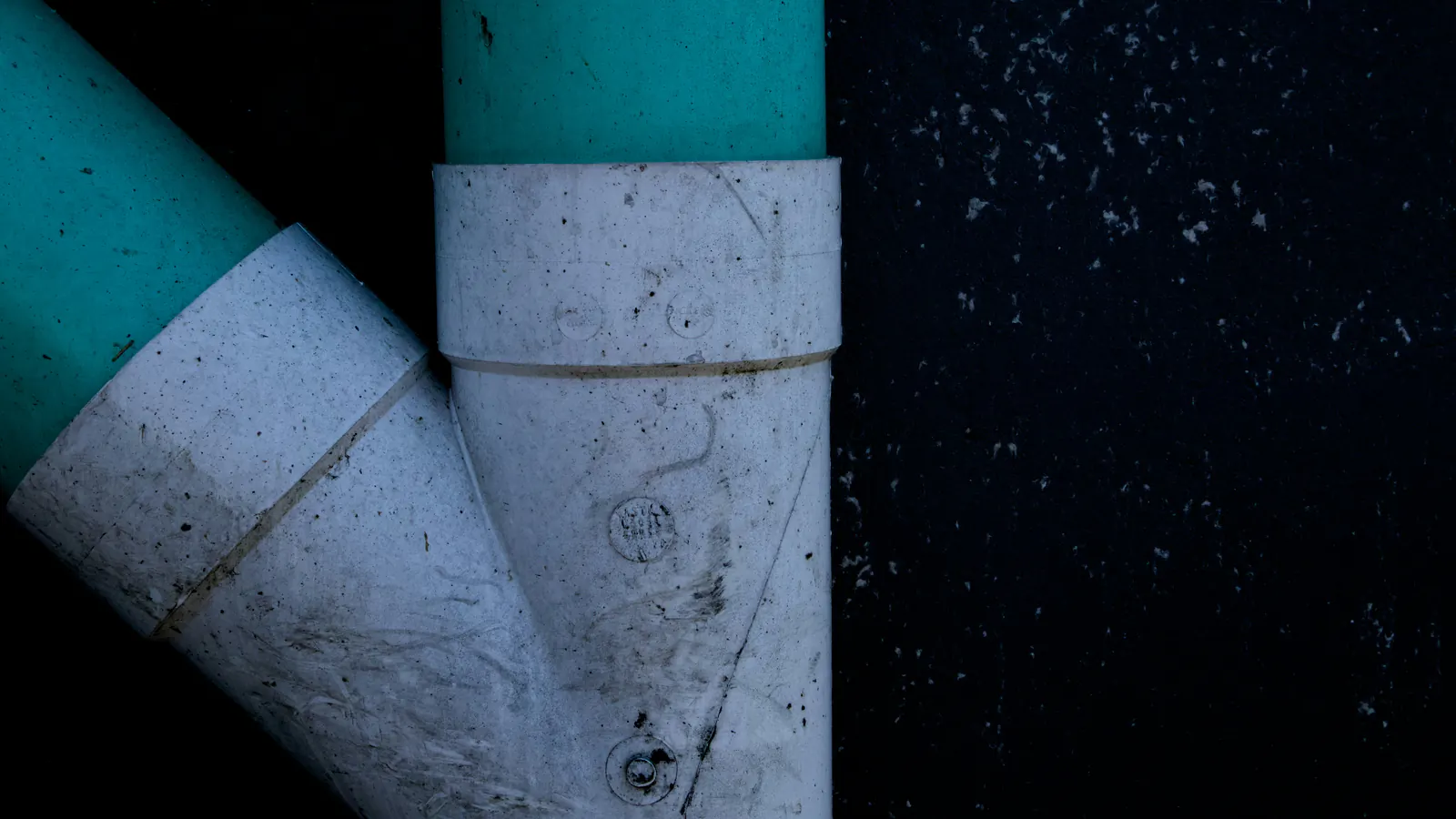
- Look for a check valve on the pipe. It stops water from falling back into the pit when the pump shuts off.
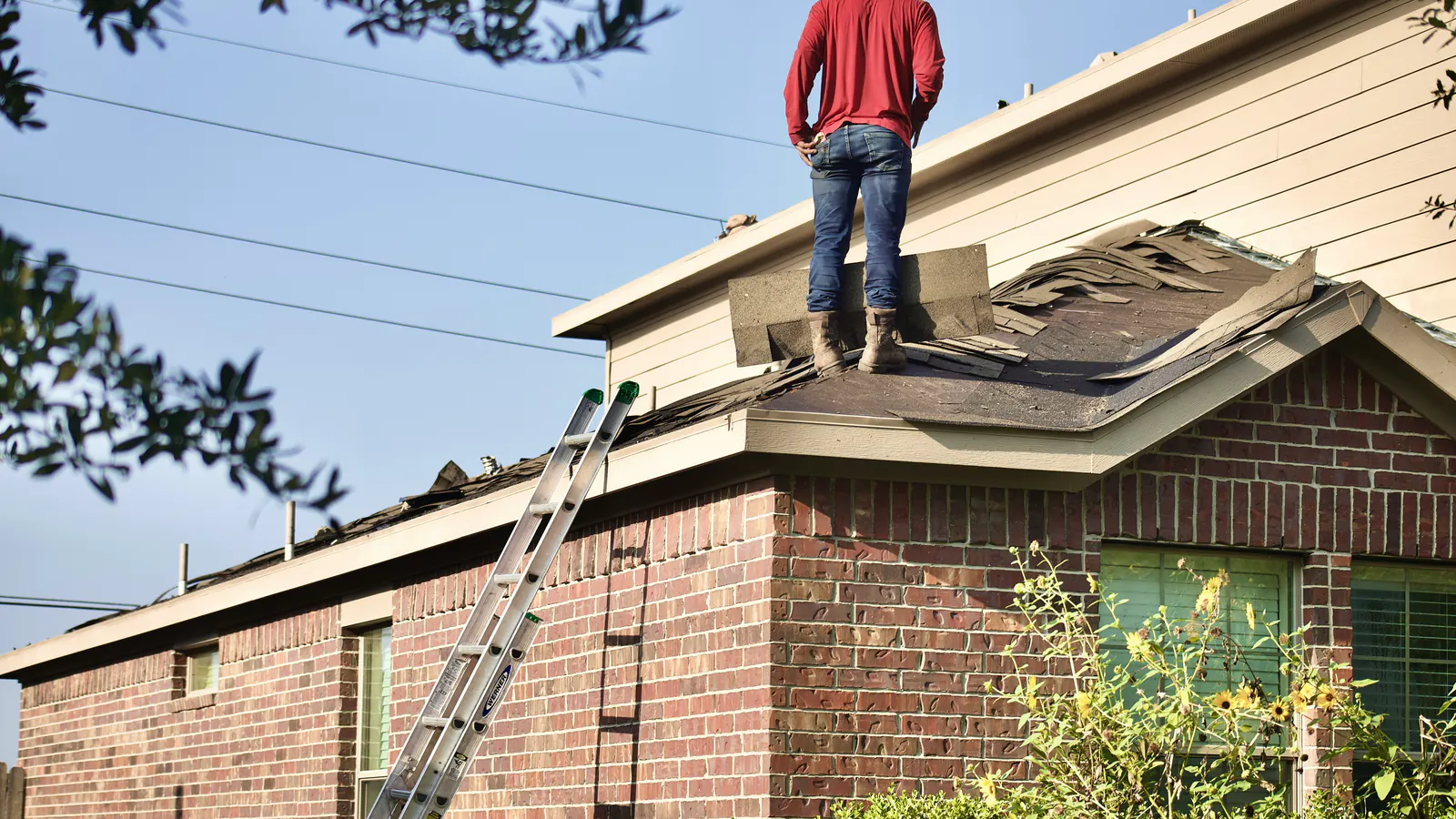
- Extend your downspouts at least four feet from the house. Roof water that pools at the foundation just gives your pump more work. See Part 4.
- Clear outdoor drains of leaves and silt before the first big storm.
Plan for a power outage
Big storms and outages often arrive together, and a standard sump pump stops the moment the power does. Many homeowners add a battery backup pump for exactly this reason. It won’t run forever, so check its battery each fall.
If you use a portable generator, keep it at least 20 feet from the house, downwind and away from doors and windows, as Cal OES advises. Never run one in a garage or crawl space. Generators give off carbon monoxide.
A word on insurance and scams
Standard homeowner policies generally don’t cover flooding, and new flood policies usually take 30 days to start. If you’re considering coverage, call your agent now. Part 6 explains how to document your home either way.
After big storms, be wary of anyone who knocks on your door offering a quick pump or drainage fix for cash. Ask for a license number, a written estimate and local references.
How do I know if I even have a sump pump?
Look in your crawl space or basement for a covered pit with a pipe coming out of it and a cord plugged in nearby. Some homes also have one in an outdoor drain or at the bottom of exterior stairs.
Should I replace an old pump that still works?
Not always. Age, heavy rust, a sticky float or a crumbling pit are all good reasons to have it looked at. A pump that runs fine today can still give out after weeks of nonstop use.
Can McDermaid help with water around my foundation?
Yes. We manage the whole job. Our licensed plumbing partner handles the pump, and our crews repair the wood and paint that water tends to damage along the way. Part 3 explains what rot repair involves.
Want someone to look at your pump or crawl space? Request an estimate or call (650) 961-7415.
The data behind this article
For readers who want the numbers.
Locally, San Francisquito Creek tells the same story. On February 3, 1998, it hit its highest flow since 1931, about 54,000 gallons every second. That flood damaged about 1,700 properties along the creek. When the creek runs that high, the ground around it is soaked, and crawl spaces start filling from below. The creek came close again on December 31, 2022.
Source
Sources: USGS station at Stanford; San Francisquito Creek Joint Powers Authority.
In the source list: 3
Sources (3)
- Cal OES advises news.caloes.ca.gov (https://www.news.caloes.ca.gov/winter-storm-preparation-generator-safety-tips/) Back
- NOAA, Redwood City station Back
- USGS station at Stanford; San Francisquito Creek Joint Powers Authority Back