It happens most winters. The first long storm comes through, and a day later there’s a brown ring on a bedroom ceiling. Why? Usually for a small reason. A shingle lifted in the wind, or the sealant around a vent pipe dried out over the summer, and nobody had looked at the roof since it last leaked.
A roof gets looked at when the house is bought and when it leaks. In between, it mostly gets ignored. It is hard to see from the yard and harder to get onto, and a roof that isn’t leaking doesn’t ask for attention.
The roofing trade’s own advice is to look much more often than that.
| Figure | What it means for you | Source |
|---|---|---|
| Scheduled roof inspections at least twice a year, preferably in the spring and fall, plus one after any severe storm | Fall finds what the summer sun did before the rain arrives. Spring finds what the storms did. | NRCA, via Professional Roofing, November 2020 |
| Vent openings between 1/16 and 1/4 inch, or screened to that size | Torn or missing vent screens are part of the check, because they let in water, leaves and animals. | 2022 California Residential Code, Section R806.1 |
The National Roofing Contractors Association also says homeowners should look from ground level and never climb onto the roof themselves. The risk of a fall is too great without the right safety gear. Binoculars from the yard are as close as you need to get.
What we do before the rain
We’re scheduling roof checks now, ahead of the rainy season. The work comes in five parts. Our goal is simple: find the small problems before they become expensive emergencies.
- Roof condition assessment. We look over the accessible parts of the roof for wear, damage and shingles or tiles that are breaking down.
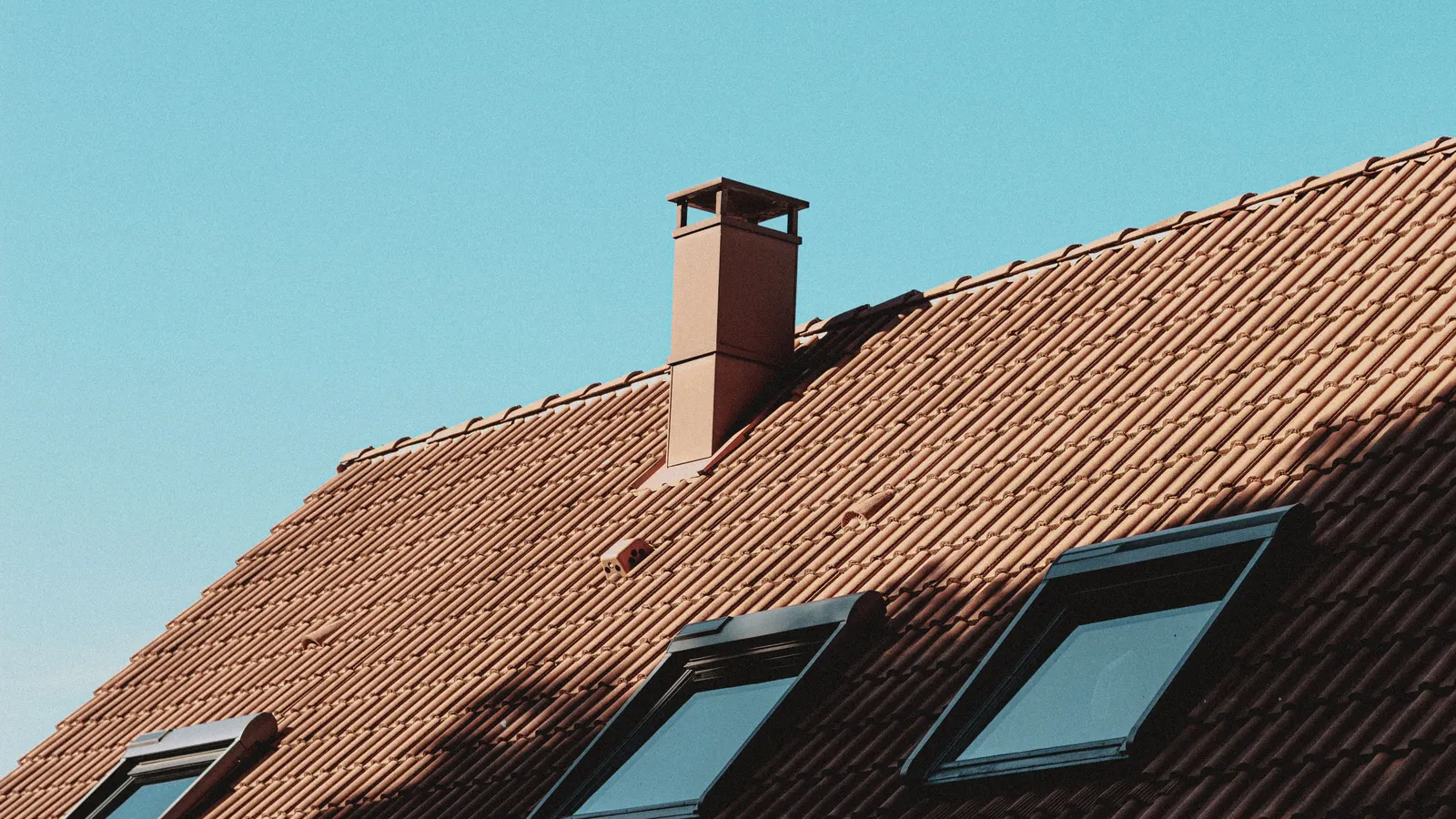
- Flashing and roof penetrations. We check the visible flashing around vents, chimneys and skylights, and anywhere else something comes through the roof. That is where small gaps open up.
- Minor roof repairs. Our crew fixes what it finds: lifted or missing shingles, flashing that needs resealing, small leaks. We go up and clear the debris too.
- Leak and water intrusion assessment. We look for the visible signs that water is getting in: stains on a ceiling or the roof boards, damp insulation, daylight around a pipe in the attic.
- Coordination with our roofing partners. A full re-roof, a new roof or anything structural goes to a licensed roofer or an engineer we bring in and manage.
What a visual inspection checks
We start on the ground and work up, and the attic is the last stop.
- The gutters and downspouts. Full of debris, pulling away from the fascia, or emptying against the foundation.
- The roof surface. Shingles that are missing, lifted, cracked or worn down to the mat. Tiles that are cracked or slipped. Moss and lichen, which hold water against the roof.
- The flashing. The metal where the roof meets a chimney, a wall, a skylight or a vent pipe. Sealant dries out and the metal lifts, and water finds the gap.
- The vents. Screens torn or missing, caps loose, a bath fan that ends in the attic instead of outside.
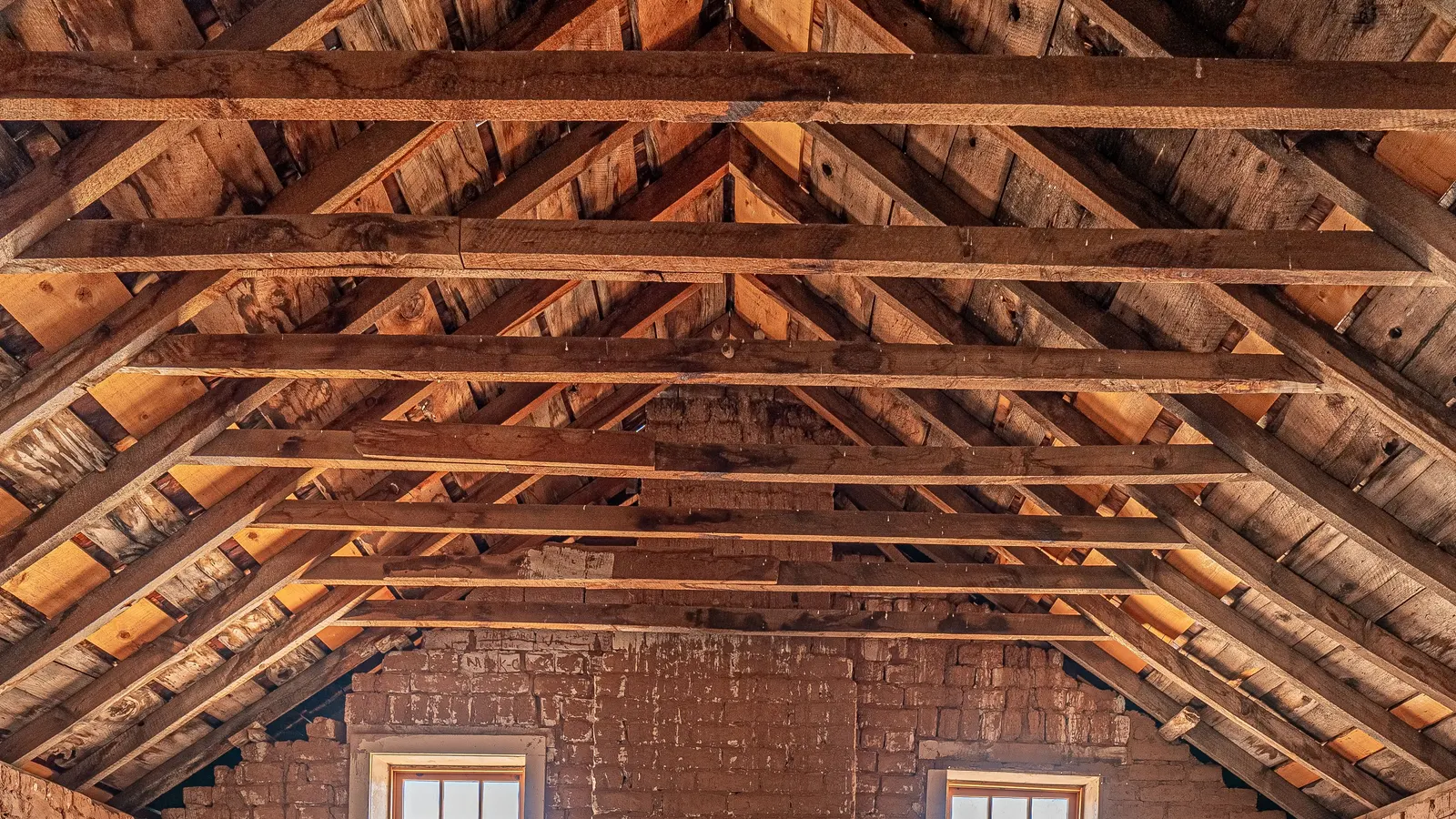
- The underside, from the attic. Water stains on the roof boards, daylight around a pipe, damp insulation, and whether the attic has the vents it needs.
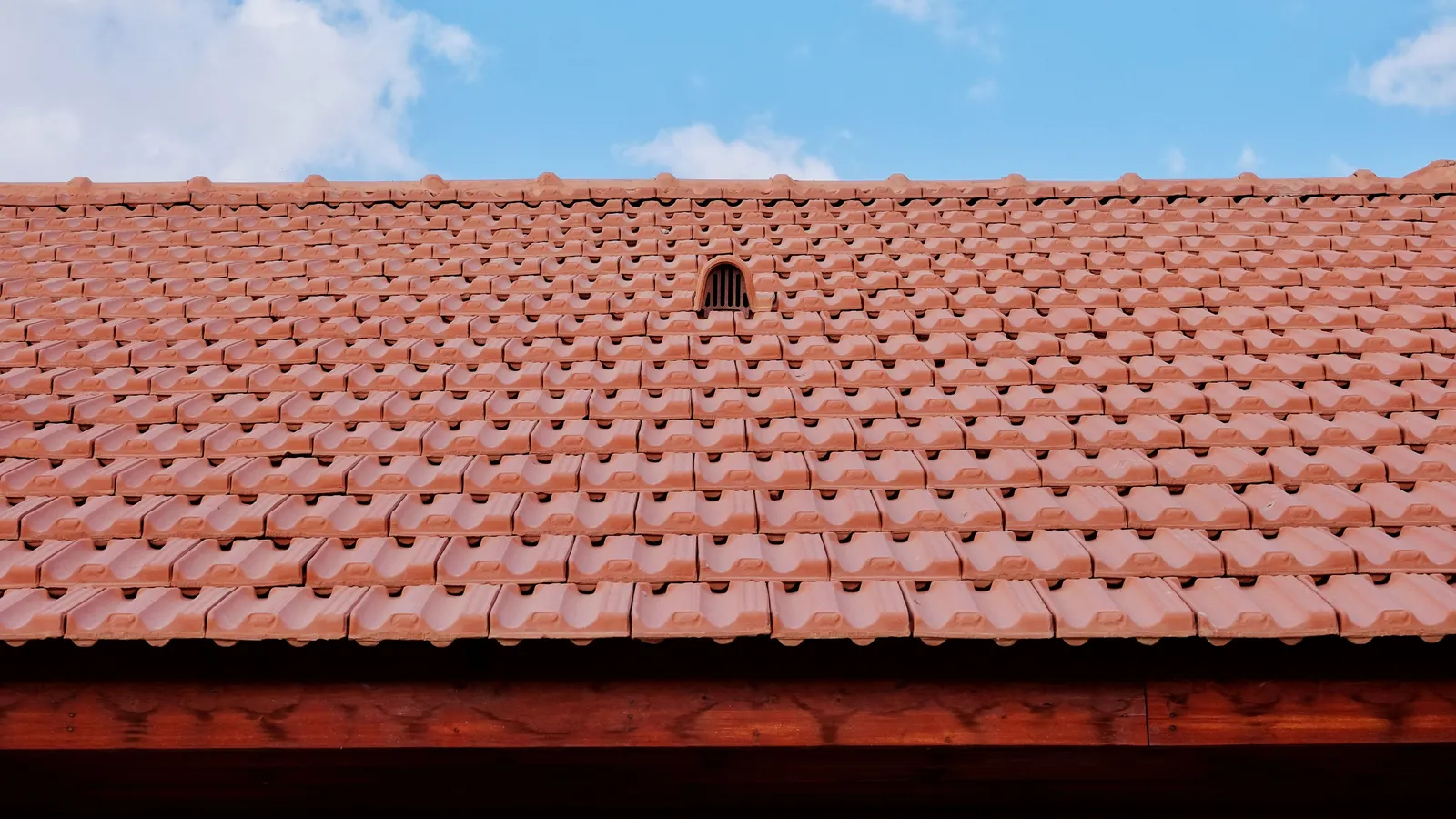
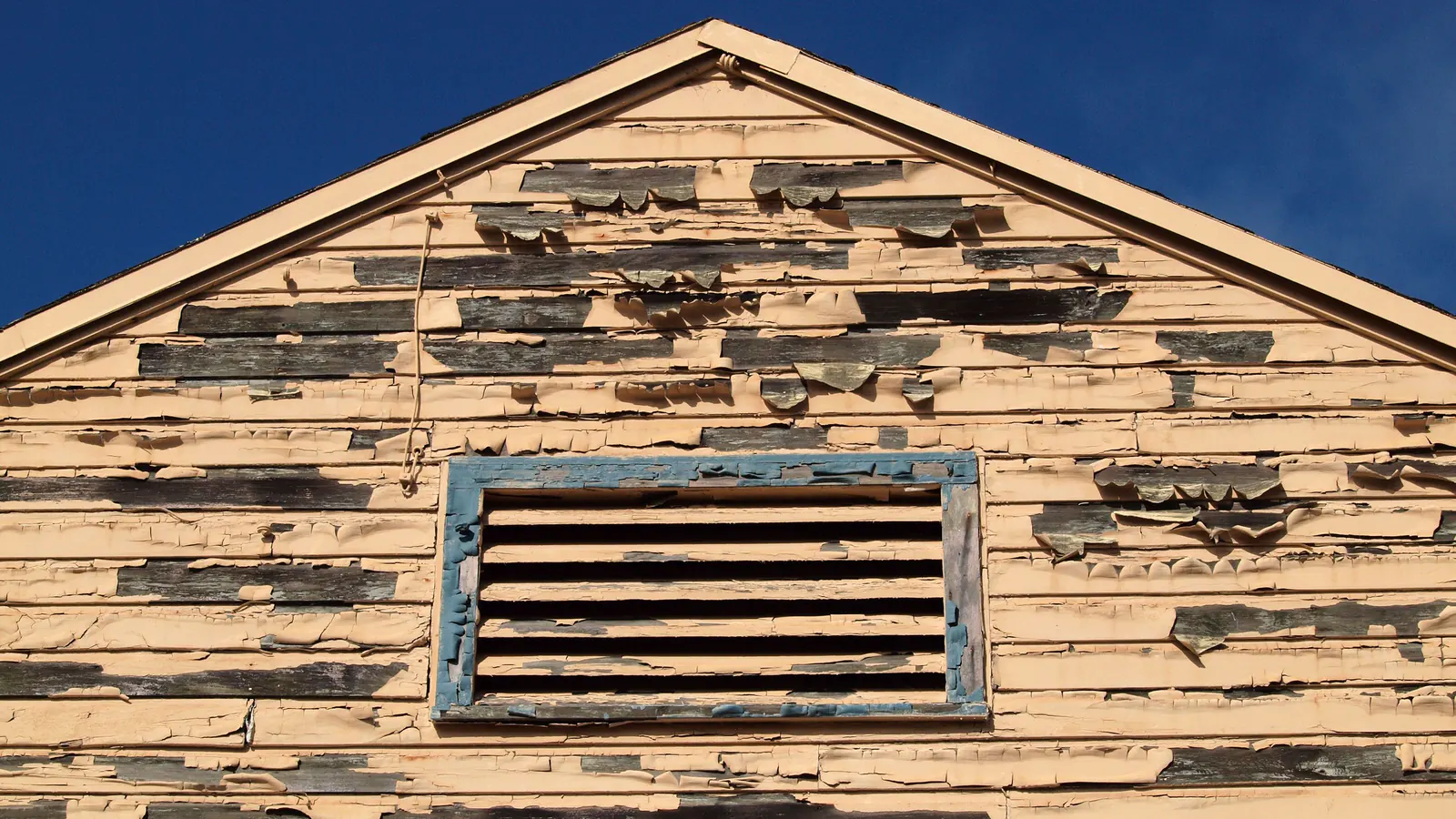
You get written notes and photos of what we saw, in plain words, with the spots that need attention marked. Our post on roof cracks and moss shows what the common problems look like up close.
The order of a visual roof check
-
01 Gutters and downspouts
Debris, gutters pulling away from the fascia, downspouts emptying against the foundation.
-
02 The roof surface
Missing, lifted or cracked shingles, slipped tiles, moss and lichen.
-
03 The flashing
The metal where the roof meets a chimney, a wall, a skylight or a vent pipe.
-
04 The vents
Torn or missing screens, loose caps, a fan that ends in the attic.
-
05 The attic underside
Stains on the roof boards, daylight around a pipe, damp insulation.
What it is not
This is a visual condition check. It isn’t a certification, it doesn’t put a number of years on the roof, and it doesn’t decide anything for an insurer or a lender. When a sale or a policy calls for a roof certification, that is a separate document.
Our crew makes the repairs: shingles, flashing, small leaks, the debris on the roof, the gutters, the vent screens and the attic side. A re-roof, a new roof or anything structural goes to a licensed roofer or an engineer we bring in. We manage the job and keep you to one point of contact.

When to get one
In the fall, before the rain. In the spring, after it. After a storm with high wind or falling branches, even if nothing leaks. And before and after other work near the roof, such as painting or solar, so you know what was there before the crew arrived. NRCA’s guide names that last one too.
If you’ve seen signs of a leak, or you’d like to know where the roof stands before the winter storms, now is the time to book the check.
Our roof inspections page has the details, and the attic half of the check is in our post on signs your attic needs work. When you’re ready, request an estimate.
Sources (2)
- NRCA, via Professional Roofing, November 2020 professionalroofing.net (https://professionalroofing.net/articles/article/4787) Back
- 2022 California Residential Code, Section R806.1 up.codes (https://up.codes/viewer/california/ca-residential-code-2022/chapter/8/roof-ceiling-construction) Back