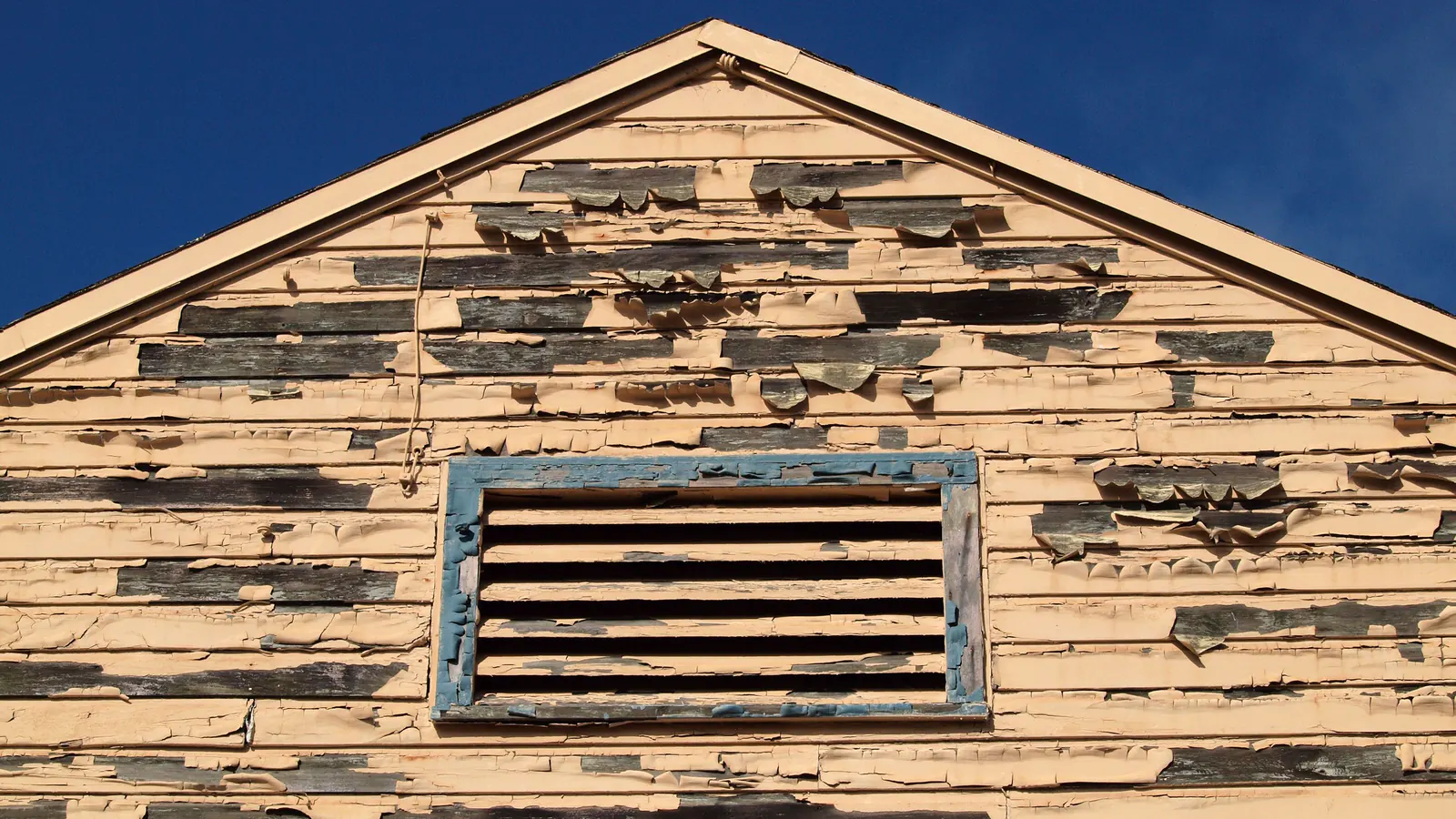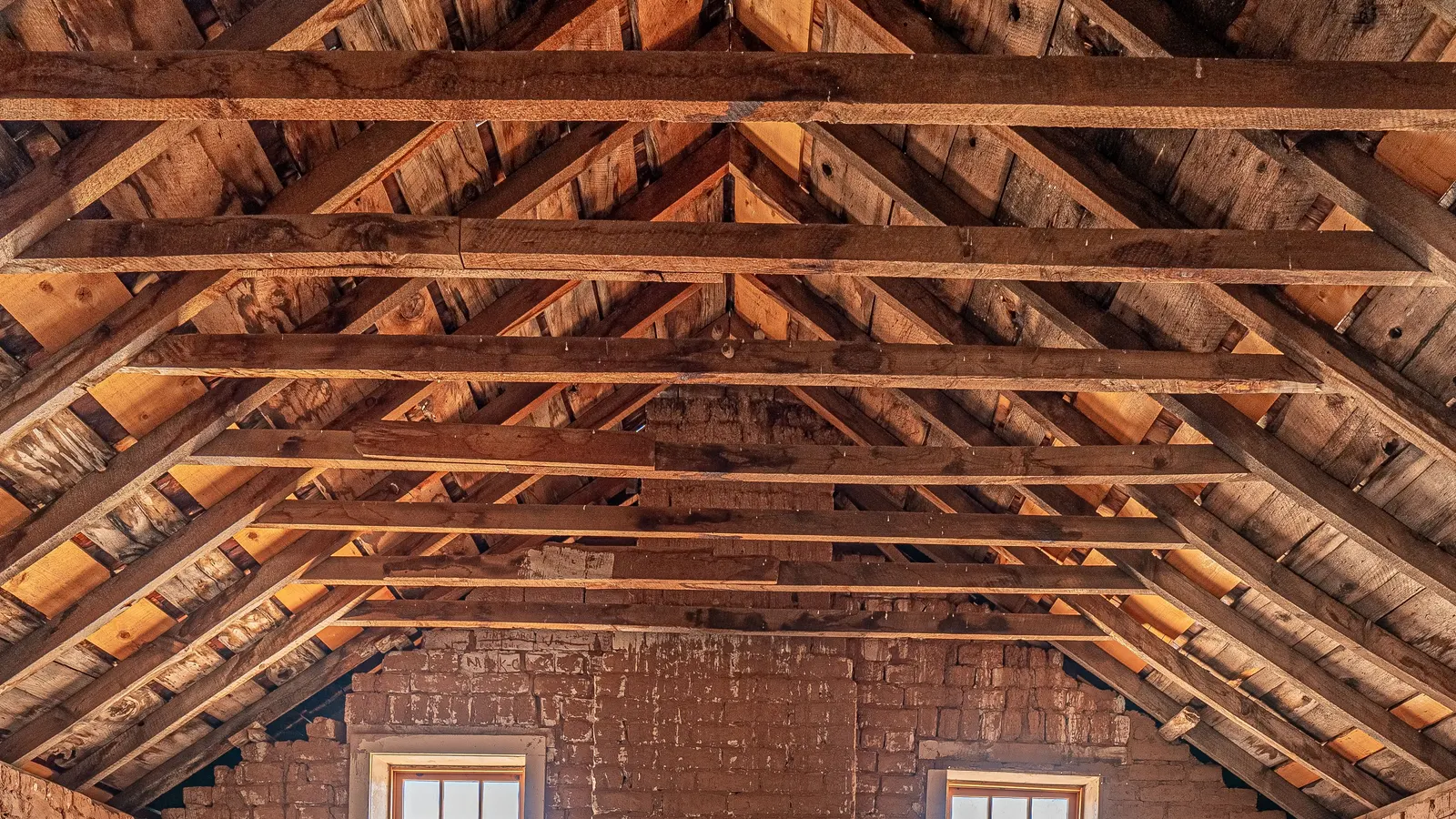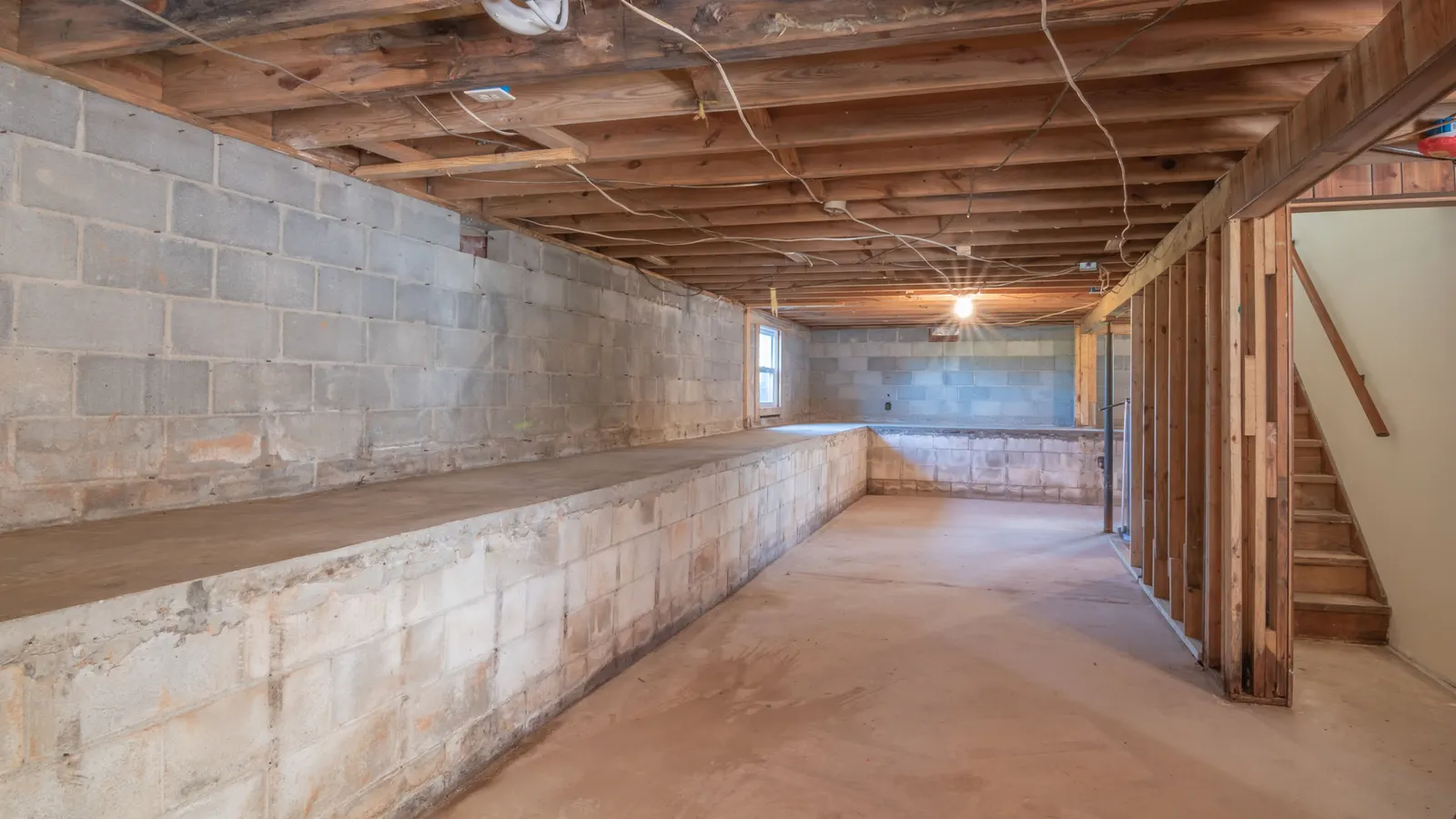
The first big storm of the fall usually comes through at night. By morning the gutters have spilled over onto the walkway, the corner of the basement smells damp, and something small has found its way into the attic.
None of that is bad luck. Water follows the path the roof and the gutters give it, and a mouse takes whatever gap it can fit through. In the fall the rain and the cold show up in the same week, so both go looking at once.
Most of these problems start small enough to fix in an afternoon. The trick is to find them on a dry day, before the first storm finds them for you.
Check01
Gutter & downspout cleaning
A full gutter sends the rain down the wall.
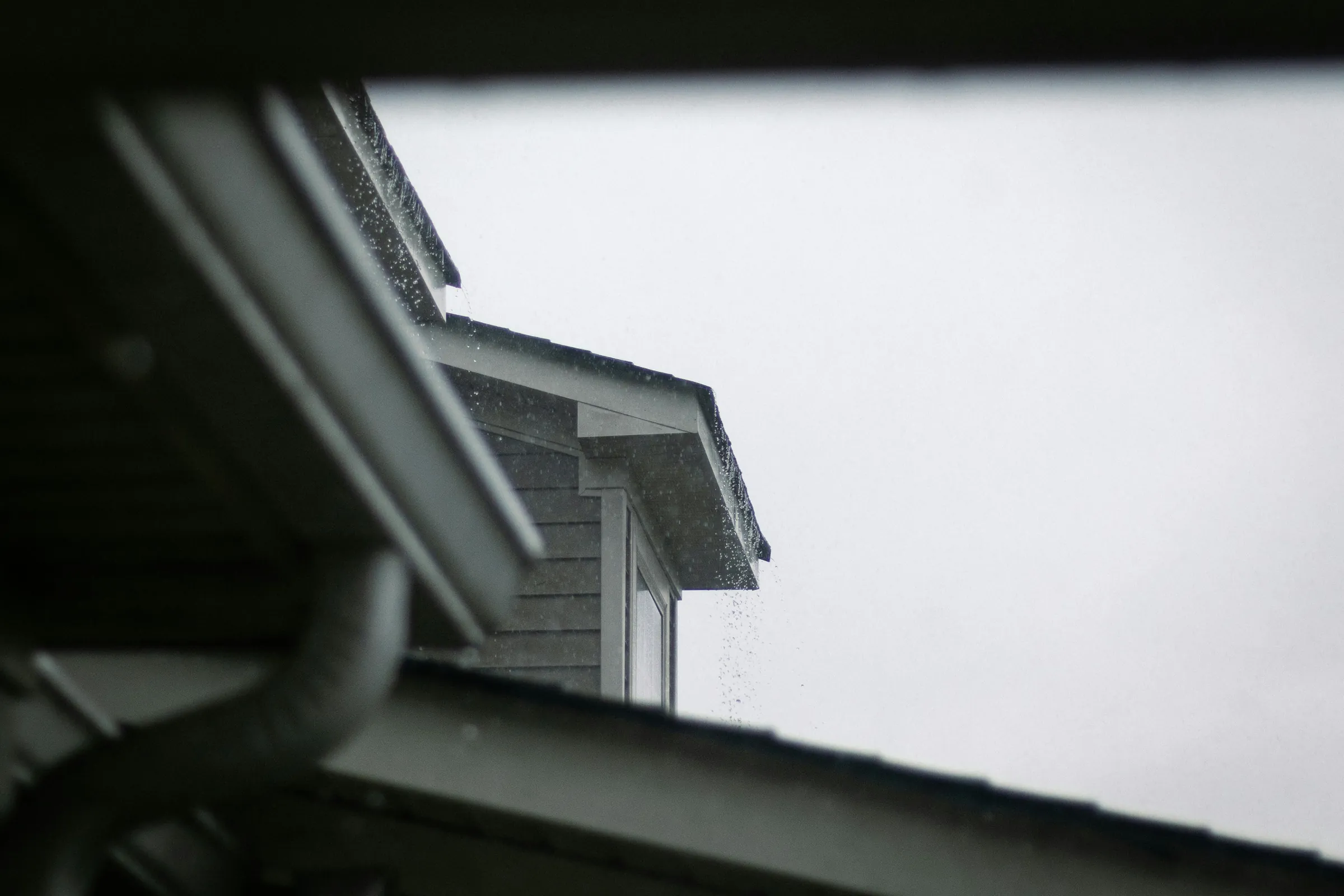
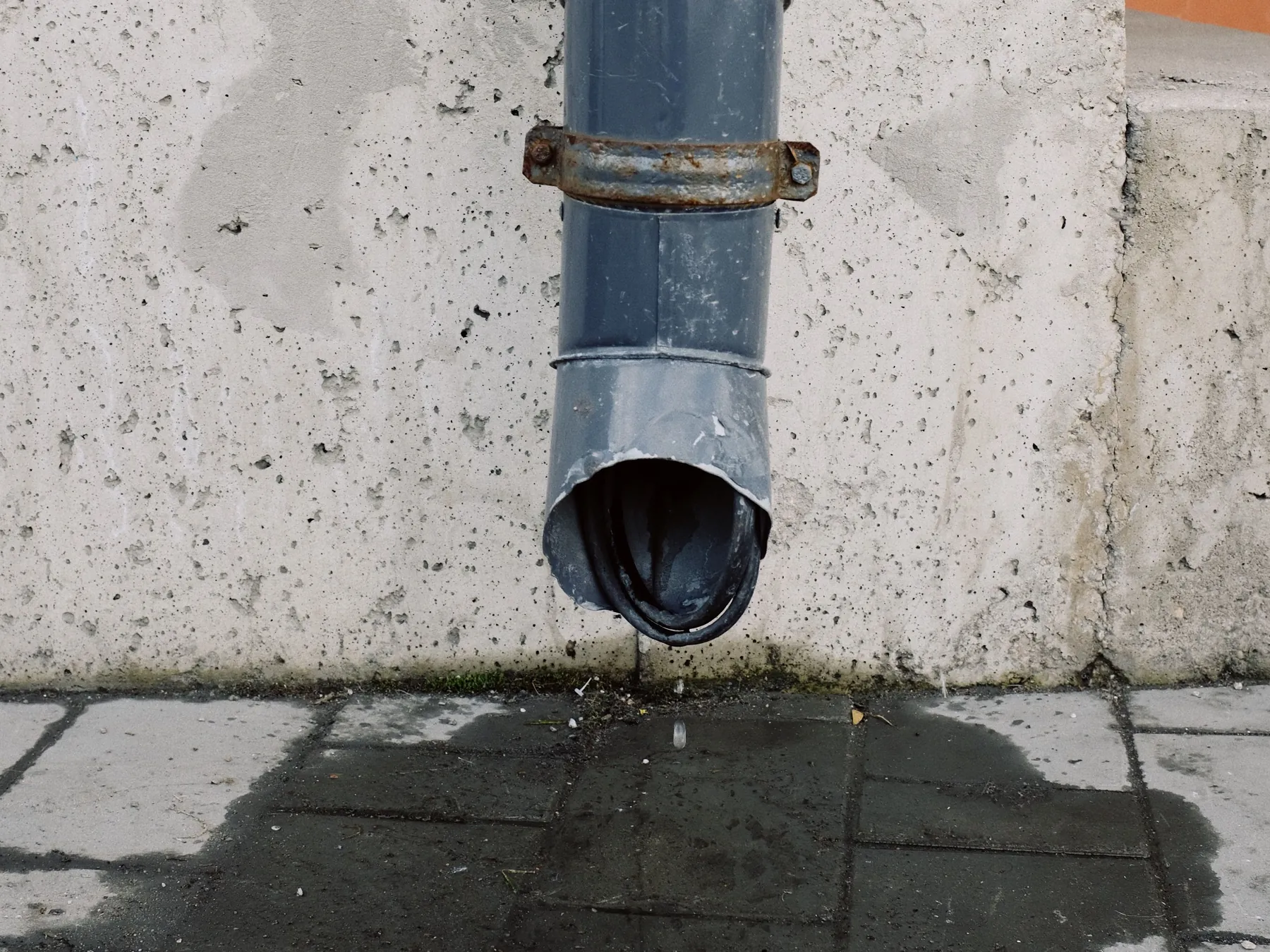
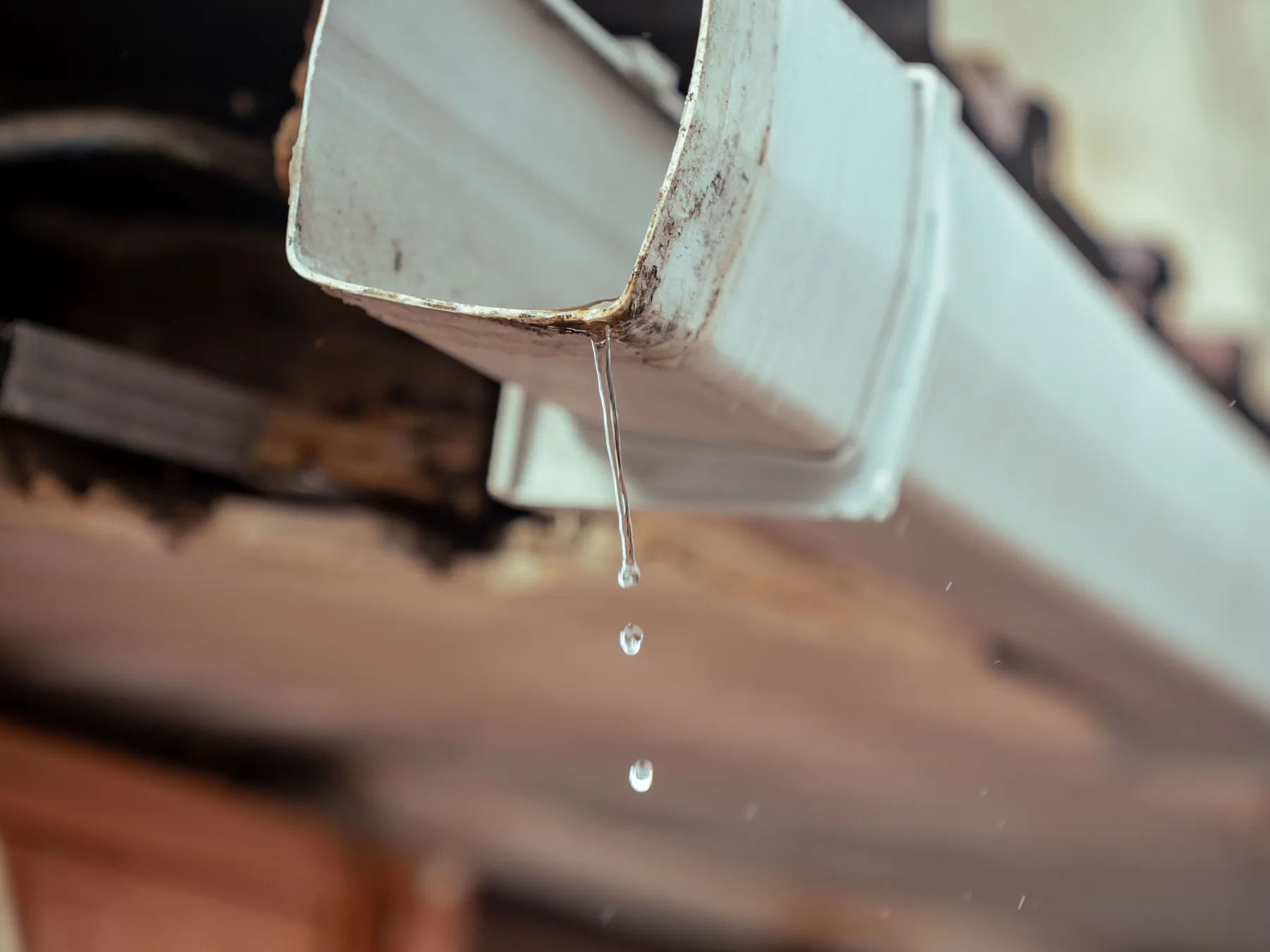
01 Water marks under a downspout outlet 02 Water dripping from a gutter end
Water runs downhill, and a roof is a big hill. In a normal winter, a typical 40 by 60 foot roof in Palo Alto sheds about 22,000 gallons of rain, and every gallon of it arrives at the gutters.
From there it should go down a downspout and out onto the ground, well away from the house. Leaves stop the first part. A downspout that empties onto the walkway, or into the planter against the wall, spoils the second. Either way the water ends up at the foundation, and the crawlspace is next.
We clean out every gutter run, flush each downspout and check that it empties away from the house. We also note any gutter pulling off the fascia and any joint that drips.
At a glance
- When
- After most of the leaves are down, before the heavy rain
- Goes to a partner
- Nothing
Where the water off a roof should go
Illustrative section, not to scale
-
Every drop that lands on the roof runs down to the eave. On a big roof in a long storm, that’s a lot of water arriving at one edge.
-
It catches the water at the eave and carries it along to a downspout. Packed with leaves, it overflows and drops the water straight down the wall.
-
Brings the water from the gutter down the wall in one pipe, instead of a curtain along the whole edge.
-
An elbow and an extension or splash block put the water on the ground away from the house. A downspout that empties at the wall puts it right back at the foundation.
-
Ground that falls away from the house carries the water the rest of the way. Ground that slopes toward it sends the water back.
Check02
Roof inspection
A visual check, before the rain finds the weak spot.
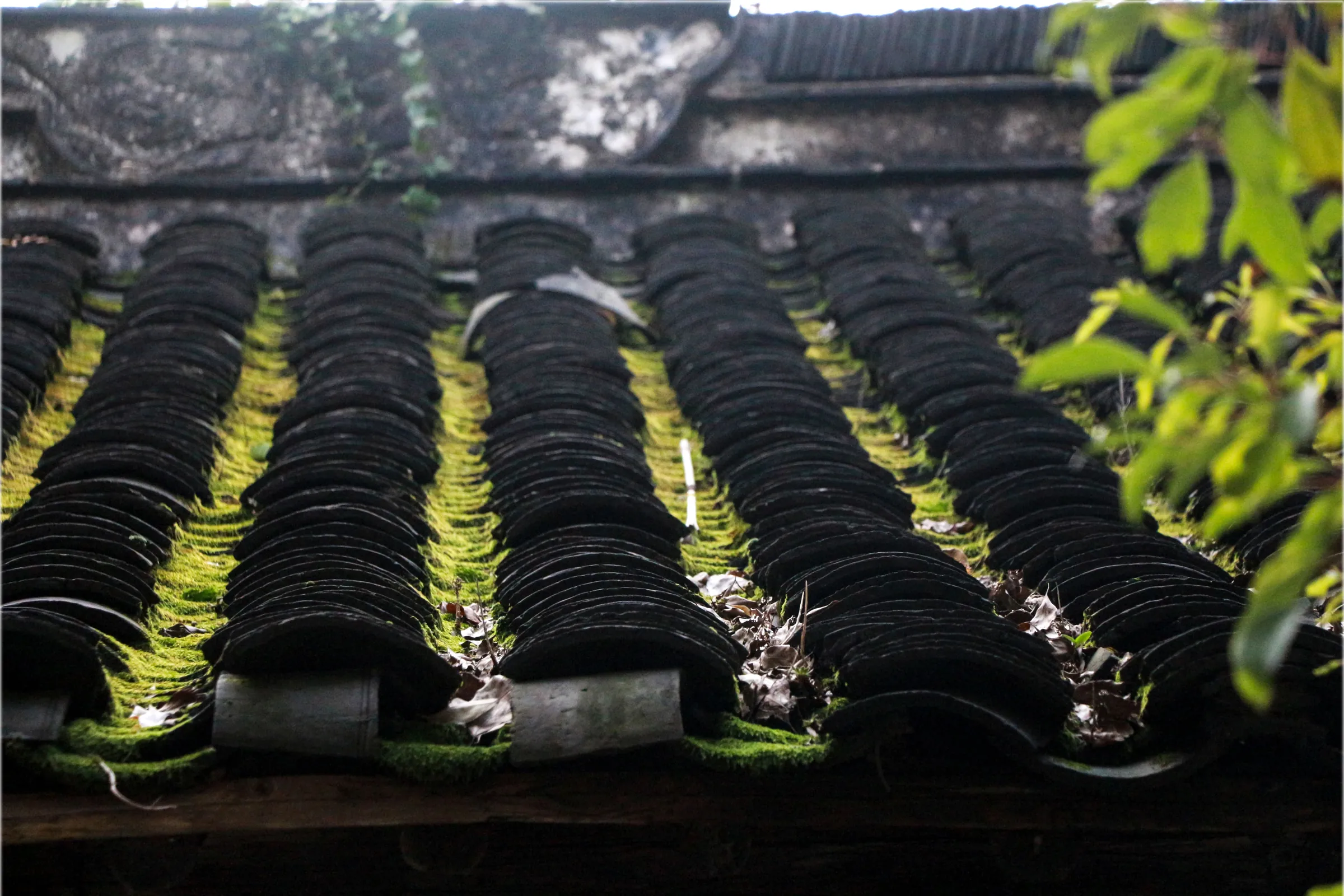
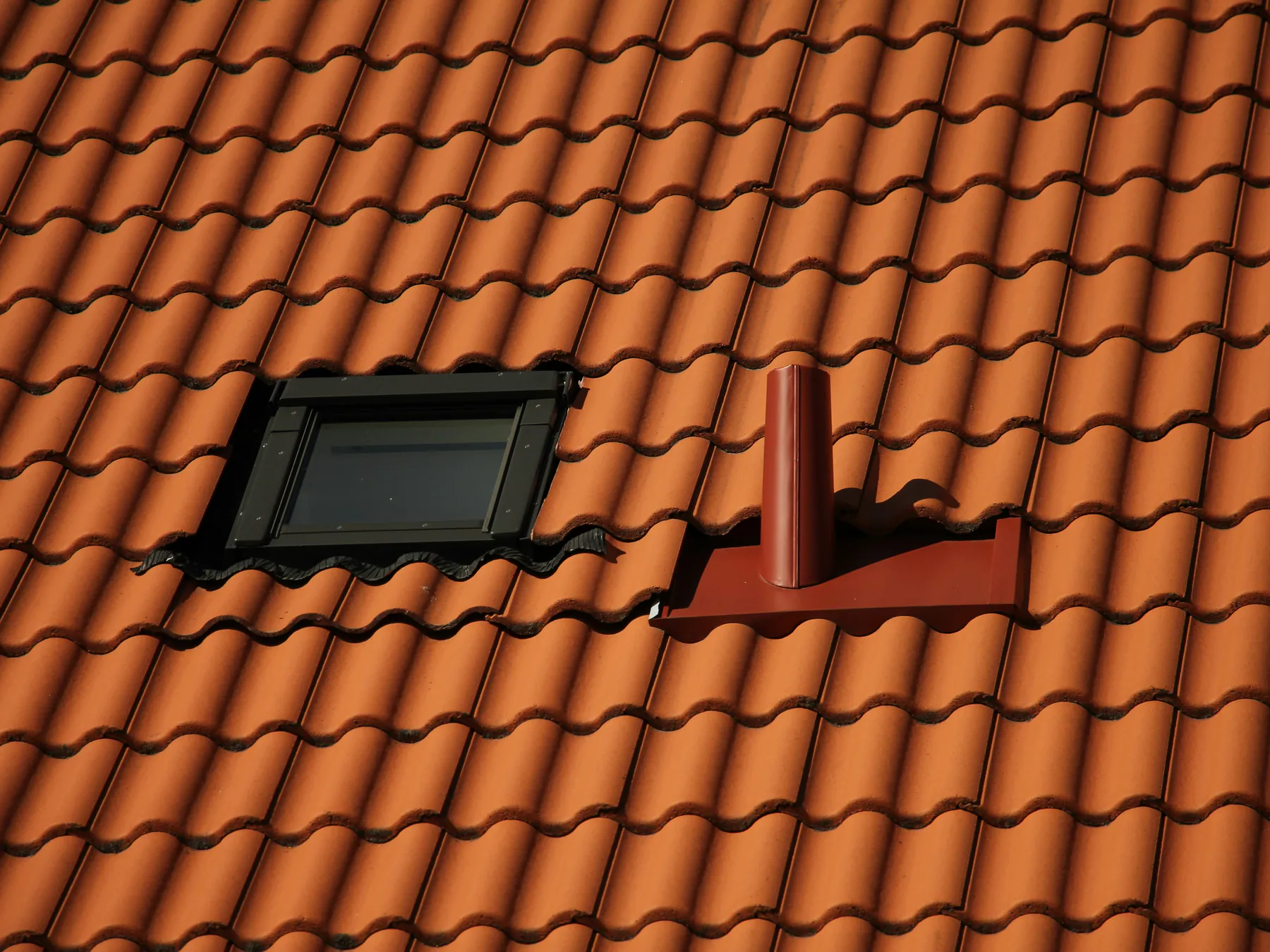
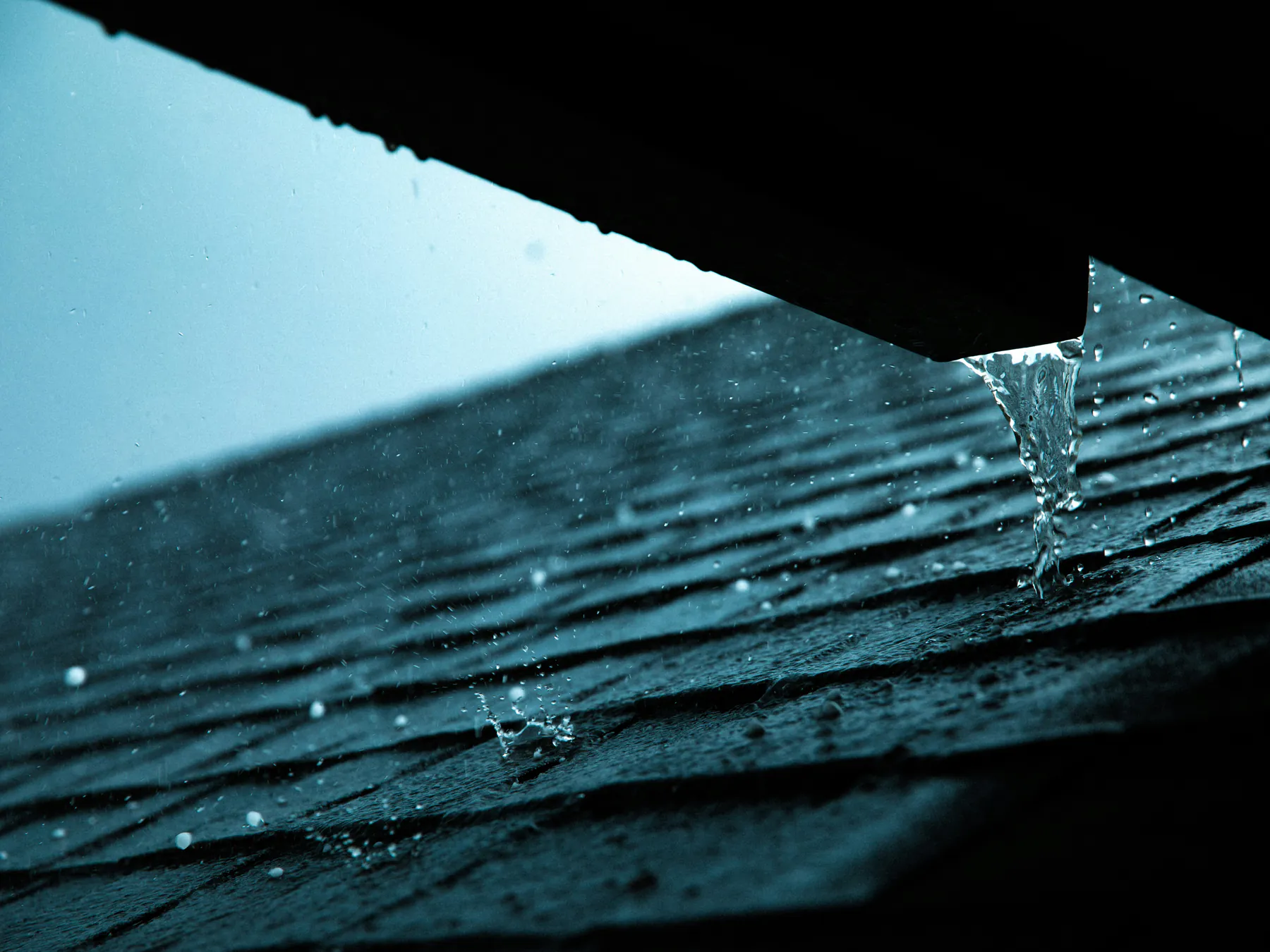
01 Flashing around a vent pipe 02 Rain running over shingles
A roof sheds water by overlap. Each row of shingles or tiles laps over the one below it, and metal flashing covers the joints at the chimney, the vents and the walls. A crack, a lifted edge or a bead of sealant the sun has dried out lets the water run under instead of over.
Summer does that work quietly. Then it rains, and a few weeks later there’s a brown ring on a bedroom ceiling. The insulation above it has been wet the whole time, and the EPA’s advice is to dry water damage within 24 to 48 hours to keep mold from starting.
We look over the accessible areas of the roof: cracked, lifted or missing shingles and tiles, the flashing at the chimney and vents, torn vent screens, moss, and branches resting on the roof. You get notes and photos of what we saw. If it’s a cracked shingle, lifted flashing or a small leak, our crew can repair it. It’s a visual condition check, so it doesn’t put a number of years on the roof.
At a glance
- When
- In the fall, before the first big storm
- Goes to a partner
- A new roof or anything structural, to a licensed roofer or an engineer we bring in
Check03
Sump pump service
If your house has one, it should run before you need it.
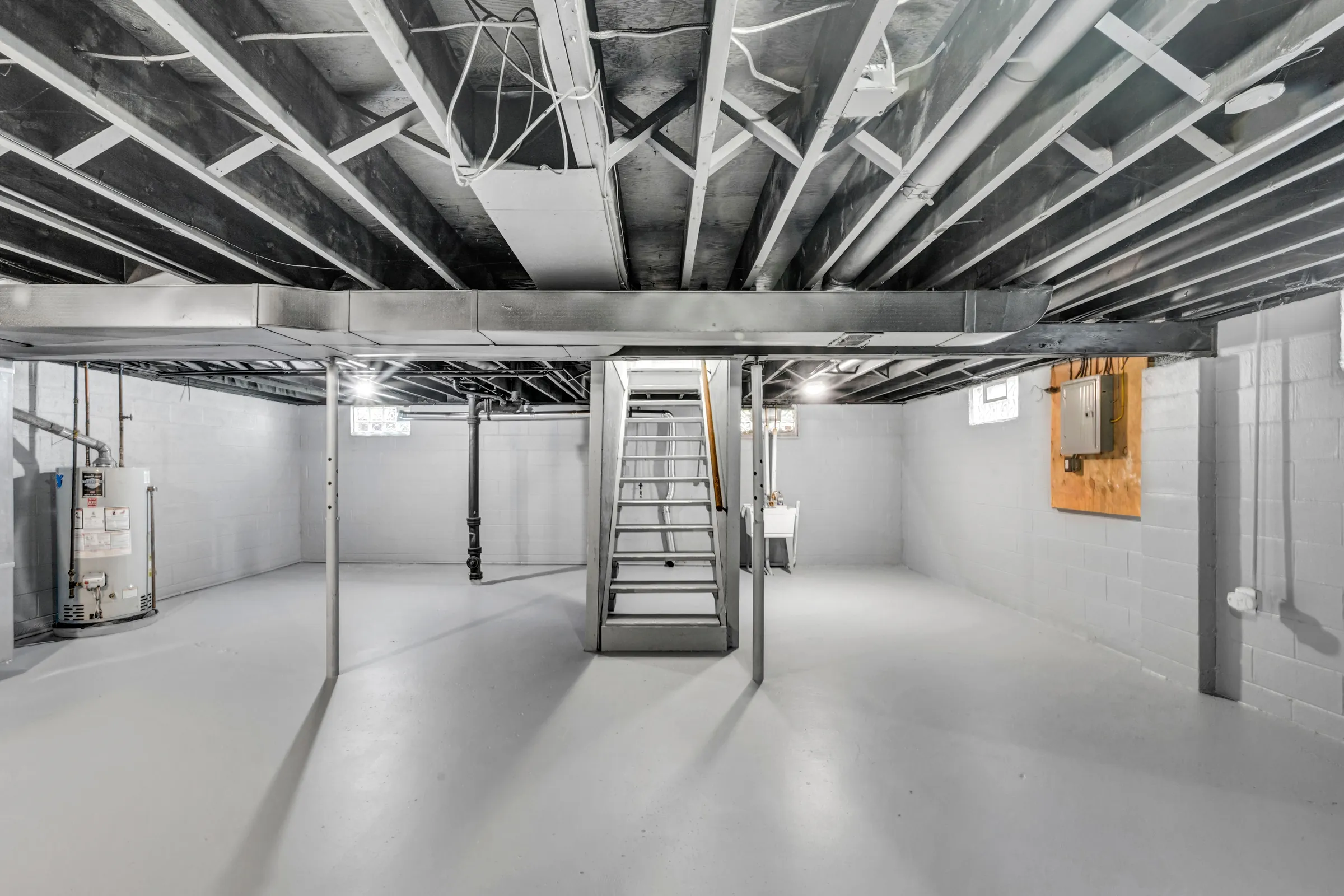

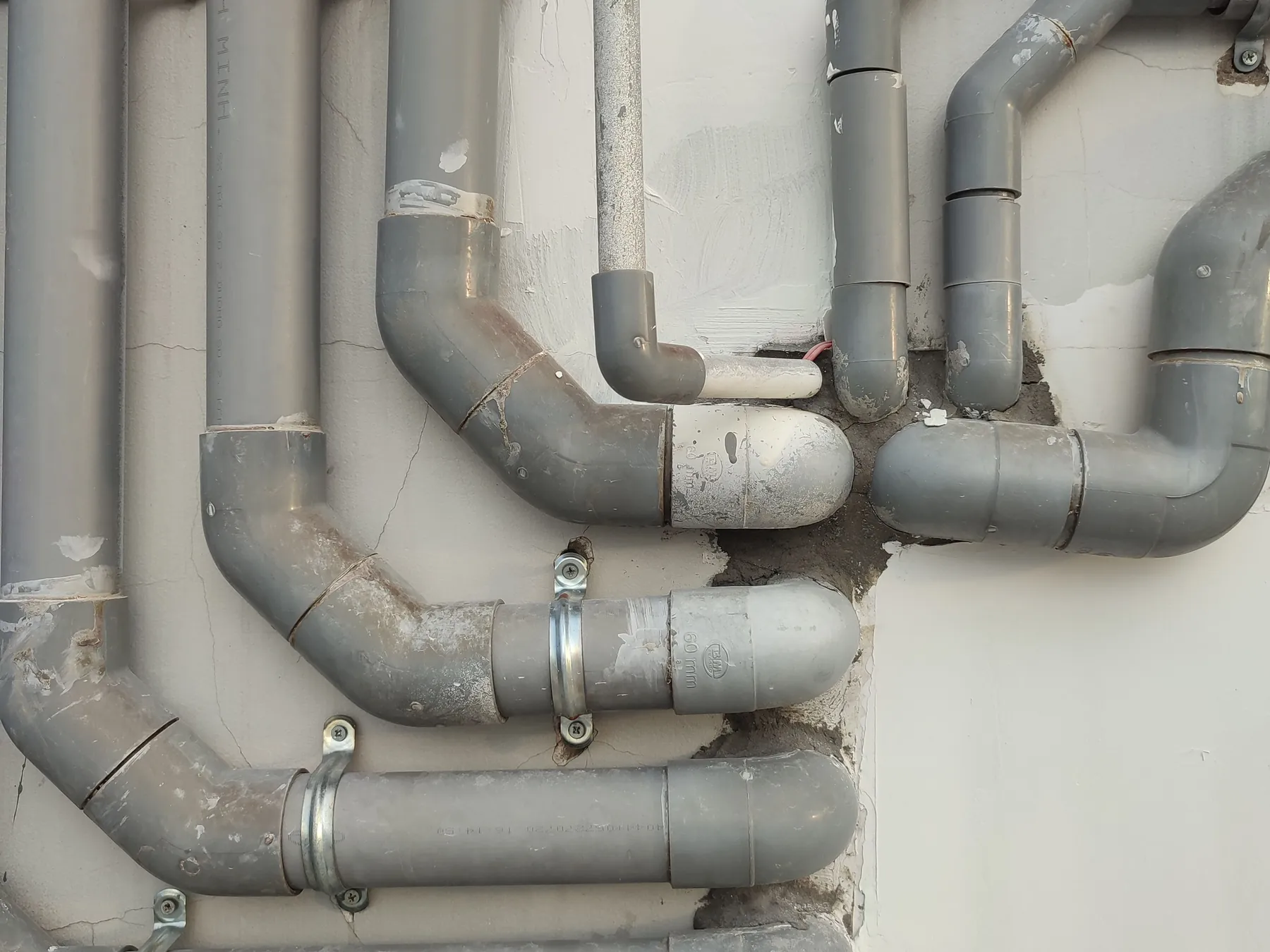
01 Water pouring from a pipe 02 Plastic pipes along a wall
Rain soaks into the soil around the house and drains into a pit at the lowest point of the basement or crawlspace floor. As the pit fills, a float rises with the water and switches the pump on. The pump pushes the water up a pipe and out through the wall, and a check valve stops it from falling back in.
Most of the year the pump sits still. In a lot of houses nobody has heard it run since the day it went in. Its first real work comes in the middle of a storm, which is a bad time to find out the float is stuck. A pump that doesn’t start can leave water across the floor, and insurers paid an average of $15,400 per water and freezing claim from 2019 to 2023.
Our service is a check of the accessible system for proper operation. We pour water into the pit, watch the pump switch on and off, and follow the discharge line outside to see where the water ends up.
Anything past that is plumbing. A pump that won’t run, a bad check valve or a new pump goes to a licensed plumber we bring in, and a dead outlet goes to a licensed electrician.
At a glance
- Pump life
- About 7 years, by InterNACHI’s estimate
- When
- Before the first long storm
- Goes to a partner
- Pump repairs or a new pump, to a licensed plumber. A dead outlet, to a licensed electrician
How a sump pump works
Illustrative section, not to scale
-
A liner set into the floor at the low point. Water from the soil under and around the house drains into it.
-
Rises with the water. At a set height it turns the pump on, and when the pit is low it turns it off. A float that sticks is the usual reason a pump sits still in a storm.
-
Sits on the bottom of the pit and pushes the water up the pipe. Most of the year it doesn’t run at all.
-
Lets the water go up and stops it falling back into the pit when the pump shuts off. A bad one goes to a licensed plumber.
-
Carries the water up and out through the wall.
-
Where the water lands outside. If it empties next to the wall, it can soak back down to the pit and go around again.
Check04
Visual inspection for rodent ports of entry
Mice move in when the nights turn cold. They need a way in first.
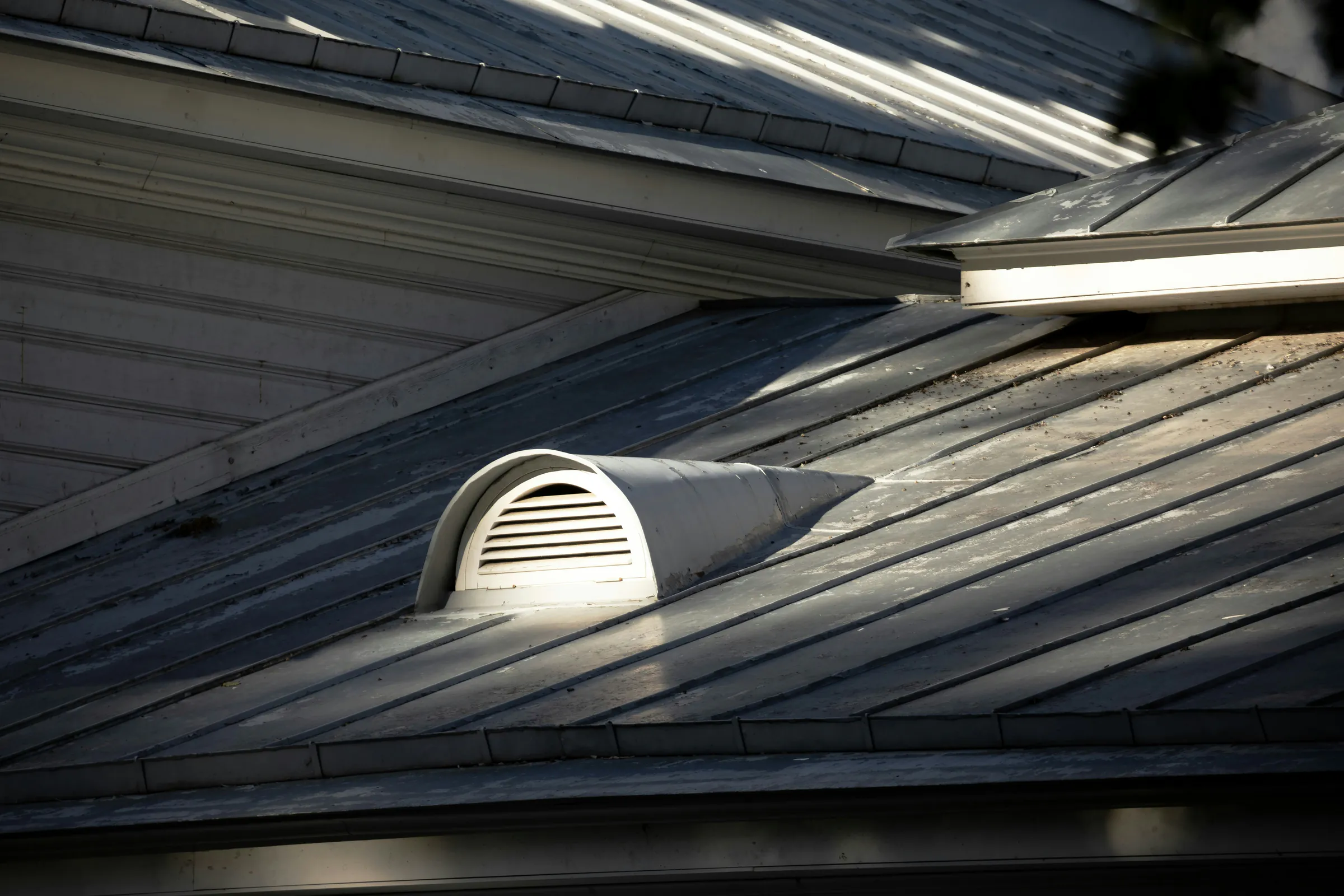
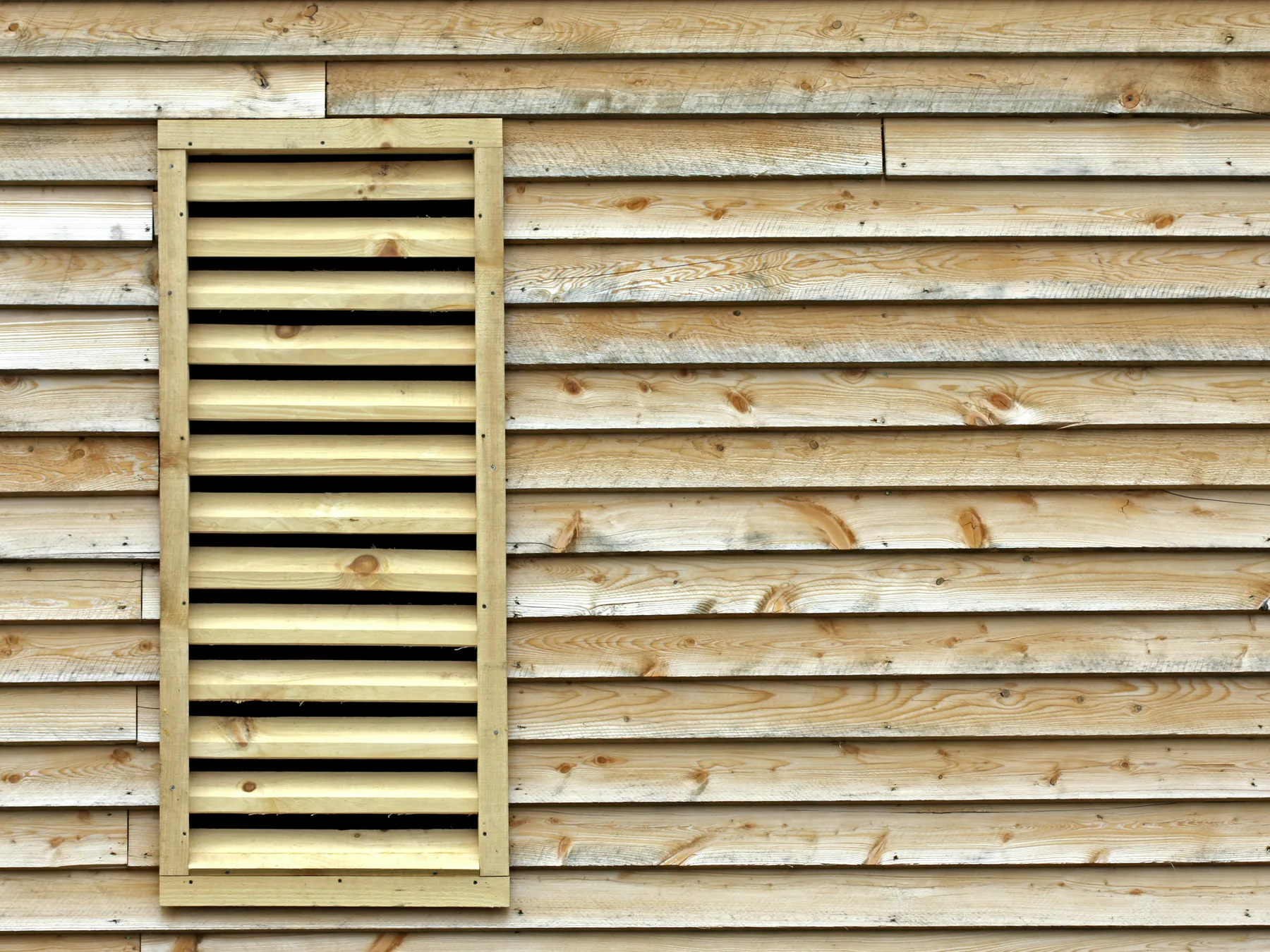
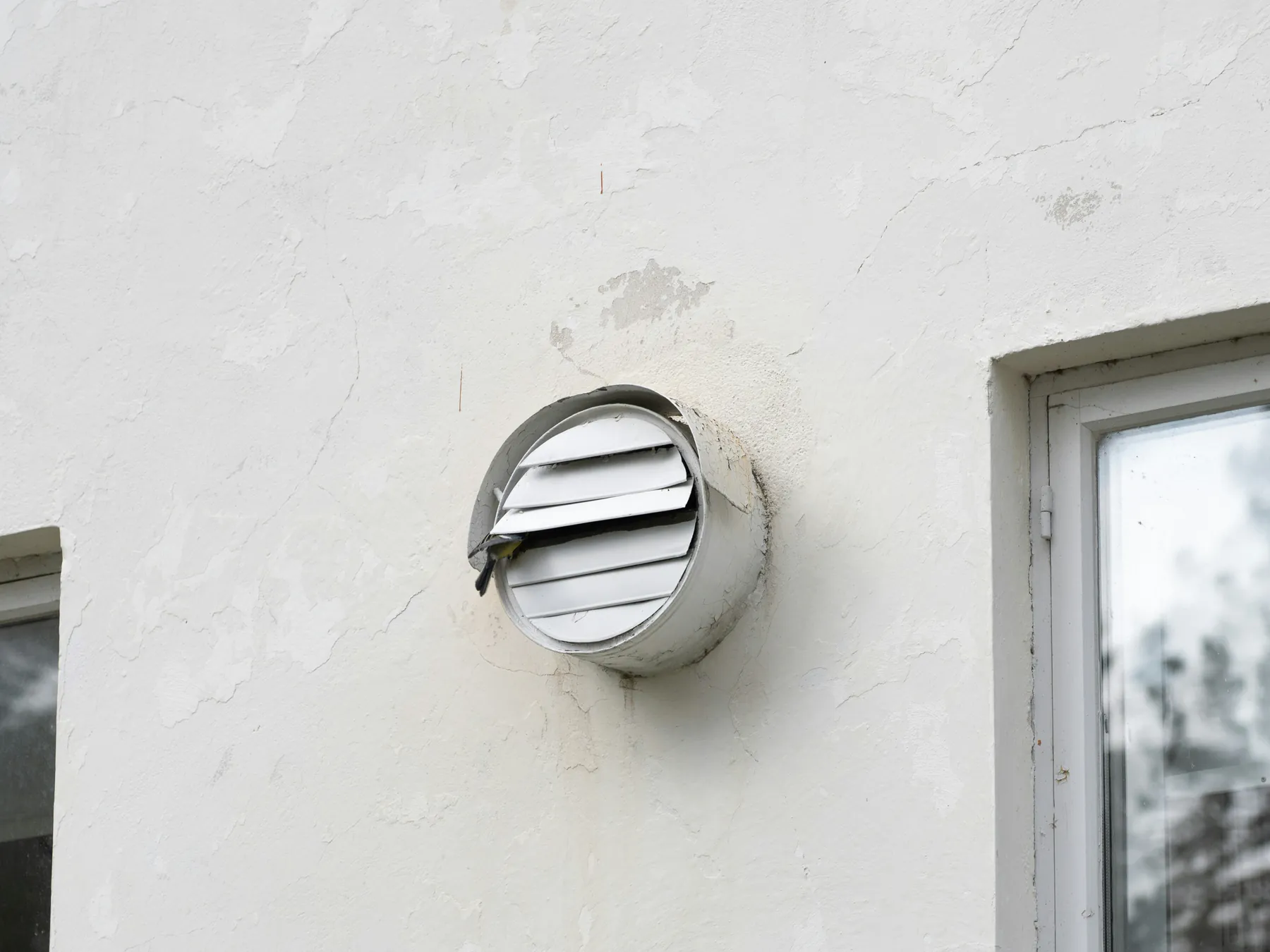
01 A gable vent in wood siding 02 A wall vent with a bent louver
It usually starts as a scratching in a wall late at night. House mice come indoors in the fall as the nights get colder, and they can squeeze under a gap a quarter inch tall.
The usual openings are a torn crawlspace vent screen, the hole around a pipe or cable where it goes through a wall, a garage door that doesn’t meet the slab, and gaps at the eaves and roof vents. The fix is metal or mortar. Foam, rubber and wood get chewed through.
We walk the outside of the house, from the crawlspace vents up to the roofline, and look for those openings. You get a list of what we found and where. Where it’s a gap in the building, our crew can seal it with metal mesh, mortar or a new vent screen.
We don’t trap, treat or remove animals. Our part is the house: we find the openings and seal them.
At a glance
- When
- Before the nights get cold
Where rodents and insects get in
-
01 The foundation
Torn crawlspace vent screens, a missing access door, cracks at the sill. Sealed with heavy galvanized mesh and mortar.
-
02 Pipes, wires and cables
The hole around each one is often left open. Closed with metal and mortar, not foam.
-
03 Doors
A garage door that doesn’t meet the slab, a worn sweep on an entry door. New sweeps and seals.
-
04 The roof
Eave vents, gaps at the fascia, open plumbing vents, and the branches and vines that lead up to them.
| Figure | What it means for you | Source |
|---|---|---|
| 22,000 gallons of rain off a typical 40 by 60 foot Palo Alto roof in a normal winter | All of it goes through the gutters and downspouts on its way to the ground. | Our math from NOAA normals and USGS, Rain and Precipitation |
| 24 to 48 hours to dry out water damage to prevent mold | A slow roof leak that shows up as a ceiling stain has usually been wet a lot longer than that. | US EPA, A Brief Guide to Mold, Moisture and Your Home |
| $15,400 average paid per homeowners claim for water and freezing damage, 2019 to 2023 | What water costs once it’s inside the house. | Insurance Information Institute, Facts and Statistics: Homeowners and Renters Insurance |
| About 7 years estimated life of a sump pump | An older pump is worth a test before the rain. This is general guidance, not a McDermaid warranty or guarantee. | InterNACHI, Standard Estimated Life Expectancy Chart for Homes |
| 1/4 inch gap a house mouse can squeeze under | Small gaps count. A hole you can’t fit a pencil through can still let a mouse in. | UC IPM Pest Notes: House Mouse, UC ANR Publication 7483 |
For the drains and the signs of a leak, see what our winter prep visit covers. For the rounds you can do yourself, here’s our yearly checklist. And if you’d rather have all of it on the calendar every year, that’s what our Annual Maintenance Program is for.
- Our visit What Our Winter Prep Visit Covers The drains, the sump pump and the signs of a leak, in the order we check them.
- Do it yourself Getting Your House Ready for Winter The rounds you can walk yourself before winter, and when to call someone.
- Every year Annual Maintenance Program All of it on the calendar, once a year, without you having to remember.



We’re booking these visits now. Book a free walk-through or call (650) 961-7415.
Sources (5)
- Our math from NOAA normals and USGS, Rain and Precipitation usgs.gov (https://www.usgs.gov/water-science-school/science/rain-and-precipitation) Back
- US EPA, A Brief Guide to Mold, Moisture and Your Home epa.gov (https://www.epa.gov/mold/brief-guide-mold-moisture-and-your-home) Back
- Insurance Information Institute, Facts and Statistics: Homeowners and Renters Insurance iii.org (https://www.iii.org/fact-statistic/facts-statistics-homeowners-and-renters-insurance) Back
- InterNACHI, Standard Estimated Life Expectancy Chart for Homes nachi.org (https://www.nachi.org/life-expectancy.htm) Back
- UC IPM Pest Notes: House Mouse, UC ANR Publication 7483 ipm.ucanr.edu (https://ipm.ucanr.edu/legacy_assets/pdf/pestnotes/pnhousemouse.pdf) Back