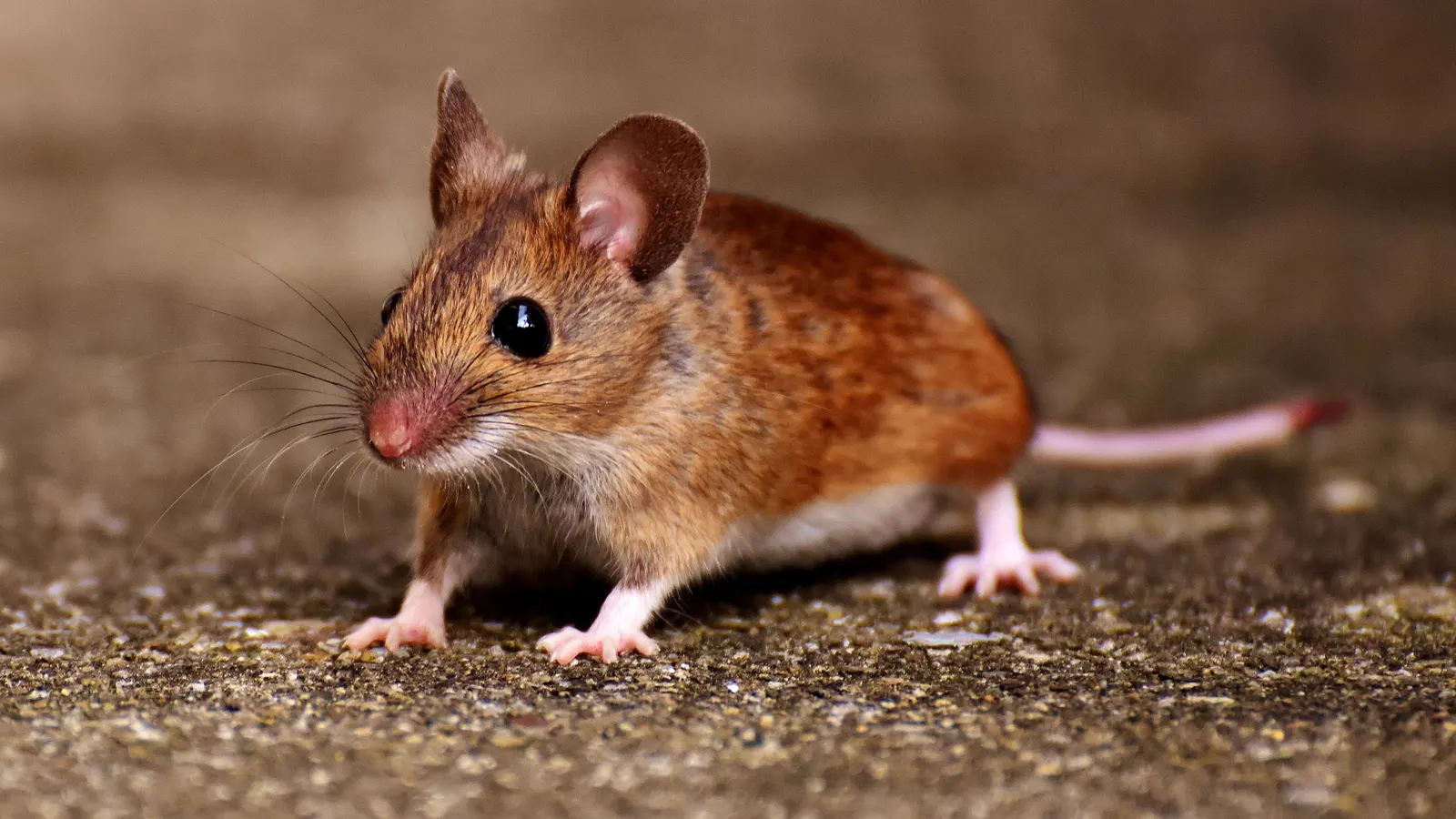
Mice tend to move in when the nights turn cold. A house is warm and has food. Why that house and not the one next door? It had a way in.
The openings are smaller than most people expect. University of California pest researchers put them at a fraction of an inch.
| Animal and gap | Gap (inches) |
|---|---|
| House mouse, under a gap this tall | 0.25 |
| House mouse, through an opening this wide | 0.375 |
| Young rat, under a door with a gap this tall | 0.5 |
Sources (2)
Sources: UC IPM Pest Notes: House Mouse, UC ANR Publication 7483, 2025; UC IPM Pest Notes: Rats, UC ANR Publication 74106, 2025.
That is ¼ inch, ⅜ inch and ½ inch. Gaps that size are easy to walk past.
Why does it matter? Once they are in, rodents chew. In a crawlspace, a basement or an attic they tunnel through the insulation and gnaw the covering off electrical wiring. Torn insulation has to come out and be replaced, and chewed wiring goes to a licensed electrical partner we bring in and coordinate. A gap sealed in the fall is a smaller job than either.
Where they get in, from the ground up
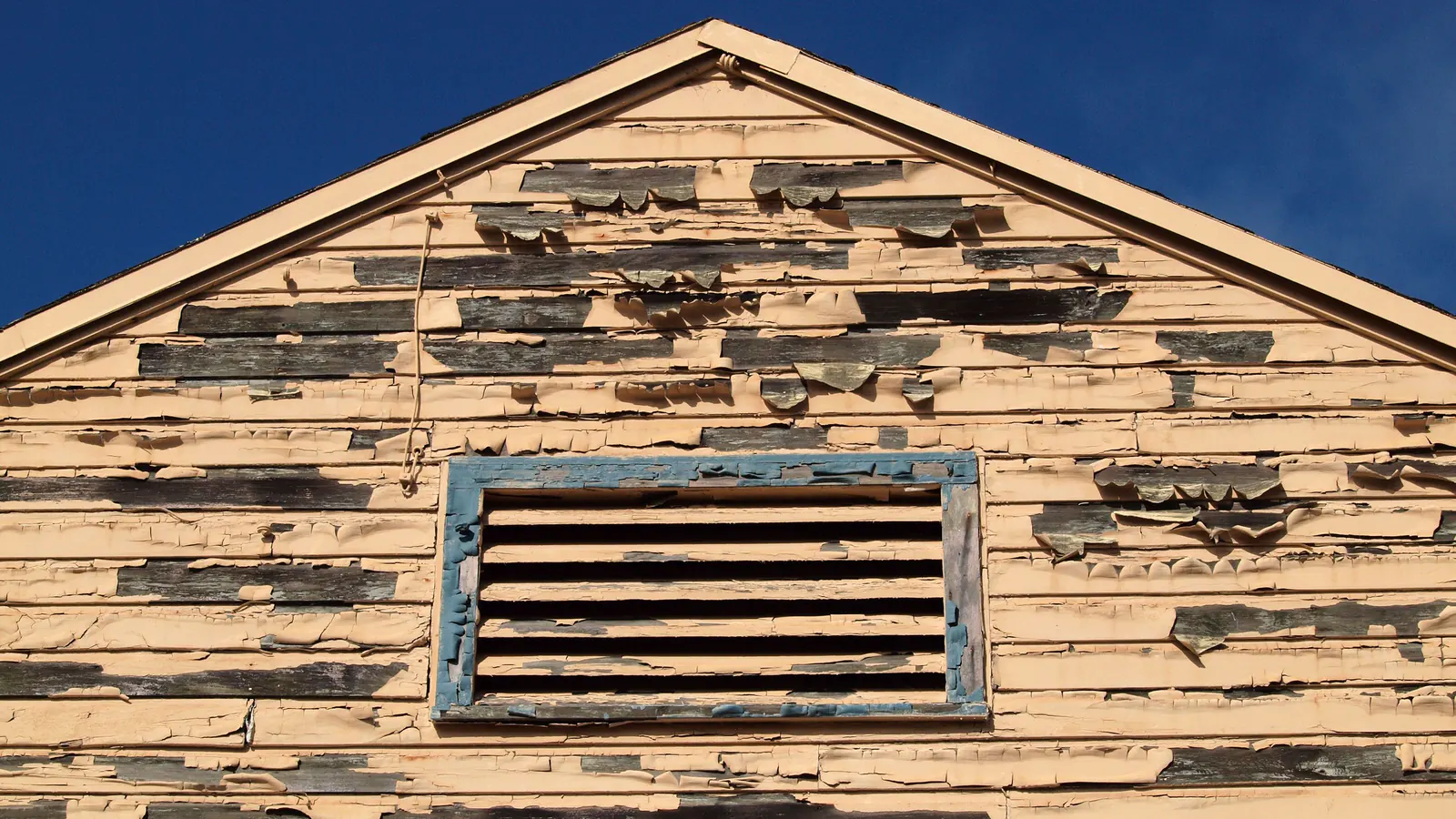
First, the foundation. Crawlspace vents with torn or rusted screens, a missing access door, cracks where the siding meets the foundation. Second, every place a pipe, wire or cable goes through a wall. The hole around it is often left open. Third, doors. A garage door that doesn’t meet the slab, or an entry door with a worn sweep. Fourth, the roof. Roof rats climb, so eave vents, gaps at the fascia and plumbing vent pipes count as openings too, and so do the branches and vines that lead to them.
Insects come through the same gaps and through smaller ones. Ants follow a trail from outside, often along a pipe or wire. UC IPM’s advice for ants is the same as for mice: find where they enter and seal it, and fix the leaky faucet that drew them.
What actually seals a gap
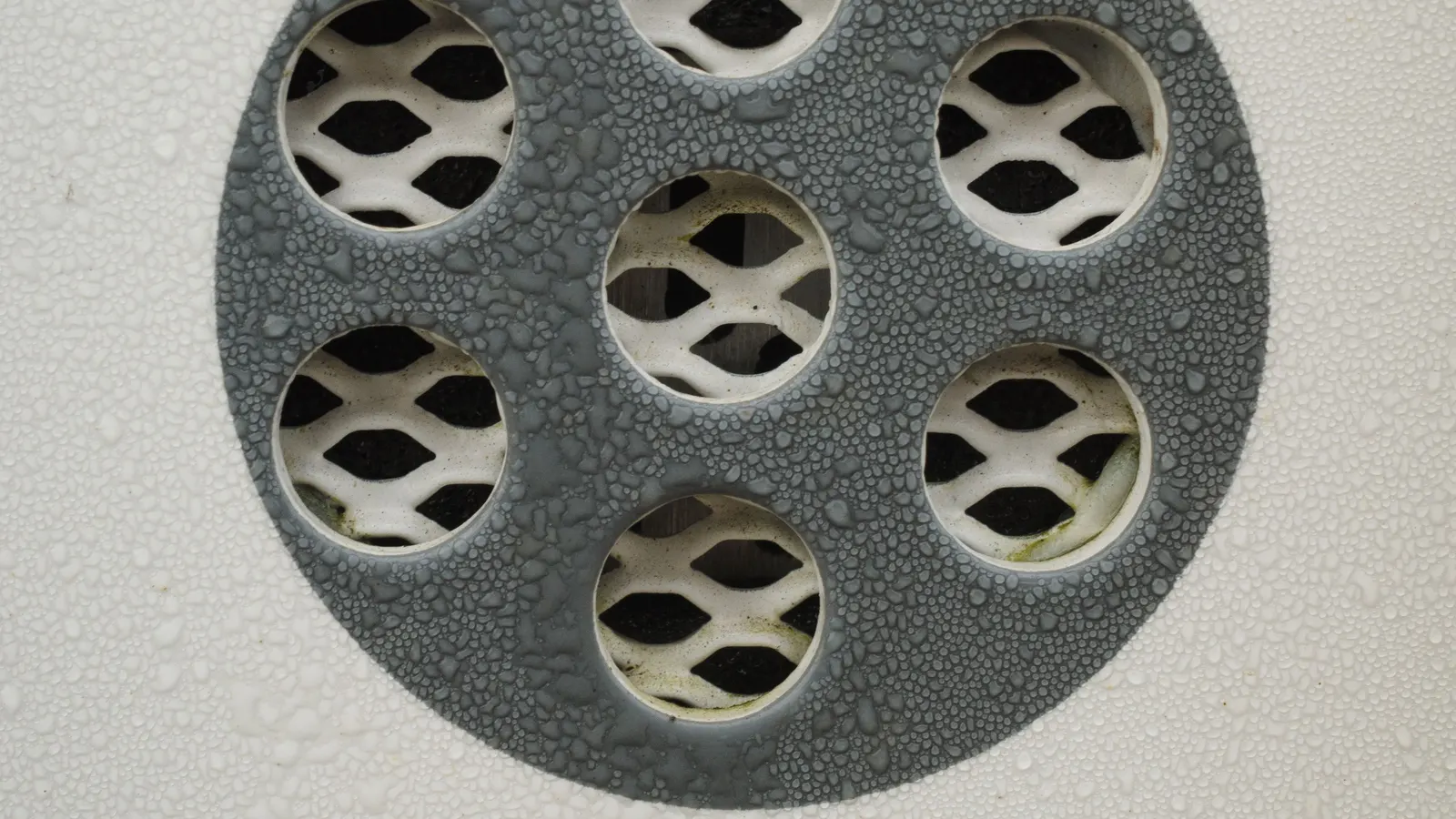
Rodents chew. UC IPM lists plastic screening, rubber, vinyl, expanding foam and wood as ineffective for plugging holes, and says rats get through caulk as well. Steel wool works as a temporary plug, then rusts. What lasts is metal and concrete.
| Figure | What it means for you | Source |
|---|---|---|
| Seal every hole larger than 1/4 inch to keep out both rats and mice | Small gaps count. We seal them with metal or mortar, not foam. | UC IPM Pest Notes: Rats |
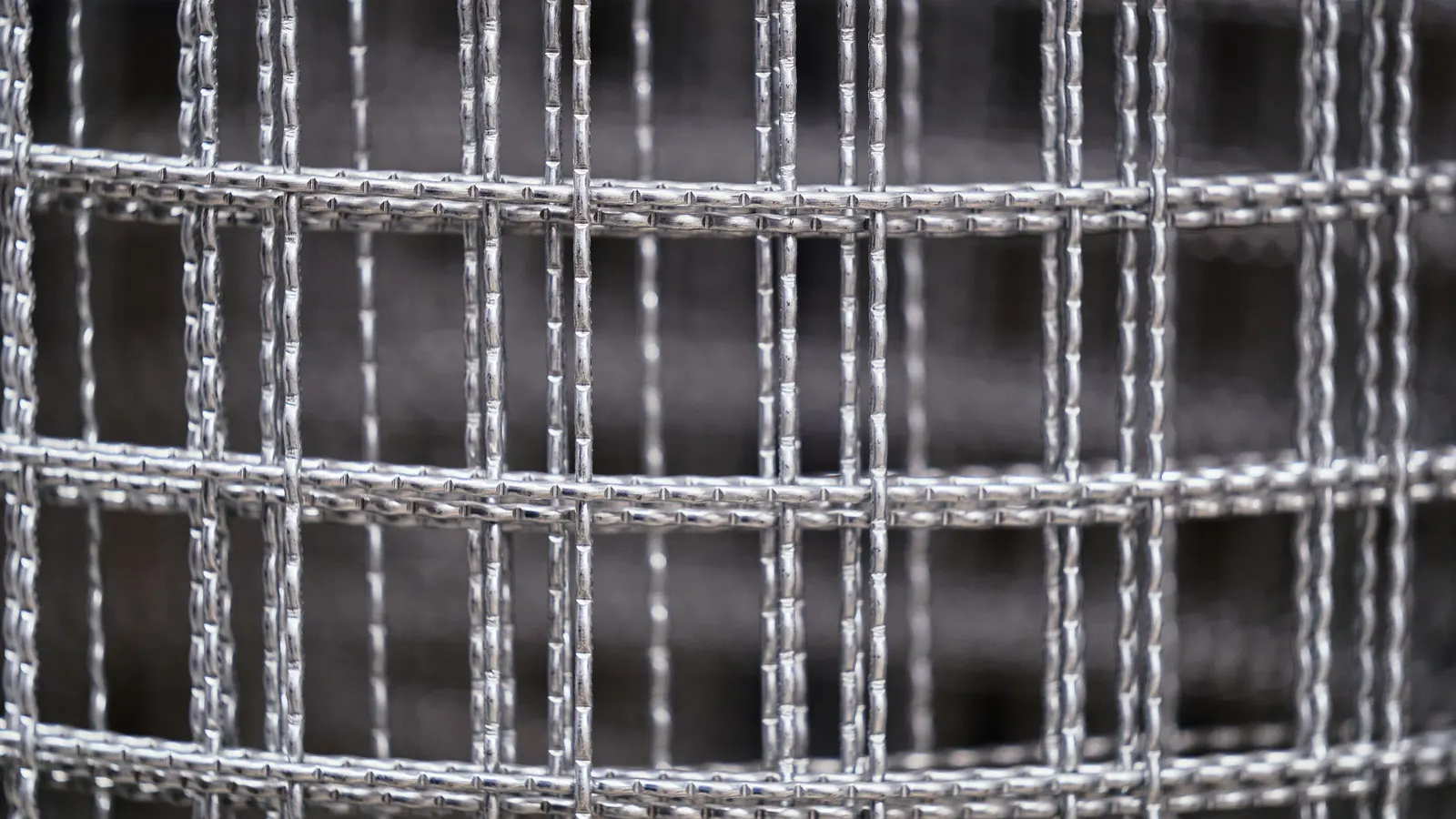
| Vent covers enclosed with 1/2 inch mesh, 18 gauge galvanized expanded metal or 16 gauge galvanized wire cloth | Window screen and chicken wire don’t stop rats. Heavy galvanized mesh does. | UC IPM Pest Notes: Rats |
| Rooftop plumbing vent pipes more than 2 inches across get screens over their tops | The roof is an entry too. We check vent tops along with the eaves. | UC IPM Pest Notes: Rats |
Where rodents and insects get in
-
01 The foundation
Torn crawlspace vent screens, a missing access door, cracks at the sill. Sealed with heavy galvanized mesh and mortar.
-
02 Pipes, wires and cables
The hole around each one is often left open. Closed with metal and mortar, not foam.
-
03 Doors
A garage door that doesn’t meet the slab, a worn sweep on an entry door. New sweeps and seals.
-
04 The roof
Eave vents, gaps at the fascia, open plumbing vents, and the branches and vines that lead up to them.
What a winter inspection covers
The rain and the cold send mice and rats looking for a way in, so fall is the time to look. We go through the basement or the crawlspace, then walk the outside of the house. The visit has four parts.
- Basement and crawlspace inspections. We look for signs of rodent activity down there: chewed insulation, gnawed wood or wiring, a torn vapor barrier. And we look for the ways in.
- Entry point identification. We check the accessible openings, vents, gaps and penetrations where rodents may get in: the foundation and eave vents, the gaps at the siding and the fascia, the holes around pipes, wires and cables, and the doors.
- Rodent proofing recommendations. We tell you which openings need sealing, which vents need new screens, and what else is worth doing to keep them out.
- Preventative repairs. Where the work is within our scope, we close the accessible openings and fix the weak spots: galvanized mesh on the vents, sheet metal and mortar in the gaps, new door sweeps, rotten vent frames and trim replaced.
If there are signs that animals are still inside, we tell you before we seal anything. Closing a hole with a rat behind it makes things worse.
We look at the moisture down there while we’re at it. A damp crawlspace soaks the insulation and softens the wood, and why crawlspaces and basements get damp covers what causes it.
What we do
We keep pests out. If they are already inside, a licensed pest control company handles the removal, and we time our work around theirs.
Our part is the house. We find the openings and close them with metal mesh, sheet metal flashing, mortar and new door sweeps. Then we repair what they damaged: chewed siding and trim, torn vent screens, insulation.
Our rodent and insect entry points page covers the work. Our yearly exterior checklist includes the fall walk around for gaps. When you’re ready, request an estimate.
Sources (2)
- UC IPM Pest Notes: House Mouse, UC ANR Publication 7483, 2025 ipm.ucanr.edu (https://ipm.ucanr.edu/legacy_assets/pdf/pestnotes/pnhousemouse.pdf) Back
- UC IPM Pest Notes: Rats, UC ANR Publication 74106, 2025 ipm.ucanr.edu (https://ipm.ucanr.edu/home-and-landscape/rats/pest-notes/) Cited 1, 2, 3, 4