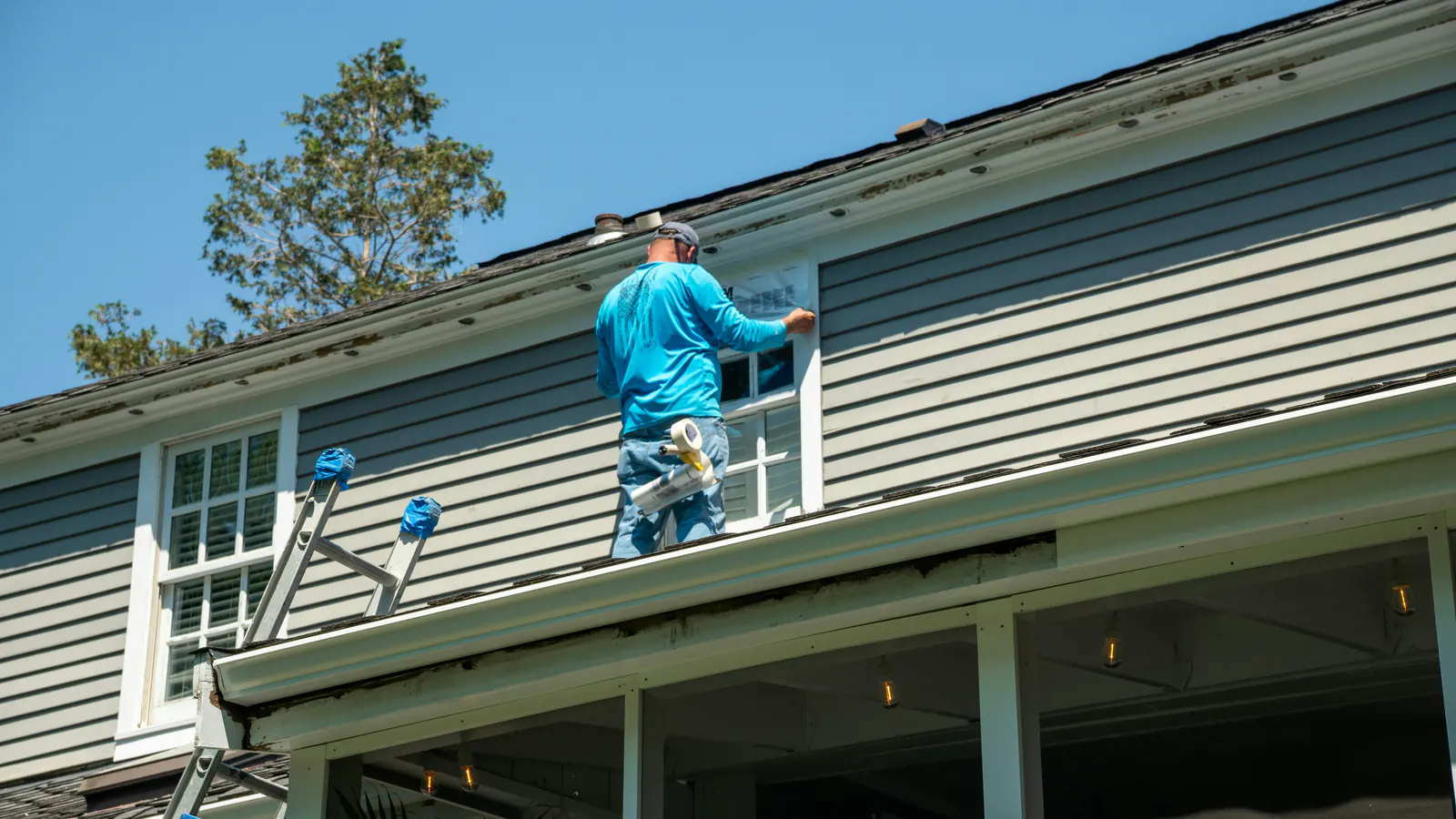
The short version: prep decides how long exterior paint holds on. Fill and sand the damage, caulk only the joints that should be closed, and prime bare wood quickly.
Everyone sees the color; filling, sanding, caulking and priming decide how well it holds through sun and rain. This Home Preservation series post shows that work on a cedar shingle house with painted trim, photographed as it happened.
What the Research Says About Prep
| Figure | What it means for you | Source |
|---|---|---|
| Paint on cedar left in the sun 16 weeks before painting needed redoing within 3 years | Bare wood that weathers before it is primed holds paint far worse. Timing is part of prep. | USDA Forest Products Laboratory, Wood Handbook, 2021 |
| Even 1 week of sun cut paint life: peeling started after 13 years vs. still good after 20 for unexposed boards | Damage starts before you can see it. Prime bare and freshly sanded wood quickly. | USDA Forest Products Laboratory, Wood Handbook, 2021 |
| 10 to 20 years typical service life for paint on wood siding | The upper end assumes a primer and two good topcoats. Skimping on either shortens it. | USDA Forest Products Laboratory, Wood Handbook, 2021 |
| 5 to 10 years estimated life for exterior caulking | Old caulk joints are often past due. Check and redo them as part of every repaint. | InterNACHI life expectancy chart |
| Under 1 inch of rain from May through September in a normal Palo Alto year | Our dry season is long, which makes it the right time to prep and paint. Our math from the monthly normals. | NOAA NCEI 1991-2020 normals, Palo Alto |
| Weeks in the sun before painting | What happened to the paint | Good service (years) |
|---|---|---|
| 0 weeks | Still in good condition | 20+ |
| 1 week | Started peeling | 13 |
| 16 weeks | Peeled and needed refinishing | Under 3 |
Source
Source: USDA Forest Products Laboratory, Wood Handbook, chapter 16. The test used vertical-grain western redcedar, a commercial primer and two latex topcoats. Denser woods such as Douglas-fir lost little adhesion until about 3 to 4 weeks of exposure.
In the source list: 1
The service lives on this page are typical ranges from published research, and real results depend on exposure, surface prep, the product and maintenance. This is general guidance, not a McDermaid warranty or guarantee.

| Month | Normal rain (inches) | Days with rain (days) |
|---|---|---|
| October | 0.64 | 2.5 |
| November | 1.60 | 6.2 |
| December | 2.95 | 9.7 |
| January | 2.95 | 10.0 |
| February | 3.18 | 10.1 |
| March | 2.19 | 8.2 |
| April | 0.97 | 5.2 |
| May | 0.44 | 2.5 |
| June | 0.10 | 0.7 |
| July | 0.00 | 0.0 |
| August | 0.03 | 0.2 |
| September | 0.07 | 0.5 |
Source
Source: NOAA NCEI 1991-2020 monthly normals, Palo Alto station 046646. A day with rain means 0.01 inch or more.
In the source list: 3
Did you know?
- A normal Palo Alto year brings about 15 inches of rain, but only about 0.64 of it falls from May through September (our math from the monthly normals). NOAA NCEI
- Denser woods such as Douglas-fir lost little paint adhesion until about 3 to 4 weeks in the sun. Western redcedar started losing it in 1 week. USDA Forest Products Laboratory
- About 72% of Palo Alto homes were built before 1980, so much of the paint being prepped here is decades old (our math from the Census estimate). U.S. Census Bureau
Why it matters: the handbook’s most common causes of early paint failure are water, sun-weathered wood before painting, poor surface prep and too thin a coat. Every one is decided before the color goes on.

Start Where Water Hits Hardest
The trim board at the base of the wall, where the siding ends, takes splash from rain, sprinklers and soil, and its dents, open joints and cracks let water into the wood. On this house, the crew filled every opening along the base trim.
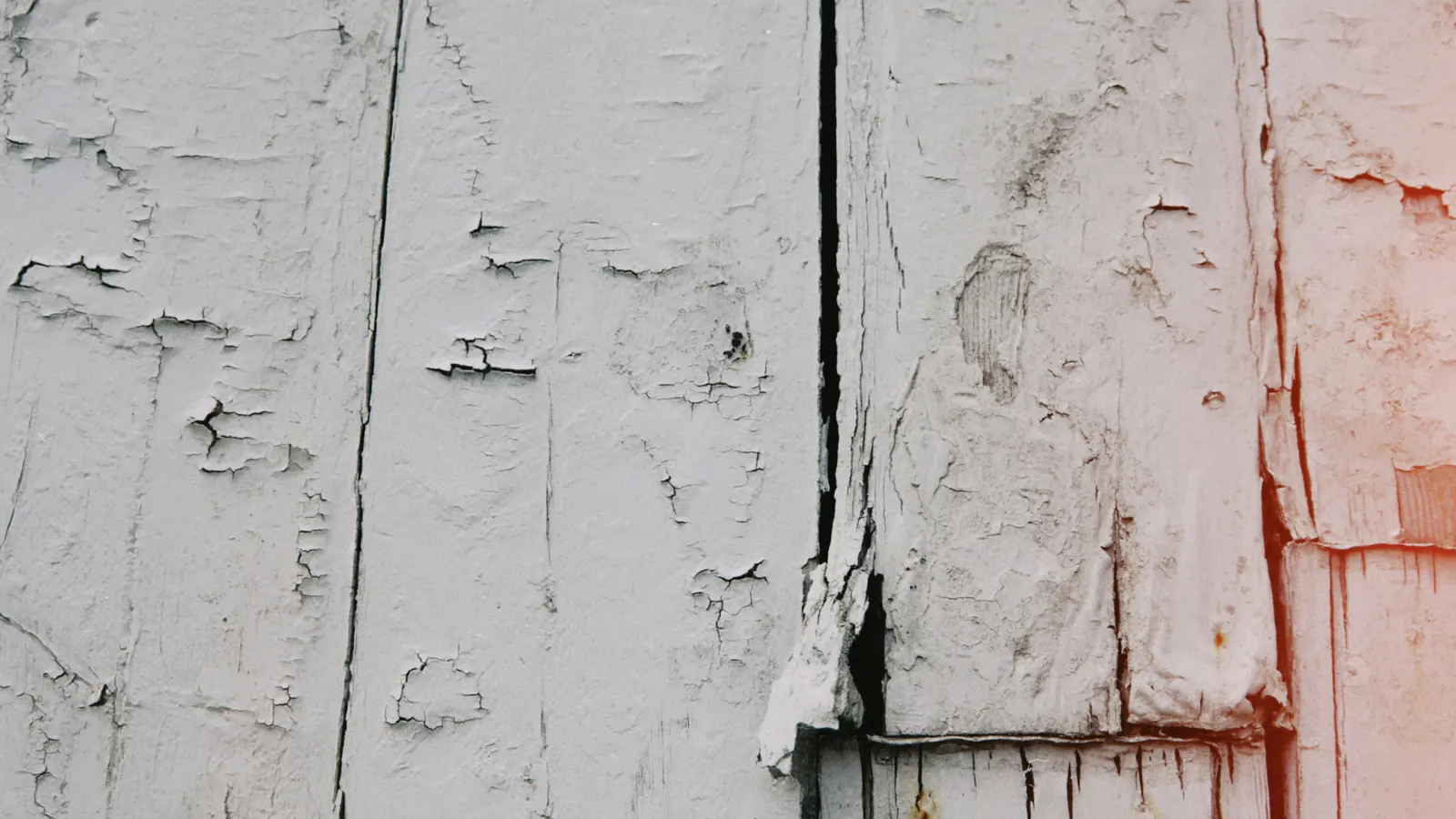
Corners and joints matter most: two boards meet there, movement opens gaps over time and water sits.
Vents, Edges and Small Details
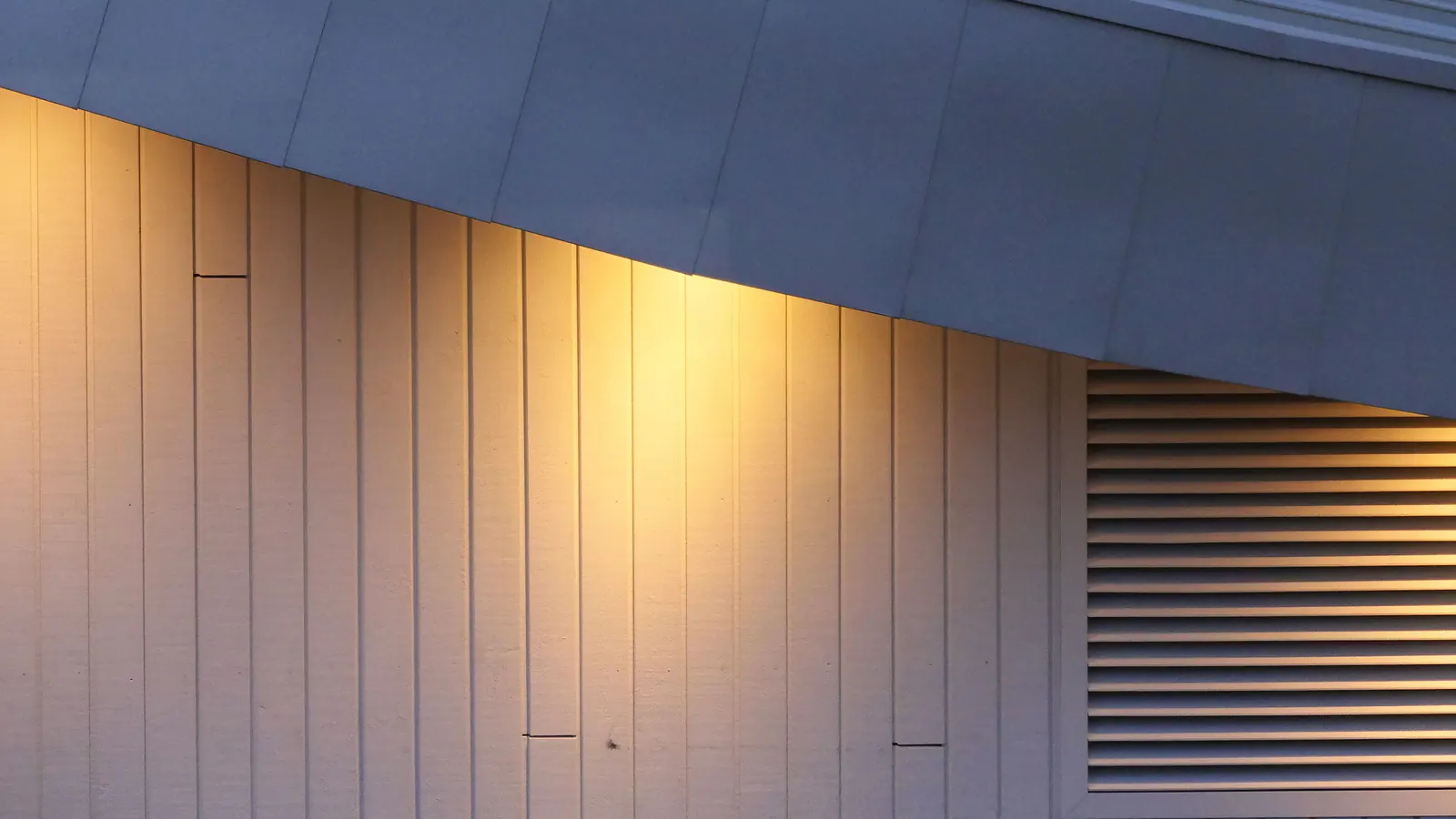
Foundation vents, light fixtures and other wall-mounted pieces leave gaps that are easy to rush past. Filling and smoothing around them gives the paint a continuous surface instead of a ragged edge for water to work under.
Sand It Flush
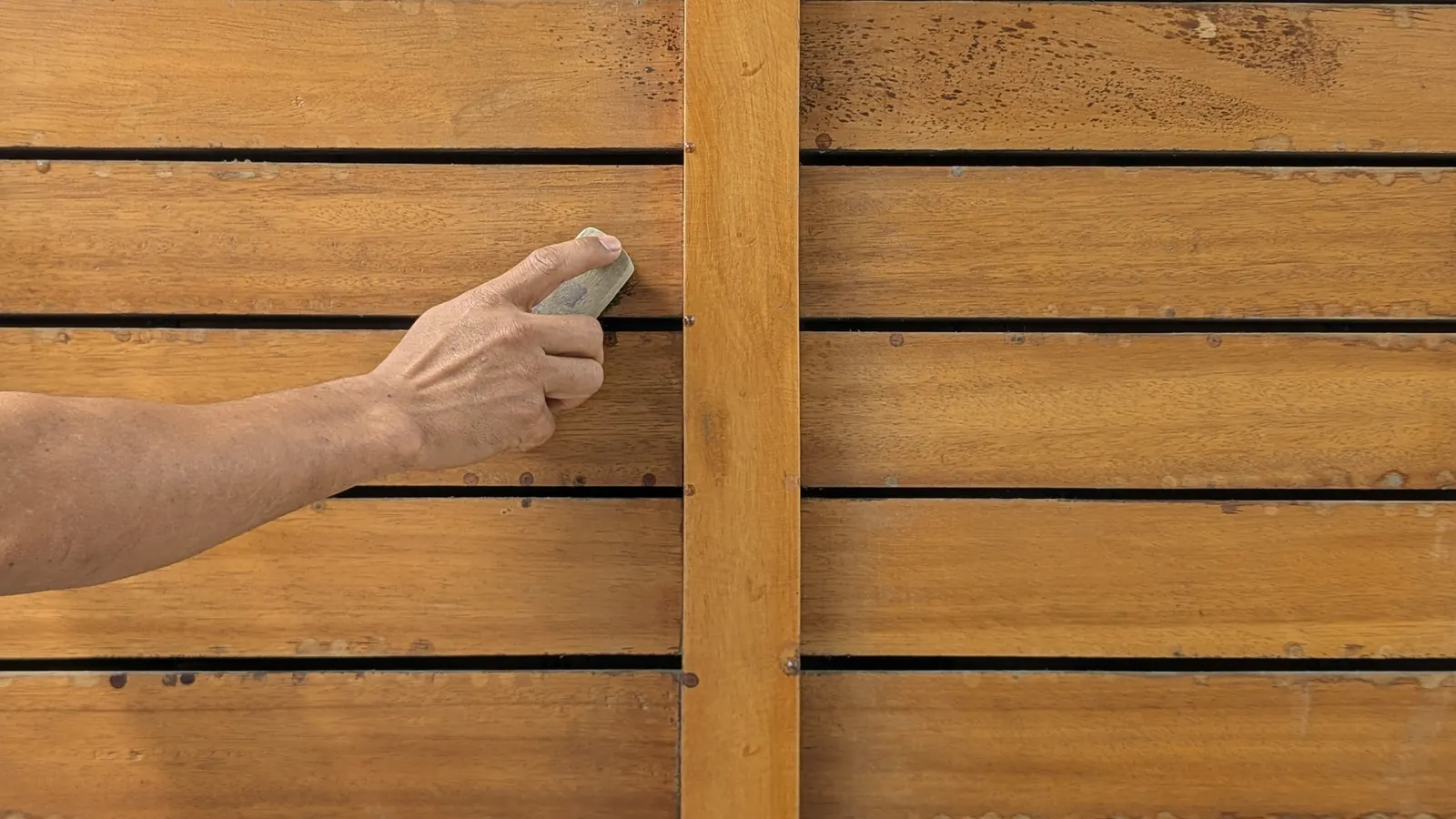
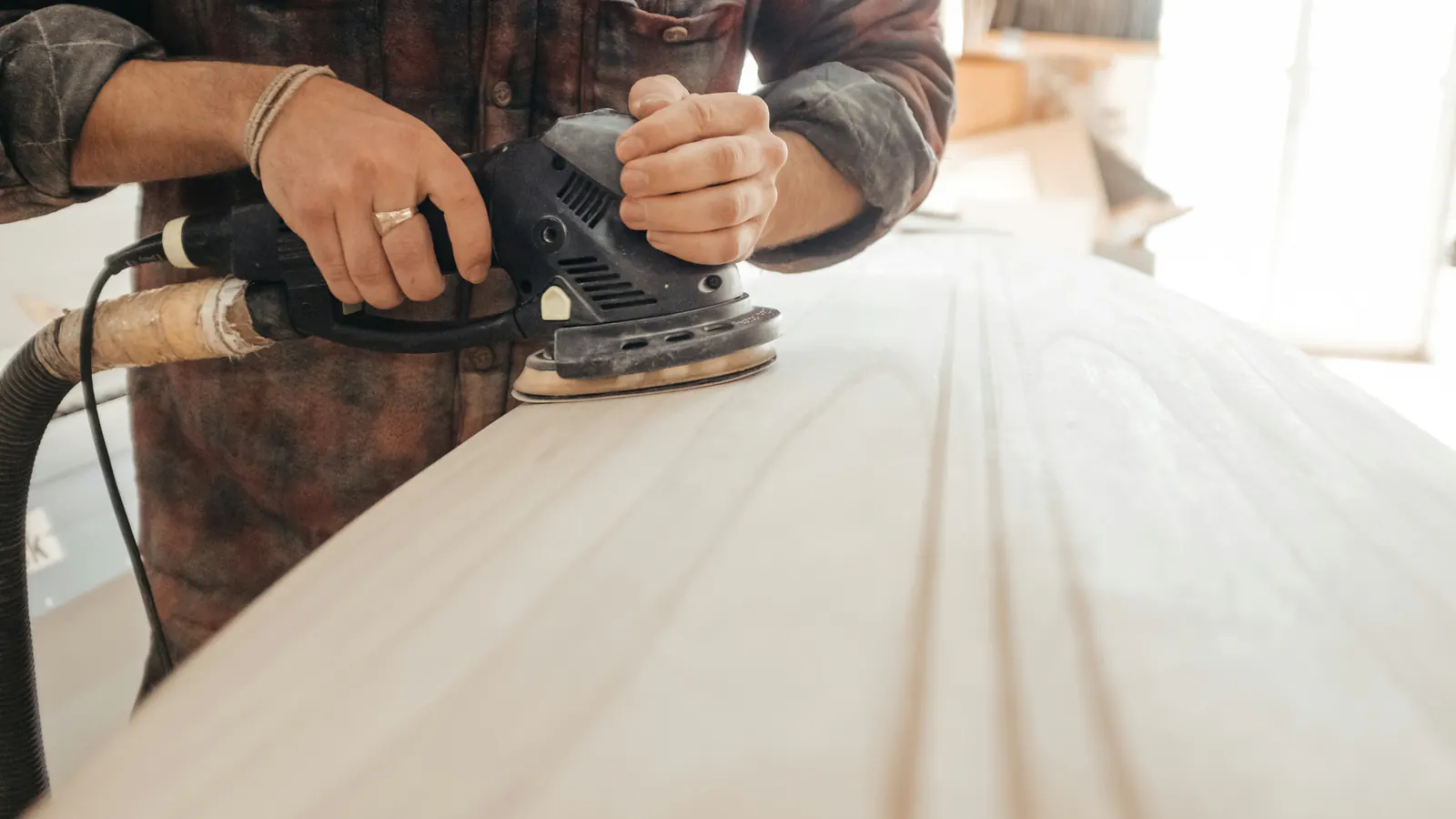
Filler left above the surface shows through the paint as a bump, so each cured patch is sanded flush and the old paint edges are feathered until the repair disappears under the finish.
Caulk the Right Joints
Caulk belongs in joints that should be closed: where trim meets siding, around window and door casings and at butt joints in siding boards. It does not belong in gaps meant to let water drain or air move, such as the bottom edges of lap siding. Sealing those can trap moisture behind the wall. Exterior caulk lasts about 5 to 10 years, so on most repaints the old joints are due.
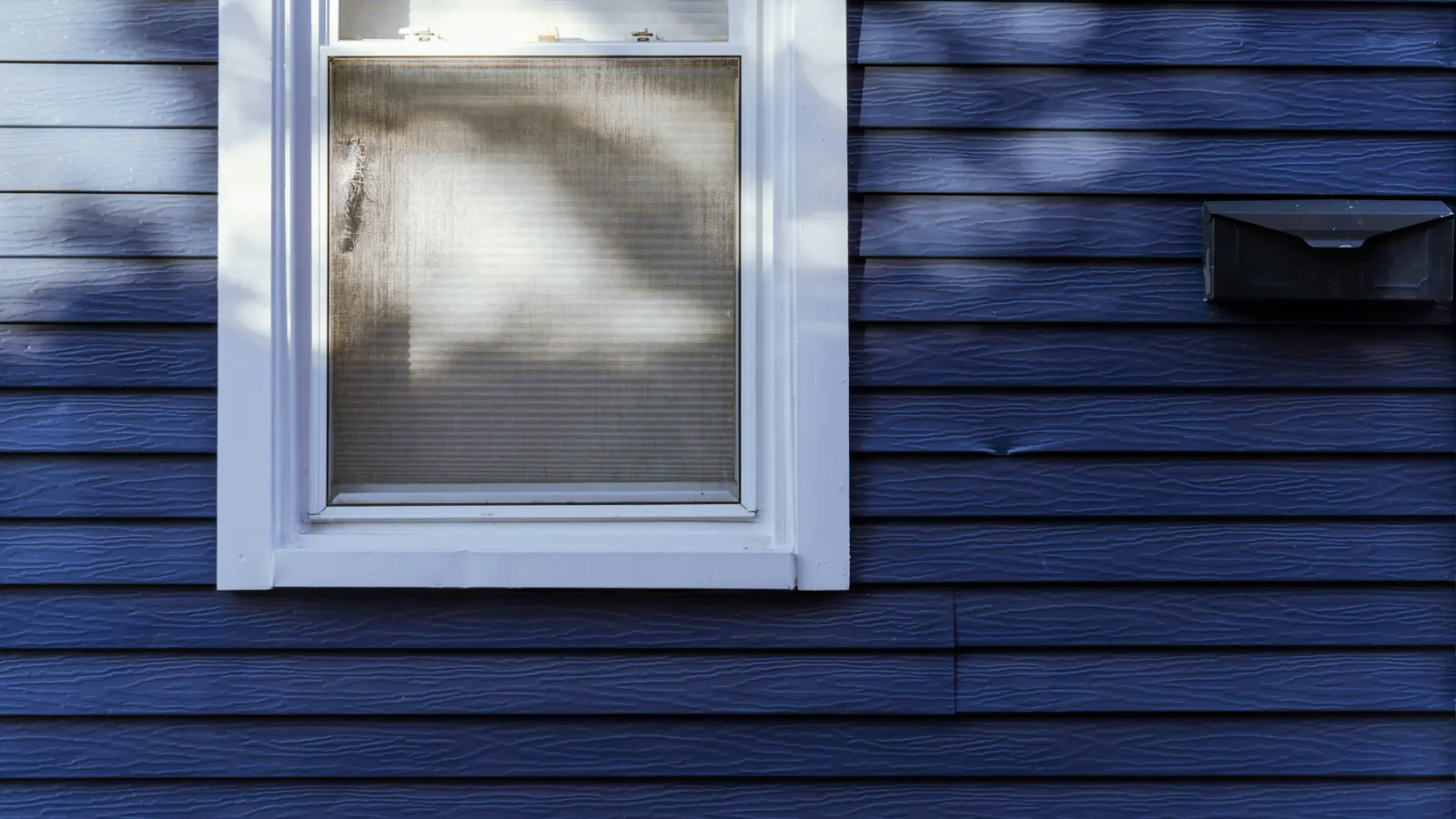
Our post on caulk, primer and paint covers why caulk is not a fix for wood that is already wet or rotten.
Then the Color
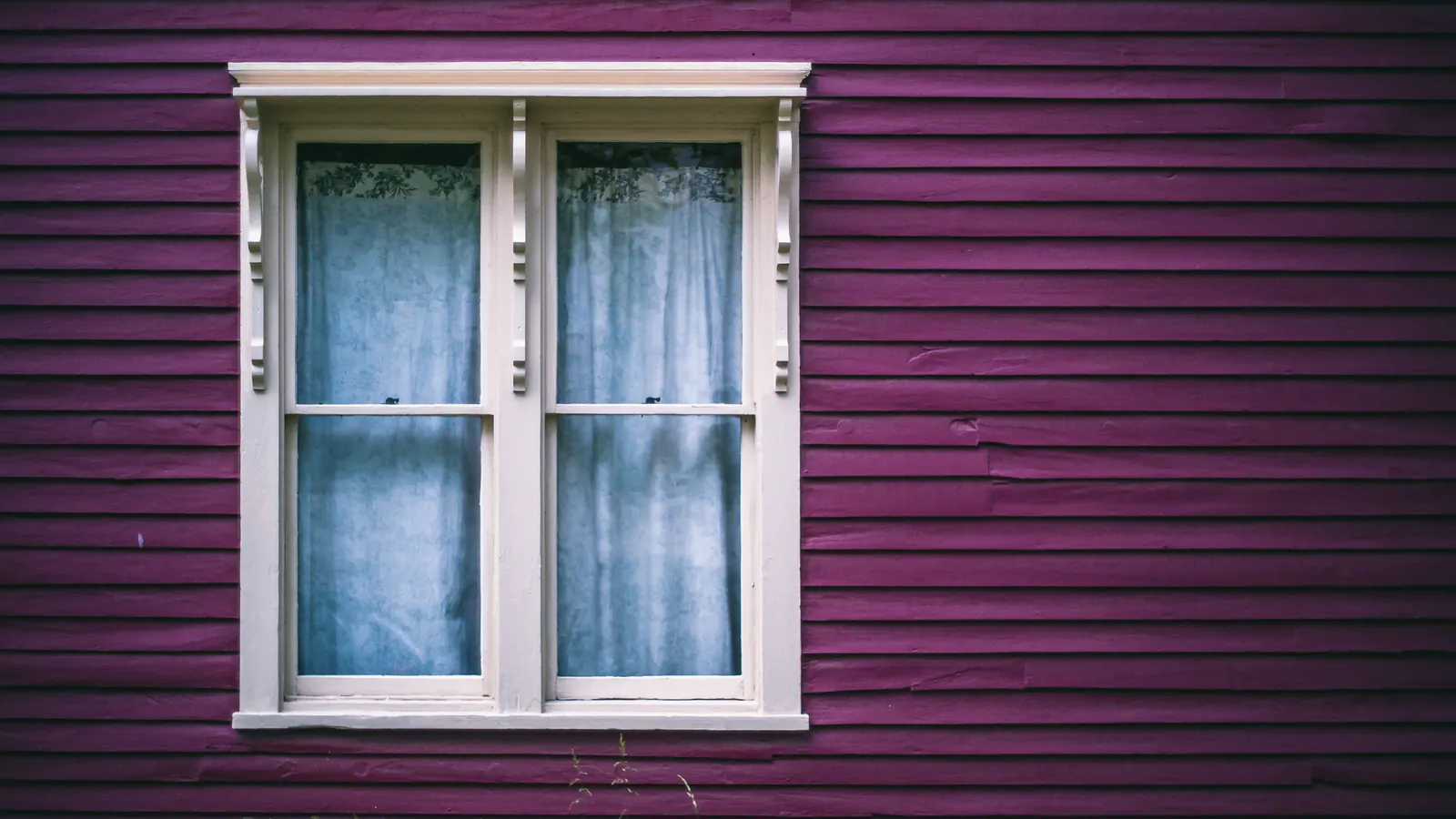
Bare wood and patches are spot-primed quickly, because cedar left in the sun just 1 week before painting started peeling at 13 years instead of holding up past 20. Then the color is brushed into the trim profiles and window casings and carried cleanly along every edge.
What to Ask a Painter About Prep
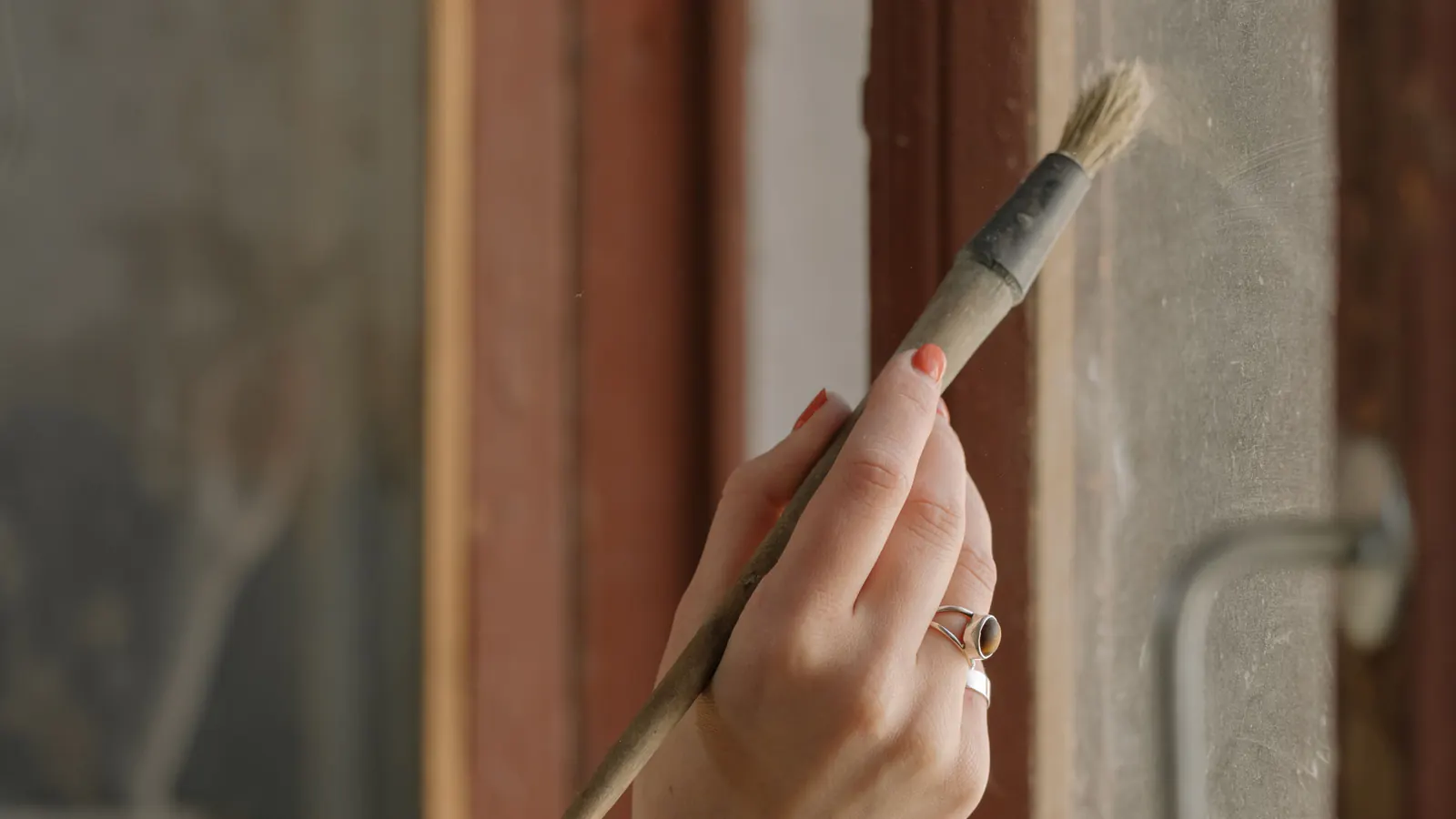
When comparing bids, ask each painter:
- How will you remove loose and failing paint?
- What will you do with soft or rotted wood you find?
- Which joints will you caulk, and which will you leave open?
- Will bare wood and patches be primed before the finish coats, and how soon after sanding?
- How will you protect plants, walkways and windows while you work?
A bid that skips these steps may cost less up front, because prep is where much of the time on a careful exterior job goes. Our posts on why west-facing walls fail first and finding and fixing wood rot show what happens when prep is rushed.
Can prep be done in one day?
On a small area, perhaps. On a whole house, filler and caulk need time to cure before sanding, so prep usually runs several days.
Do you prep surfaces that look fine?
Yes. Even sound paint gets cleaned and lightly scuffed where needed so the new coat bonds well.
Planning an exterior repaint? See our exterior painting and surface restoration pages, then request an estimate or call us at (650) 961-7415.
Sources (4)
- USDA Forest Products Laboratory, Wood Handbook, 2021 research.fs.usda.gov (https://research.fs.usda.gov/download/treesearch/62269.pdf) Cited 1, 2, 3, 4, 5
- InterNACHI life expectancy chart nachi.org (https://www.nachi.org/life-expectancy.htm) Back
- NOAA NCEI 1991-2020 normals, Palo Alto ncei.noaa.gov (https://www.ncei.noaa.gov/access/services/data/v1?dataset=normals-monthly-1991-2020&stations=USC00046646&dataTypes=MLY-PRCP-NORMAL,MLY-PRCP-AVGNDS-GE001HI&format=json) Cited 1, 2, 3
- U.S. Census Bureau censusreporter.org (https://censusreporter.org/data/table/?table=B25034&geo_ids=16000US0655282&primary_geo_id=16000US0655282) Back