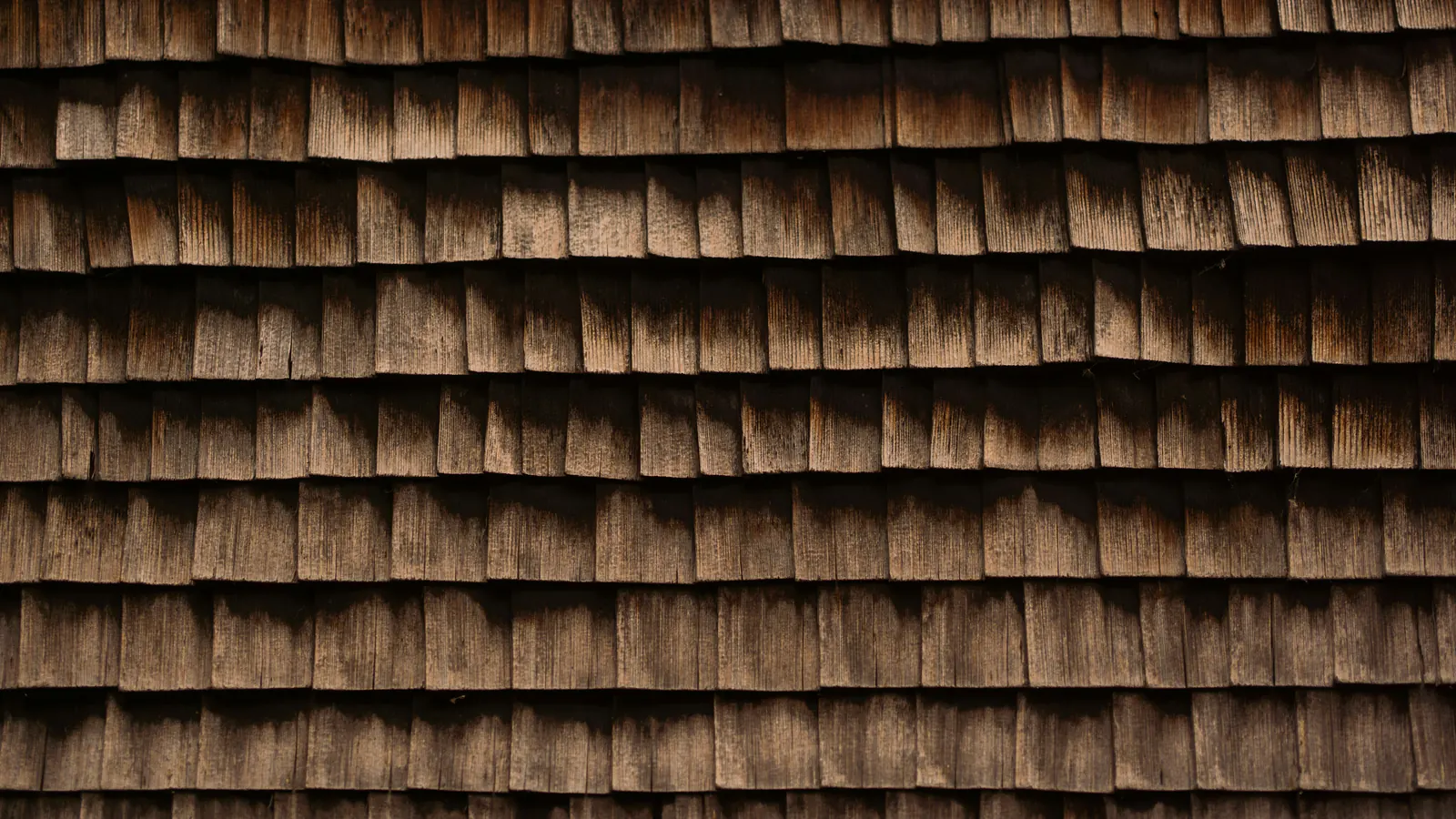
The short version: faded cedar is usually still sound cedar. Clean it, let it dry, replace split shingles, and work a penetrating stain into the grain. Stain lasts longer on weathered, textured wood than on new, smooth wood, good news for old shingles.
Cedar shingles are warm-looking and easy to let slip: sun and rain pull the color out, south- and west-facing walls first, until the house looks patchy and gray. This Home Preservation series post shows how we bring it back.
The Numbers Behind a Stain Job
| Figure | What it means for you | Source |
|---|---|---|
| 4 to 8 years typical service life for semitransparent stain on textured or weathered wood | Shingles that have weathered a bit take stain well. Plan the next coat on that timeline, checking sunny walls first. | USDA Forest Products Laboratory, Wood Handbook, 2021 |
| Two coats may last up to 10 years on rough wood, vs. 2 to 4 for one coat on new smooth wood | Prep and a second coat where the wood will take it are what stretch the time between jobs. | USDA Forest Products Laboratory, Wood Handbook, 2021 |
| Water enters end grain 10 to 100 times faster than other faces | The butt edges of shingles are end grain. That is why we brush stain into them, not just roll the face. | USDA Forest Products Laboratory, Wood Handbook, 2021 |
| About 56 days with rain in a normal Palo Alto year | That leaves plenty of dry days. Stain goes on dry wood, so we plan around the wet months. | NOAA NCEI 1991-2020 normals, Palo Alto |
| Finish | Low estimate (years) | High estimate (years) |
|---|---|---|
| Tinted clear finish | 2 | 3 |
| Semitransparent stain (textured or weathered wood) | 4 | 8 |
| Solid-color stain | 6 | 15 |
| Paint | 10 | 20 |
Source
Source: USDA Forest Products Laboratory, Wood Handbook, chapter 16, table 16-3. The handbook notes that service life depends on prep, climate, exposure, product and wood. These are research figures, not a promise for any one house.
In the source list: 1
| Month | Days with rain (days) |
|---|---|
| October | 2.5 |
| November | 6.2 |
| December | 9.7 |
| January | 10.0 |
| February | 10.1 |
| March | 8.2 |
| April | 5.2 |
| May | 2.5 |
| June | 0.7 |
| July | 0.0 |
| August | 0.2 |
| September | 0.5 |
Source
Source: NOAA NCEI 1991-2020 monthly normals, Palo Alto station 046646. A day with rain means 0.01 inch or more.
In the source list: 3
Did you know?
- Gray, weathered cedar has usually lost color, not thickness: bare wood wears away only about 1/4 inch per century. USDA Forest Products Laboratory
- From June through September, a normal Palo Alto year has about 1.4 days with rain in total (our math from the monthly normals). That is staining season. NOAA NCEI
- January and February are Palo Alto’s rainiest months by day count, with about 10 days of rain each. NOAA NCEI
Why Stain, Not Paint
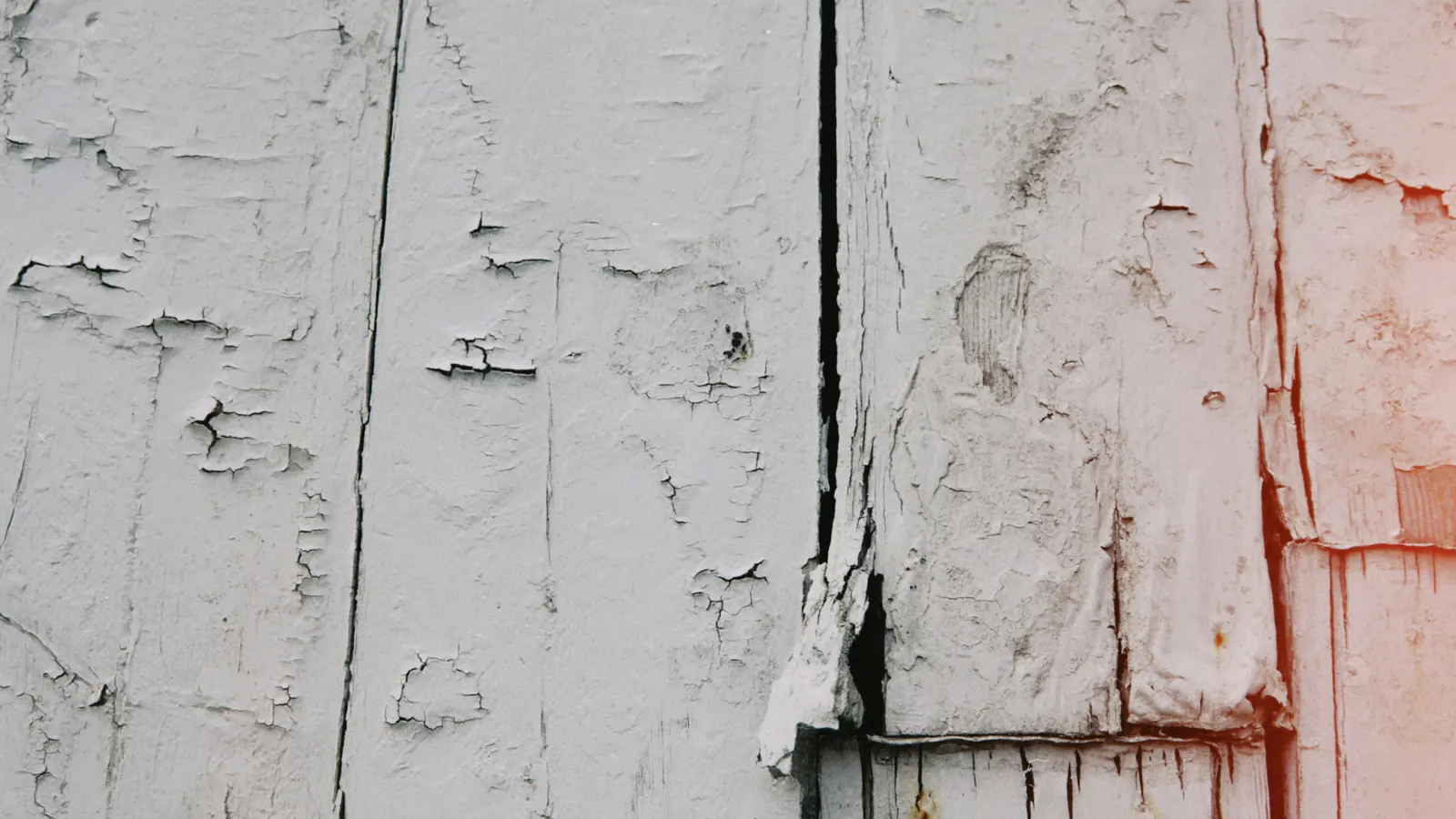
Paint forms a film; stain soaks in. Re-staining keeps the grain and texture visible, and penetrating stains tend to wear away slowly instead of peeling, so there is no film to scrape later.
Paint does last longer in the chart above (10 to 20 years vs. 4 to 8 for semitransparent stain), but switching stained shingles to paint is a one-way door. For most stained cedar, we recommend staying with stain.
Redwood siding? Our post on redwood siding, preservation versus replacement covers the differences.
What the Prep Looks Like
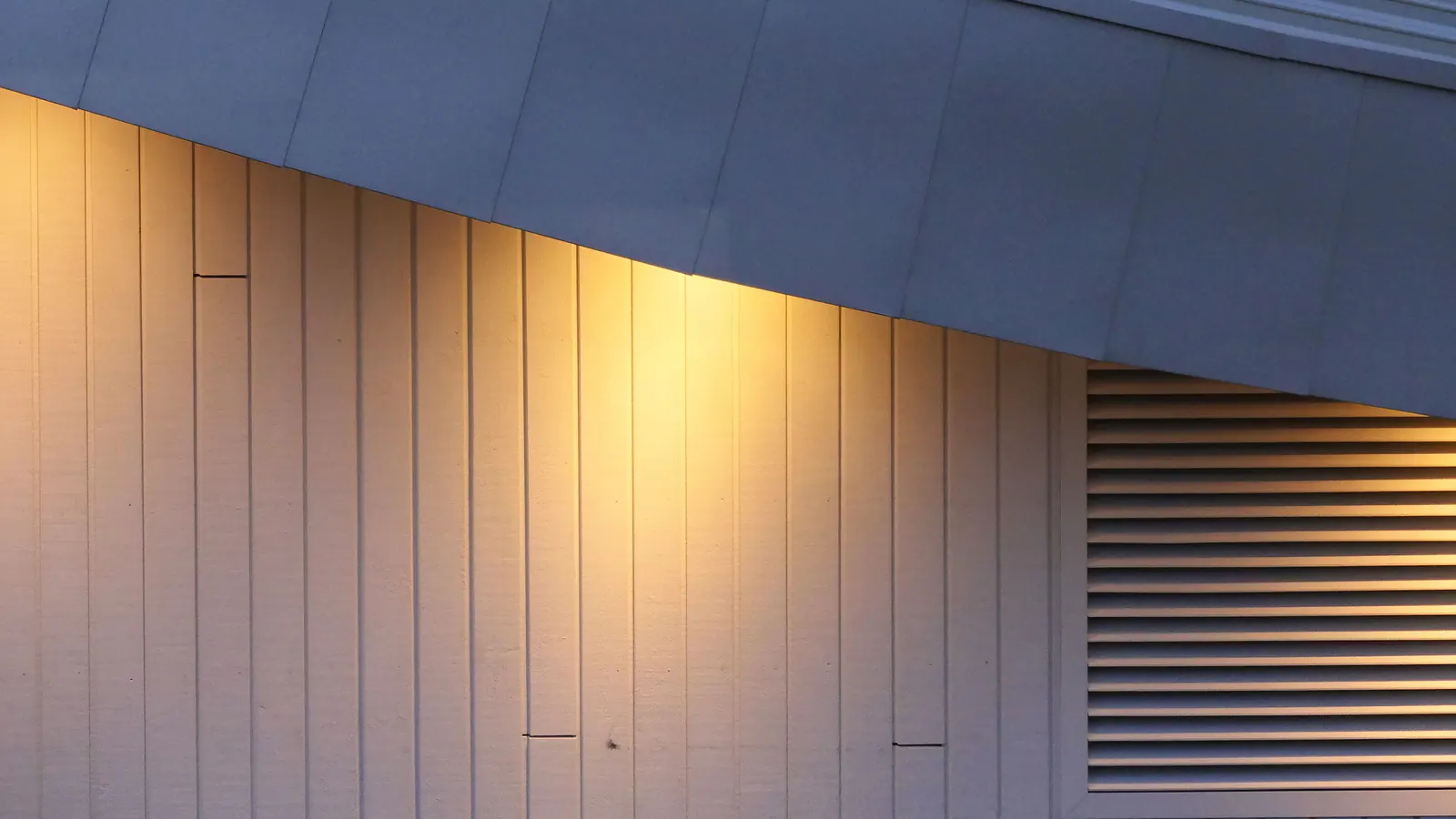
Stain only looks as good as the surface under it. We clean the siding so dirt, mildew and loose fibers are not sealed in, let it dry fully, cover trim, windows, lights and anything else that should not be stained, and lay drop cloths over decks and walkways.
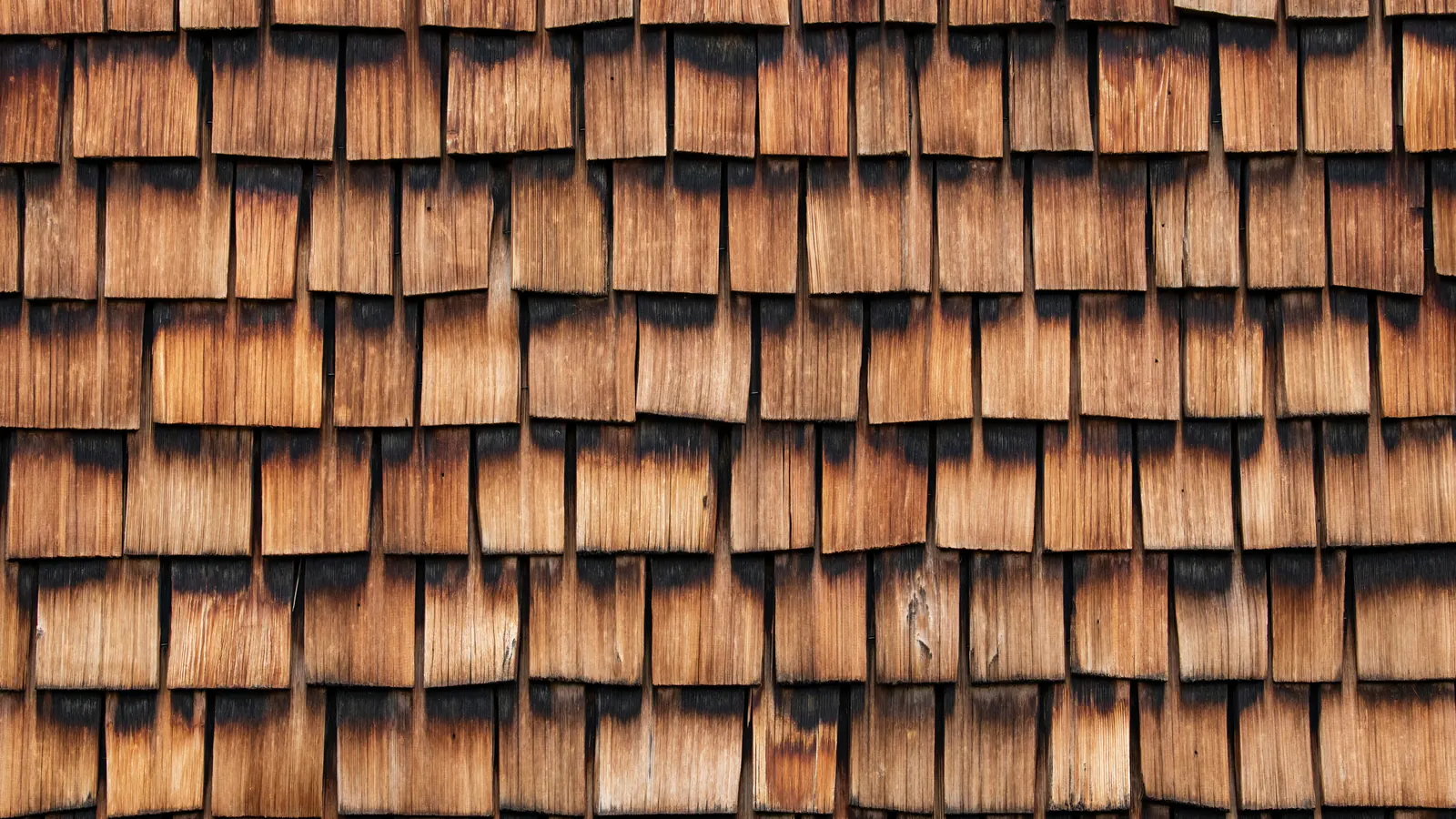
Split, cupped or missing shingles are replaced with new cedar before staining, as on our Victorian shingle restoration, so the new wood takes the same finish as the rest of the wall.
Applying the Stain
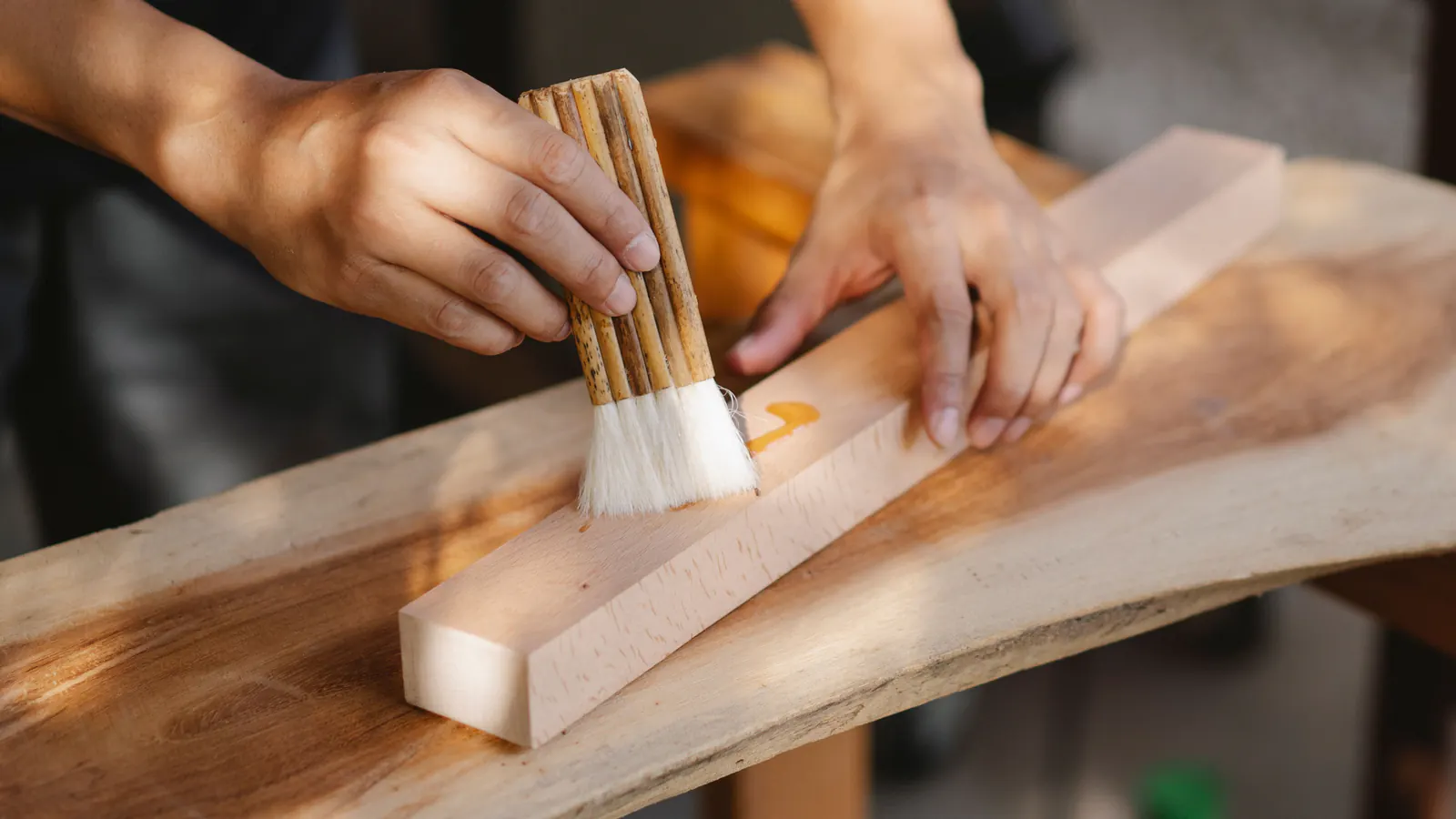
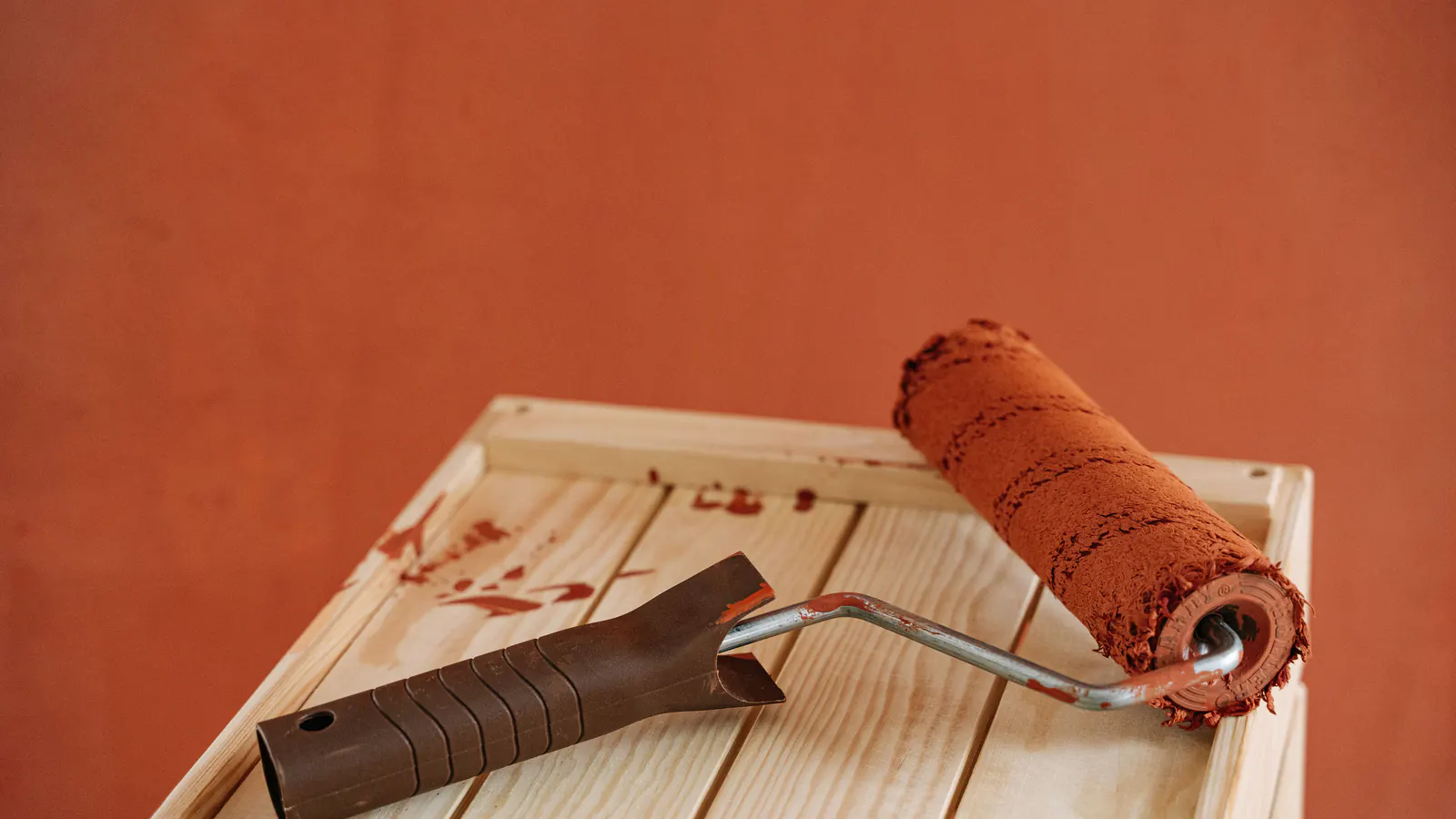
Rollers get stain onto the wall quickly; brushes work it into the grain, the butt edges and the gaps between shingles. We work one manageable section at a time, top to bottom and edge to edge, to avoid lap marks where wet stain overlaps dry.
Weathered walls may need a second coat (on rough wood, two coats may last up to 10 years). We follow the manufacturer’s directions on drying time and weather.
The Result
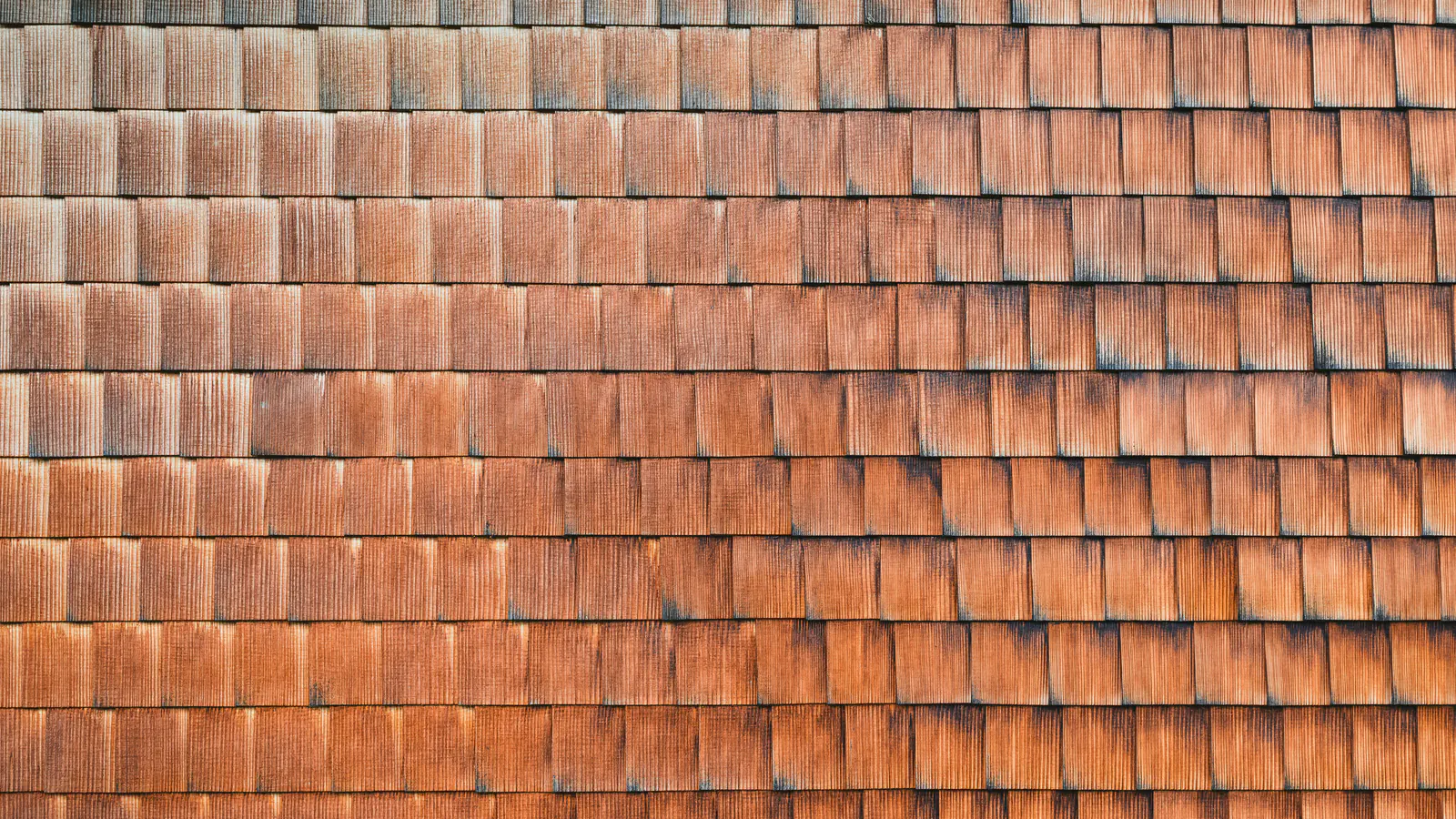
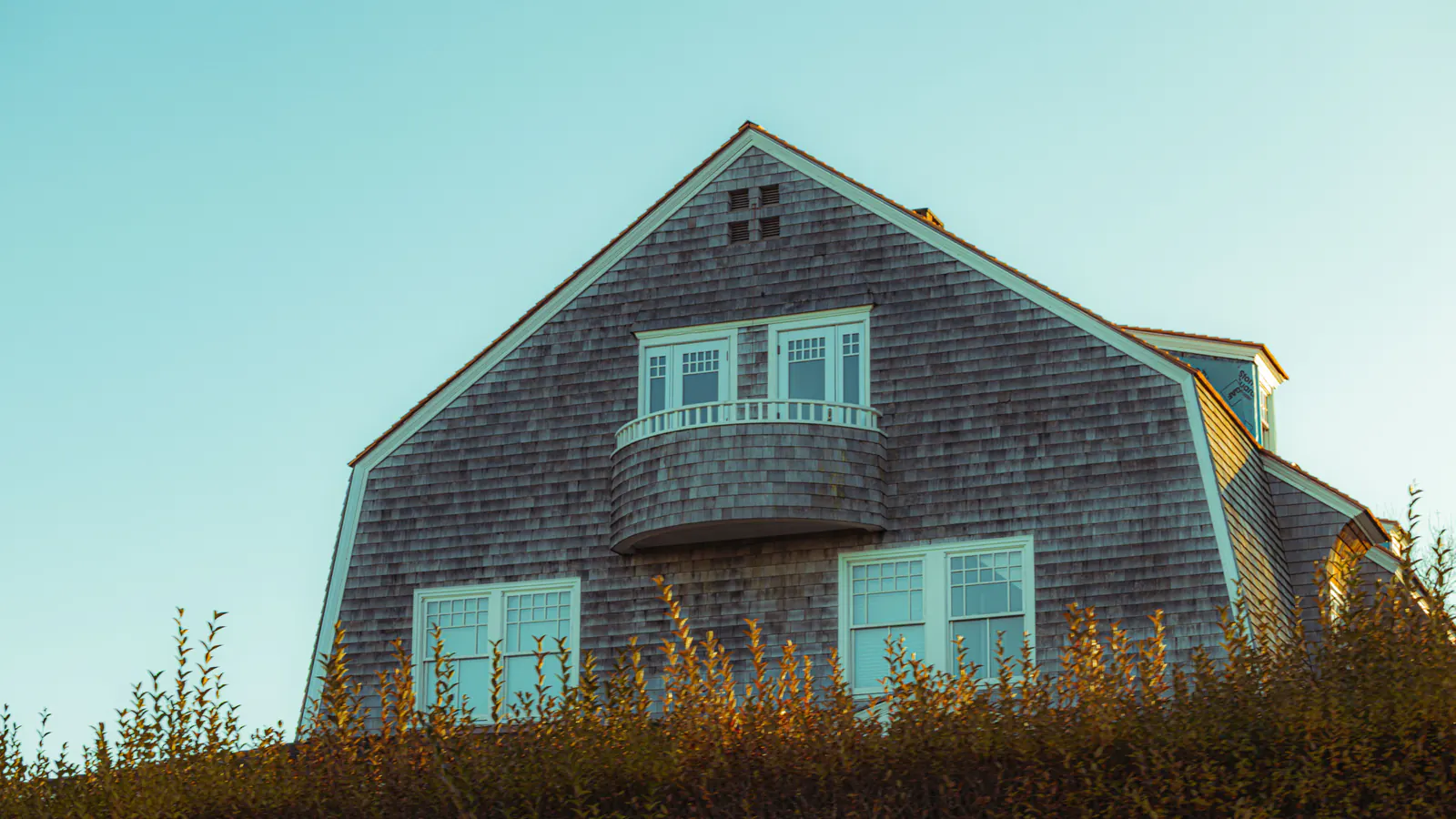
Planning the Next Coat
Stained cedar does not fail all at once, so it is easy to wait too long. Walk around the house once a year and look at the sunniest walls first. Start planning when the color looks noticeably lighter than on the shaded sides, or when water no longer beads on the surface after rain. How long a stain looks good depends on sun, exposure, the product, the prep and upkeep. The sunny side of a house can need attention well before the shady side. This is general guidance, not a McDermaid warranty or guarantee.
Can you stain over shingles that were painted?
Not directly: stain cannot soak through paint. Painted shingles are usually repainted; stripping them first is a much bigger job.
Can I change the color when I re-stain?
Going darker is usually easier than lighter, since new stain sits over what is in the wood. Test the color on a less visible wall first.
Shingles faded or patchy? See our exterior painting page, then request an estimate or call us at (650) 961-7415.
Sources (3)
- USDA Forest Products Laboratory, Wood Handbook, 2021 research.fs.usda.gov (https://research.fs.usda.gov/download/treesearch/62269.pdf) Cited 1, 2, 3, 4, 5
- NOAA NCEI 1991-2020 normals, Palo Alto ncei.noaa.gov (https://www.ncei.noaa.gov/access/services/data/v1?dataset=normals-annualseasonal-1991-2020&stations=USC00046646&dataTypes=ANN-PRCP-NORMAL,ANN-PRCP-AVGNDS-GE001HI&format=json) Back
- NOAA NCEI 1991-2020 monthly normals, Palo Alto station 046646 ncei.noaa.gov (https://www.ncei.noaa.gov/access/services/data/v1?dataset=normals-monthly-1991-2020&stations=USC00046646&dataTypes=MLY-PRCP-NORMAL,MLY-PRCP-AVGNDS-GE001HI&format=json) Cited 1, 2, 3