In 1848, James Marshall discovered gold at Sutter's Mill, triggering the California Gold Rush. But the Peninsula's real wealth stood above ground, in forests that had grown for two millennia. By the 1880s, "silver barons" (timber magnates who had made their fortunes in redwood) were building estates in Woodside that would define the community's character for generations.
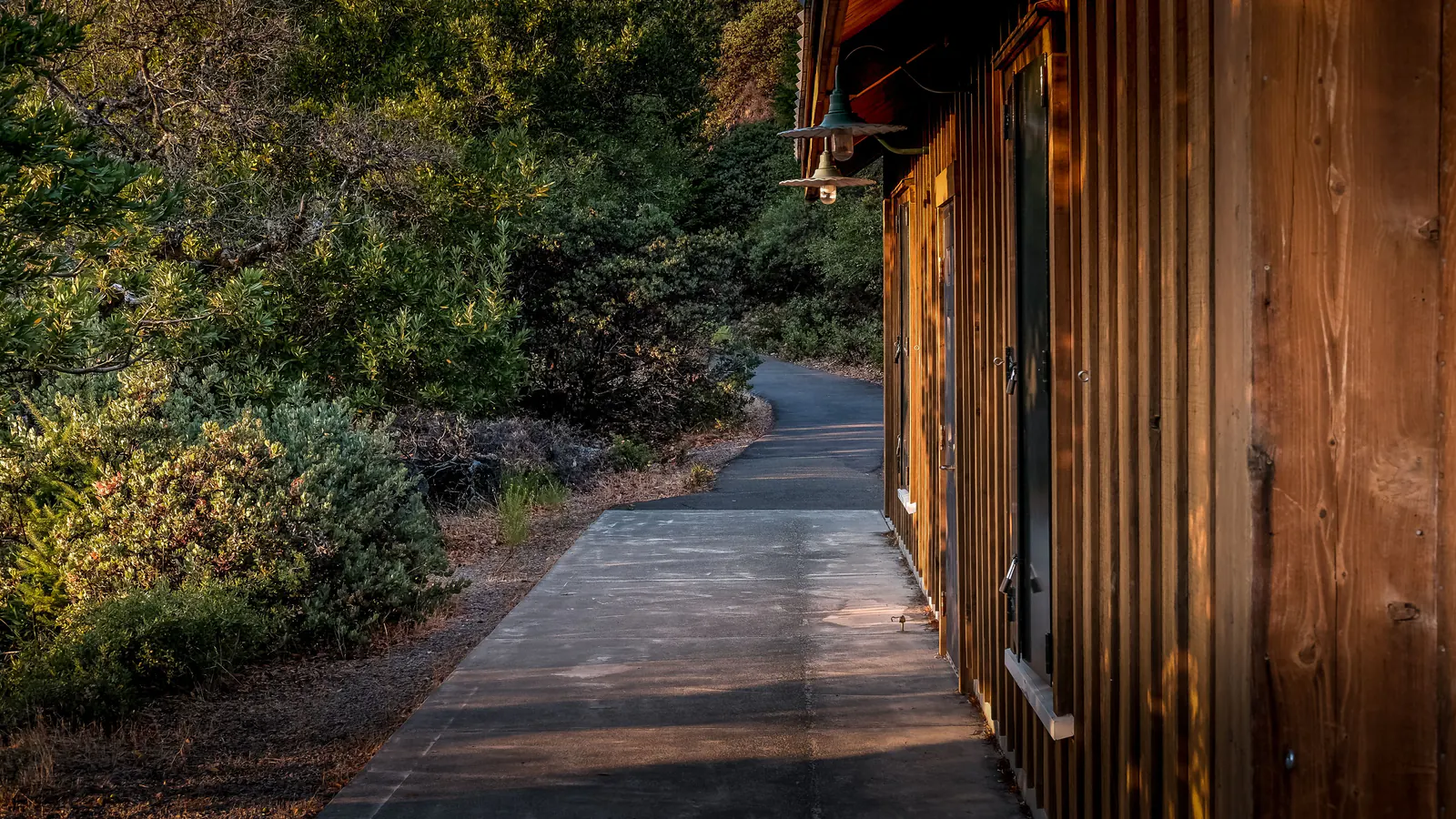
Those estates, and the homes that followed, were built with the material that made the barons rich: coast redwood (Sequoia sempervirens), the same wood that clad the Hearst Castle and the original Transamerica Pyramid. Its natural resistance to decay, insects and fire made it ideal exterior siding, but even redwood needs protection, and every Woodside owner faces the same question: paint or stain?
Paint vs. Stain: The Fundamental Decision
There's no universal answer. Paint and stain protect redwood differently:
| Factor | Paint | Stain |
|---|---|---|
| Appearance | Opaque, any color | Transparent/semi-transparent, shows grain |
| Protection | Film-forming barrier | Penetrating, allows wood to breathe |
| Typical lifespan | 7-10 years | 3-5 years |
| Maintenance | Less frequent, more involved | More frequent, easier application |
| Cost over time | Lower (fewer applications) | Higher (more frequent reapplication) |
| Wood grain | Hidden | Visible |
The lifespans in the table are typical ranges, and each depends on exposure, surface prep, the product and maintenance. This is general guidance, not a McDermaid warranty or guarantee.
Over time paint costs less (7-10 years between coats versus 3-5), so the choice usually comes down to looks: stain if you want the grain visible, paint if you want a specific color or a uniform appearance.
The Tannin Bleed Problem
Redwood's tannins, the water-soluble compounds behind its color and decay resistance, can migrate to the surface and bleed through finishes.
Bleed shows as brown or red stains, especially after rain. It's most common with:
- New redwood that hasn't weathered
- Knotty grades with higher tannin concentration
- Areas with poor drainage or water exposure
- Applications without proper tannin-blocking primer
The fix is an oil-based, tannin-blocking primer that seals the wood before the finish goes on. Skip it and bleed-through is very likely.
The Weathering Process
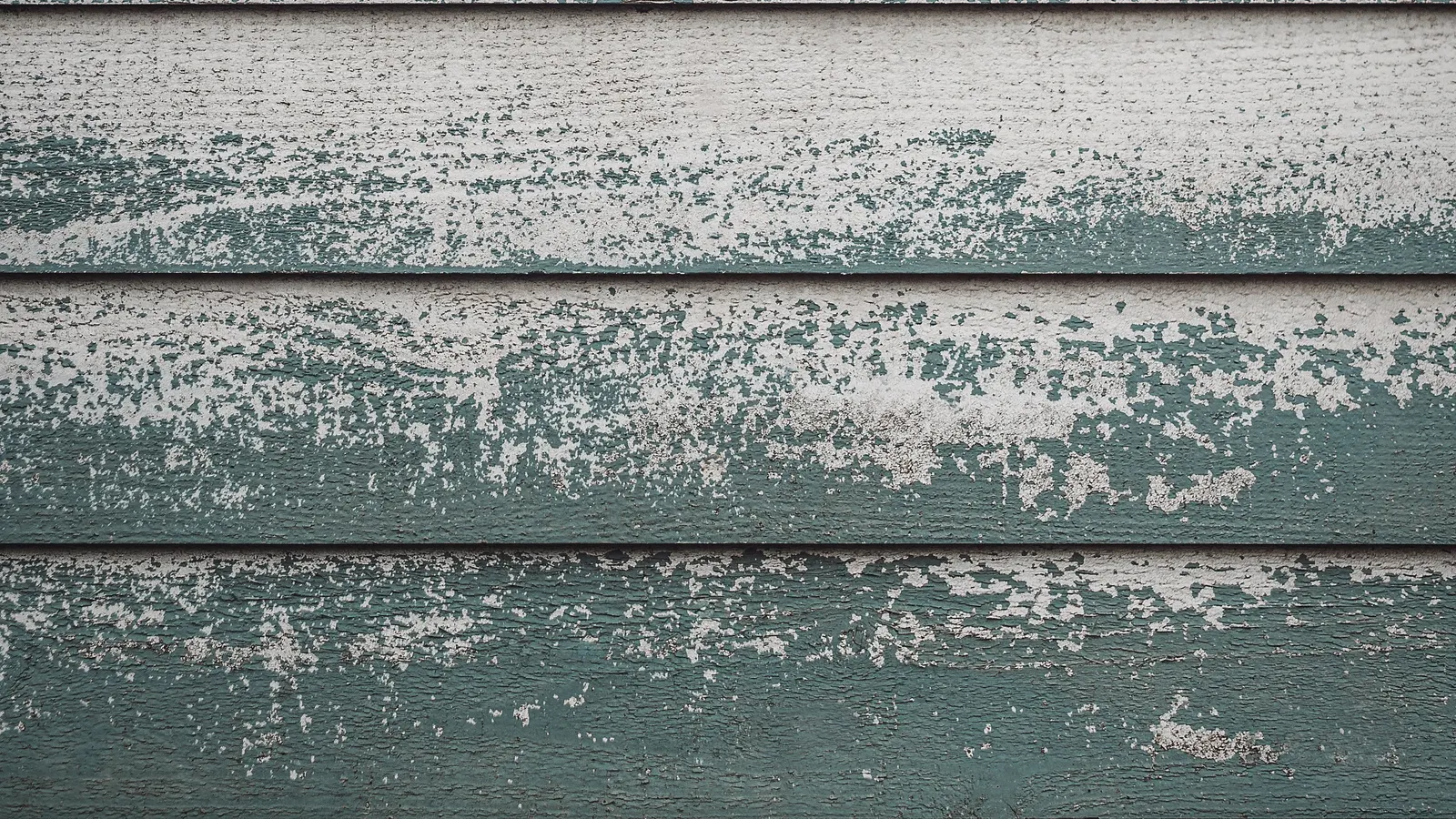
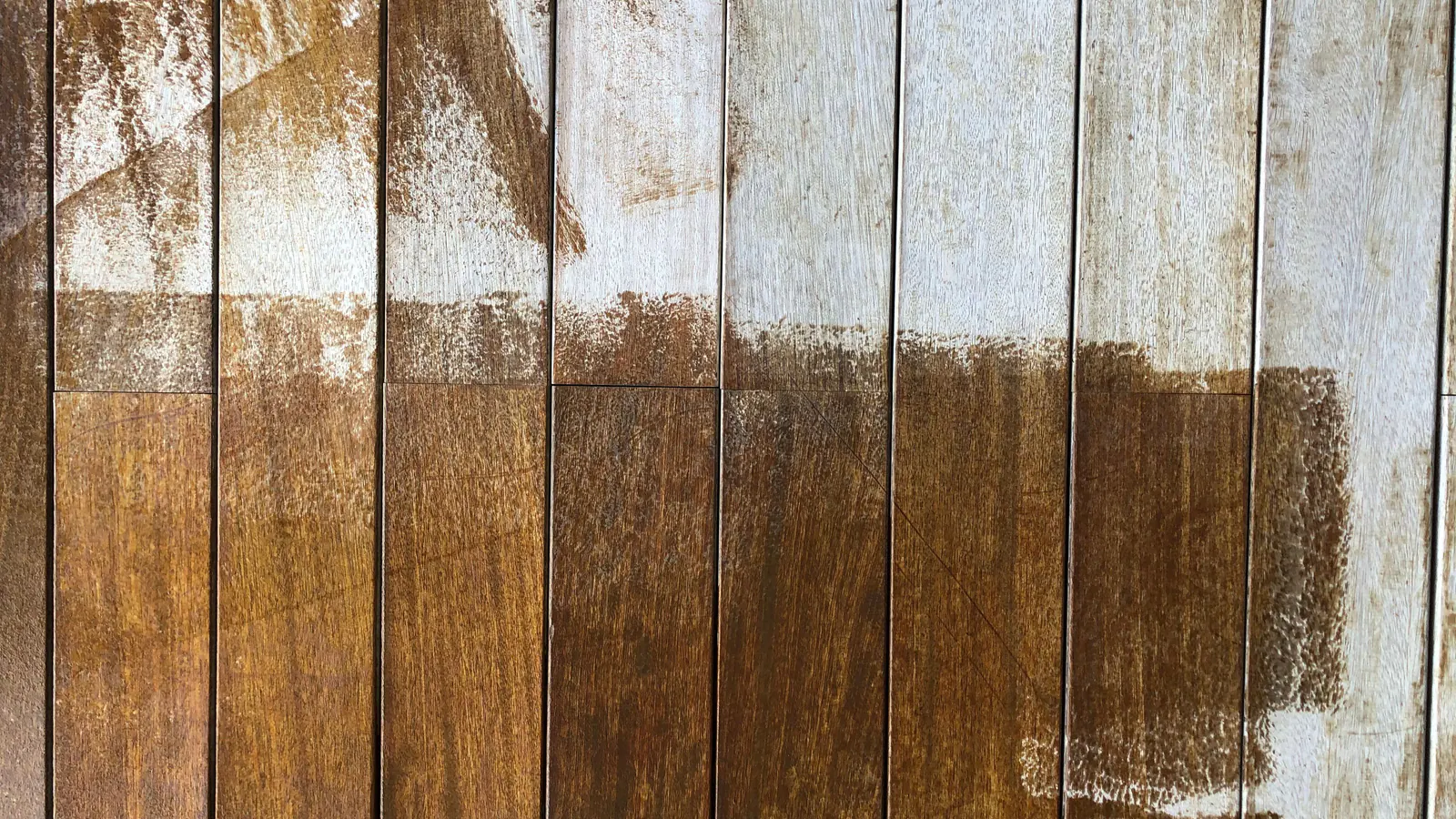
Unfinished redwood typically weathers to a silver-gray patina over 1 to 2 years of sun exposure, depending on how much sun the wall gets. UV breaks down the surface lignin and rain washes the degraded material away, leaving the silvery color associated with coastal architecture.
Weathering isn't just cosmetic: the same UV degrades the wood, leaving it more prone to moisture absorption, cracking and decay. Left unprotected long enough, it fails.
In Woodside's climate, unprotected redwood can often go around 5 to 10 years before significant degradation, depending on exposure and the wood's condition. The longer you wait, the more surface must be removed before refinishing.
Peninsula Climate Considerations
Four local conditions work on Woodside siding:
- Marine layer moisture: Morning fog keeps wood damp, accelerating weathering and creating conditions for mildew growth
- UV exposure: Above the fog line, Woodside receives more intense UV than coastal areas, accelerating finish degradation
- Temperature swings: Daily thermal cycling stresses both the wood and the finish
- Redwood canopy: Many Woodside properties are shaded by mature redwoods, which reduces UV but increases moisture retention
Together, they mean Woodside redwood often needs maintenance more often than similar siding in milder climates.
Our Approach to Redwood Siding
Our process for redwood siding projects:
- Assessment: Evaluate the siding's condition, existing finish, and exposure
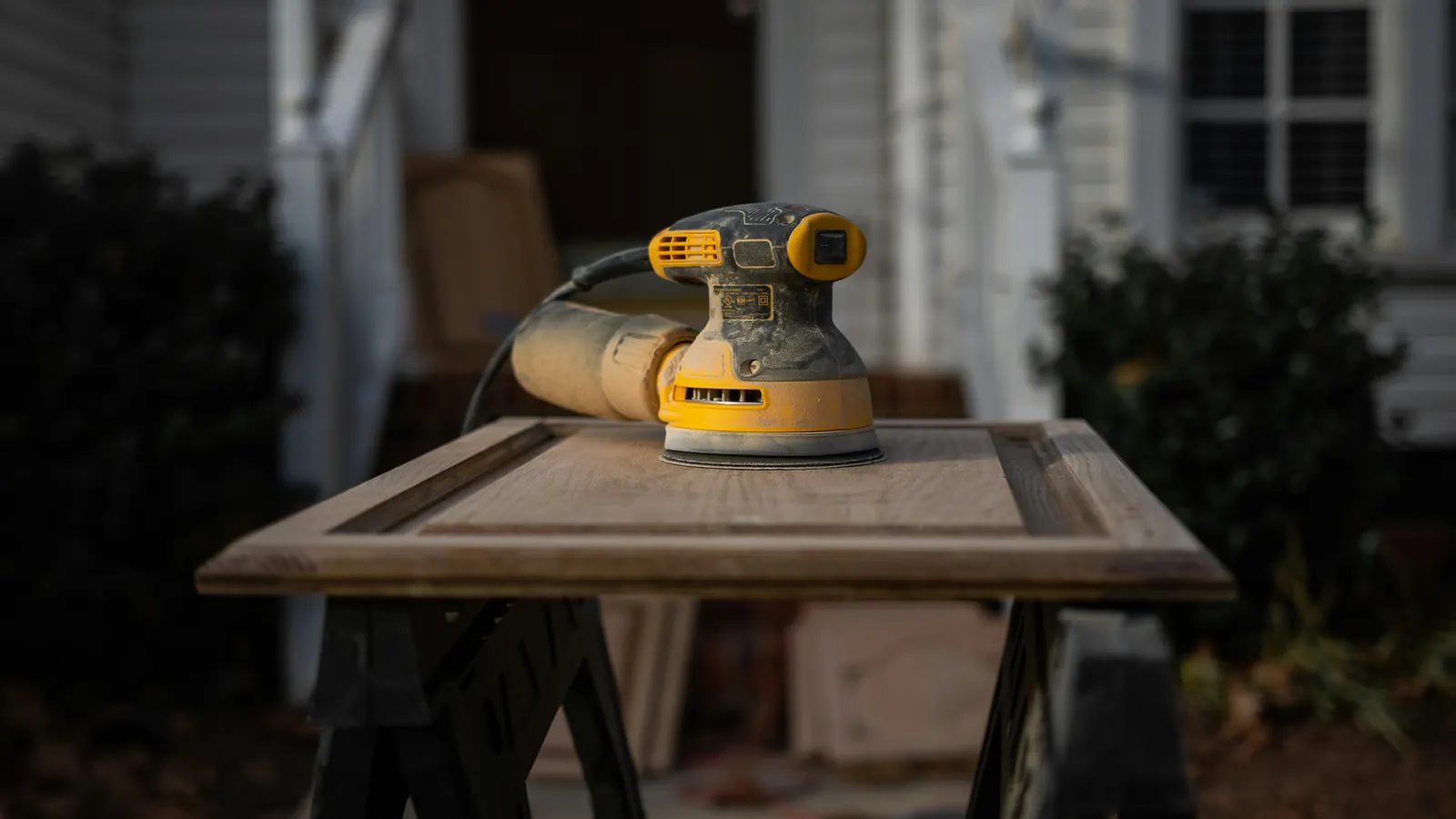
- Surface preparation: Clean, sand, and repair as needed
- Tannin blocking: Apply appropriate primer to prevent bleed-through
- Finish application: Paint or stain according to client preference
- Maintenance planning: Establish a schedule for ongoing care
For painted redwood, we typically specify oil-based primer followed by premium acrylic latex topcoats. For stained redwood, we use penetrating oil-based stains formulated for vertical surfaces.
Ongoing Maintenance
Regular care keeps the finish working:
- Annual inspection: Check for finish wear, water damage, and pest issues
- Cleaning: Remove dirt, mildew, and debris that trap moisture
- Spot repairs: Address small problems before they become big ones
- Reapplication: Refresh stain every 3 to 5 years and paint every 7 to 10 years as typical ranges; exposure, surface prep, the product and maintenance set the real interval
Our maintenance programs include that annual inspection and proactive care to extend siding life.
Woodside Heritage
The "silver barons" who built Woodside's early estates chose redwood for its durability as much as its beauty. A century later, their well-maintained homes still stand.