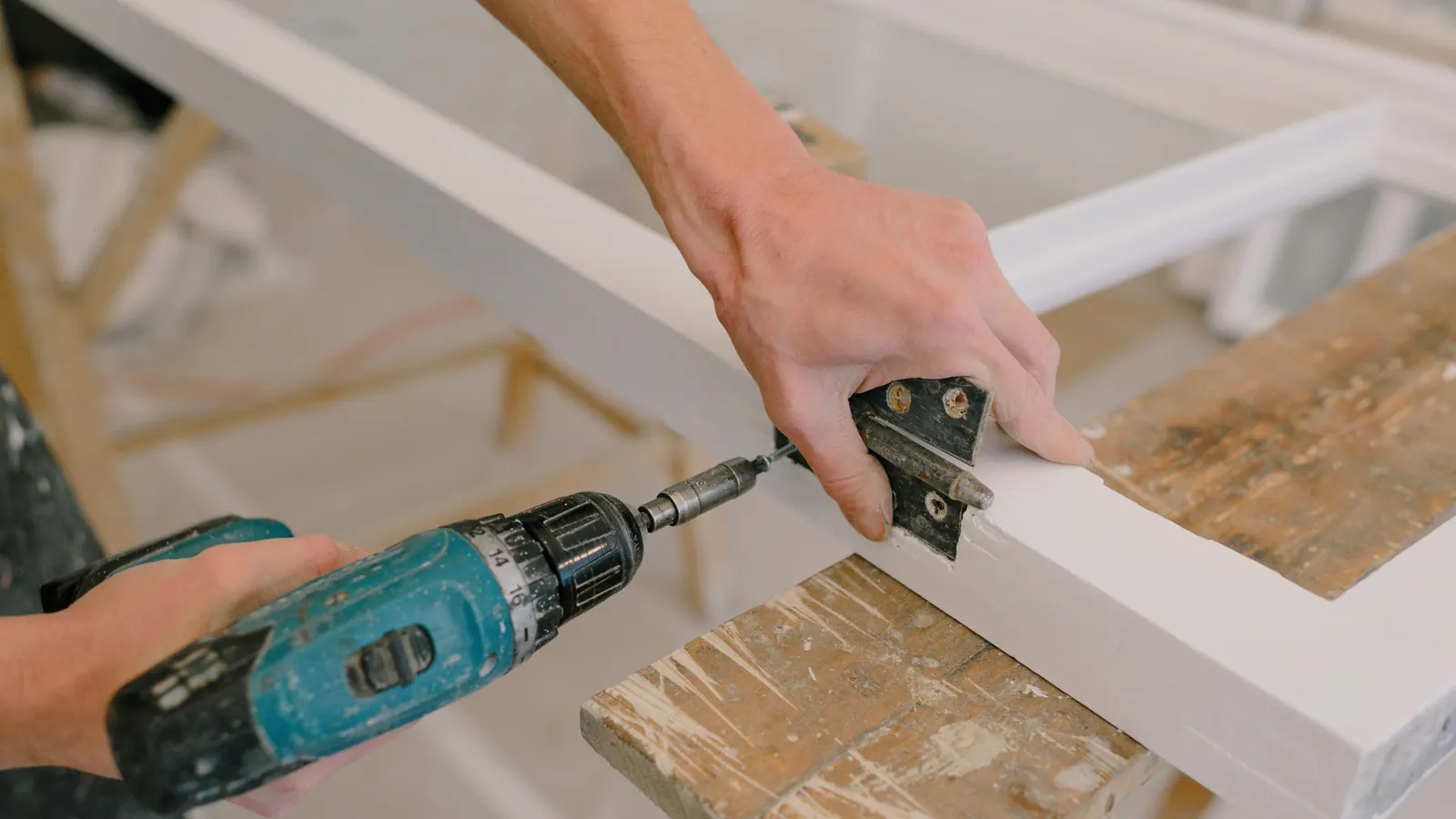
The short version: old wood windows often do not need replacing. Trouble starts at the sill, where water sits longest: strip what is failing, repair soft wood, seal the end grain and repaint.
Old-growth sashes, wavy glass and slim profiles are hard to match with new units. In this Home Preservation series post, we show the regular attention originals need instead.
The Numbers Behind Restoring vs. Replacing
| Figure | What it means for you | Source |
|---|---|---|
| About 21,000 Palo Alto homes were built before 1980 | Many homes here are old enough that their windows deserve a look before anyone talks about replacing them. Our math from the Census estimate. | U.S. Census Bureau, ACS 2024 1-year, table B25034 |
| About 56 days with rain in a normal Palo Alto year, most from November to March | Sills see the most water in winter. Check and touch up paint in the dry months. | NOAA NCEI 1991-2020 normals, Palo Alto |
| Water enters end grain 10 to 100 times faster than other faces | Sills and the bottoms of sashes expose end grain. Sealing those joints is where paint does its real work. | USDA Forest Products Laboratory, Wood Handbook, 2021 |
| Decay fungi need wood moisture above about 20% | A sill that dries out between rains stays sound. One that stays wet starts to rot. | USDA Forest Products Laboratory, Wood Handbook, 2021 |
| Month | Days with rain (days) |
|---|---|
| October | 2.5 |
| November | 6.2 |
| December | 9.7 |
| January | 10.0 |
| February | 10.1 |
| March | 8.2 |
| April | 5.2 |
| May | 2.5 |
| June | 0.7 |
| July | 0.0 |
| August | 0.2 |
| September | 0.5 |
Source
Source: NOAA NCEI 1991-2020 monthly normals, Palo Alto station 046646. A day with rain means 0.01 inch or more.
In the source list: 5
| Built | Homes (count) |
|---|---|
| 1939 or earlier | 3,841 |
| 1940s | 2,851 |
| 1950s | 7,144 |
| 1960s | 3,542 |
| 1970s | 3,786 |
| 1980s | 2,442 |
| 1990s | 998 |
| 2000s | 1,998 |
| 2010s | 1,813 |
| 2020 or later | 1,135 |
Source
Source: U.S. Census Bureau, American Community Survey 2024 1-year, table B25034, Palo Alto city. These are survey estimates of 29,550 homes with wide margins of error, so read them as “about.”
In the source list: 1
Did you know?
- The 1950s are Palo Alto’s biggest building decade: about 7,100 of today’s homes, roughly 1 in 4 (our math from the Census estimate). U.S. Census Bureau
- A normal Palo Alto year has less than 1 day of rain from July through September combined (our math from the monthly normals), a good window for window work. NOAA NCEI
- Palo Alto’s Professorville historic district has 105 contributing homes built from the 1890s to 1929. City of Palo Alto
Where Wood Windows Fail First
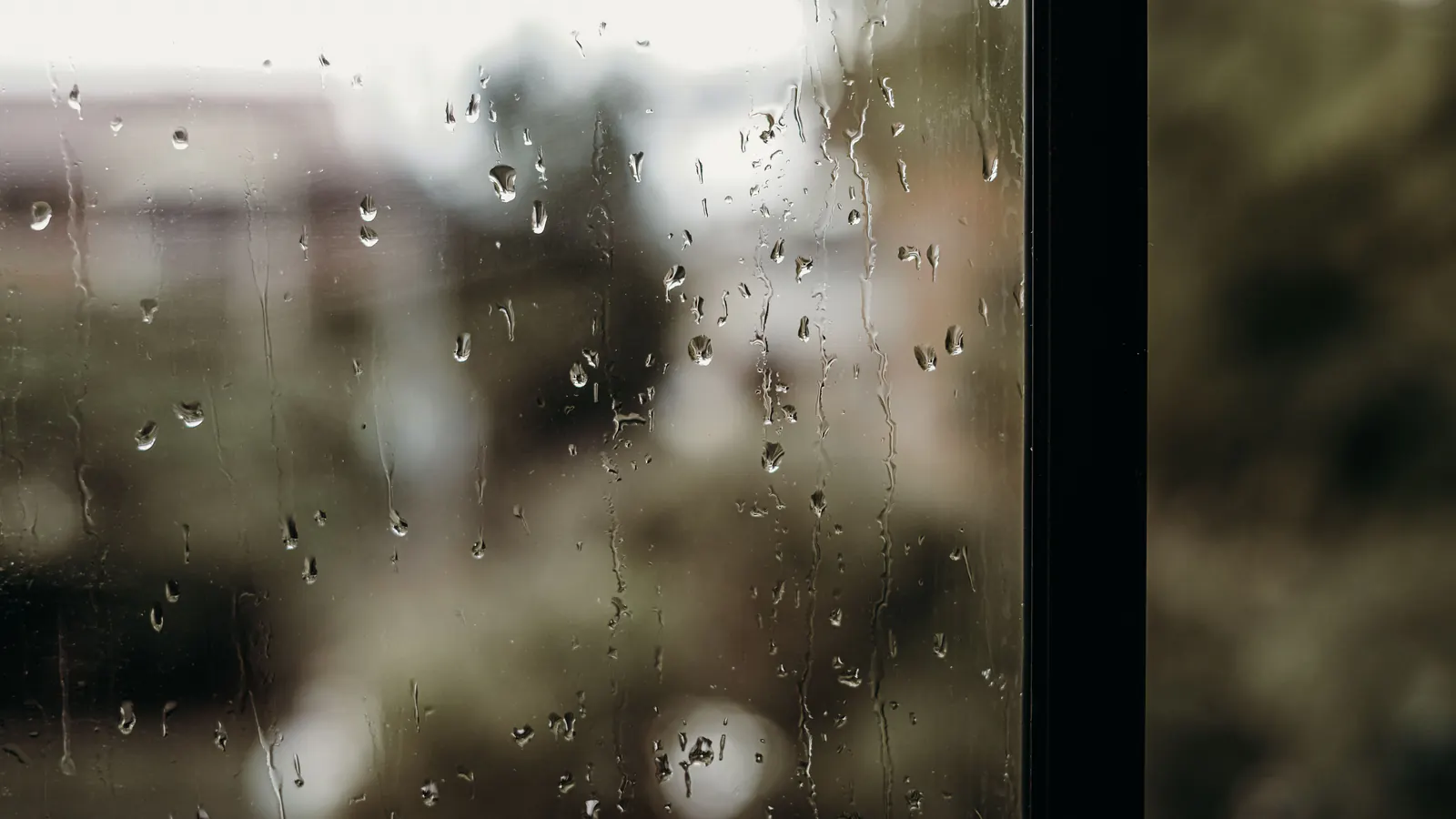
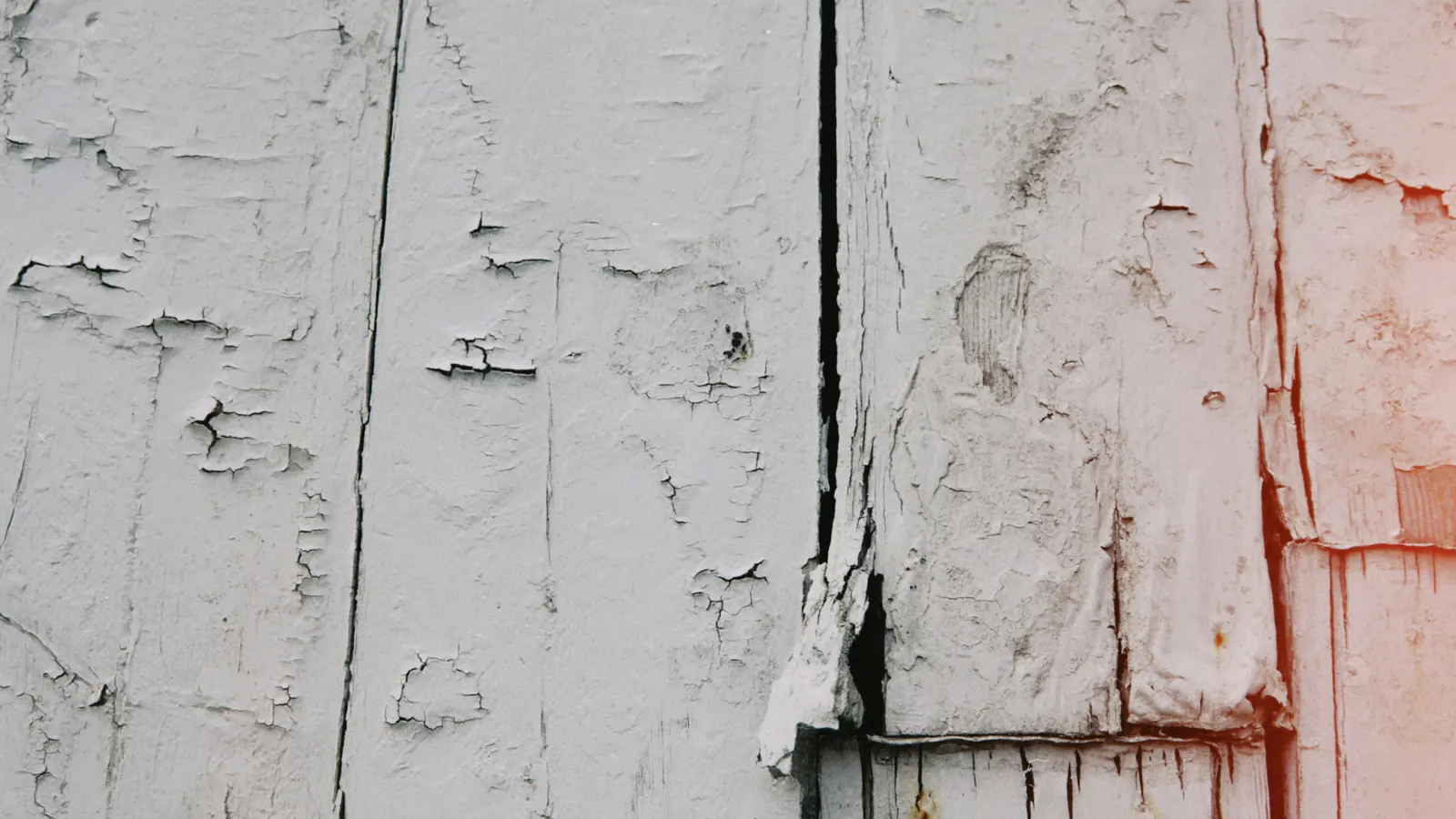
The bottom of a window takes the most punishment. Rain runs down the glass and collects on the bottom rail and the sill. Once the paint there cracks, water enters the end grain (10 to 100 times faster than other faces) and gets under the coating, and the paint lifts in sheets.
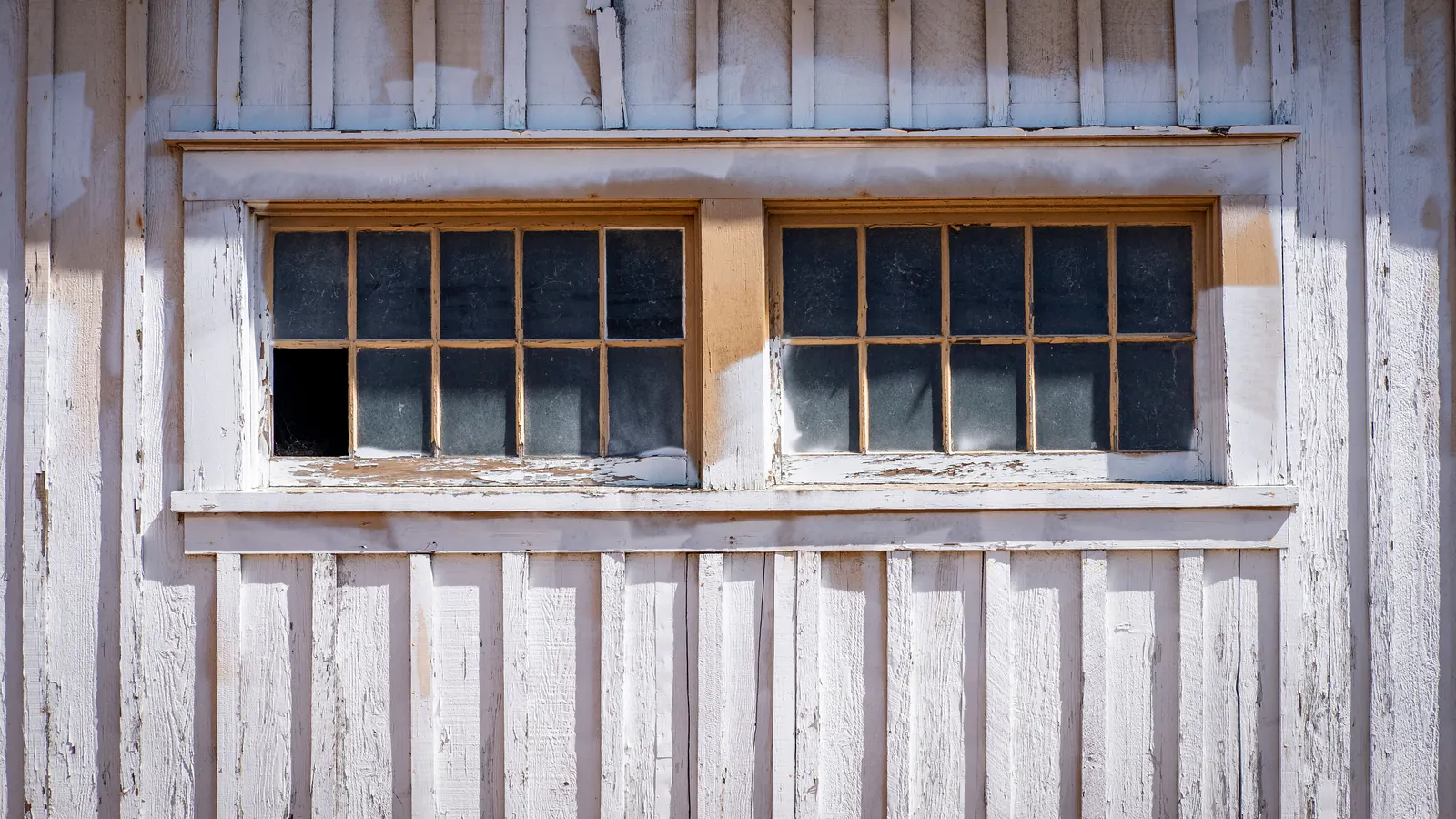
Signs to check for:
- Paint that is cracked, curling or flaking on the sill or the bottom rail of the sash
- Gray, raised or splintered wood where paint has come off
- Soft spots that give when you press them with a screwdriver tip
- Glazing putty that is cracked, loose or missing around the glass
- Sashes that stick, rattle or have been painted shut
Our post on finding and fixing wood rot shows how to check for soft wood.
Repair Before Paint
Loose and failing paint comes off first, and soft wood is cut back to solid wood. Small damaged areas are filled with wood repair compound and shaped to the original profile; larger damage on a sill or sash part may need a new piece fitted in. Rot that reaches load-bearing framing around the opening is a job for an appropriately licensed contractor, and we bring one in rather than paint over it.
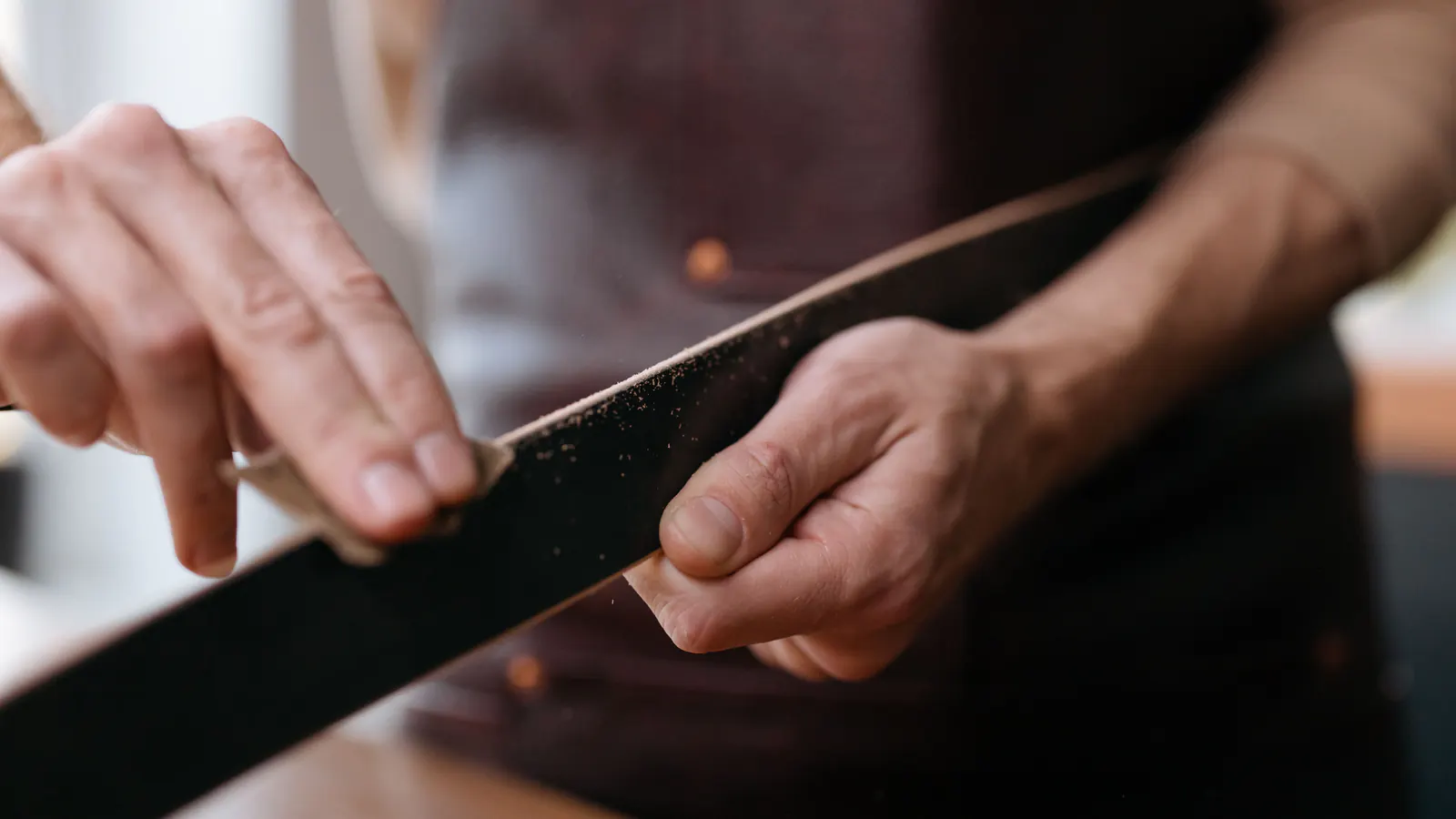
Then we sand by hand so edges and profiles stay crisp, feathering old paint ridges so the new coat lies flat.
Paint That Protects the Wood
Bare wood is primed first, then finish coats are brushed into the joints between sash parts, where water would otherwise get in. The Forest Products Laboratory calls sealing end grain probably the single most valuable step for wood exposed to water. On windows, that means a tight paint line at the glass, keeping water off the putty and out of the joint.

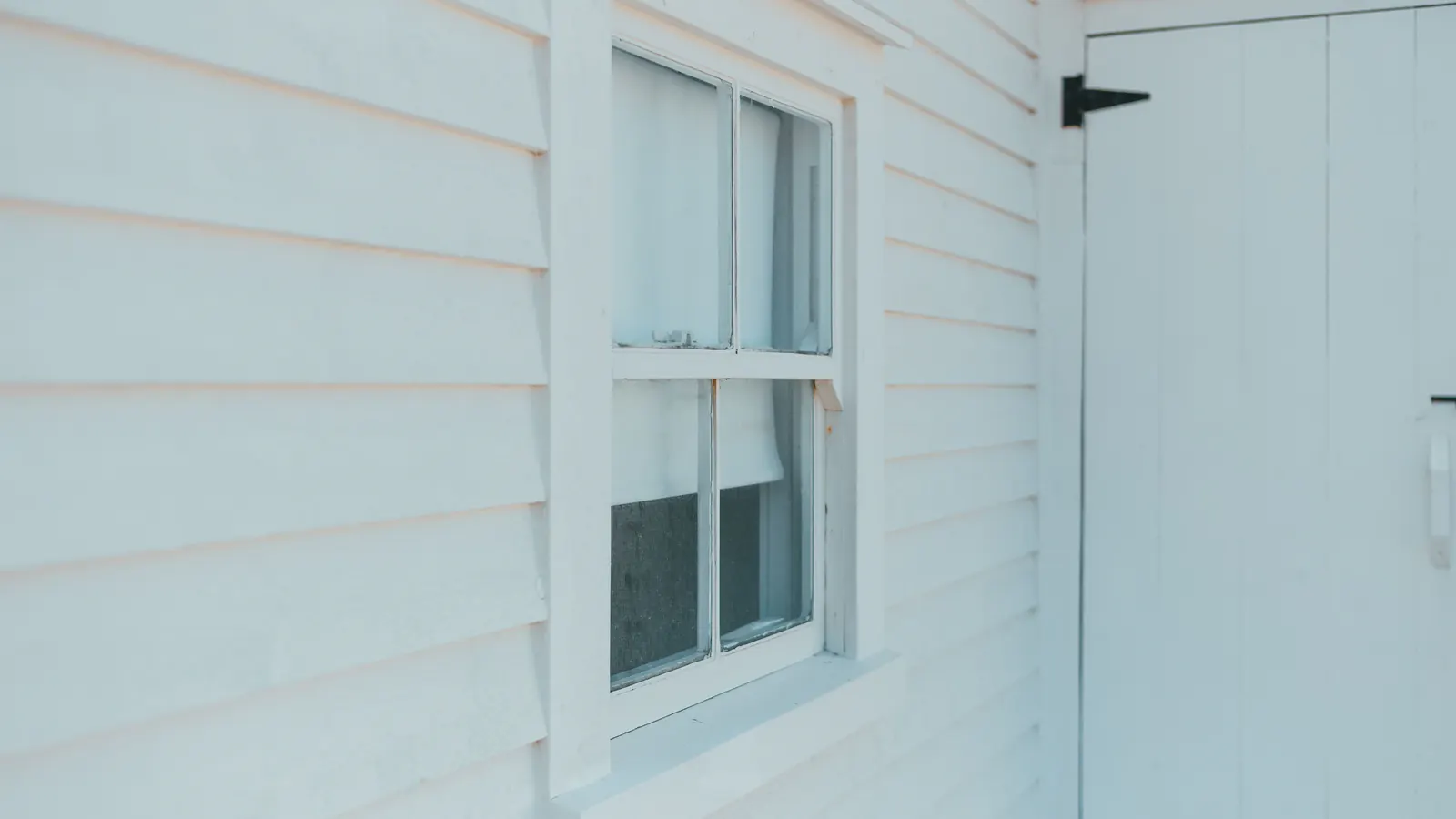
Working windows stay working: we move the sashes during the job so fresh paint does not seal them shut.

Some Pieces Go to the Shop
When it makes sense, we finish sashes and parts in our shop, on a bench with good light where coats dry without dust and weather, as with front doors and gates.

Restore or Replace?
A 2012 study by the National Trust for Historic Preservation compared retrofitting old windows with replacing them. Retrofits such as weatherstripping, exterior storm windows and cellular shades came close to the energy savings of new high-performance windows at a fraction of the cost. Its summary put simple rates of return for retrofits at 3% to 4% in most regions studied, nearly double that of new windows.
Sound frames with mostly cosmetic sill and paint problems are often worth restoring, and we tell you which windows we think are.
Keeping Them Going
Once restored, wood windows mostly ask for a yearly look. Check the sills and bottom rails after the rainy season. Touch up small cracks in the paint before they spread. Keep an eye on the putty. How often a full repaint is needed depends on sun, exposure, the products used and upkeep. South- and west-facing windows usually need attention first. This is general guidance, not a McDermaid warranty or guarantee.
Is it cheaper to restore or replace old wood windows?
It depends on their condition and the replacement. The National Trust study above found retrofits usually pay back better than replacement.
Can painted-shut windows be freed up?
Usually, yes. We cut the paint seal and ease the sash free. Broken sash cords and hardware may need separate repair.
Windows peeling or sticking? See our historic home painting and carpentry pages, then request an estimate or call us at (650) 961-7415.
Sources (7)
- U.S. Census Bureau, ACS 2024 1-year, table B25034 censusreporter.org (https://censusreporter.org/data/table/?table=B25034&geo_ids=16000US0655282&primary_geo_id=16000US0655282) Cited 1, 2, 3
- NOAA NCEI 1991-2020 normals, Palo Alto ncei.noaa.gov (https://www.ncei.noaa.gov/access/services/data/v1?dataset=normals-annualseasonal-1991-2020&stations=USC00046646&dataTypes=ANN-PRCP-NORMAL,ANN-PRCP-AVGNDS-GE001HI&format=json) Back
- USDA Forest Products Laboratory, Wood Handbook, 2021 research.fs.usda.gov (https://research.fs.usda.gov/download/treesearch/62269.pdf) Cited 1, 2
- USDA Forest Products Laboratory, Wood Handbook, 2021 fpl.fs.usda.gov (https://www.fpl.fs.usda.gov/documnts/fplgtr/fplgtr282/chapter_14_fpl_gtr282.pdf) Back
- NOAA NCEI 1991-2020 monthly normals, Palo Alto station 046646 ncei.noaa.gov (https://www.ncei.noaa.gov/access/services/data/v1?dataset=normals-monthly-1991-2020&stations=USC00046646&dataTypes=MLY-PRCP-NORMAL,MLY-PRCP-AVGNDS-GE001HI&format=json) Cited 1, 2
- City of Palo Alto cityofpaloalto.org (https://www.cityofpaloalto.org/files/assets/public/v/1/planning-amp-development-services/historic-preservation/professorville-design-guidelines_public-review-draft_5-2-2016_reduced.pdf) Back
- 2012 study by the National Trust for Historic Preservation savingplaces.org (https://savingplaces.org/stories/preservation-tips-tools-retrofitting-historic-windows) Back