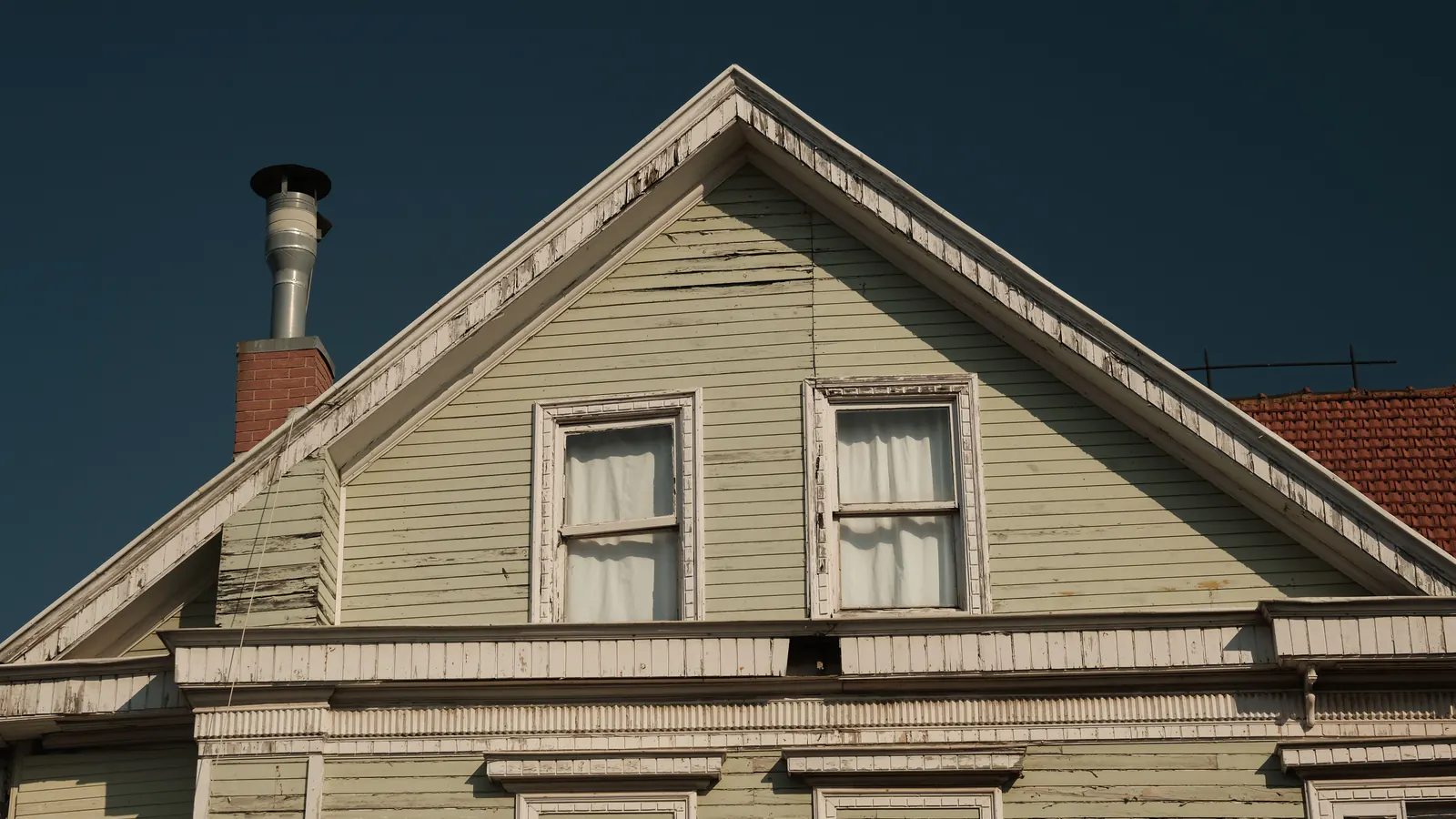
On most older Peninsula homes, the west-facing wall looks tired while the north and east sides still look fresh: chalking, fading, maybe peeling at window trim or siding joints. Same paint, same day, same contractor. So why does one side fail years earlier?
Physics. West-facing walls take afternoon sun when temperatures peak and UV is strongest, and warm inland air adds to the thermal stress. Knowing this guides product selection, preparation and repaint schedules on your next exterior project.
Why West Is Worst
Surface temperatures, not just UV, drive the difference. East-facing walls heat in the cool morning and are shaded by afternoon. North-facing walls get little direct sun at Peninsula latitudes. South-facing walls get steady sun at lower angles, spreading the heat more evenly.
West-facing walls take direct sun from roughly noon to sunset, when air temperature and UV both peak. A dark west wall on a Peninsula summer afternoon can reach 160 to 180°F, where paint film degrades far faster than manufacturer estimates based on average conditions.
The Thermal Math
Paint degradation roughly doubles for every 18°F increase in temperature (Arrhenius equation). A surface running 40°F hotter than test conditions can degrade about four times faster, enough to turn a paint life of around 10 years into less than three.
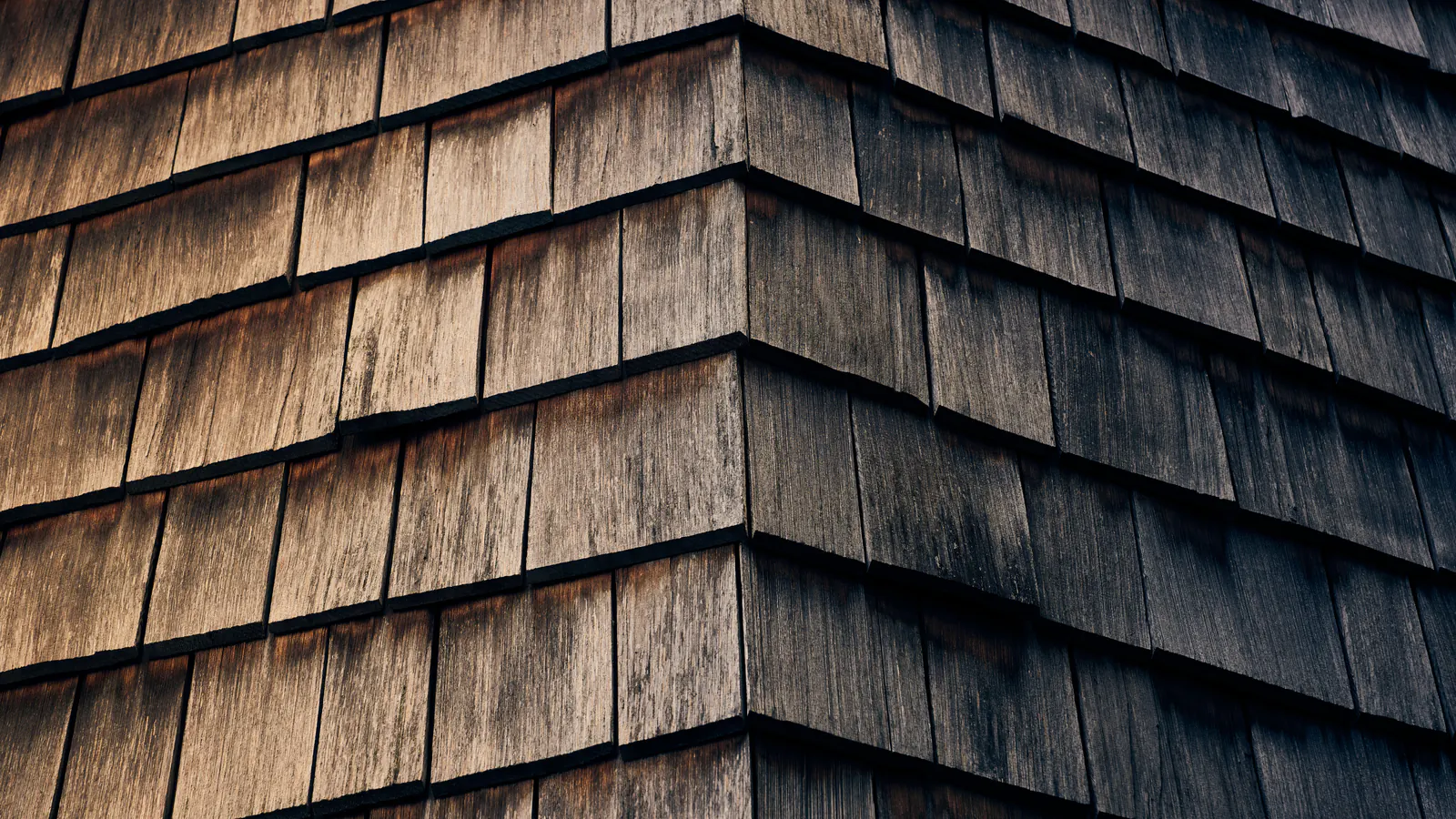
How Paint Fails on West-Facing Walls
Oxidation and Chalking
UV breaks down the binder (resin), leaving pigment loosely bound at the surface as a white residue that wipes off on your hand. Chalking is normal at end of life; within a few years, it's a sign of accelerated failure.
Color Fading
Organic pigments (reds, yellows, blues) fade faster under UV than inorganic ones (iron oxides, titanium dioxide). That's why a deep color looks washed out on the west wall and still true on the north.
Film Brittleness and Cracking
As the binder oxidizes, the film loses elasticity. Daily thermal cycling (expanding in afternoon heat, contracting at night) opens micro-cracks that let water in, and on wood, failure accelerates from here.
Adhesion Failure
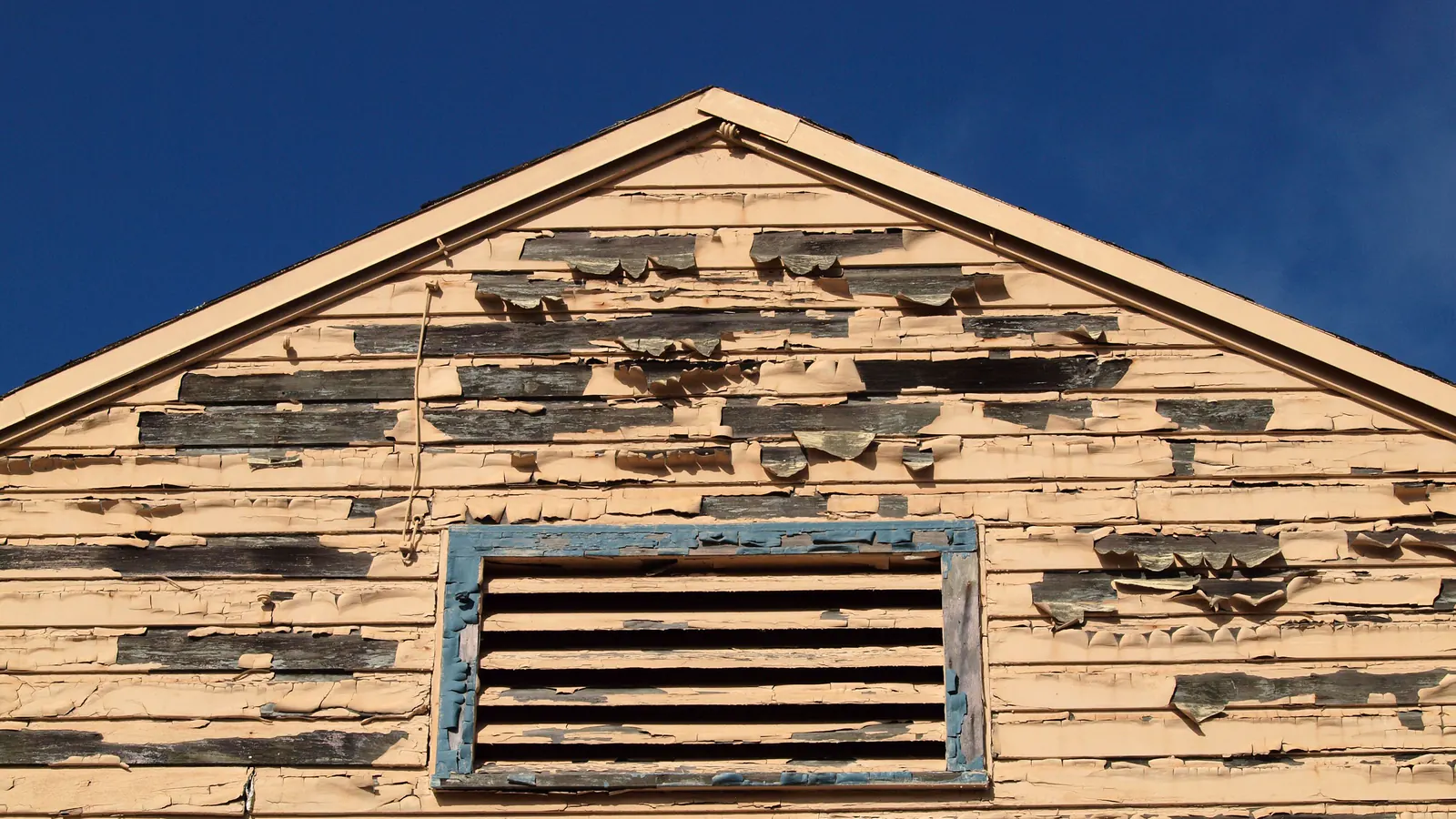
Water behind the brittle film, plus wood movement, breaks the bond to the substrate. Peeling starts at end grain, windowsill edges and trim joints, then spreads as more water gets in.
Product Selection for High-Sun Exposures
Not all exterior paints are equal on west-facing walls. The key differentiators are binder quality, UV stabilizer content, and solids percentage. Here's how common exterior paint categories compare. The lives below are typical ranges on a west wall, and each depends on exposure, surface prep, the product and maintenance. This is general guidance, not a McDermaid warranty or guarantee.
| Product Tier | Typical Life (West) | Key Advantage |
|---|---|---|
| Standard Exterior Latex | 4 to 6 years | Cost. No technical advantage on high-sun exposures. |
| Premium Acrylic (BM Aura, SW Emerald) | 7 to 10 years | Better binder quality and UV stabilizers. Good baseline for typical Peninsula conditions. |
| Alkyd-Acrylic Hybrid | 8 to 12 years | Alkyd hardness with acrylic flexibility. Excellent adhesion on wood. Handles thermal cycling well. |
| Fine Paints of Europe (Hollandlac, Eurolux) | 12 to 15+ years | European-formulated high-solids with superior UV stabilizers. Designed for harsh Northern European coastal conditions. Performs exceptionally on Peninsula west exposures. |
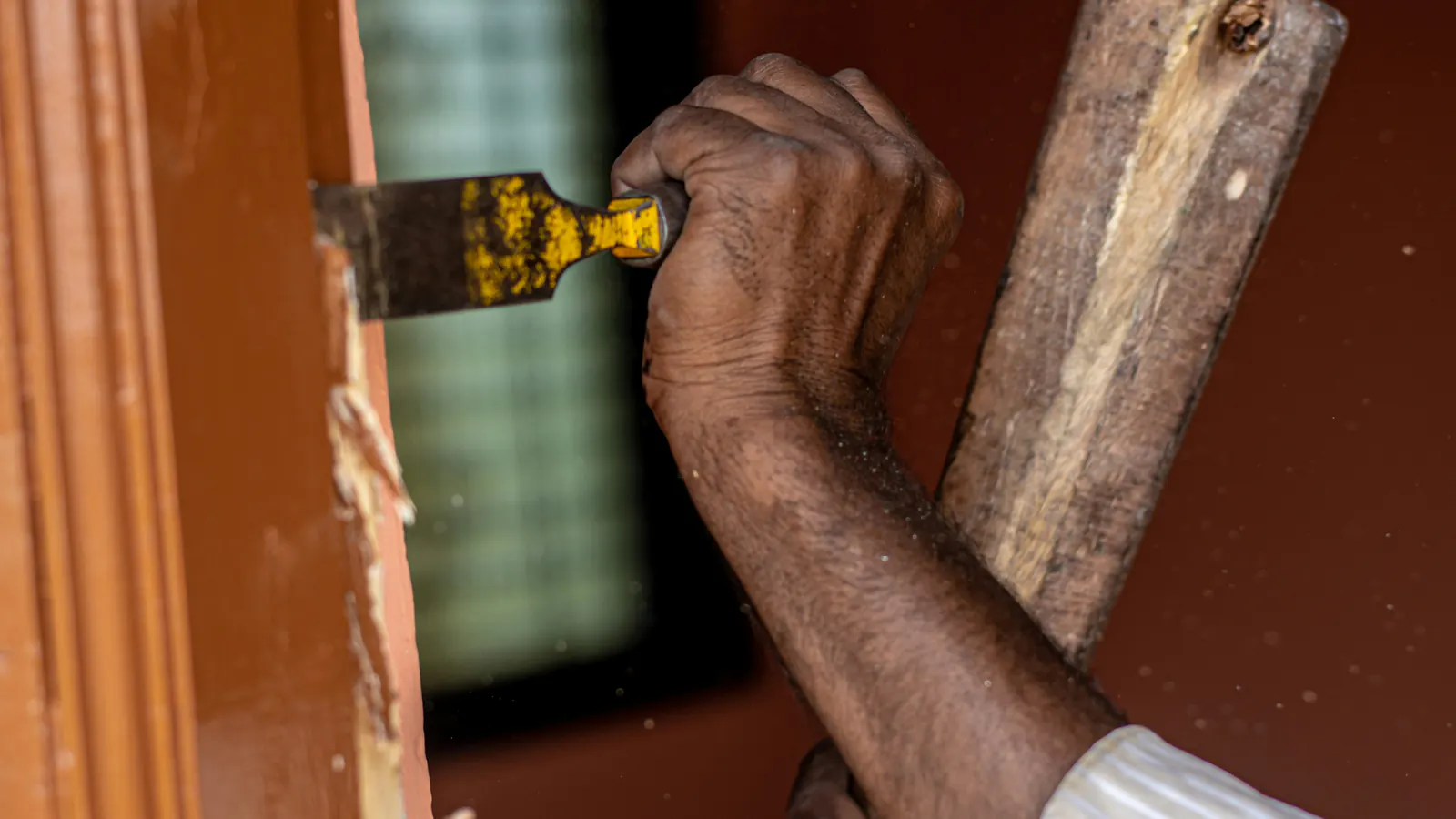
Preparation Matters More on West Walls
Greater thermal cycling amplifies any adhesion weakness, so prep that is adequate on north and east sides may fall short on the west.
What we do differently on west-facing surfaces:
- More thorough sanding: Removing all loose, chalky, or oxidized paint rather than just spot-sanding problem areas
- Oil-based primer on bare wood: Better penetration and adhesion than latex primer on wood that has already cycled through heat stress
- Caulk selection: Paintable polyurethane or siliconized acrylic rather than standard acrylic caulk. These maintain flexibility through greater temperature ranges
- End grain attention: Sealing all exposed end grain, which is where water infiltration begins and adhesion fails first
Color Choice and Heat Absorption
Dark colors can run 20 to 40°F hotter than light colors on the same wall in the same sun. By the thermal math above, that alone can multiply the degradation rate on a west wall.
You don't have to avoid dark colors. For a dark color on west-facing siding, we specify a higher-grade product to handle the extra thermal load (our Fine Paints of Europe cost comparison covers one option); for light colors, standard premium exterior products often perform adequately.