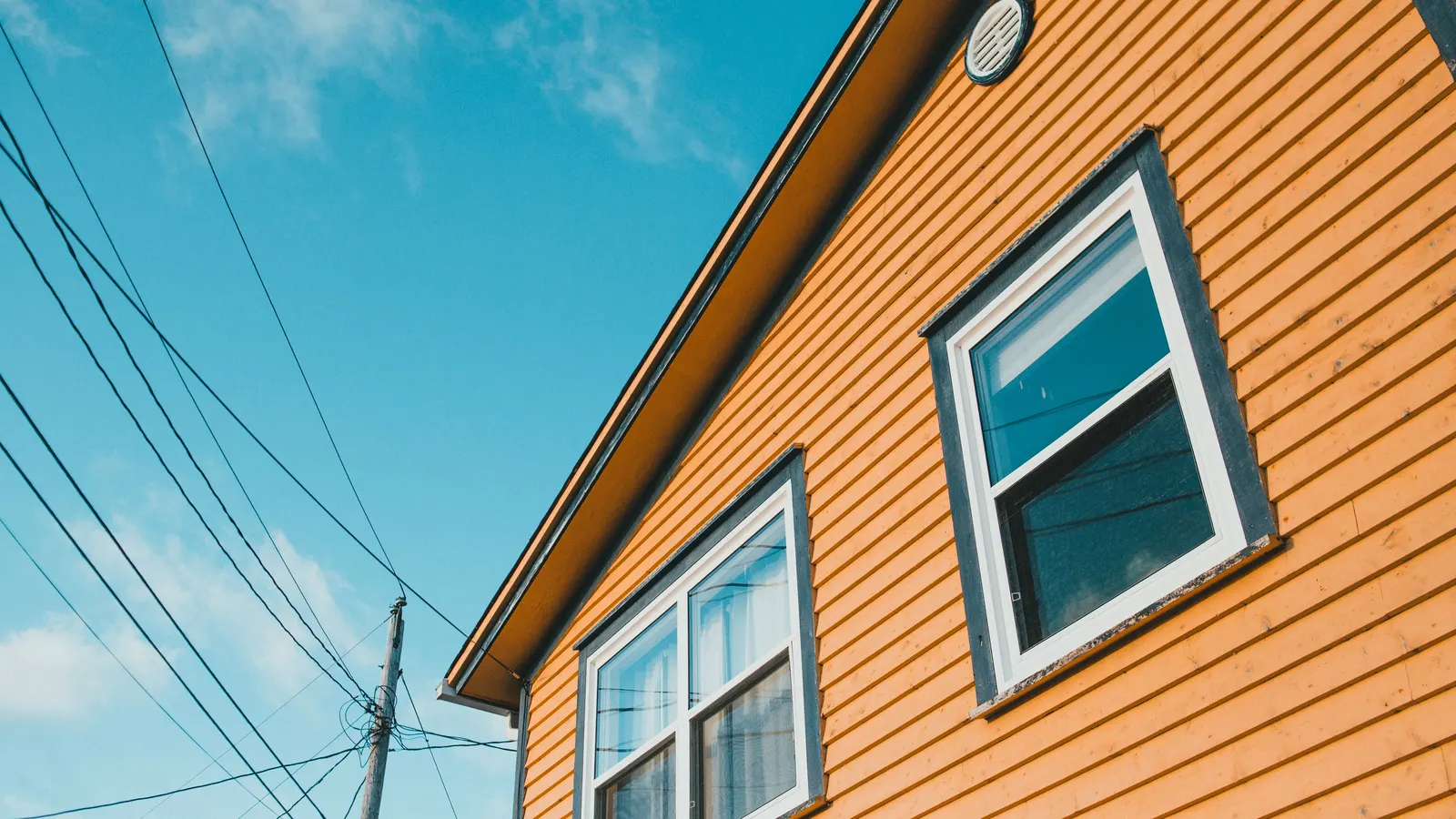
Once the first five feet are clear, the embers that still arrive land on the walls and the deck. Siding is the largest outside surface on most houses. A deck catches embers twice, once on the boards and again in the leaves and needles that collect underneath. If you’re re-siding or rebuilding a deck anyway, that’s the time to pick a material that resists them better.
How do the usual materials compare? A lab test called ASTM E84 measures how fast a flame runs across a surface, and the lower the number, the slower it goes.
| Material or class | Flame spread index, low (FSI) | Flame spread index, high (FSI) |
|---|---|---|
| Class A | 0 | 25 |
| Class B | 26 | 75 |
| Class C | 76 | 200 |
| Fiber cement board | 0 | |
| Western red cedar | 45 | |
| Redwood | 55 | |
| Douglas-fir | 70 |
Sources (2)
Sources: American Wood Council, DCA 1 Flame Spread Performance of Wood Products, 2019; 2025 California Building Code, section 803.1.2.
Western red cedar, redwood and Douglas-fir all land in Class B. Fiber cement scores 0, the bottom of the scale. The American Wood Council says fire-retardant treatments can bring wood products up to Class A.
What the code asks of walls and decks
In designated wildfire areas the rules come from the 2025 California Wildland-Urban Interface Code, the WUI code for short. Your building department decides which of them apply to your project.
| Figure | What it means for you | Source |
|---|---|---|
| 6 inches of metal flashing or noncombustible material where the wall meets the ground, a deck or the roof | Those joints are where embers and debris pile up against the wall. | 2025 California WUI Code, section 504.5.1 |
| A flame spread index of 25 or less in an extended 30-minute ASTM E84 test, front and back, for ignition-resistant material | Treated wood and other products sold as ignition-resistant have to clear this bar, along with a weathering requirement. | 2025 California WUI Code, section 503.2.4 |
| A peak heat release of 25 kW per square foot or less for deck walking surfaces tested to ASTM E2632 | Deck boards get their own fire test, with a cap on how much heat they give off and no flaming or glowing left at the end. | 2025 California WUI Code, section 504.7.3.3.1 |
| 54% likelihood of avoiding damage for homes with four hardening features in the 2025 Los Angeles fires, against 36% with one | Noncombustible siding was one of the four. The others were a Class A roof, double-pane windows and enclosed eaves. | IBHS, findings on the Palisades and Eaton fires, December 2025 |
For siding the code accepts noncombustible material, ignition-resistant material labeled for exterior use, or fire-retardant-treated wood labeled for exterior use, from the top of the foundation all the way to the roof.
Does that mean your wood siding has to come off? Not necessarily. Your building department decides whether a project triggers the WUI code, and the code accepts treated wood. In the meantime, keep wood siding painted and caulked.
A wall and deck in section
Illustrative section, not to scale
-
6 inches of metal flashing or noncombustible material where the wall meets the ground, a deck or the roof. Those joints are where embers and debris pile up against the wall.
-
The same 6 inches applies where the wall meets a deck. We install metal flashing where the deck meets the wall.
-
Noncombustible, ignition-resistant or fire-retardant-treated wood labeled for exterior use, running from the top of the foundation to the roof.
-
Deck boards get their own fire test, with a cap on how much heat they give off.
-
A deck catches embers on its boards and in the debris underneath.
-
We recommend non-combustible skirting, proper clearance from the house and ember-resistant details.
Replacing the siding
On our fire-resistant siding jobs we install Hardie fiber cement. The manufacturer lists it as non-combustible per ASTM E136, with a flame spread index of 0. Under our B-2 license we run the whole job, from tear-off to paint.
- First we look over the siding you have and specify the replacement.
- The old siding comes off, and we inspect the wall underneath before anything new goes on.
- The new siding goes up with proper flashing, fastened the way the manufacturer specifies.
- Then we prime and paint it ourselves, or install a pre-finished product.
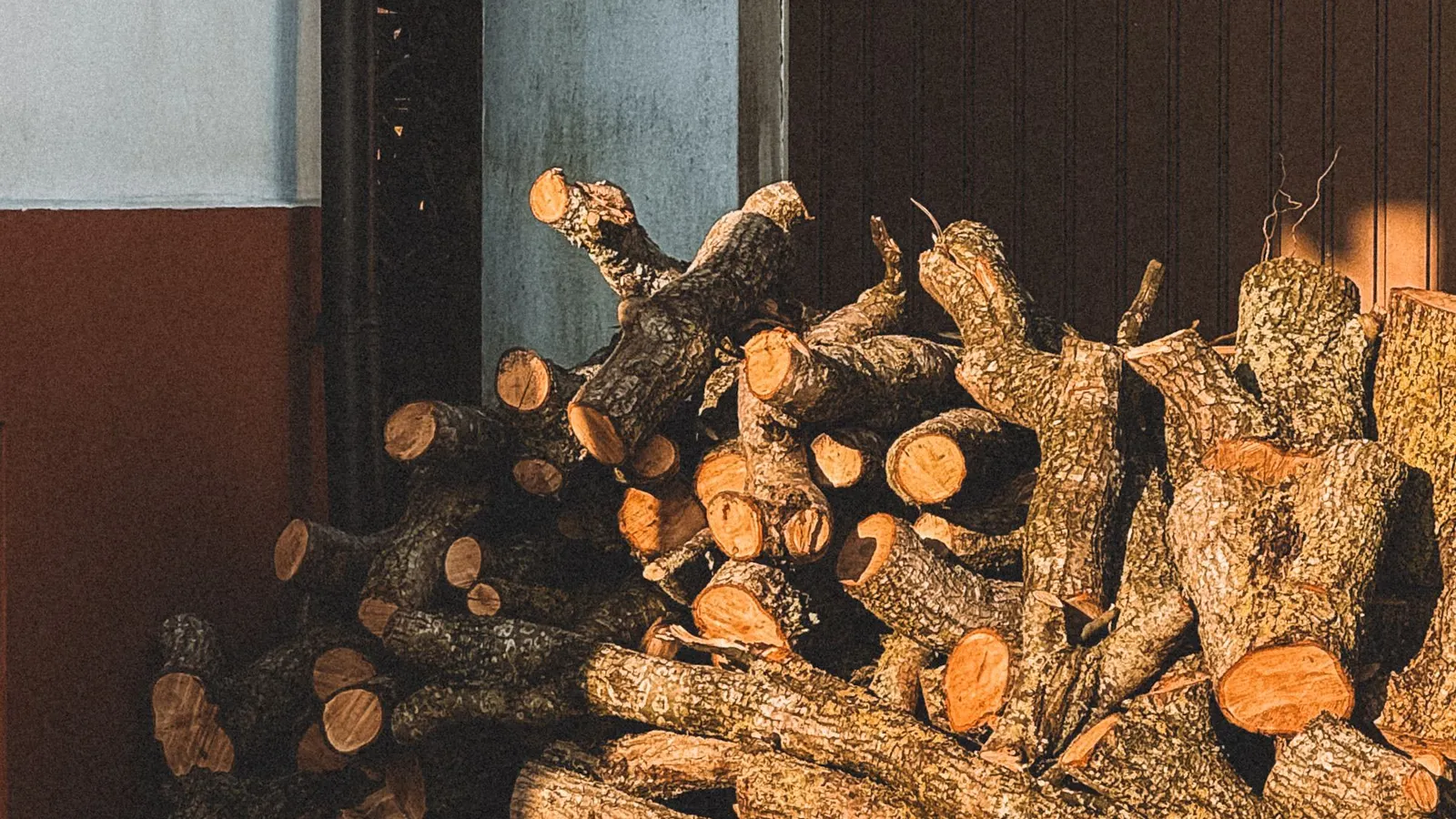
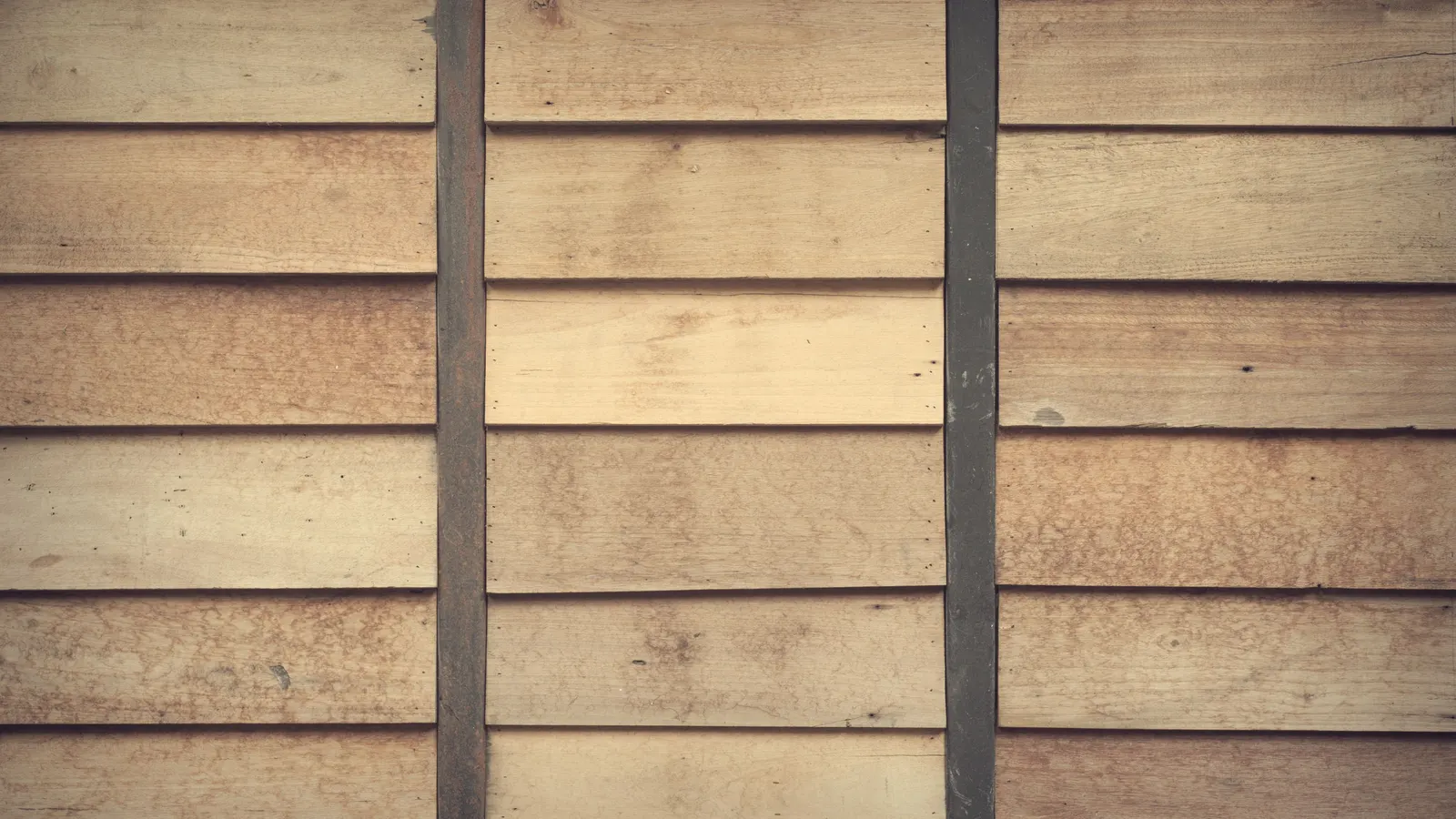
A wall with the siding off shows what’s been going on behind it for years. Work outside our license classifications goes to an appropriately licensed contractor. We keep the records for your permit file, and for the AB 38 disclosure if you sell.
The deck
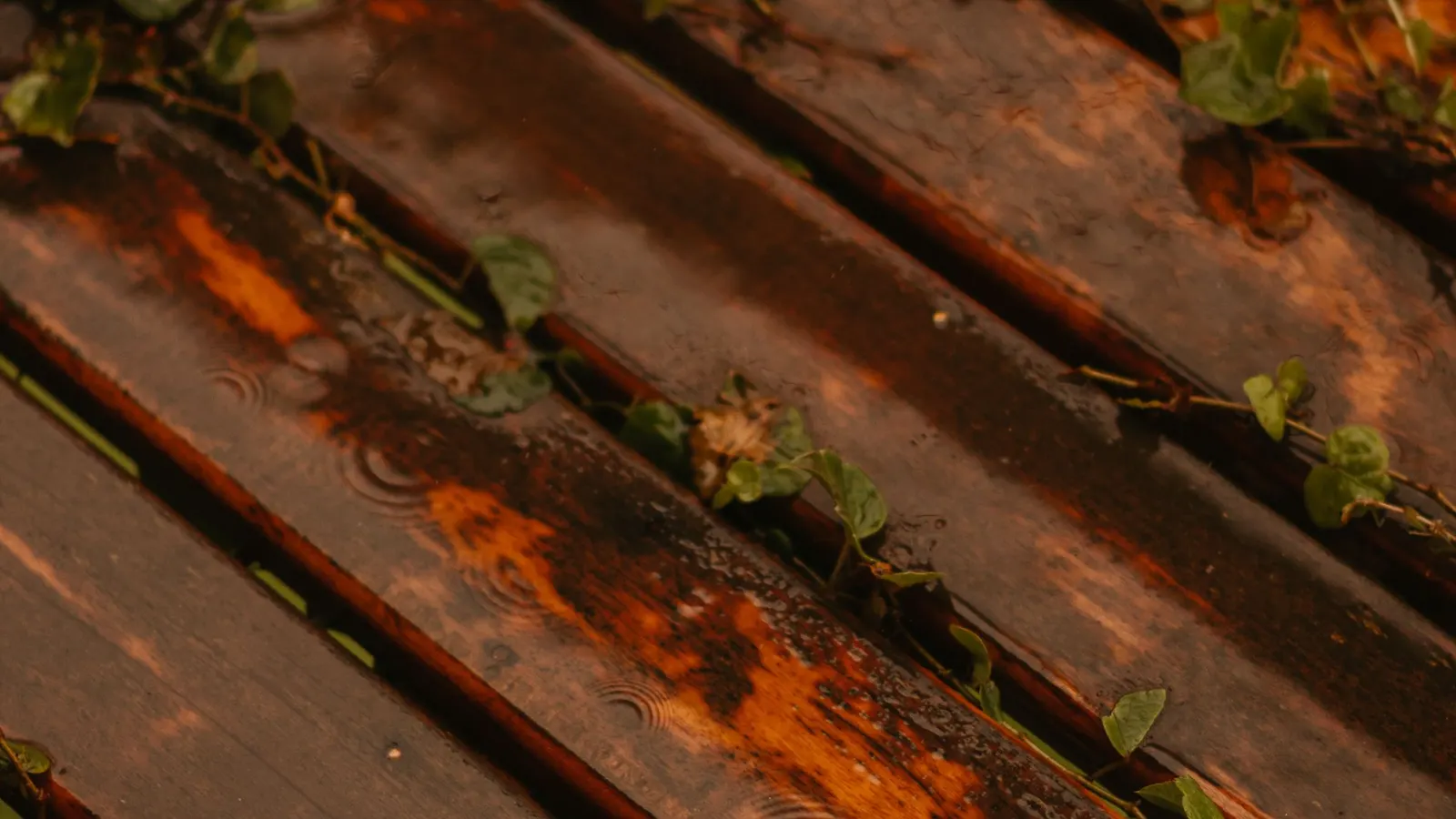
Most decks are raised, open underneath and built from combustible wood. Embers blow under them and settle in whatever has collected there, right below the boards. Our fire-resistant decking work starts with the deck you have, its condition and its weak points, and then a material that fits the look you want.
TimberSIL is lumber infused with sodium silicate. It carries a Class A fire rating and it still takes paint. Composite boards don’t splinter, warp or rot, and many carry Class A or Class B fire ratings. Many is not all. Ratings vary by product, so ask for the board’s WUI listing or test report, and we’ll check it against your project.
An existing wood deck is a different case. A fire-retardant coating can improve the fire resistance of the boards. It isn’t a WUI measure and doesn’t replace fire-resistant decking, and coatings aren’t an approved compliance method under the WUI code. Part 3 explains where they do fit.
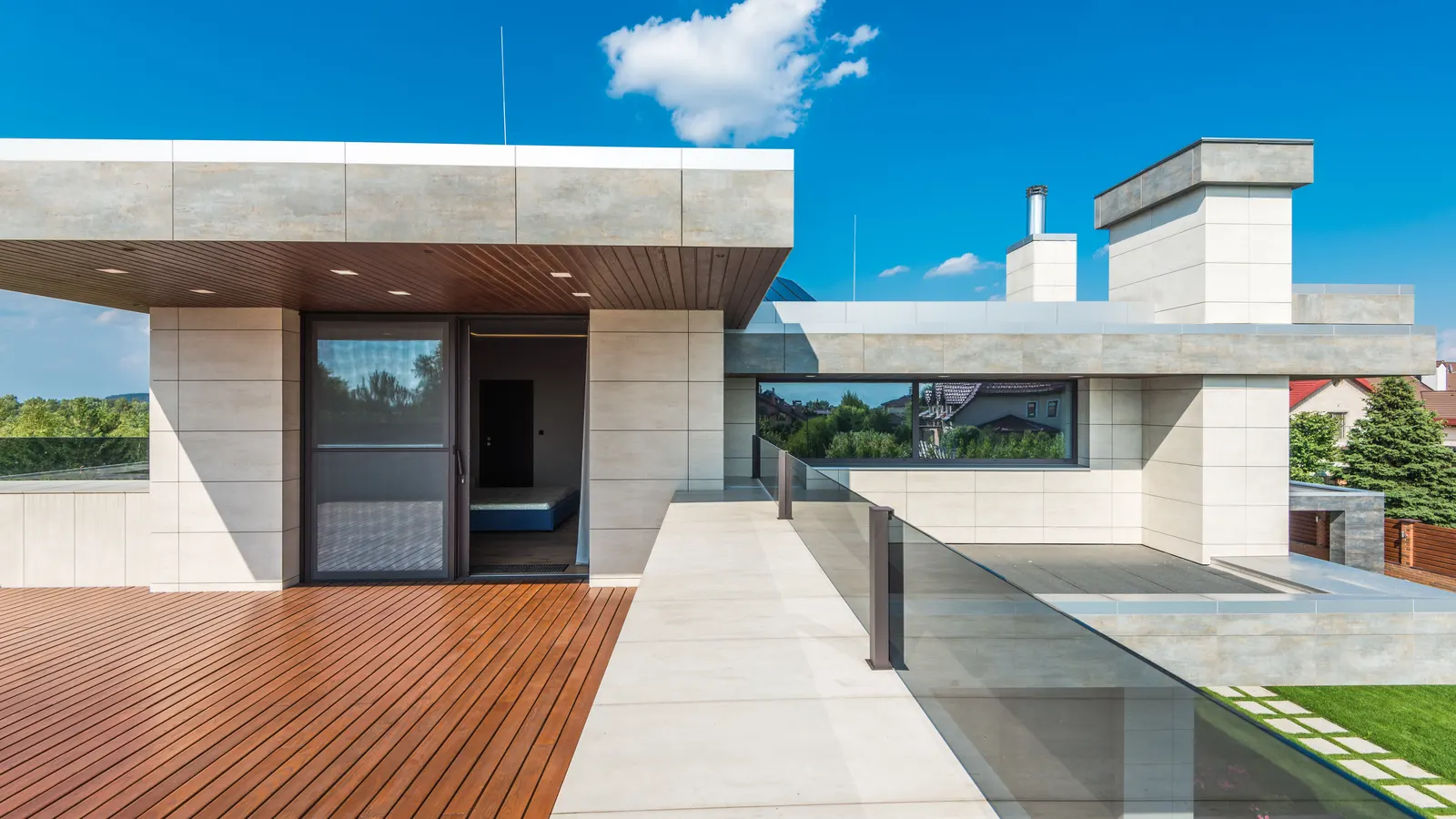
Whatever the boards are made of, the details around them count. We recommend noncombustible skirting, clearance from the house and metal flashing where the deck meets the wall. We build with those details and hand over each product’s fire rating documents.
For keeping a deck sound through the wet months, see storm-ready decks, railings and stairs. If you’re keeping your wood siding, our post on Woodside redwood siding covers its care. To talk through your siding or deck, request an estimate or call us at (650) 961-7415.
That leaves the wood you aren’t replacing (the eaves, the trim, the old deck) and the paperwork that shows what was done. Both are in Part 3, on coatings and records.
Sources (4)
- American Wood Council, DCA 1 Flame Spread Performance of Wood Products, 2019 web-media.awc.org (https://web-media.awc.org/wp-content/uploads/2021/12/17210739/AWC-DCA1-FlameSpreadPerformance-1906.pdf) Back
- 2025 California Building Code, section 803.1.2 up.codes (https://up.codes/viewer/california/ca-building-code-2025/chapter/8/interior-finishes) Back
- 2025 California WUI Code, section 504.5.1 up.codes (https://up.codes/viewer/california/ca-wuic-2025/chapter/5/special-building-construction-regulations) Cited 1, 2, 3
- IBHS, findings on the Palisades and Eaton fires, December 2025 ibhs.org (https://ibhs.org/ibhs-news-releases/ibhs-findings-on-la-countys-palisades-and-eaton-fires/) Back