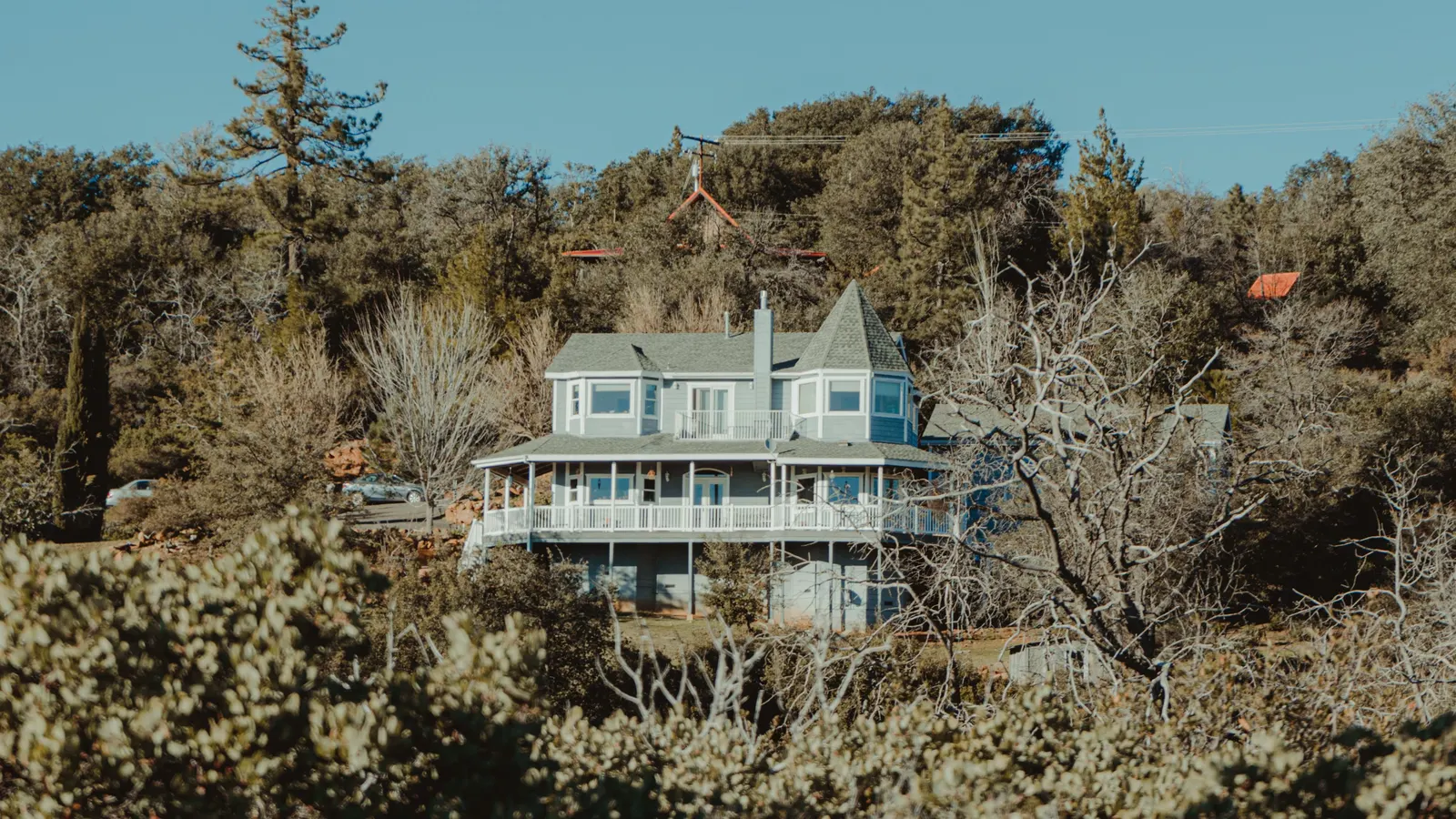
The flames don’t have to reach a house to burn it. Most homes lost to wildfire catch from embers, the bits of burning bark and brush the wind carries out ahead of the fire. They come down in gutters, in vents, in the mulch along the foundation and in the leaves under the deck. The research keeps pointing at what they find within five feet of the walls.
Once a fire gets into a neighborhood, the losses add up fast. The Camp Fire destroyed 18,804 structures in 2018. In January 2025 the Eaton and Palisades fires in Los Angeles County destroyed 9,419 and 6,845. The closest to us was the CZU Lightning Complex, which burned through San Mateo and Santa Cruz counties in August 2020 and destroyed 1,490.
| Fire | Destroyed (structures) |
|---|---|
| Camp Fire, 2018 | 18804 |
| Eaton Fire, 2025 | 9419 |
| Palisades Fire, 2025 | 6845 |
| CZU Complex, 2020 | 1490 |
Sources (4)
Sources: CAL FIRE incident pages for the Camp Fire, Eaton Fire, Palisades Fire and CZU Lightning Complex, checked October 2026.
The first five feet
Why start that close to the house? An ember that lands five feet out has the shortest trip to the wall. California’s defensible space law, Public Resources Code 4291, covers homes in State Responsibility Areas. It calls for managing fuel out to 100 feet and for an ember-resistant zone in the first 5 feet, which the state calls Zone 0. For the wider picture, out to the full 100 feet, see our wildfire mitigation guide.
| Zone | Starts at, low (feet) | Ends at, high (feet) |
|---|---|---|
| Zone 0 | 0 | 5 |
| Zone 1 | 5 | 30 |
| Zone 2 | 30 | 100 |
The three zones around a house, and where embers land
Illustrative elevation, not to scale
-
The ember-resistant zone within 5 feet of the house. An ember that lands here has the shortest trip to the house.
-
Heavier fuel reduction between 5 and 30 feet.
-
Managing fuel out to 100 feet.
-
Embers land in gutters. Keeping gutters clean was in the first phase of the state’s Zone 0 rules, which the Board approved and then withdrew from state review on September 8, 2026. They aren’t in effect yet.
-
We check attic vents, where our standard is 1/8-inch metal mesh.
-
Leaves and needles pile up under decks, where nobody looks.
-
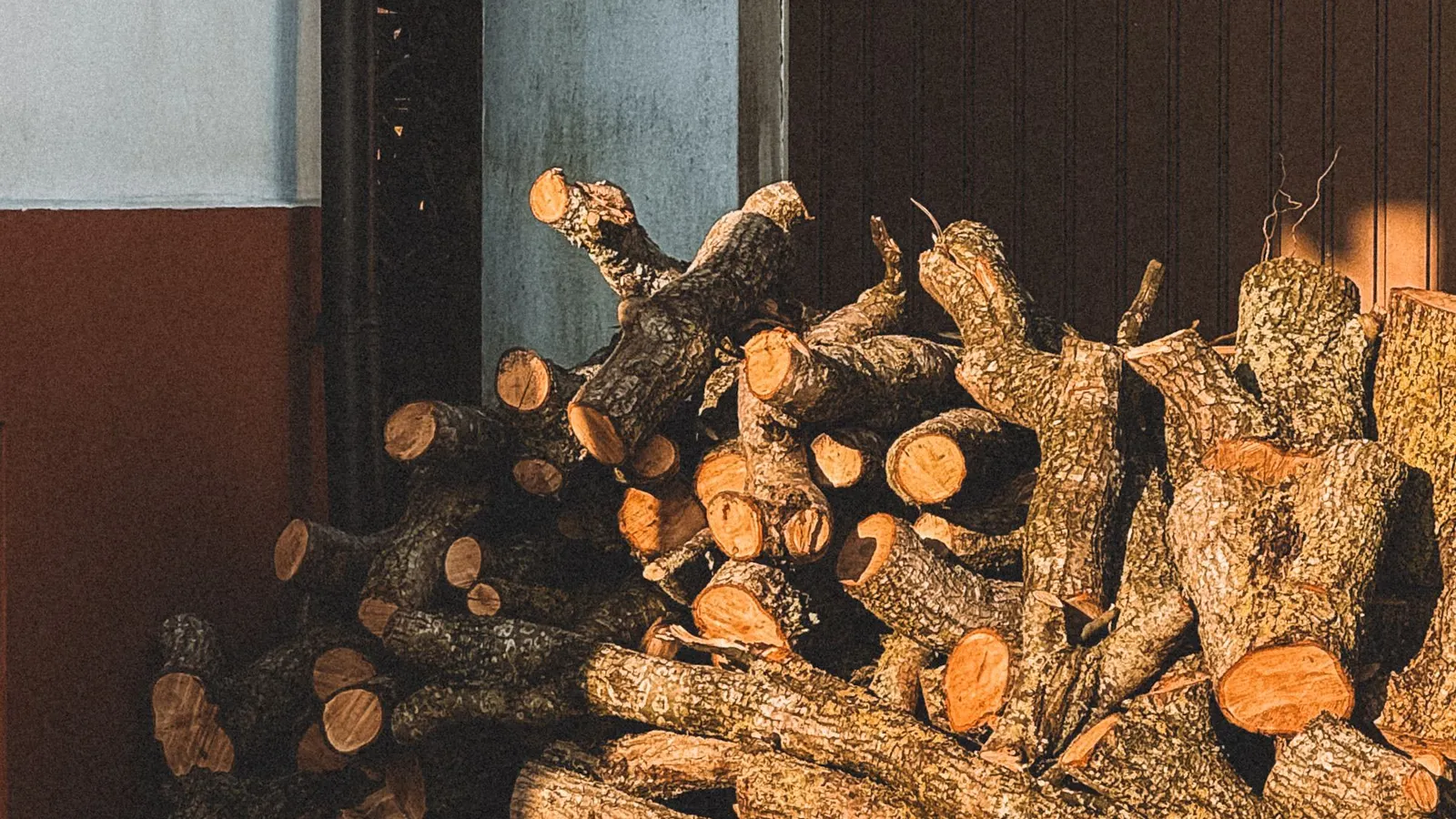
Bark mulch, firewood or a dry shrub under a window can each catch from one ember and put flame right against the siding.
Walk the first five feet and look at what touches the house. Bark mulch against the foundation, a stack of firewood on the porch, a dry shrub under a window, a wood gate fastened to the siding. Any one of them can catch from a single ember and hold a flame against the wall. Then get down and look under the deck, where leaves and needles pile up and nobody looks.
IBHS has studied two rounds of California fires now, the 2017 and 2018 fires and the two in Los Angeles in 2025. The first put embers behind up to 90% of home ignitions. The second tied fuel next to the walls to a much higher chance of damage. Much of what they found is upkeep.
| Figure | What it means for you | Source |
|---|---|---|
| Embers cause up to 90% of home ignitions in wildfires | Most of what you can do comes down to where embers land and what they find there. | IBHS, analysis of the 2017 and 2018 California fires, July 2020 |
| Nearly 90% risk of damage or destruction once fuel covered more than 25% of Zone 0, in the 2025 Los Angeles fires | Plants, patio furniture and trash bins next to the walls carried fire to houses. They’re also the easiest things on this list to move. | IBHS, findings on the Palisades and Eaton fires, December 2025 |
| High or very high fire hazard severity for areas in the Palo Alto Hills on the state’s 2025 maps | Parts of Palo Alto generally west of Junipero Serra Boulevard and Foothill Expressway were mapped as moderate. Check your own address before planning around a rule. | City of Palo Alto, April 2025 |
| No effective date yet for the statewide Zone 0 rules, which were withdrawn from state review on September 8, 2026 | Nothing in the draft is enforceable today. It still shows what the state expects in the first five feet. | Office of Administrative Law, file 2026-0828-03E, checked October 2026 |

Where the Zone 0 rules stand
The state Board of Forestry approved statewide Zone 0 rules on August 19, 2026. Existing homes would get three years for a first phase, which means taking out the mulch, wood chips, firewood and dead plants within 5 feet and keeping the gutters clean. Later phases reach combustible gates, fencing and sheds.
On September 8 the Board withdrew the rules from state review. As of mid-October they haven’t been refiled. Nothing in them is enforceable today and there is no start date. That changes nothing about the first-phase list. It’s upkeep, and you can do it this weekend.
Do the rules apply to your house? Once they take effect, they’d cover State Responsibility Areas and the Very High Fire Hazard Severity Zones inside cities. In Palo Alto the high and very high zones are in the hills. Look up your address on the state’s fire hazard maps, or ask us to.
Does every plant near the house have to go? The approved draft starts with dead plants, mulch, wood chips and firewood. Live plants are a harder call. IBHS testing found that live plants within five feet still raise the heat a wall sees, even when they’re watered. We go through them with you, your arborist and your landscaper and decide what goes first.

How we run a wildfire audit
A wildfire mitigation job starts with a walk around the property and ends with a set of records you keep. In between there are four steps.
- We walk the property with the state’s AB 38 wildfire checklist, treat Zone 0 as best practice, and photograph and rank everything we find.
- From that we write a phased plan. The highest risk goes first, with budget options for the rest.
- Our crew does the work that falls within our B-2 and C-33 license classifications. That covers siding, vents and decking, plus coatings on existing wood, which aren’t a WUI measure.
- You get records of the Zone 0, 1 and 2 work for your insurer and your AB 38 file.

In the attic we check the vents, and our standard there is 1/8-inch metal mesh. Roofing belongs to a licensed roofer, so we write Class A roofing recommendations for one to install. The defensible-space check follows CAL FIRE guidelines, but it isn’t a CAL FIRE inspection. Your insurer decides coverage and pricing.
Will a Zone 0 cleanup bring your premium down? That’s for your insurer to say, and your agent is the person to ask. Part 3 covers the state regulation on mitigation in insurance rates, and our fire insurance documentation checklist lists the photos worth keeping. The yearly check can also go into our annual maintenance program.
To book an audit, request an estimate or call us at (650) 961-7415. Once the first five feet are clear, the next things embers reach are the walls and the deck boards, and that’s Part 2, on siding and decks.
Sources (9)
- Camp Fire fire.ca.gov (https://www.fire.ca.gov/incidents/2018/11/8/camp-fire) Back
- Eaton Fire fire.ca.gov (https://www.fire.ca.gov/incidents/2025/1/7/eaton-fire) Back
- Palisades Fire fire.ca.gov (https://www.fire.ca.gov/incidents/2025/1/7/palisades-fire) Back
- CZU Lightning Complex fire.ca.gov (https://www.fire.ca.gov/incidents/2020/8/16/czu-lightning-complex-including-warnella-fire) Back
- California Public Resources Code section 4291 california.public.law (https://california.public.law/codes/public_resources_code_section_4291) Back
- IBHS, analysis of the 2017 and 2018 California fires, July 2020 ibhs.org (https://ibhs.org/ibhs-news-releases/damage-analysis-of-2017-2018-wildfires-shows-importance-of-mitigation/) Back
- IBHS, findings on the Palisades and Eaton fires, December 2025 ibhs.org (https://ibhs.org/ibhs-news-releases/ibhs-findings-on-la-countys-palisades-and-eaton-fires/) Back
- City of Palo Alto, April 2025 paloalto.gov (https://www.paloalto.gov/News-Articles/City-Manager/Palo-Alto-Begins-Wildfire-Preparedness-Public-Discussions) Back
- Office of Administrative Law, file 2026-0828-03E, checked October 2026 oal.ca.gov (https://oal.ca.gov/emergency_regulations/Recent_Actions_Taken_on_Emergency_Regulations/) Back