The 1991 Oakland Hills fire destroyed 3,469 homes and killed 25 people. The 2017 Tubbs Fire in Santa Rosa burned 5,643 structures. The 2018 Camp Fire in Paradise destroyed 18,804 buildings and killed 85 people. These are warnings of what happens when wildfire meets unprepared communities.
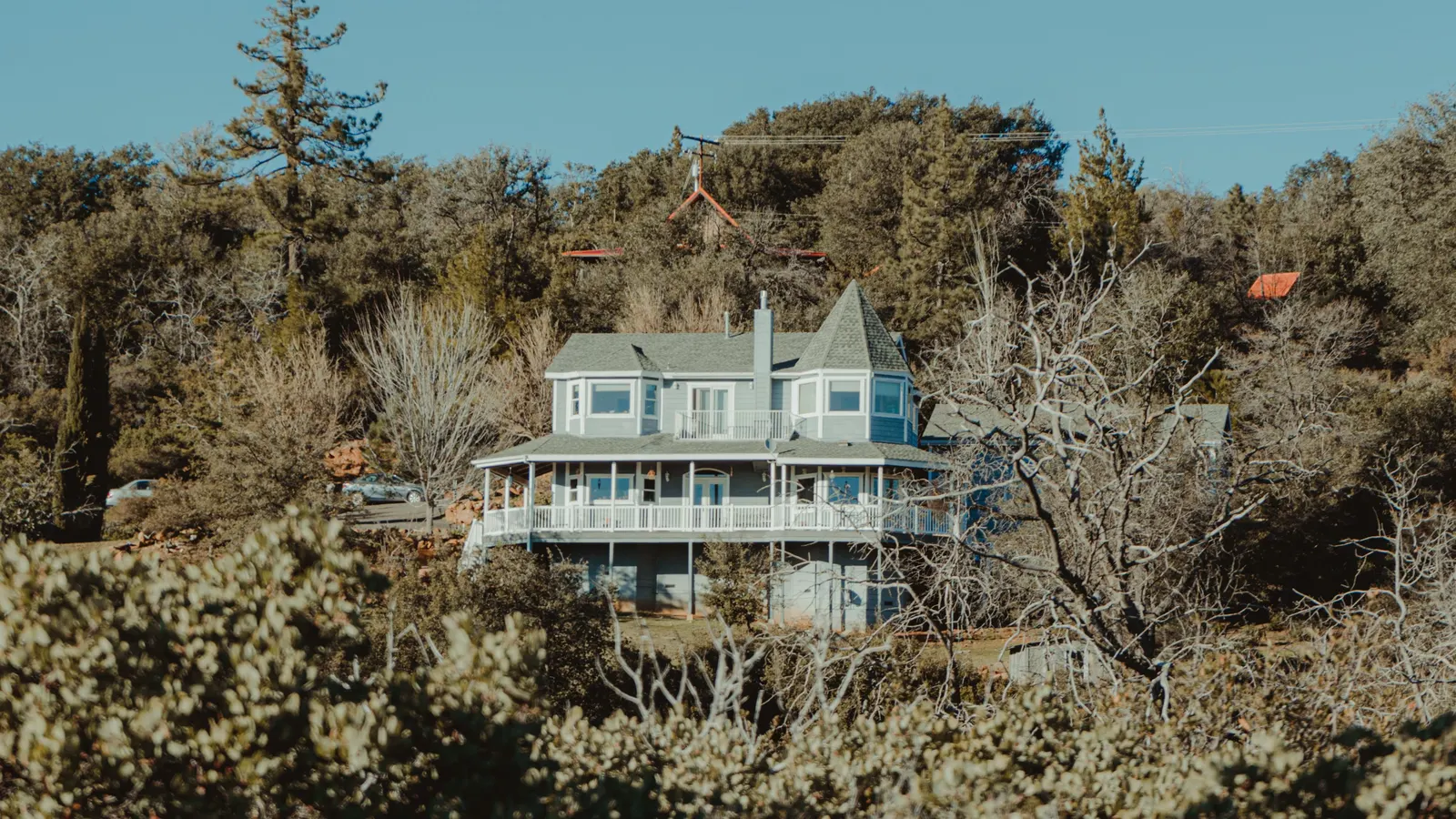
On the Peninsula, Atherton, Woodside, Portola Valley and parts of Hillsborough sit in designated Wildland-Urban Interface (WUI) zones, where homes meet wildland vegetation and fire risk rises in dry, windy conditions. There, wildfire mitigation is simply responsible homeownership.
Understanding Your Risk
California's fire season has lengthened from a summer concern to roughly May through November. Dry summers, oak woodlands and canyon topography let fire spread rapidly on the Peninsula.
WUI zones have specific building codes and maintenance requirements. If you live in Atherton, Woodside, or unincorporated San Mateo County, your property may be subject to:
- 100-foot defensible space requirements
- Fire-resistant building material mandates
- Annual vegetation management inspections
- Restricted burning and equipment use during high-fire-danger days
Insurance Reality
Many Peninsula homeowners are getting non-renewal notices or steep premium increases, and insurers increasingly want documented wildfire mitigation before offering or renewing coverage. Mitigation now comes up at insurance renewal, not only in fire season.
Creating Defensible Space
Defensible space is the buffer between your home and the vegetation that feeds fire. California law requires 100 feet of it, in two zones:
Lean, Clean, and Green
- Remove all dead vegetation, leaves, and pine needles
- Keep gutters and roof valleys clear of debris
- Move firewood, propane tanks, and combustible materials outside this zone
- Maintain irrigated, well-pruned plants
- Use hardscape (gravel, pavers, concrete) near the structure
- Remove ladder fuels (vegetation that allows fire to climb)
Fuel Reduction
- Cut grass to 4 inches or less
- Space trees at least 10 feet apart
- Remove lower tree branches to 6-10 feet above ground
- Create horizontal and vertical spacing between shrubs and trees
- Remove dead or dying trees and shrubs
Home Hardening Strategies
Defensible space slows approaching fire; home hardening resists ignition. That is where our services come in:
Fire-Resistant Coatings
Intumescent coatings expand in heat to form a barrier that delays ignition. They can be applied to:
- Wood siding and trim
- Eaves and soffits
- Deck structures
- Exposed beams and architectural features
Vent Hardening
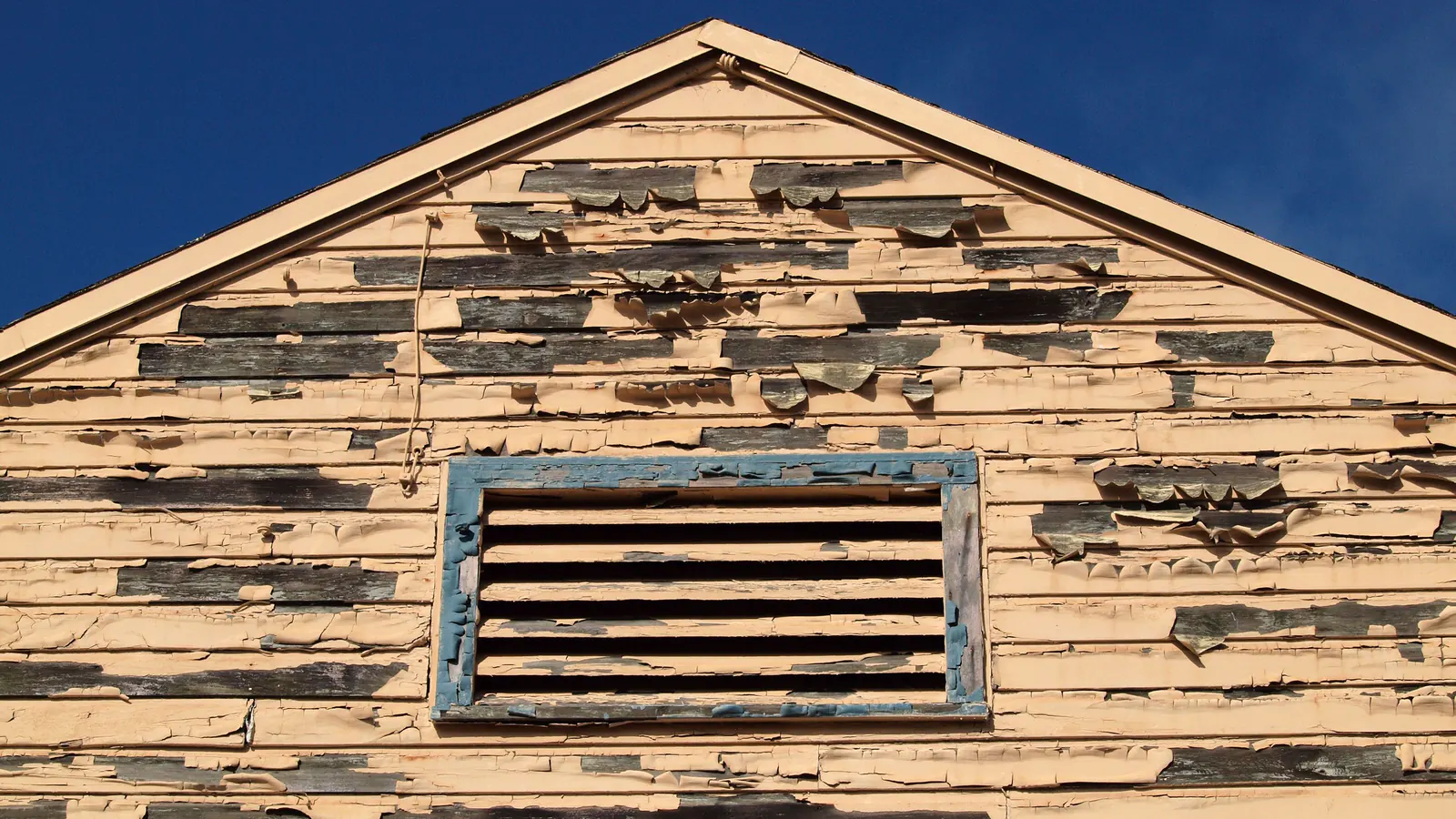
Embers entering through vents are a leading cause of home ignition. Vulcan Vents and similar products use:
- Ember-resistant mesh screens
- Intumescent coatings that expand to block flames
- Balanced ventilation that maintains airflow while blocking embers
Siding and Decking
Fire-resistant siding and decking options:
- Fiber cement siding (Class A fire rating)
- Composite decking with fire-resistant formulations
- Ignition-resistant wood treatments
Insurance Documentation
For insurers asking for proof of mitigation, we provide:
Documentation Package
- Before-and-after photos of defensible space work
- Detailed scope of fire-resistant coatings applied
- Product specifications and fire ratings
- Installation records for vents and other hardening work
- Annual maintenance recommendations
- Notes on the local WUI rules that apply to your property
Your insurer may ask for these records at renewal or after a claim. Your insurer decides coverage and pricing.
Peninsula-Specific Considerations
Atherton
Atherton's dense oak canopy demands aggressive vegetation management. The town works with CAL FIRE on annual inspections and maintains strict defensible space requirements.
Woodside
Woodside's canyons form natural fire corridors, and ridge-top and canyon-bottom homes face different risks. The Woodside Fire Protection District offers free defensible space assessments.
Hillsborough
Parts of Hillsborough are in WUI zones; the town coordinates with San Mateo County on vegetation management and building codes.
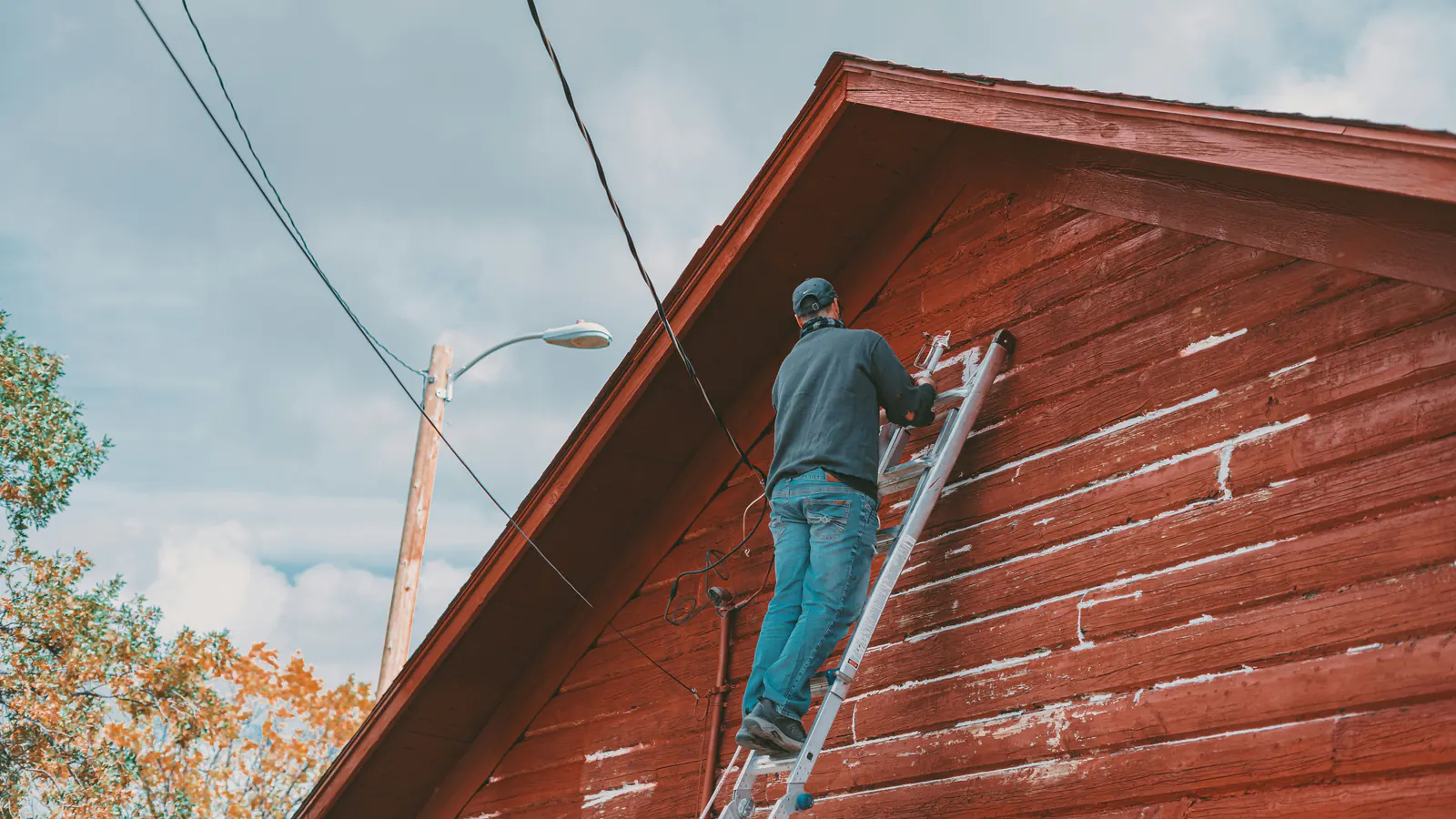
Ongoing Maintenance
Mitigation isn't one-and-done:
- Spring: Clear winter debris, assess vegetation growth, schedule tree work
- Summer: Maintain irrigation, monitor for dead/dying vegetation, prepare for fire season
- Fall: Clear leaves and debris, inspect and clean gutters, pre-winter preparation
- Year-round: Keep defensible space clear, maintain equipment, stay informed on fire conditions
Our maintenance programs include wildfire-specific services for WUI zone properties.
Getting Started
Start with a professional assessment:
- Free defensible space evaluation
- Home hardening recommendations
- Prioritized action plan with cost estimates
- Insurance documentation guidance
- Ongoing maintenance scheduling
Mitigation reduces wildfire risk, and good records help when your insurer asks. In a WUI zone, it's worth planning for.