The Insurance Landscape
California's wildfire insurance market has changed sharply in five years. State Farm's 30,000+ non-renewals in 2024, Allstate's exit from new policies in 2022, and Chubb's withdrawal from high-value homes with wildfire risk have reshaped coverage options across the Peninsula. More homeowners are landing in the FAIR Plan, the state's insurer of last resort.
That $700 billion in FAIR Plan exposure spans 650,000 policies. For homeowners in Atherton, Woodside and Portola Valley, that means fewer options, higher premiums and more scrutiny of the mitigation actually in place.
The counterweight is California's Safer from Wildfires regulation (10 CCR §2644.9): insurers that price for wildfire risk must factor certain wildfire mitigation measures into their rates. Eligibility and savings vary by insurer and policy; ask your agent. Insurers also look at hardening when they decide whether to offer a policy, and your insurer decides coverage and pricing.
Atherton Permit Reality
Atherton is among the most permit-intensive municipalities on the Peninsula. Beyond standard building permits, the Town requires a Town-specific contractor business license, complete subcontractor lists before final inspection, and often Fire District sign-off, all before a project can close.
Regulation 2644.9 & Your Rates
These are the kinds of measures Regulation 2644.9 asks insurers to consider:
Mitigation Measures the Regulation Lists
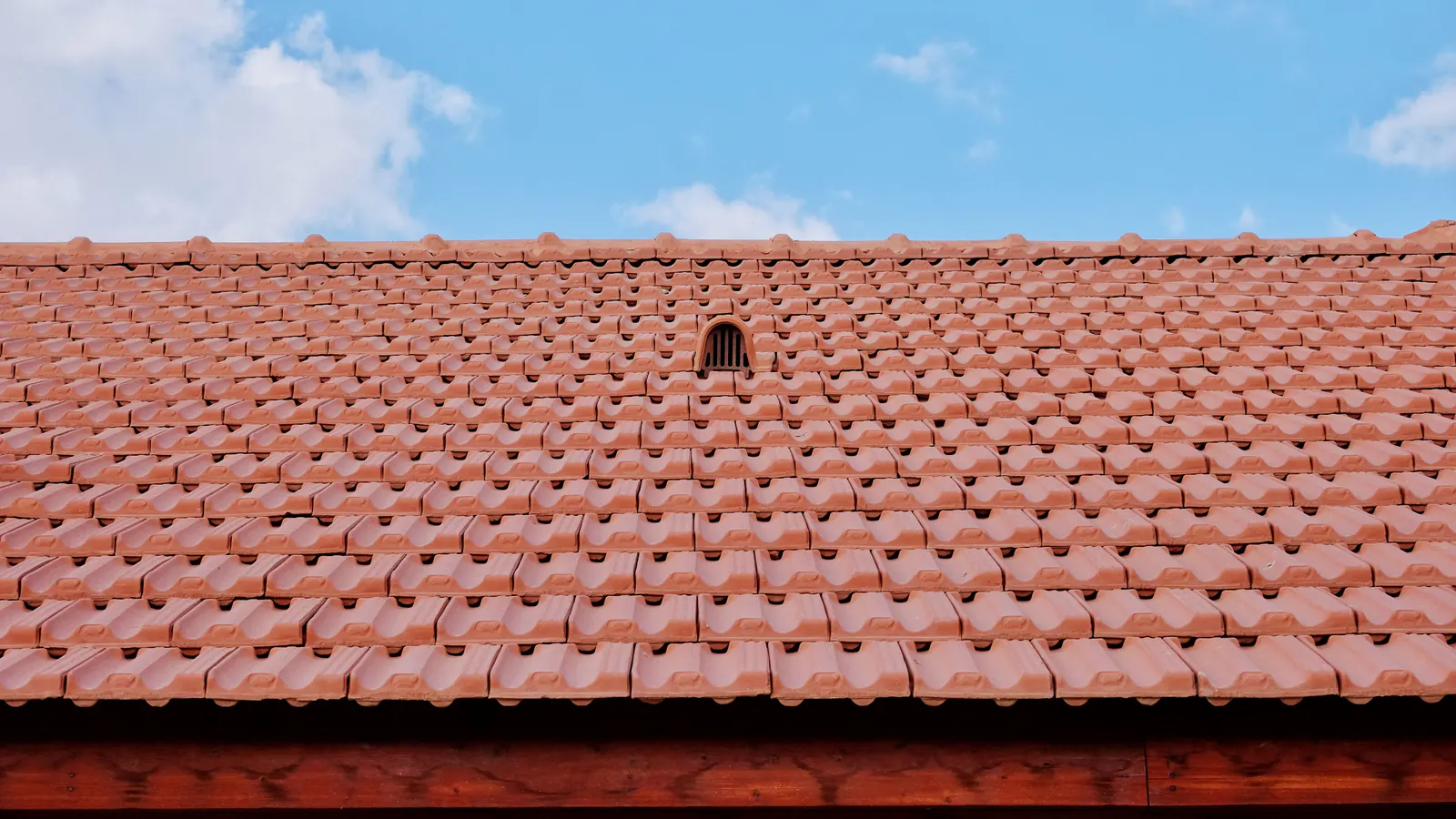
- Class-A fire-rated roofs: Non-combustible roofing materials including tile, metal, and qualifying composition shingles
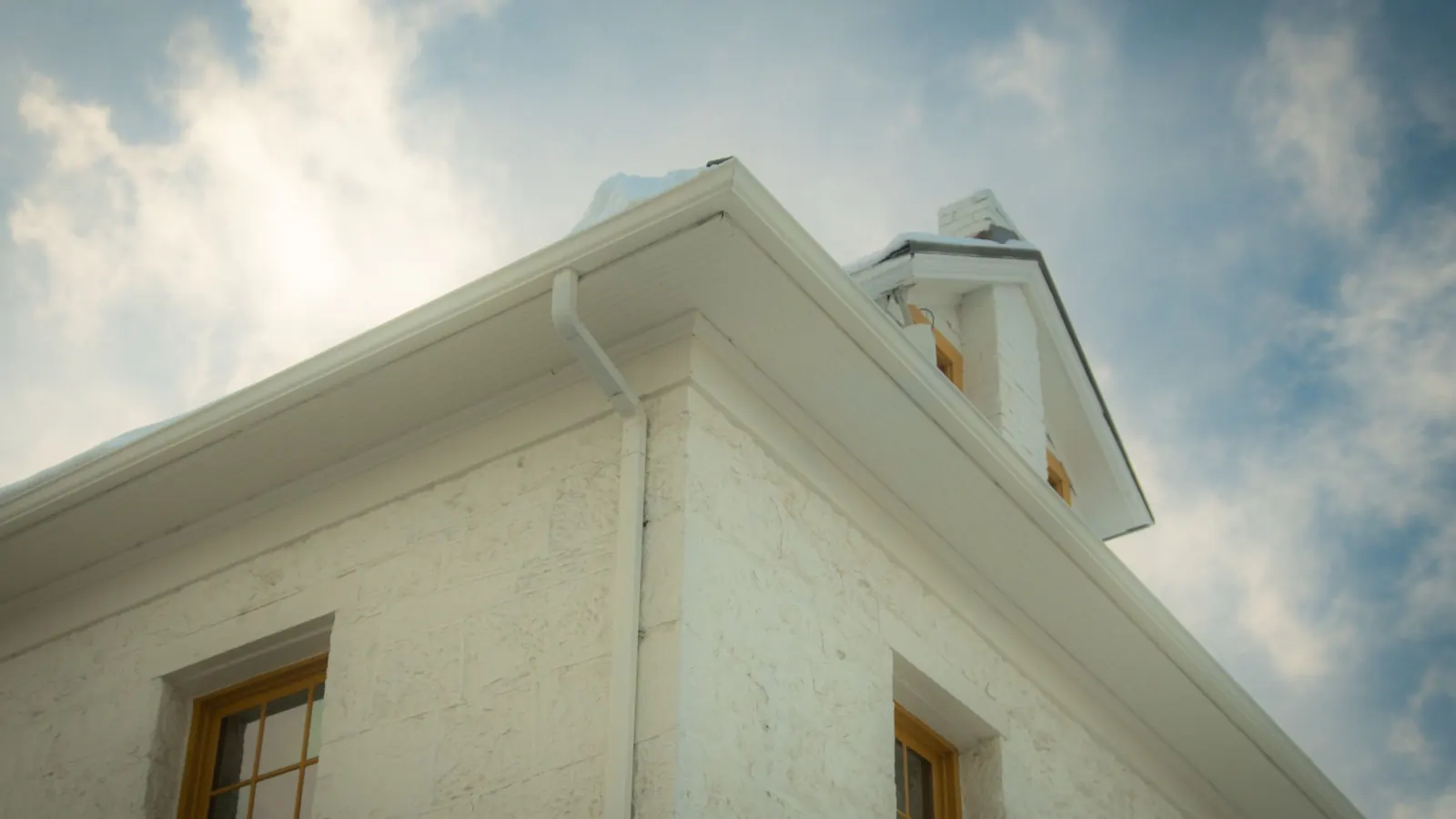
- Enclosed eaves: No exposed roof structure for ember entry during a fire event
- Fire-resistant vents: Ember-resistant attic and crawlspace vents with fine mesh screening
- Multi-pane windows: Tempered or dual-pane glazing that resists radiant heat
- 6-inch noncombustible clearance: At all exterior wall bases
- Zone Zero maintenance: 0 to 5 foot debris and vegetation clearance around the structure
Insurers need evidence, not your word: product data sheets, application records, before/after photographs and permit records all support their review.
Atherton's Unique Requirements
For wildfire mitigation projects, Atherton typically requires building permits for changes to the structure, a Town-specific business license for the primary contractor, a complete subcontractor list filed before final inspection, landscape screening plan approval for visible modifications, and Menlo Park Fire Protection District sign-off.
Unanticipated, these can add weeks. We coordinate with Atherton's building department early to identify every approval and schedule it, avoiding the delays that catch unprepared contractors.
Documentation You Need
Every fire-hardening project we do comes with records showing which measures are in place (our fire insurance documentation checklist covers the full list):
Insurance Documentation Package
- Product Data Sheets: Manufacturer specifications showing fire ratings for every material used
- Application Records: Detailed logs of what was installed, when, and by whom
- Inspection Records: Copies of the building department's inspection sign-offs for permitted work
- Permit Records: Copies of approved permits confirming work met code requirements
Hardening Strategies
Hardening works in layers. The roof is the most vulnerable surface: embers on combustible roofing can ignite a house with no direct flame contact, so Class-A materials come first. Vents come second, because standard attic vents let embers in to ignite the structure from within. Ember-resistant vents with fine mesh screening block this entry point while maintaining ventilation.
Exterior wall hardening (replacing combustible wood siding with fiber cement, stucco, or other non-combustible cladding) removes the primary ignition surface from direct flame exposure. Combined with Zone Zero vegetation clearance, these measures significantly improve a home's survival probability in a wildfire event and create the paper trail your insurer needs to review them under Regulation 2644.9.