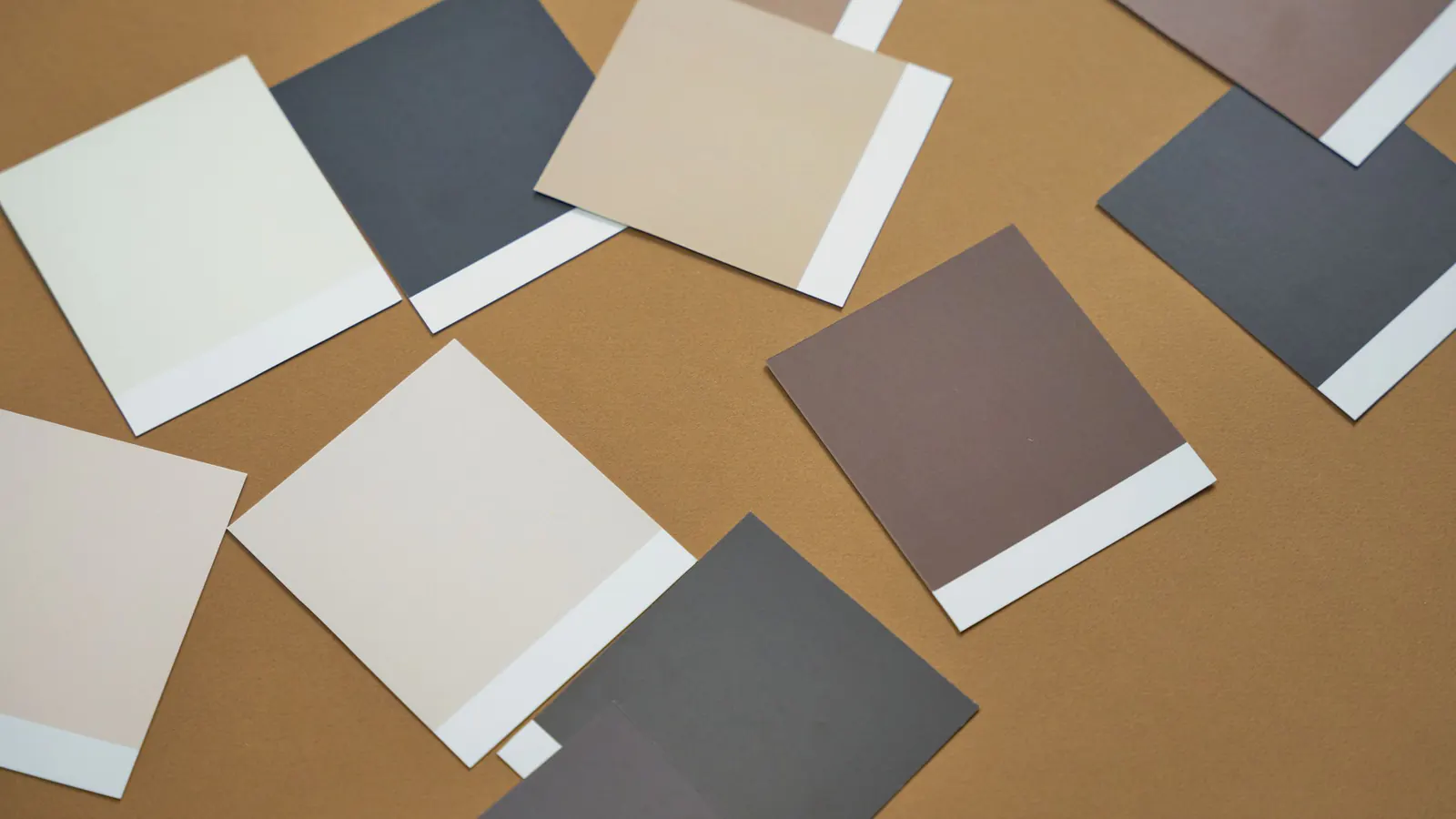
Most people have painted a wall a color that looked great on the chip and wrong once it was up. It came out too dark or too bright, or it suddenly looked green. The chip itself was fine, but it was tiny, you saw it under store lighting, and it wasn’t sitting next to your floors, your furniture or your roof.
A color consultation is meant to close that gap. Ours comes with every painting project at no extra charge, and it runs in four steps. You can read about the service on our color consultation page.
Step 1: The First Conversation
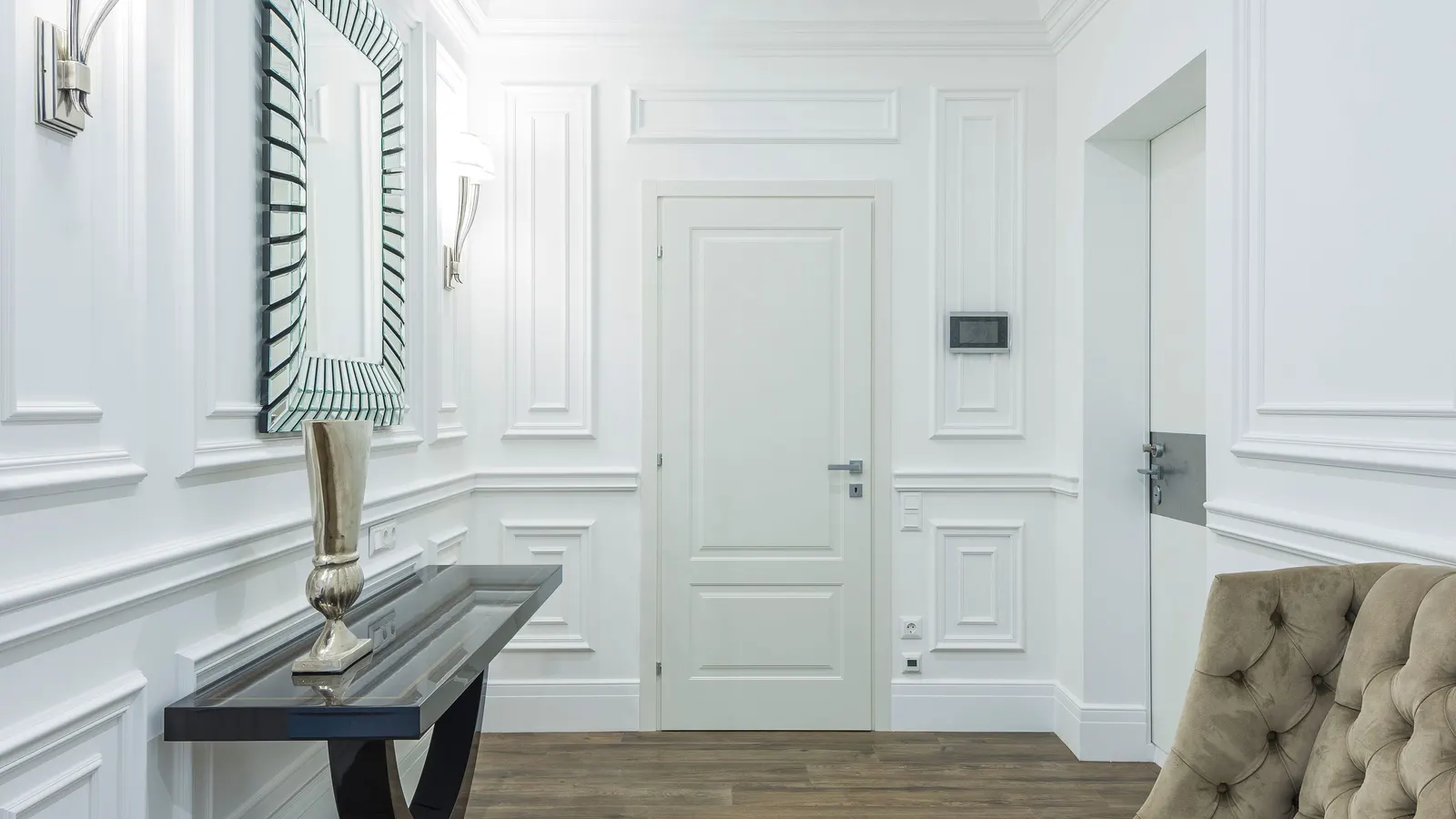
We start by talking about what you have in mind, the styles you like, and what the light is like in the rooms or on the sides of the house we’re painting. It helps to bring photos of rooms you like and colors you already love or can’t stand. Tell us what isn’t changing, too, like the flooring, stone, tile or roof.
We look at the whole house rather than one wall at a time. We’re after a palette that hangs together through the house, so the colors flow from room to room instead of fighting each other.
Why a Chip Isn’t Enough
There are a few reasons a small card is hard to judge from.
Size. A color on a whole wall usually looks stronger than it does on a chip. Light bounces around between the walls, so a room painted in one color makes that color more intense.
Light. Daylight shifts through the day and depends on which way the room faces. North light is cooler and pretty even, while light from the south and west is warmer and stronger. In the evening your lamps and bulbs add their own color on top of that.

What’s around it. You always see a color next to other colors. A warm wood floor, a cool stone counter or a red tile roof can push a neutral one way or the other.
Sheen. Glossier paint reflects more light, so a color can look lighter and richer in gloss than it does in flat. That’s why we pick the sheen along with the color. Our paint finish guide goes through the options.
Step 2: Big Samples on Your Own Walls
Instead of chips, we put up large format samples on site, in several rooms or on several sides of the house. They’re made with the paint you’re actually considering and they go on your own walls, so what you see is what you’ll get.
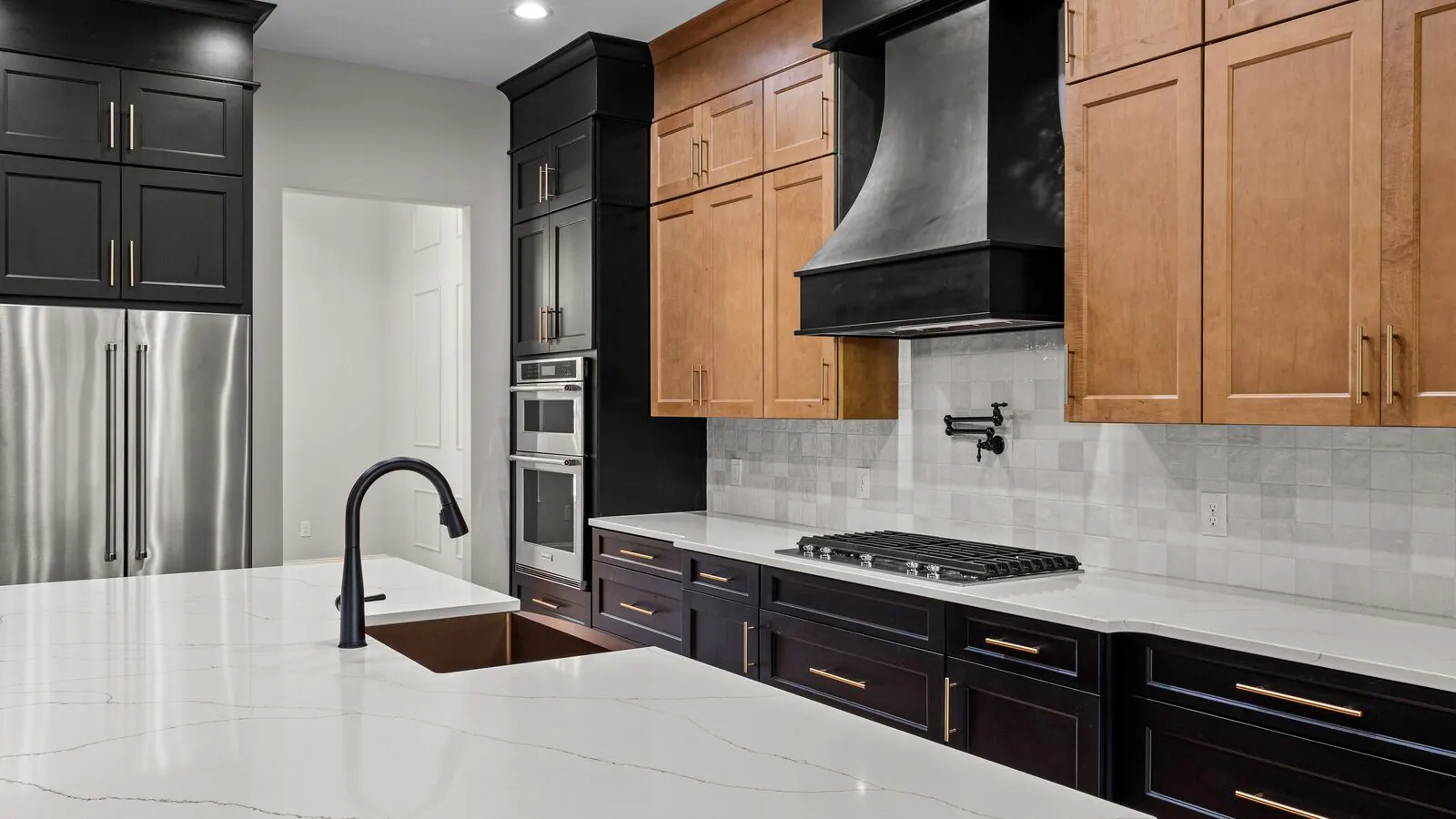
Big samples take care of the size problem right away. You also get to see the color next to your trim, floors and furniture, which is where most of the surprises come from. Cabinets work the same way, with sample boards in your kitchen in the actual specified product.
Step 3: Checking the Light
Then we look at the samples at different times of day, in the conditions the room will actually be used in. A color that looks right at noon might look flat in the morning or heavy under lamps at night.

People usually want to hurry through this step, but it’s the one that saves the most repainting. If you can live with the big samples for a little while and look at them in the morning and again at night, the decision gets a lot easier.
Picking Exterior Colors
Outside, the colors have a lot to do with curb appeal, and we choose them together. The siding, trim, doors, shutters and accents should suit the architecture and the landscaping. The parts of the house you aren’t painting, like the roof, any brick or stone, and even the garden, end up being part of the palette anyway.
On an older home you might want period-accurate colors, or you might want a tasteful update. Either way, our recommendations respect the character of the house. If a historic review board or historic district approval is involved, we coordinate with them. Our posts on Craftsman colors, Eichler homes and historic district approval go into more detail.
Step 4: Writing Down the Final Pick
Once you’ve decided, we confirm the palette and it’s documented before the project begins. That record lists the color for every surface, so the walls, ceilings, trim, doors and accents all get painted the way you picked them.
As a Fine Paints of Europe Master Certified contractor, we can also bring the Fine Paints of Europe palette and its coatings into the mix, along with other paint lines. Our Fine Paints of Europe page has more about those coatings.
Common Questions
Does the consultation cost extra?
No. It’s included with all of our painting projects at no extra charge.
Can I bring colors I’ve already picked out?
Sure, that’s a good place to start. We’ll put them up as big samples next to a few alternatives and see how they look in your light.
Is a color consultation part of the maintenance program?
Yes. The Bundle in our Annual Maintenance Program comes with a Fine Paints of Europe color consultation every year, to look at which rooms are due for a refresh, pick colors and spec the products.
Ready to pick colors? Take a look at our color consultation, interior painting and exterior painting pages, then request an estimate or call us at (650) 961-7415.