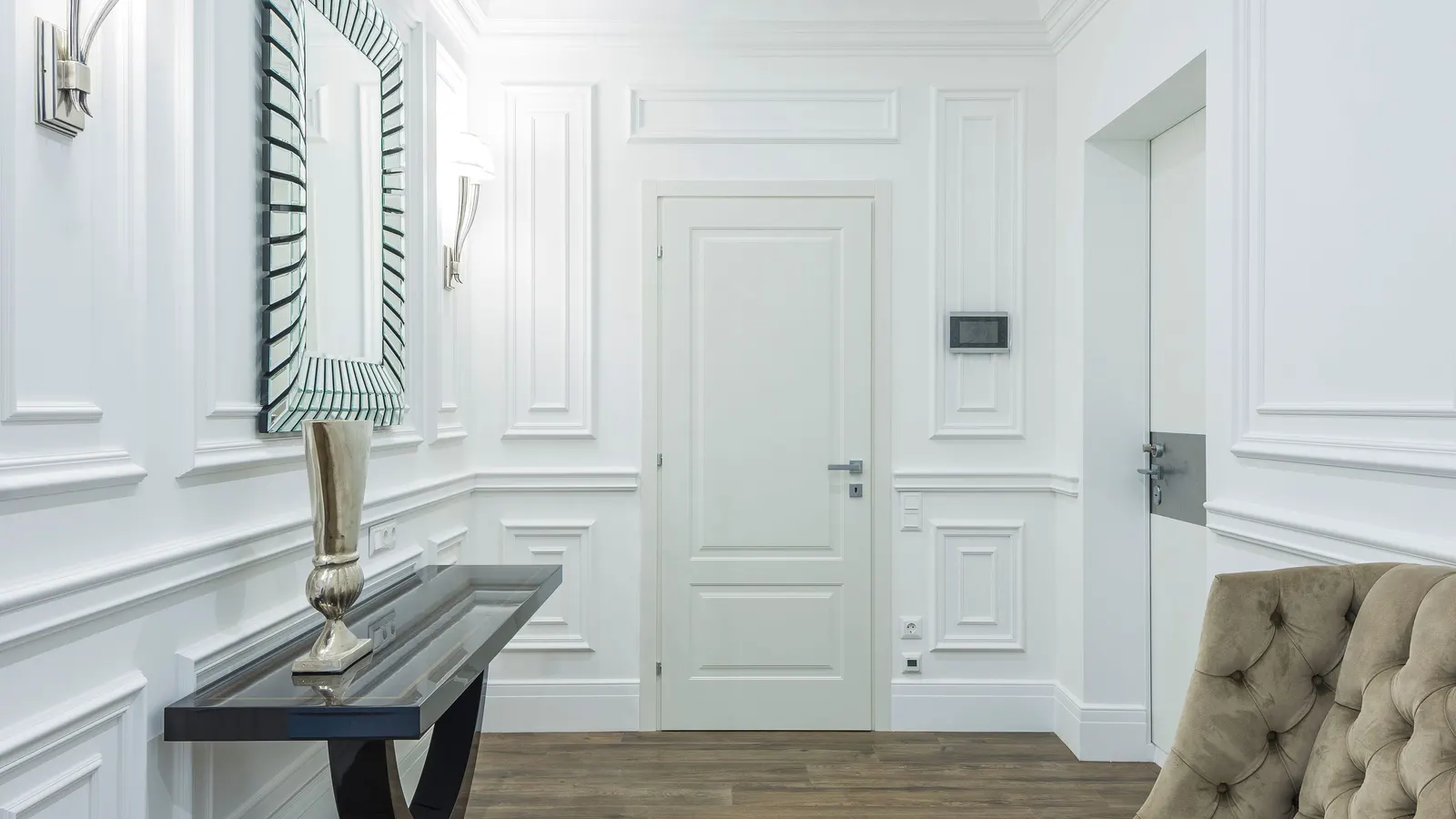
Color drenching looks easy. One color goes on the walls, the trim, the doors and often the ceiling, and nobody has to choose where one color stops. So why do some drenched rooms look rich and others look flat and patchy? It comes down to the sheen on each surface and how smooth the walls were before the paint went on.
Start with sheen, which is how much light a surface reflects back at you. The Master Painters Institute (MPI) measures it at a 60 degree angle and sorts paint into seven gloss levels.
| Gloss level | 60° gloss, low (gloss units) | 60° gloss, high (gloss units) |
|---|---|---|
| Level 1, flat | 0 | 5 |
| Level 2, velvet | 0 | 10 |
| Level 3, eggshell | 10 | 25 |
| Level 4, satin | 20 | 35 |
| Level 5, semi-gloss | 35 | 70 |
| Level 6, gloss | 70 | 85 |
| Level 7, high gloss | 85 | 85+ |
Source
Source: Rodda Paint, Selecting Gloss Level (the MPI gloss level table), read 2026.
In the source list: 1
The name on the can is a loose guide. The bands overlap, and MPI itself calls Level 3 “eggshell-like” and Level 4 “satin-like”, because one maker’s satin can sit where another’s eggshell does. We talk in levels and check the result on a sample.
One color, several sheens
Illustrative elevation, not to scale
-
Ceilings stay flat because light from windows and fixtures rakes across them and picks out every joint and roller lap.
-
A flat wall scatters light. A deep color with sheen on the walls calls for Level 5 drywall, as the Gypsum Association recommends.
-
A satin or semi-gloss casing throws a thin highlight along each edge of its profile, and that highlight is what draws the molding.
-
Trim and doors get handled more than walls, and a harder enamel with more sheen is easier to wipe down.
Sheen outlines the trim
With one color everywhere, what shows the trim? Sheen does. A flat wall scatters light, and a satin or semi-gloss casing throws a thin highlight along each edge that draws the molding.
Our usual starting point for samples is the flattest finish on the ceiling, flat to eggshell on the walls, and satin or semi-gloss on trim and doors. Ceilings stay flat because light rakes across them and picks out every joint and roller lap. Trim and doors get handled more, and a harder, shinier enamel wipes down more easily.

One color can be mixed in several sheens. With Fine Paints of Europe, Eurolux Interior wall paint comes in Flat, Matte and Satin, and ECO Waterborne in Satin and Brilliant, from 10,000 FPE colors plus custom matching. We’re a Fine Paints of Europe Master Certified contractor. A higher sheen can make the same color look a shade deeper or lighter, so we sample wall and trim side by side. Our fine finish page covers the coatings we spray and brush, and our paint finish guide goes through each sheen.

The wall comes first
A deep color, especially one with some sheen, shows more of the wall under it. Patches, ridges of joint compound and roller laps all come through.
| Figure | What it means for you | Source |
|---|---|---|
| Level 5 is the drywall finish the Gypsum Association recommends for dark paint, paints with sheen or gloss, and surfaces exposed to severe lighting | A drenched room often ticks all three. Joints, tape lines and screw heads that a flat white would hide can show through a deep eggshell, especially in low window light. | Walls & Ceilings, Recommended Levels of Finish (GA-214), 2015 |
Level 5 means a skim coat over the entire surface, so no texture or flaw is left for the paint to show. On our interior painting work, no coat goes on until the surface is repaired, leveled and consistent, and we sand to Level 5 where the wall requires it. Our post on Level 5 drywall explains more.
Painting a drenched room
The steps are our usual ones. The samples and the prep get more time.
- We start with color, a walk-through of the scope and a written proposal. Color consultation comes with our painting work, with sample boards seen in your own light.
- Furniture gets covered and floors masked, and the surfaces are patched and sanded to Level 5 where required.
- An adhesion or stain-block primer goes on where the topcoat needs it.
- Then come at least two finish coats, a final walkthrough and touch-ups.
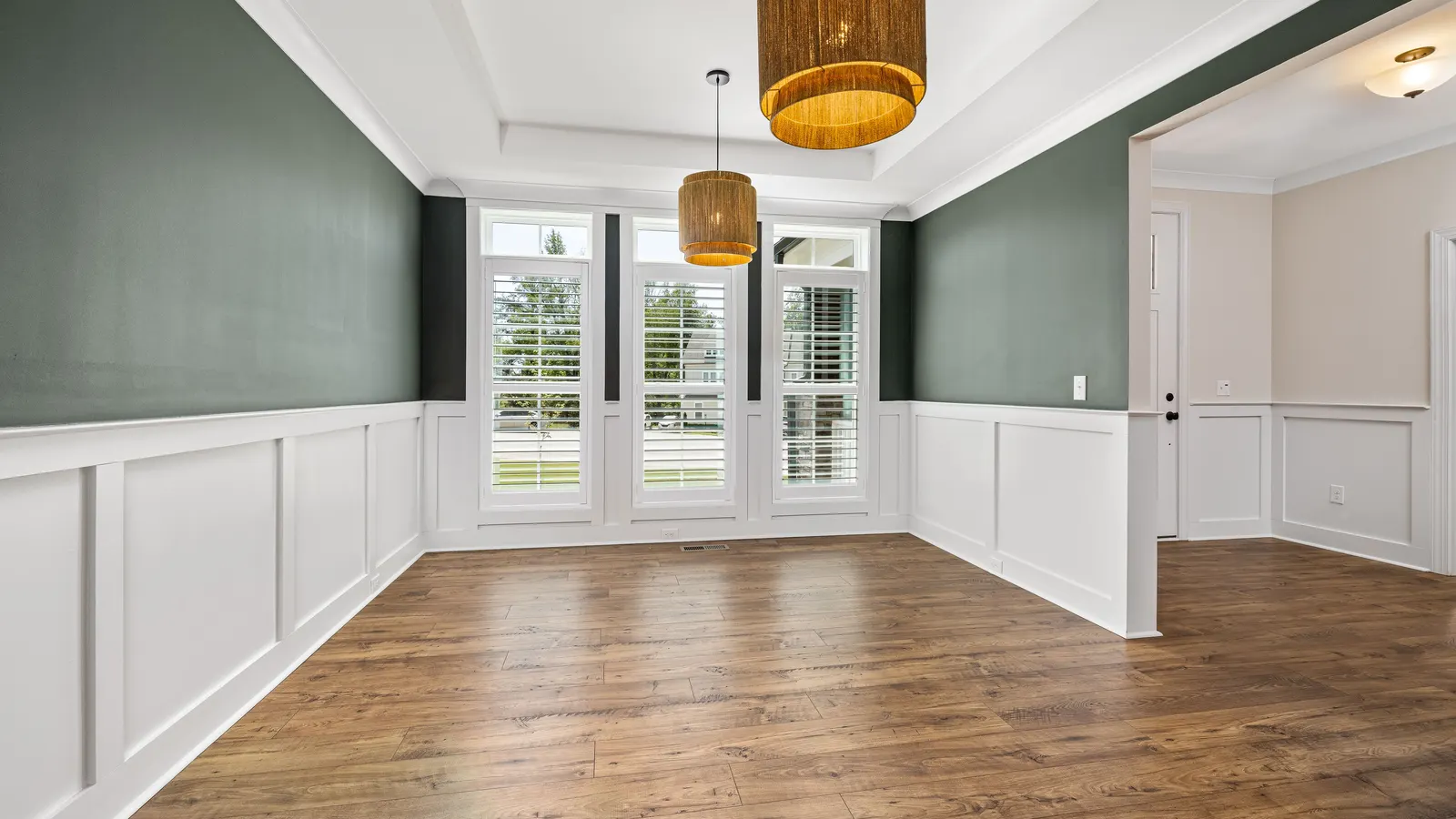
Does a deep color take more coats? It can. Deep colors sometimes need a tinted primer or an extra coat. Every room gets two finish coats minimum, and we’ll tell you up front if a color looks like it needs more.

Is drenching right for your room?
It suits a room you want calm and continuous, where awkward corners and soffits fade back. It also hides less. Wall flaws, roller laps and touch-ups show more in a deep, even color, and a later color change means repainting the trim with the walls.
The ceiling doesn’t have to match. Some drenched rooms carry the color across the ceiling, and others stop at the crown. We can sample both before you decide.
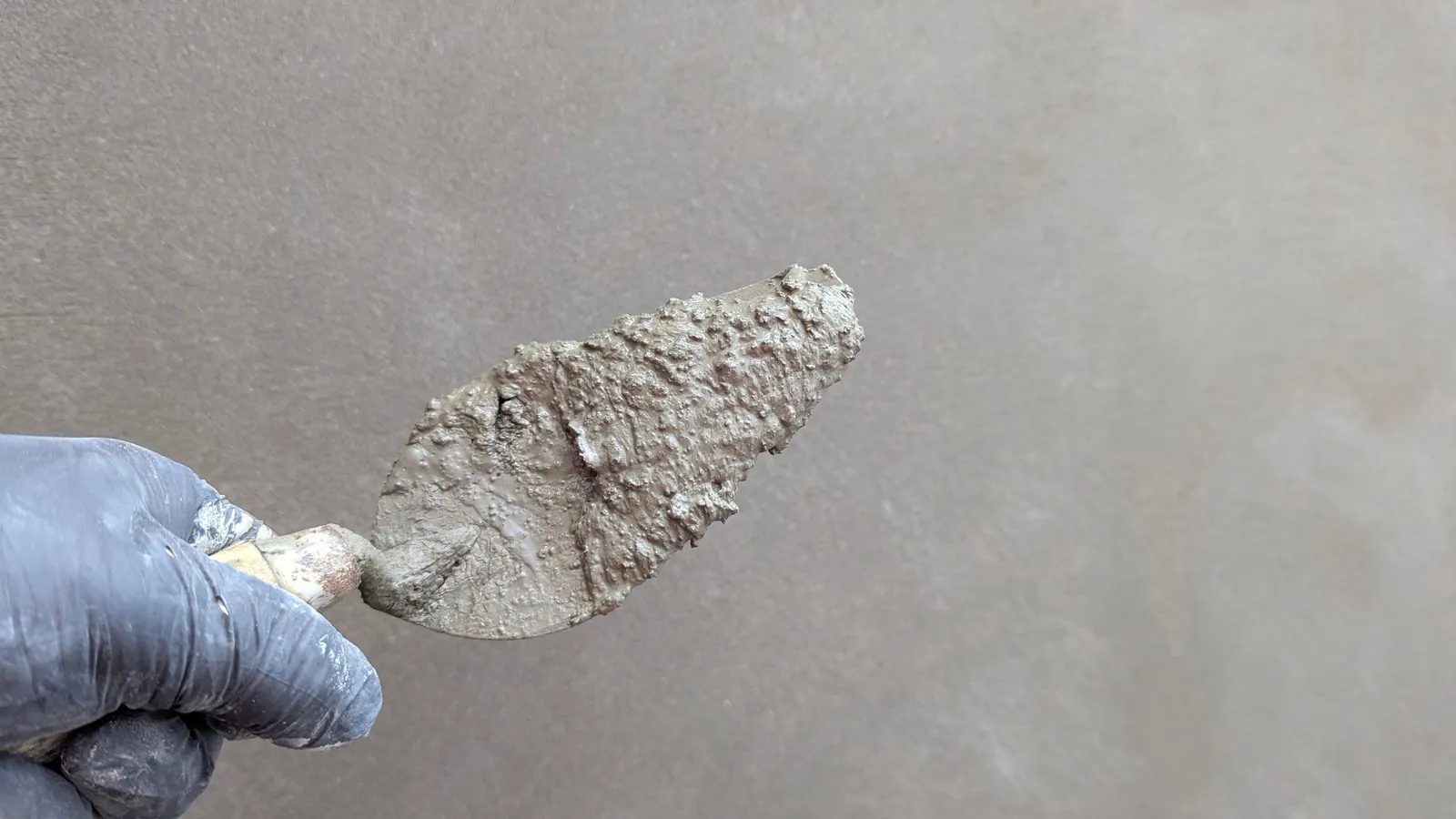
Part 2, on trim, doors and millwork, stays with the woodwork, and Part 3 covers Venetian plaster and other specialty finishes. If you’re planning a drenched room, request an estimate or call us at (650) 961-7415.
Sources (2)
- Rodda Paint, Selecting Gloss Level (the MPI gloss level table), read 2026 roddapaint.com (https://www.roddapaint.com/how-to/selecting-gloss-level/) Back
- Walls & Ceilings, Recommended Levels of Finish (GA-214), 2015 wconline.com (https://www.wconline.com/articles/89568-recommended-levels-of-finish-revised-and-expanded) Back