If you've ever walked into a room with glossy paint and noticed every imperfection in the walls (the joint compound ridges, the tool marks, the slight unevenness that catches the light), you've experienced the difference between Level 4 and Level 5 drywall finish. For most homes, Level 4 is sufficient. But for premium spaces where perfection matters, Level 5 is the standard.
The Gypsum Association's GA-214 defines the finish levels, each smoother than the last, with Level 5 the highest. Here's what each means and when Level 5 is worth the investment.
Drywall Finish Levels: The Complete Scale
Level 0: No Finish
Raw drywall only. No joint treatment. Used for temporary construction or where final finish is undetermined.
Level 1: Fire Tape Only
Tape embedded in compound; tool marks and ridges acceptable. Used in concealed areas (above ceilings, in attics).
Level 2: Thin Coat
Thin coat of joint compound over tape and fasteners. Minimal finishing. Used in garages, storage areas, or behind tile.
Level 3: Ready for Texture
Additional coat on joints and fasteners. Smooth enough for heavy texture or wall coverings. Not suitable for smooth paint.
Level 4: Standard Finish
Three coats on joints, two on angles, three on fasteners. Smooth for flat or low-sheen paints. Most common residential standard.
Level 5: Premium Finish
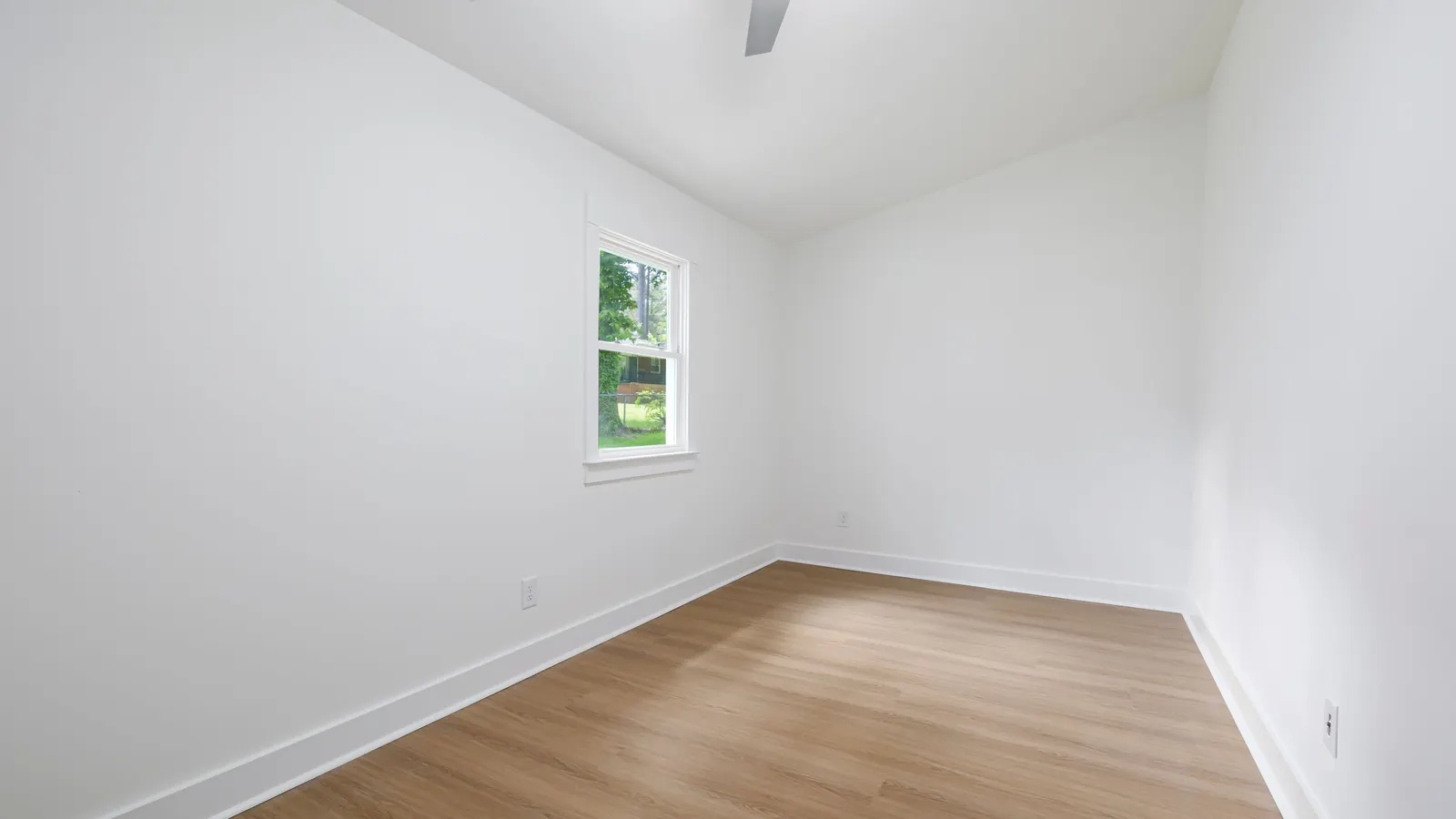
Level 4 plus thin skim coat over entire surface. Perfectly smooth, no visible imperfections. Required for glossy paints and critical lighting.
Level 4 vs. Level 5: The Critical Difference
| Aspect | Level 4 | Level 5 |
|---|---|---|
| Joint compound coats | 3 on joints, 2 on angles, 3 on fasteners | Same as Level 4, plus skim coat over entire surface |
| Surface appearance | Smooth, but may show slight variations under critical light | Perfectly uniform, no visible imperfections |
| Best for | Flat, eggshell, and satin paints in normal lighting | Glossy paints, critical lighting, premium spaces |
| Cost increase | Baseline | +15-25% over Level 4 |
| Time to complete | Standard | Additional 1-2 days for skim coat and final sanding |
When Level 5 Is Necessary
For most flat or eggshell residential painting, Level 4 is adequate. Level 5 becomes essential in three situations:
Critical Lighting Conditions
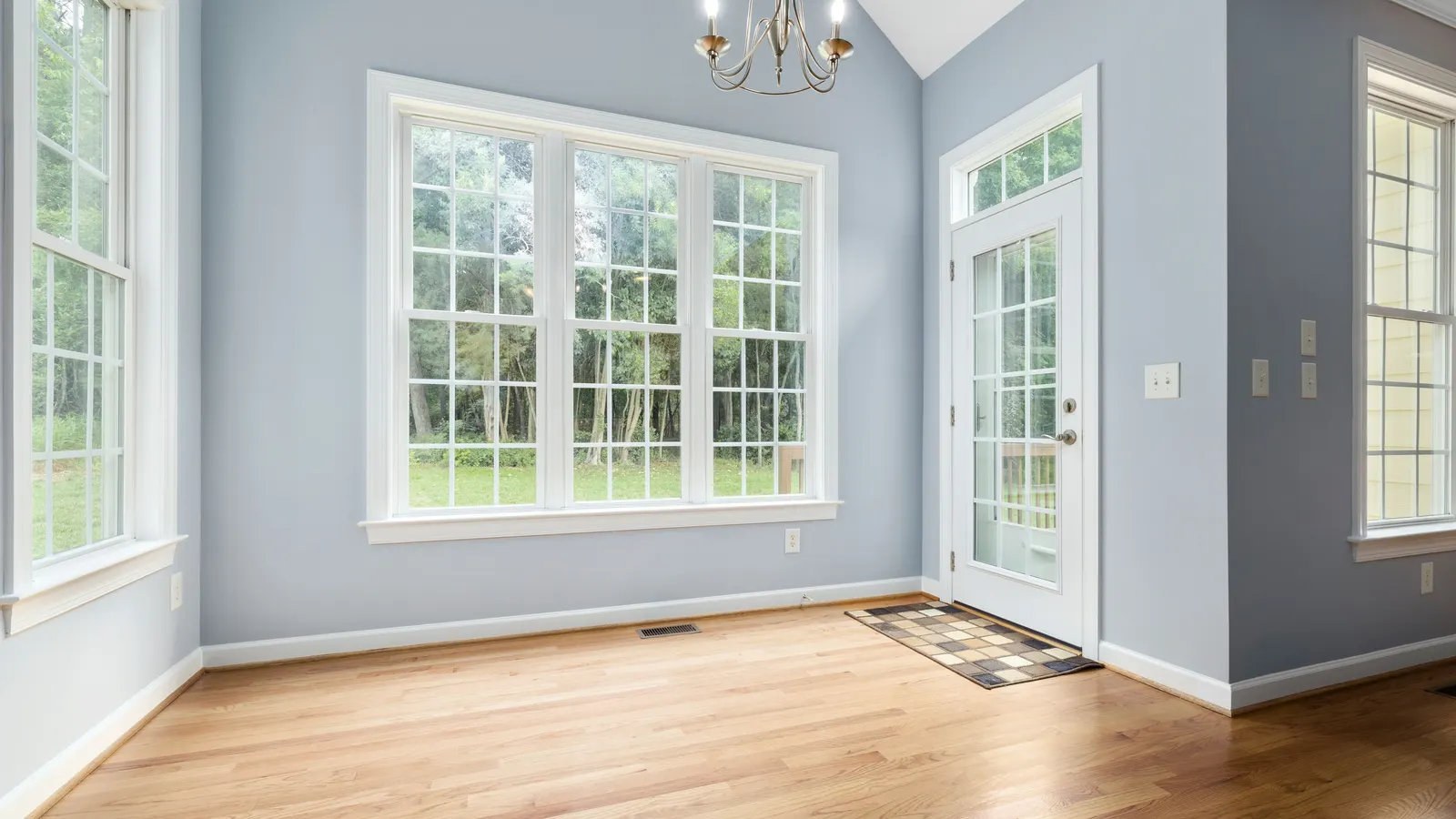
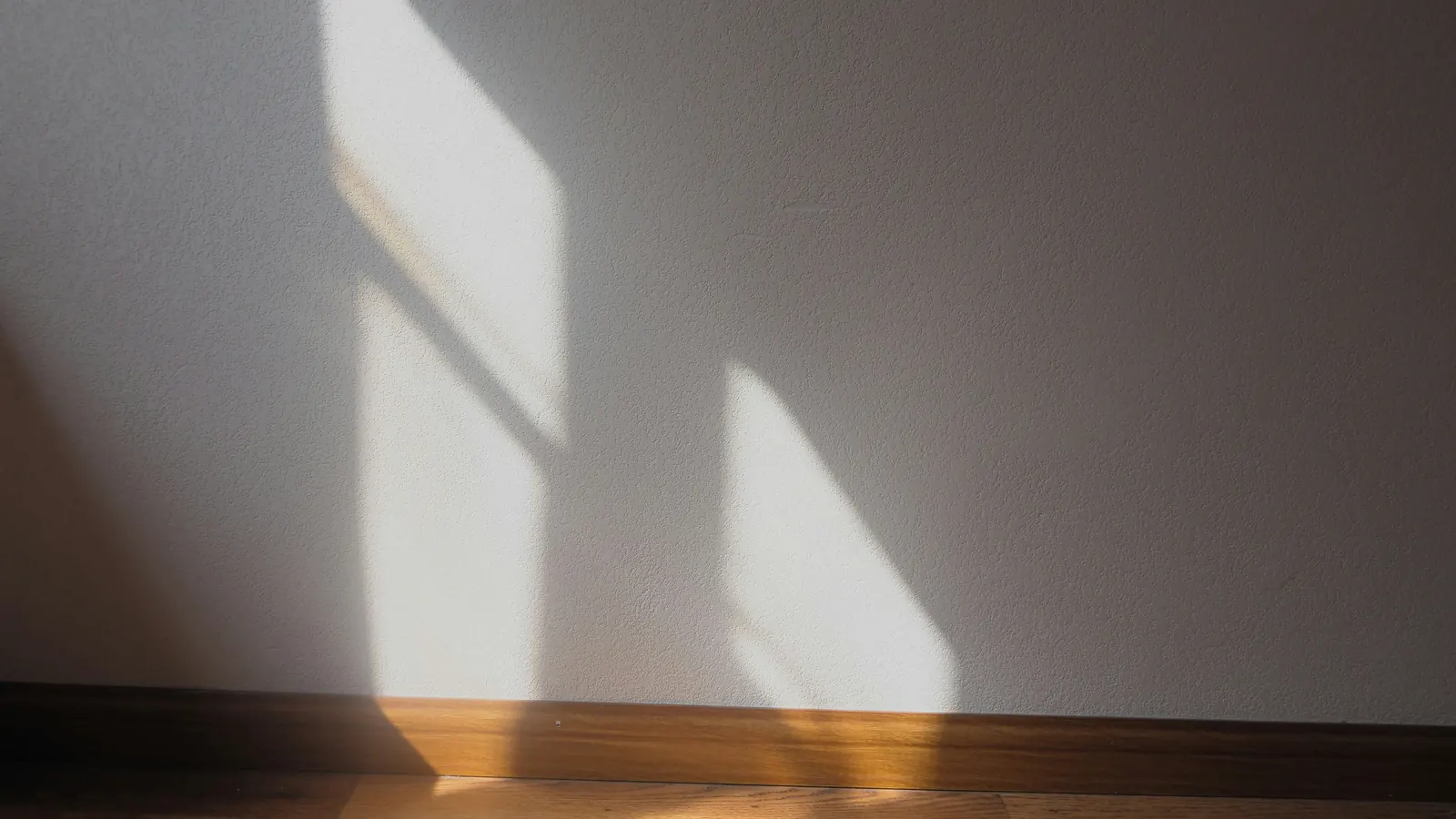
- Walls near large windows with natural light raking across the surface
- Areas under skylights where light streams down at an angle
- Walls with up-lighting or grazing light fixtures
- Spaces with extensive artificial lighting that creates shadows
Glossy Paint Finishes
- Semi-gloss or high-gloss wall paints
- Lacquer or enamel finishes
- Metallic or pearlescent paints
- Any finish with significant sheen that reflects light
Premium Spaces
- Formal living rooms and dining rooms
- Master bedrooms and baths
- Entryways and foyers
The Level 5 Process
Level 5 adds a skim coat, which takes 1-2 extra days, to the Level 4 sequence:
- Complete Level 4: All joints, angles, and fasteners receive proper compound coats and sanding
- Surface preparation: Walls are cleaned and primed to ensure proper skim coat adhesion
- Skim coat application: A thin layer of joint compound is applied over the entire surface with a wide taping knife
- Drying: Skim coat dries completely (typically 24 hours)
- Final sanding: Entire surface is sanded smooth with fine-grit sandpaper
- Priming: High-quality primer seals the surface before painting
Peninsula Context
On the Peninsula, where homes in Palo Alto, Menlo Park, and Atherton command premium prices, Level 5 is increasingly expected in high-end projects. Abundant natural light plus the premium finishes common in luxury homes make it worth considering wherever appearance matters.
Our fine finish work always includes Level 5 preparation when glossy paints or critical lighting are involved. The result: walls that look like porcelain, not drywall.
Cost Consideration
Level 5 adds 15-25% to drywall finishing costs. For a typical room, this might mean $200-400 additional investment. For an entire home, the premium could be $2,000-5,000.
The question is whether the result justifies that cost. With critical lighting or glossy finishes, it usually does: otherwise the walls show every imperfection and undercut the paint job.