The question we hear most from Peninsula homeowners isn't about color or cost. It's about timing: exterior painting is a significant investment, and knowing how long it lasts lets you plan and budget. As with most home maintenance, the answer depends on a few factors.
From Palo Alto to Atherton, Menlo Park to Woodside, marine layer moisture, intense afternoon sun and temperature swings all shorten paint life. Here's what that means for exterior paint lifespan in our climate.
Typical Exterior Paint Lifespan
These are typical industry ranges, and every one of them depends on exposure, surface prep, the product and maintenance. This is general guidance, not a McDermaid warranty or guarantee. Quality exterior paint, properly applied on a well-prepared surface, typically lasts around 7 to 10 years on the Peninsula. West-facing walls in Portola Valley or Hillsborough may show wear in 4 to 5 years, while north-facing walls under eaves can look fresh for 12 to 15.
Factors That Affect Paint Longevity
Sun Exposure
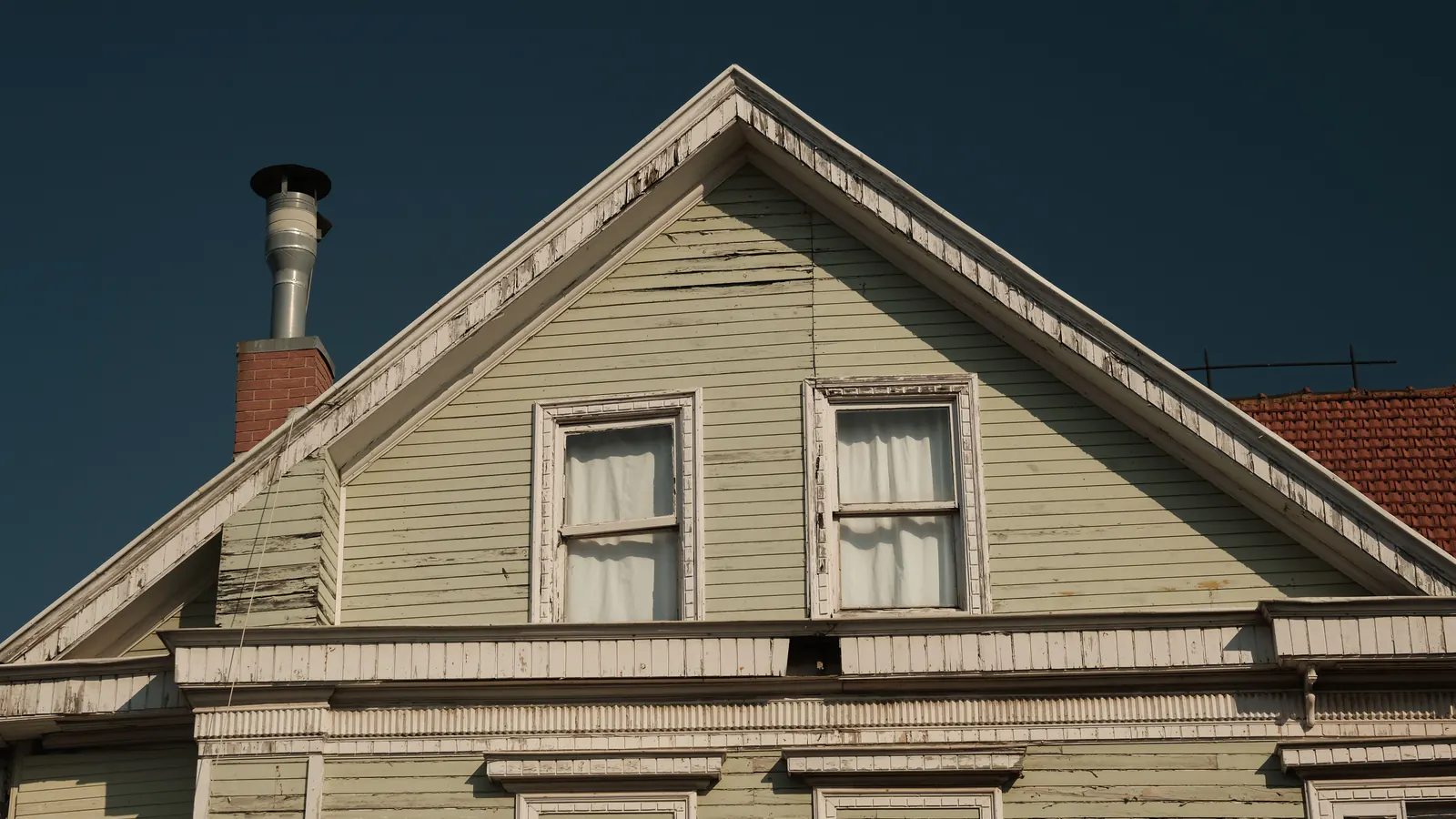
UV is paint's biggest enemy. It breaks down binders, causing fading, chalking and eventually peeling, so south- and west-facing walls degrade fastest (4-5 years on west faces versus 7-10 overall). Dark colors absorb more heat and UV and fail sooner still.
Substrate Condition
Paint is only as good as what's under it. Wet wood siding, cracked stucco or failing old paint will compromise the new coating, so cleaning, repairing and priming come first.
Paint Quality
Premium paints have better resins, more pigment and stronger UV stabilizers. Budget paint typically lasts 3-5 years against 7-10 for quality paint, so the savings often disappear in extra repaints.
Peninsula Climate
Our "moisture then bake" cycle is particularly harsh: marine layer mornings leave dew on surfaces, then intense afternoon sun heats them. That daily thermal shock speeds both UV degradation and expansion/contraction stress.
Peninsula Insight
Homes above the fog line in Woodside and Portola Valley get harsher UV than those near the Bay. We've seen west-facing walls at elevation need repainting twice as often as similar Palo Alto homes.
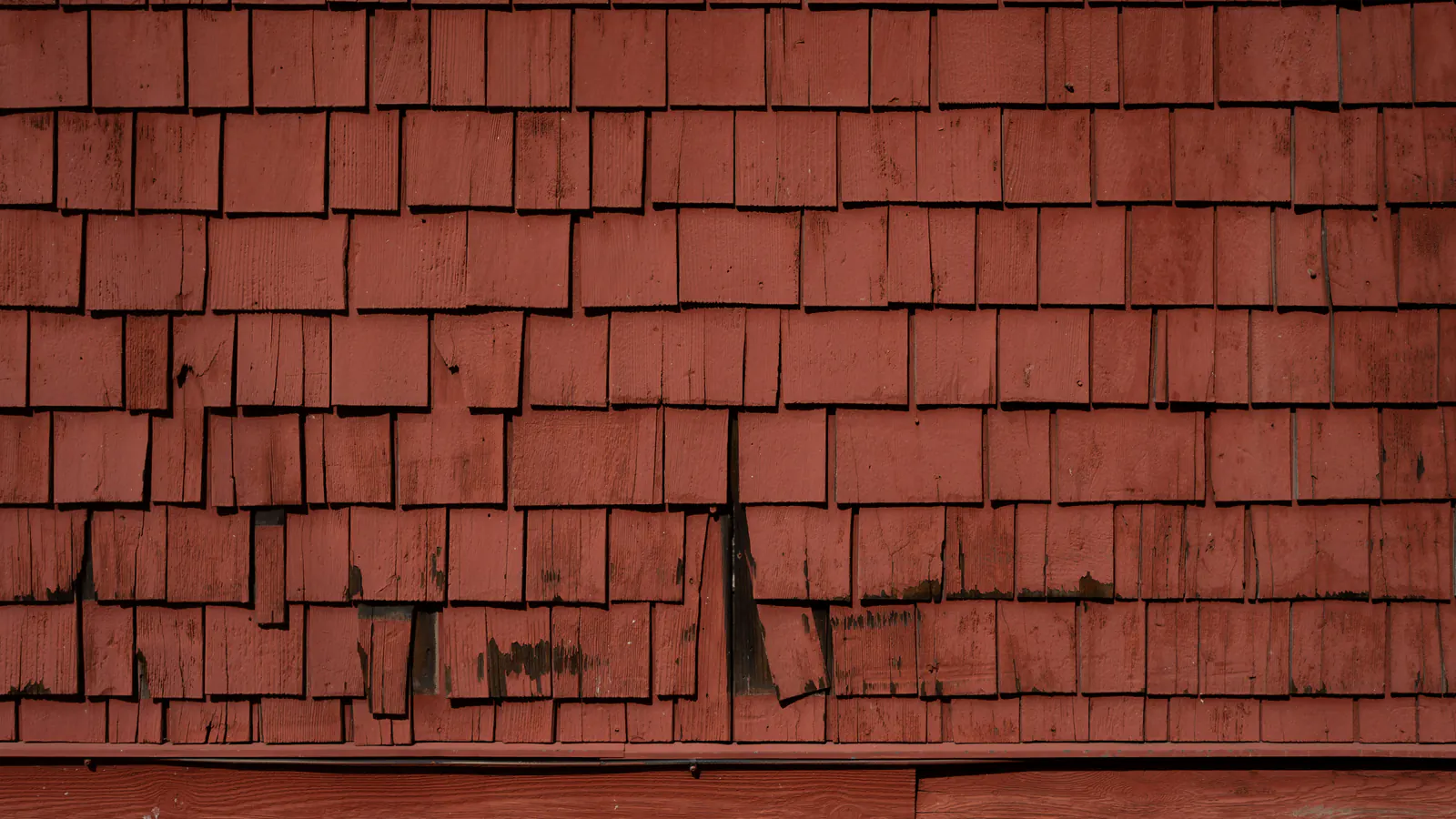
Signs It's Time to Repaint
Repaint before the paint fails completely. Catching these early protects the substrate and avoids costly repairs:
- Chalking: Powdery residue when rubbed; the binder is breaking down
- Fading: Significant color loss, especially on sun-exposed areas
- Cracking or crazing: Fine surface cracks that allow moisture penetration
- Peeling or flaking: Paint losing adhesion, which often indicates moisture issues
- Mildew or mold: Biological growth signals trapped moisture
- Caulk failure: Separating caulk lines allow water intrusion
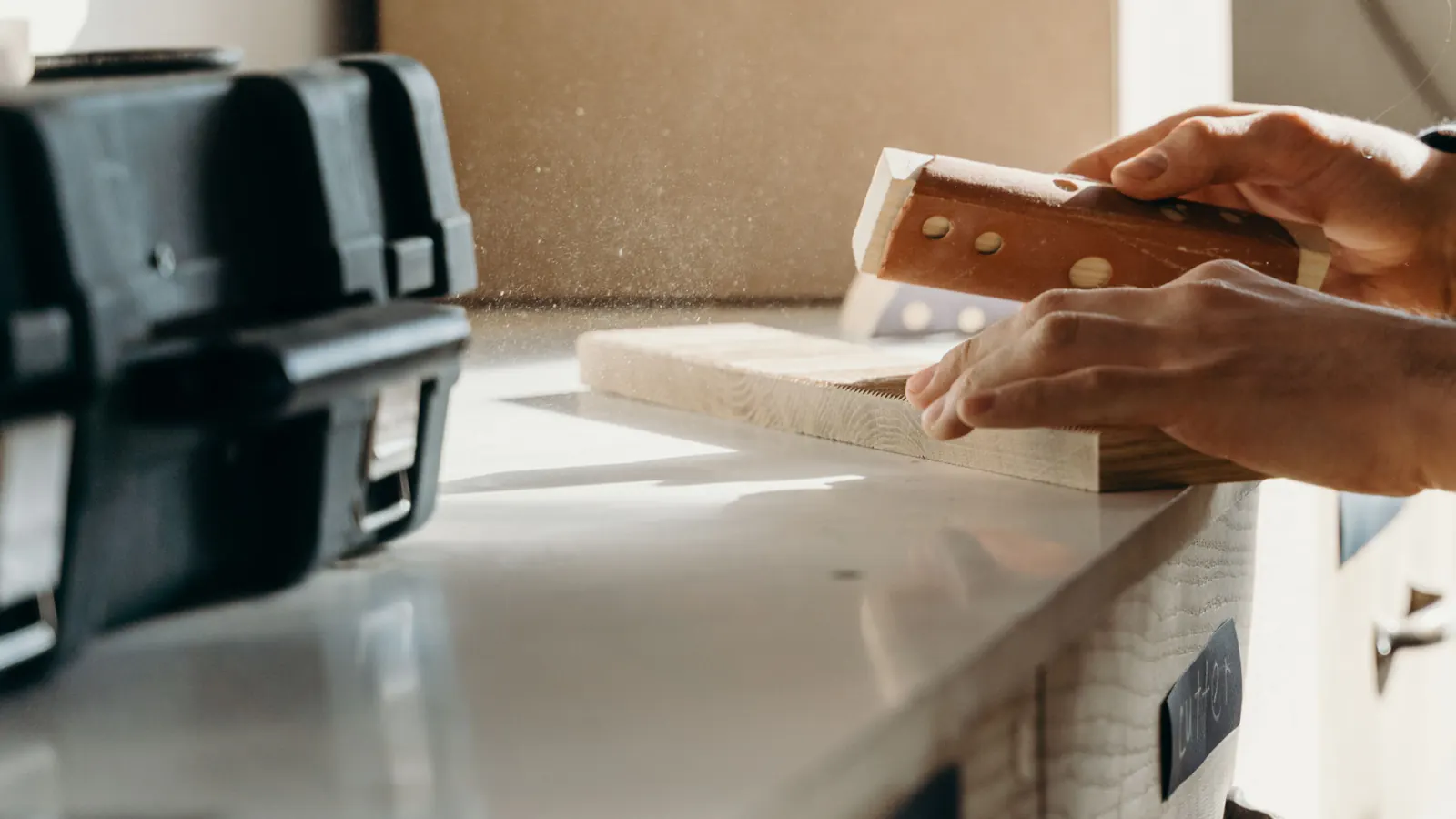
Extending Paint Life
Maintenance adds years to an exterior paint job:
- Annual inspection: Look for early wear, especially after winter
- Gentle cleaning: Remove dirt and mildew before they damage the finish
- Prompt repairs: Fix small issues before they grow
- Caulk maintenance: Re-caulk areas showing separation
- Touch-ups: Spot-repair damaged areas to prevent water intrusion
Our maintenance programs include annual inspections and proactive care to extend paint life.
Lifespan by Substrate
Typical ranges by material, each depending on exposure, surface prep, the product and maintenance:
- Wood siding: 5-8 years typical, highly dependent on sun exposure and moisture
- Stucco: 7-12 years, longer if properly sealed and maintained
- Fiber cement: 10-15 years, excellent paint adhesion
- Aluminum siding: 5-7 years, prone to chalking
- Brick: 15-20+ years if properly primed and painted
Planning Your Repaint
Plan a repaint before you need one. If you see the early signs above, start budgeting and scheduling consultations. Spring and early summer are peak seasons, so booking 2-3 months ahead helps secure your preferred timing.
If the substrate needs work first, our surface restoration services fix the underlying issues so the new paint can last. West-facing walls are the usual weak point; our west-facing paint failure guide covers why.