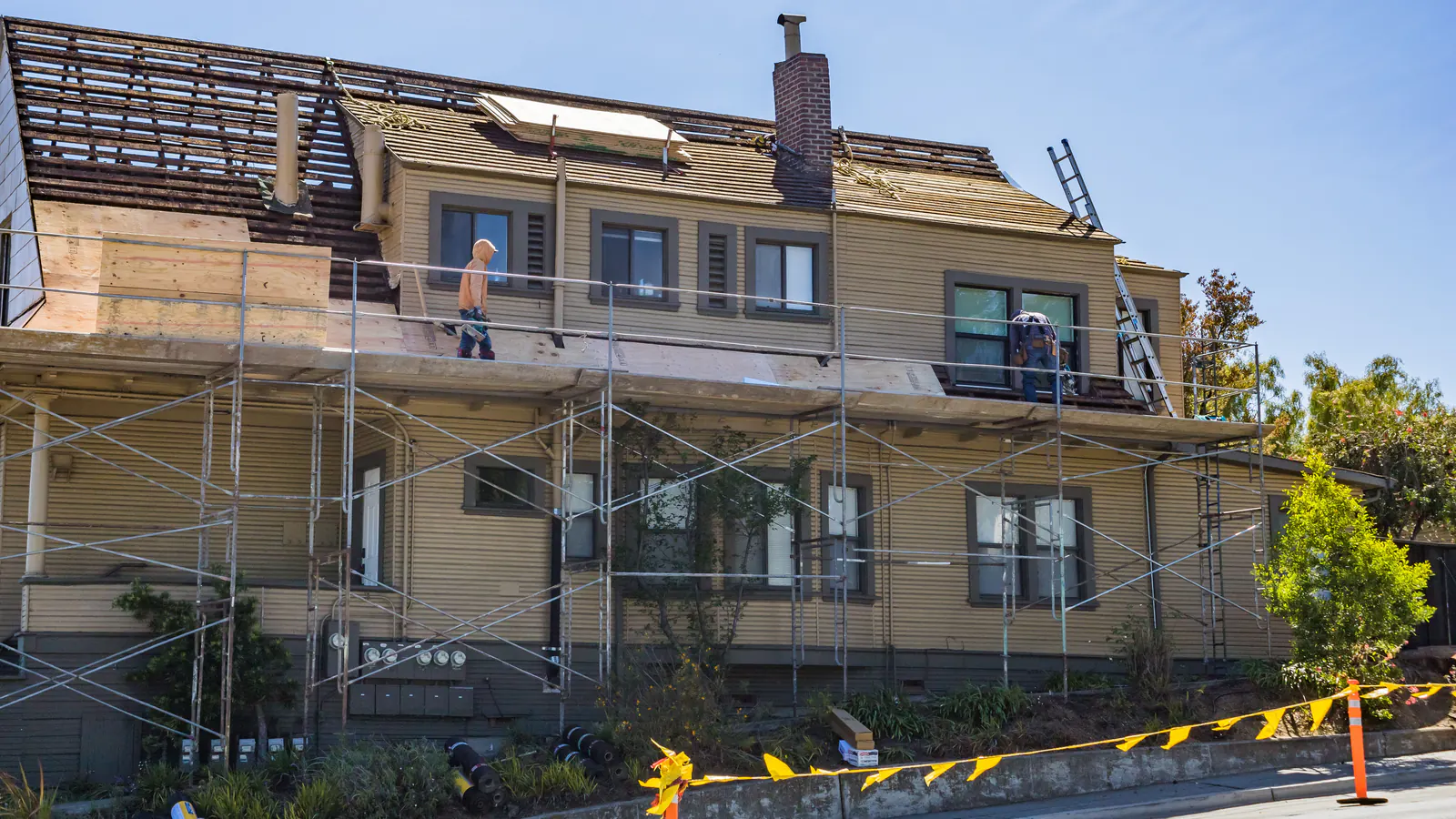
We recently partnered with Los Gatos Roofing on a Peninsula project where different sections of wood siding had to be removed to install a new metal roof. This was about keeping water out, not about looks. Metal roofs aggressively shed water, especially during winter storms. If flashing is not integrated behind the siding assembly, water will find its way into the wall systems. And that is how rot, moisture, and expensive exterior repairs begin.
Before work began, we photographed every section of the affected roofline documenting side profiles, paint finishes, trim alignments, and board spacing. These references guided every step of the reconstruction process, helping us restore our client's original architecture. We then mapped out removal areas, flashing access, installation timing, and reconstruction sequencing so the roof system and siding would work as one.
McDermaid Restoration & Remodeling managed the exterior coordination and siding scope for the project while Los Gatos Roofing installed the metal flashing.
Waterproofing Details Peninsula Homes Miss
Many homes across Palo Alto, Los Altos, and surrounding Peninsula communities were not built for modern standing seam metal roof systems. Existing flashing details are often buried behind decades of repainting cycles, prior roof installations, and exterior repairs. In some areas of this project, McDermaid Restoration & Remodeling had to open roof-to-wall transitions so the new waterproofing system could be rebuilt properly from the sheathing outward.
This is where project coordination became critical. Roofing and siding cannot be treated as two separate projects when both systems overlap at the same rooflines, drainage points, and trim details. The consequences of uncoordinated trade work don't show up immediately. They surface with additional repair costs years after rot, mold, and moisture damage your finished exterior.
What Coordination Actually Looked Like
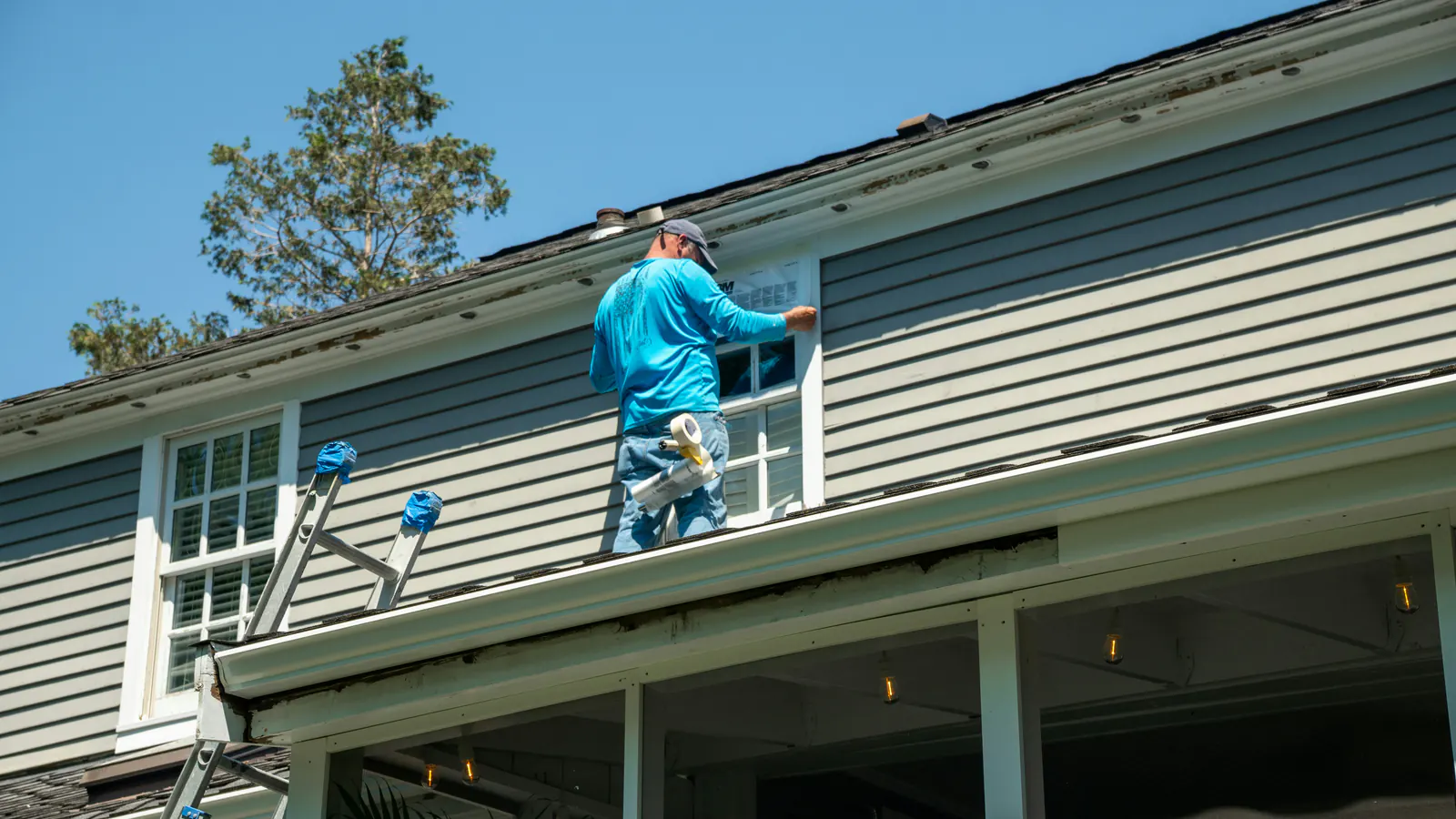
These coordinated markings gave Los Gatos Roofing clean access for the new metal flashing. The existing shingles curling at the roof's edge confirm that the old roofing system had reached the end of its life.
Where the Roof Meets the Wall
Once the wall assemblies were exposed, Los Gatos Roofing installed the new metal flashing directly into the roof transitions. The siding reconstruction began afterwards, allowing the waterproofing system to be layered correctly beneath the finished exterior. Starting the siding too early would have forced the waterproofing system to rely on surface-mounted metal, exposed sealant, and incomplete drainage transitions.
Since we rebuilt the affected siding sections only after the flashing work was completed, every trim transition, reveal line, and clearance detail had to align with the original architecture of the home. The documentation taken before demolition made that possible.
Why Sequencing Matters
Sequencing is a part of craftsmanship. Roofing work cannot move forward without waterproofing preparations. Siding reconstruction cannot begin without completed roof transitions, and rushing any of these phases creates weak points around the most vulnerable areas of the home.
During this project, the exterior had to be protected while multiple trades worked through interconnected sections of the roof. We checked in with Los Gatos Roofing every day. We shared what we'd done on our end, and they shared theirs.
All material deliveries, flashing installation, finish integration, and siding reconstruction had to move through a controlled and monitored schedule. McDermaid managed the entire schedule including the supply chain, acting as project manager and trade contractor at the same time, so no unfinished area was left exposed for long.
The Difference That Matters
This is one of the biggest differences between basic exterior replacement work and coordinated restoration work. The focus is not only on installing new materials. The focus is on making sure every layer underneath those materials functions correctly once the project is complete.
The True Craft of Preserving the Original Architecture
The affected sections were removed by hand to avoid damaging the surrounding siding and trim. The underlying sheathing was inspected for any existing moisture damage or rot, and each board was taken off carefully. Once removal was complete, we coordinated with Los Gatos Roofing to set the flashing before reconstruction began.
When the flashing was installed and the wall assembly was ready, we rebuilt the siding from the sheathing outward, matching the original profile, paint finish, and board spacing. Trim transitions were aligned to the existing detail using the photographs taken before demolition, so the repaired sections blend into the rest of the facade.
The finished roofline reads as original because the reconstruction was treated as restoration, not just repair.
Why This Project Matters for Peninsula Homeowners
Homes across Palo Alto, Los Altos, and the surrounding Peninsula communities carry real value. The exterior envelope (roofing, siding, flashing, and trim) is what protects that value against weather, moisture, and time. When a roof replacement is being planned and the home has existing wood siding near the roofline, dormers, or gable ends, a full exterior assessment before the roofer starts is not optional. It is how you avoid building a future problem into an otherwise premium installation.
McDermaid has been working on Peninsula homes since 1992. We have seen what fast, uncoordinated exterior work costs homeowners years down the line. This project is an example of what getting it right actually looks like, from the inside out.
Your Roof Is Only as Good as What's Behind It
We will make sure every system underneath it is built to last before we ever touch the surface. If you are planning a roof replacement on a Peninsula home, call McDermaid first. One conversation can save you years of repairs.