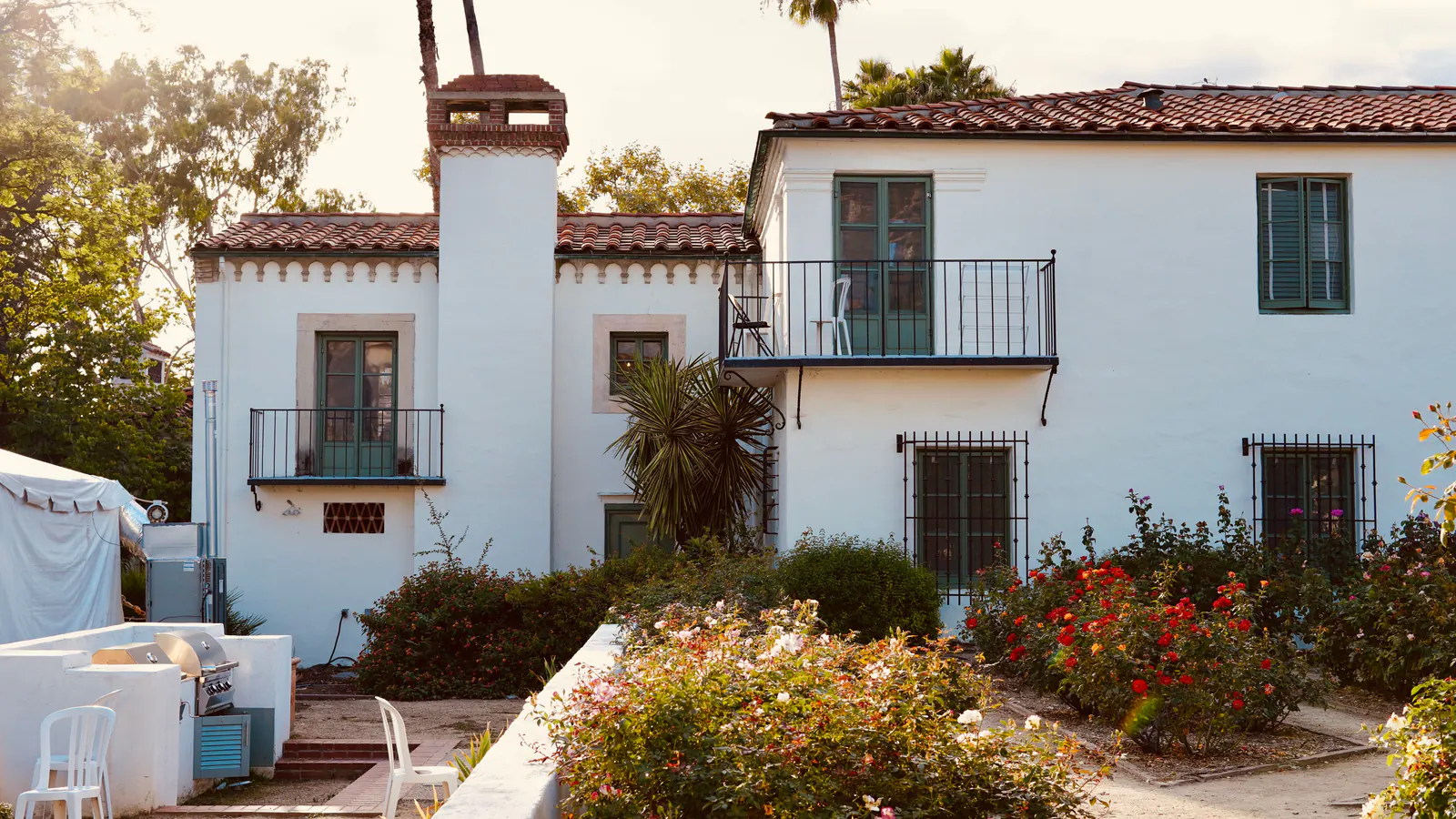
Spanish Colonial architecture arrived in California with the missions: 21 religious outposts built between 1769 and 1833 that stretched from San Diego to Sonoma. Its white stucco walls, red tile roofs, arched doorways and wrought iron have defined California architecture for 250 years.
On the Peninsula, Spanish Colonial Revival homes from the 1920s and 1930s remain highly desirable. Well-maintained stucco can last a century or more, depending on exposure and upkeep; neglected stucco develops problems from cosmetic to structural. Here's how to care for it.
Understanding Stucco
Traditional stucco is three coats over lath:
- Scratch coat: The first layer, scored to create bonding surface
- Brown coat: The second layer, providing thickness and strength
- Finish coat: The visible surface, colored and textured
The result is a durable, breathable, fire-resistant exterior suited to California's climate, but not a maintenance-free one.
Hairline Cracks vs. Structural Issues
All stucco cracks: cementitious material expands and contracts with temperature. The skill is telling normal cracking (under 1/16 inch) from cracks that need attention (over 1/8 inch, or growing).
Normal (Monitor)
- Hairline cracks less than 1/16 inch wide
- Horizontal or vertical pattern cracks
- No displacement (one side higher than the other)
- Stable over time
Concerning (Address)
- Cracks wider than 1/8 inch
- Diagonal cracks, especially near corners
- Stair-step patterns in masonry
- Cracks with displacement or separation
- Cracks that are growing
Stucco Wisdom
Small, stable hairline cracks are like wrinkles: evidence of a long life, and the stucco is still protecting the structure. Wide, growing or displaced cracks are wounds that need attention before they get worse.
Proper Stucco Maintenance
Annual Inspection
Walk the exterior annually, looking for:
- New or growing cracks
- Staining or discoloration (indicates water intrusion)
- Bubbling or delamination
- Efflorescence (white powdery deposits)
- Damaged or missing sealant at joints
Cleaning
Use low-pressure washing and appropriate cleaners. High pressure can damage the finish and force water into cracks.
Sealing
Control joints, windows, doors, and penetrations need proper sealant. Replace sealant every 5 to 7 years as a typical range, or sooner if cracked or separated; exposure, surface prep, the product and maintenance set the real interval.
Painting Stucco
Quality exterior paint on stucco typically lasts around 7 to 12 years on the Peninsula, depending on exposure, surface prep, the product and maintenance. This is general guidance, not a McDermaid warranty or guarantee. Key considerations:
Product Selection
- Elastomeric coatings: Bridge small cracks and waterproof
- Acrylic latex: Good breathability and color retention
- Masonry primers: Essential for unpainted or chalky stucco
Application
- Repair significant cracks before painting
- Allow new stucco to cure 30 days minimum
- Apply in appropriate weather (not too hot, not too cold)
- Spray and back-roll for even coverage in texture
Peninsula-Specific Considerations
Three Peninsula conditions shape how stucco and its coatings perform:
- Marine layer moisture: Morning fog keeps stucco damp, so use mildew-resistant paint
- UV exposure: South and west walls fade faster; consider lighter colors or UV-resistant coatings
- Temperature swings: Daily thermal cycling stresses stucco; flexible coatings help accommodate movement
When to Call a Professional
Call for a professional assessment if you see:
- Structural cracks or displacement
- Extensive staining or water damage
- Large areas of delamination
- Complete refinishing needed
- Color matching for repairs
Our surface restoration services include stucco repair, refinishing, and painting. If your stucco is due, we're glad to take a look. Painting the rest of the house? See our paint finish guide.
"Authentic lime-wash over traditional stucco develops a patina that synthetic coatings simply cannot replicate."