Big repair bills often start as a small job somebody meant to get to. A caulk joint opens at the corner of a window. A downspout comes loose. A door starts to stick every winter. Each one is either letting water in or telling you it already has.
Why does it matter how soon? Because most of the damage comes from water that sits, and the clock on that is short.
| Figure | What it means for you | Source |
|---|---|---|
| 24 to 48 hours to dry out water damage to prevent mold | A leak caught the day it starts dries out. One found months later has had time to grow mold. | US EPA, A Brief Guide to Mold, Moisture and Your Home |
| 20% wood moisture, the level decay needs to start | Wood kept drier than that doesn’t rot, and rot already there stops spreading. Stopping the water is half the repair. | USDA Forest Products Laboratory, Wood Handbook, chapter 14 |
The small jobs, and what each one stops
First, caulk and paint at the joints. Where trim meets siding and where a sill meets the frame, end grain soaks up water the moment the seal opens. Recaulking and touching up the paint costs little. Replacing the sill and the casing around it costs a good deal more. Our post on sealing the exterior before the rain shows where to look.
Second, soft spots. A sill, the bottom of a door casing or the lowest course of siding that gives under a screwdriver has started to rot. Cut out early, it is a patch or a short piece of new wood. Left a few winters, it reaches the framing behind it. Our wood rot guide has the screwdriver test.
Third, doors and windows that stick. A wood door that sticks every winter and frees up every summer is swelling with moisture, often through edges that were never painted. We plane it, seal the edges and adjust the hinges. One that sticks all year, with new cracks running from the corners of the frame, needs an engineer’s look before a carpenter planes anything.
Fourth, the inside. A drywall crack or a popped nail is cosmetic. A stain around it, or soft drywall below a window, means water is reaching the wall, and the leak gets found before the patch goes on.
Four small repairs and what they stop
-
01 An open caulk joint
Recaulk and touch up the paint. Left alone, water reaches the end grain and the sill rots.
-
02 A soft spot
Cut out and patched while small. Left a few winters, it reaches the framing behind it.
-
03 A door that sticks in winter
Planed, its edges sealed, the hinges adjusted. One that sticks all year with new cracks gets an engineer’s look first.
-
04 A stained crack
The leak gets found before the patch goes on. A crack with no stain is cosmetic.
On a house built before 1978
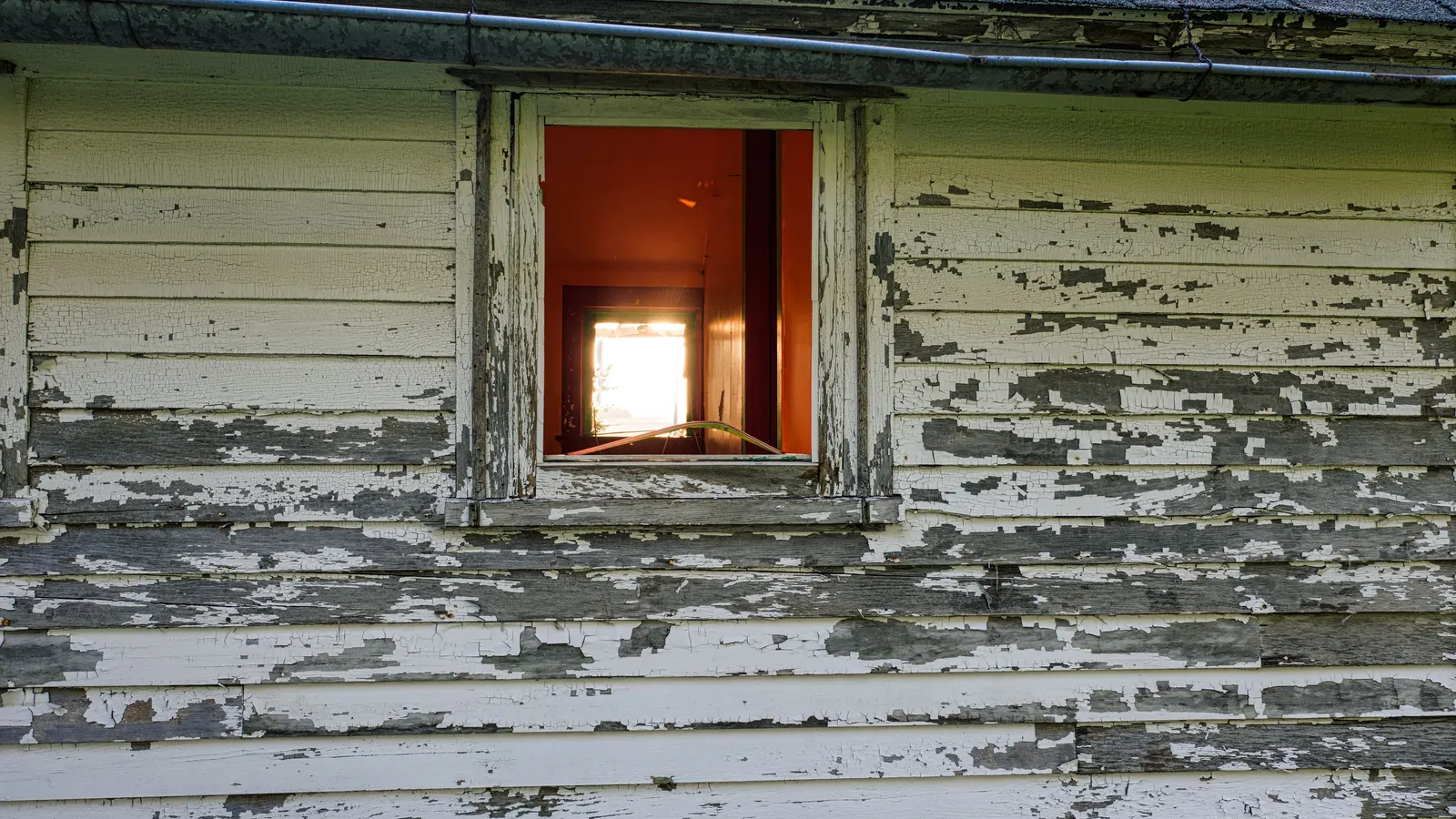
Many older houses have lead paint under the newer coats, and even a small repair can disturb it. Federal rules set the line by area.
| Where | Painted surface (sq ft) |
|---|---|
| Inside, per room | 6 |
| Outside | 20 |
Source
Source: 40 CFR 745.83, EPA Renovation, Repair and Painting rule. Window replacement is covered at any size.
In the source list: 3
We’re EPA Lead-Safe Certified. On an older house we test the old paint for lead before anyone scrapes or sands.
A list, not a project
One at a time, these jobs are small. They get done when they are on a list. Walk the house once in the fall and once in the spring, write down what you see, and have the list done in one visit. Whole rooms are a different job, and our remodeling page covers those.
Our home repairs page covers dry rot, sticking doors and windows, trim, siding patches, drywall and punch lists. When you’re ready, request an estimate.
Sources (3)
- US EPA, A Brief Guide to Mold, Moisture and Your Home epa.gov (https://www.epa.gov/mold/brief-guide-mold-moisture-and-your-home) Back
- USDA Forest Products Laboratory, Wood Handbook, chapter 14 fpl.fs.usda.gov (https://www.fpl.fs.usda.gov/documnts/fplgtr/fplgtr282/chapter_14_fpl_gtr282.pdf) Back
- 40 CFR 745.83, EPA Renovation, Repair and Painting rule ecfr.gov (https://www.ecfr.gov/current/title-40/chapter-I/subchapter-R/part-745/subpart-E/section-745.83) Back