On the Peninsula, heritage trees are protected by local ordinances, defined by size and species criteria that vary by city. Damaging one during construction can bring fines (up to $30,000 per tree in some jurisdictions) that may exceed the cost of the painting project. Worse, these trees took decades or centuries to grow, and losing one diminishes the property and neighborhood permanently.
Every exterior project we take on begins with a tree assessment. We identify which trees are protected, document their condition before work starts, and establish protection zones that stay in place for the duration of the project.
What Is a Heritage Tree?
In Palo Alto, any tree 22 inches DBH (diameter at breast height, measured 4.5 feet above ground) or larger is a heritage tree. Menlo Park uses a 19-inch threshold. Atherton, Los Altos, and most other Peninsula cities have similar protections. These trees cannot be removed without city approval, and damage to them, even unintentional, carries real legal consequences.
The definition determines which trees need formal protection during exterior work. A contractor who doesn't know the local ordinance can create liability for the homeowner: fines, plus civil liability if a neighbor's protected tree is damaged.
Peninsula Tree Law
California's heritage tree protections date to the 1970s, when rapid Peninsula development led to widespread tree loss. Today, fines for unpermitted damage can reach $30,000 per tree in some jurisdictions.
Why Protection Matters During Painting
Exterior painting and restoration put mature trees at risk in ways that aren't obvious. Equipment compacts soil and damages roots. Scaffolding can scrape bark and create entry points for disease. Materials stored against trunks create moisture conditions that cause rot. Paint overspray coats leaves and interferes with photosynthesis.
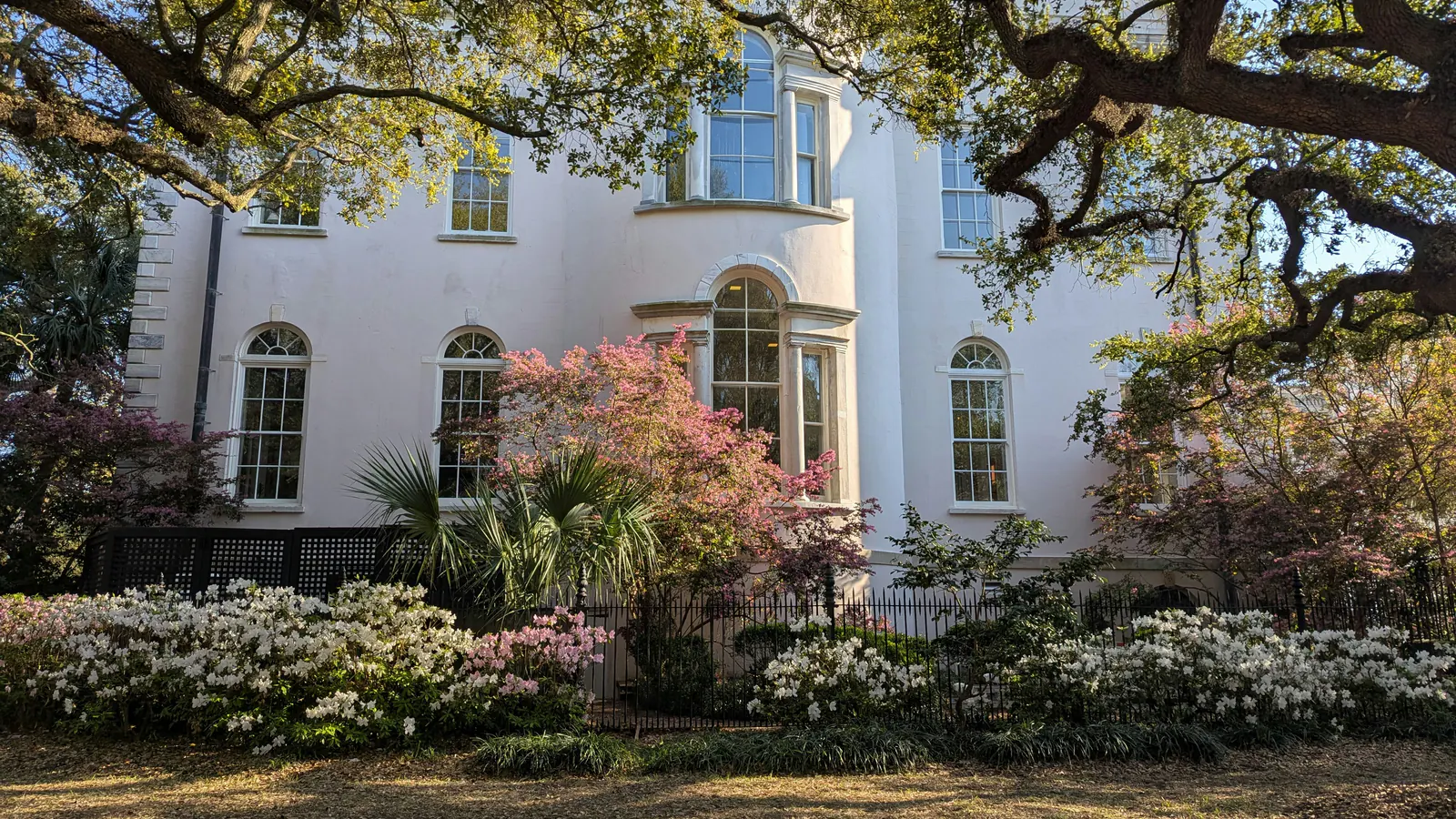
On estate properties, a mature oak or redwood is often the defining landscape feature. Protecting it preserves the character of the property, not just your record with the city.
Our Protection Protocols
Standard Tree Protection Checklist
- Exclusion Fencing: Orange construction fencing installed at the critical root zone perimeter to prevent equipment and material storage within the protected area
- Trunk Protection: Protective wrapping around trunks where scaffolding or equipment may come within contact distance
- Scaffolding Placement: Careful positioning to avoid branch contact, with padded contact points wherever branches are near
- Material Storage: All paints, solvents, and equipment stored outside the critical root zone for the full duration of the project
- Overspray Prevention: Drop cloths and masking to protect foliage from paint spray, particularly during spray-applied exterior coats
- Root Zone Access: No vehicle or heavy equipment traffic within the critical root zone; plywood pads used where unavoidable
Understanding the Critical Root Zone
The critical root zone is where roots are most concentrated and vulnerable. As a general rule, it extends 1 foot per inch of DBH from the trunk. For a 30-inch tree, that's 30 feet in every direction. Compaction is the main threat: heavy equipment, stored materials and even repeated foot traffic squeeze oxygen out of the soil. The damage often doesn't show for months, and by then it may be irreversible.
Our crews keep exclusion fencing around critical root zones for the entire project, not just setup. When work must happen inside the zone, such as scaffolding feet near the house, we use plywood pads and other techniques to minimize soil disturbance.
Working with Arborists
On complex projects or valuable specimens, we bring in certified arborists to assess tree health before work, recommend protection for that tree's condition and monitor it throughout.
If scaffolding needs clearance pruning, the arborist sets timing and technique, because improper pruning stresses trees. The goal is to leave every tree in the same or better condition than we found it.