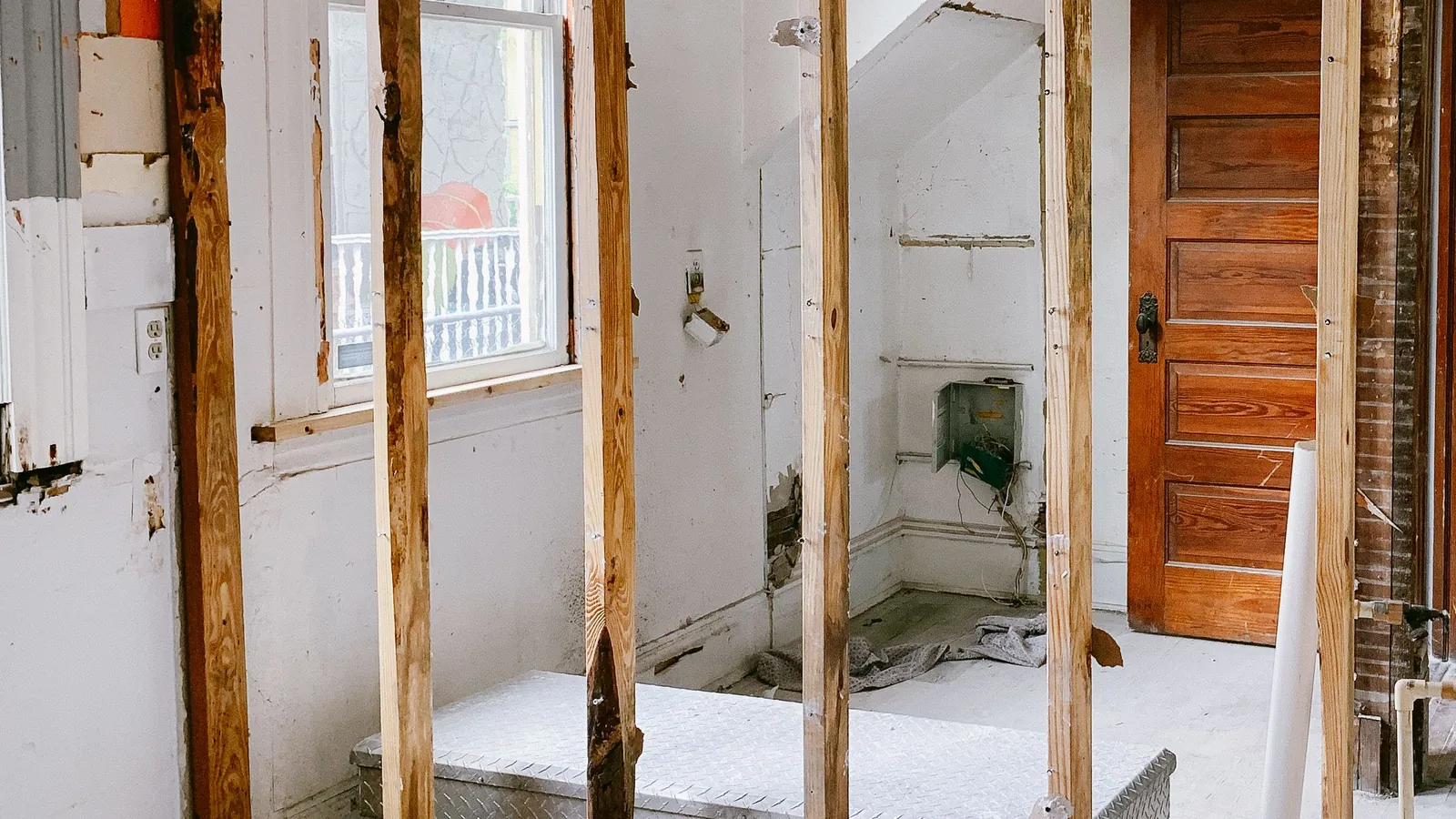
Anyone who has run their own remodel knows the morning. The tile setter is standing in the kitchen, the plumber hasn’t been back to finish, and nobody can start until somebody makes a phone call.
A kitchen remodel needs four or five separate trades, each at the right point in the job. Hire them yourself and you schedule them, check their licenses and sort it out when one trade’s work blocks the next. Each of those trades is usually its own company.
| Trade | Firms in the two counties (businesses) |
|---|---|
| Plumbing and HVAC | 635 |
| Electrical | 492 |
| Painting | 402 |
| Roofing | 208 |
| Tile | 124 |
| Finish carpentry | 113 |
| Drywall | 112 |
Sources (2)
Sources: U.S. Bureau of Labor Statistics, Quarterly Census of Employment and Wages, 2024 annual averages, private residential specialty trade contractors (NAICS 238221, 238211, 238321, 238161, 238341, 238351 and 238311), Santa Clara County and San Mateo County.
That’s more than two thousand businesses in two counties, in the seven trade groups above. Somebody has to choose among them and put them in order.
Which trades are ours
Our crew does the painting, finish carpentry, drywall, cabinetry and tile, and we run the schedule. Plumbing, electrical and HVAC go to licensed subcontractors, and a re-roof to a licensed roofer we bring in. Anything load-bearing is designed by an engineer and built by an appropriately licensed contractor.
The license sets that split. McDermaid holds CSLB license #803672, C-33 Painting and Decorating and B-2 Residential Remodeling. California created the B-2 for multi-trade work on existing homes. A B-2 contract has to include at least three unrelated trades, done by the contractor or by appropriately licensed subcontractors. A B-2 contractor can’t change the load-bearing parts of a house, like foundations, load-bearing walls and roof structures, and installing or substantially changing electrical, plumbing or mechanical systems goes to the appropriately licensed trade. Our B-2 page has the details.
Who does which trade
Illustrative diagram
-
We set the order. Rough plumbing and electrical go in and pass inspection before walls close, cabinets go in before counters are templated, and paint comes last.
-
We handle the painting, finish carpentry, drywall, cabinetry and tile. Our crew sets the vanities, faucets and fixtures after the licensed plumber and electrician do the rough-in and final connections.
-
We check that every partner holds the CSLB classification for the work they do. We vet them, schedule them and oversee the quality of their work.
-
Plumbing, electrical and HVAC go to licensed subcontractors, including the rough-in and final connections.
-
A re-roof goes to a licensed roofer we bring in.
-
Anything load-bearing is designed by an engineer and built by an appropriately licensed contractor.
Running the trades
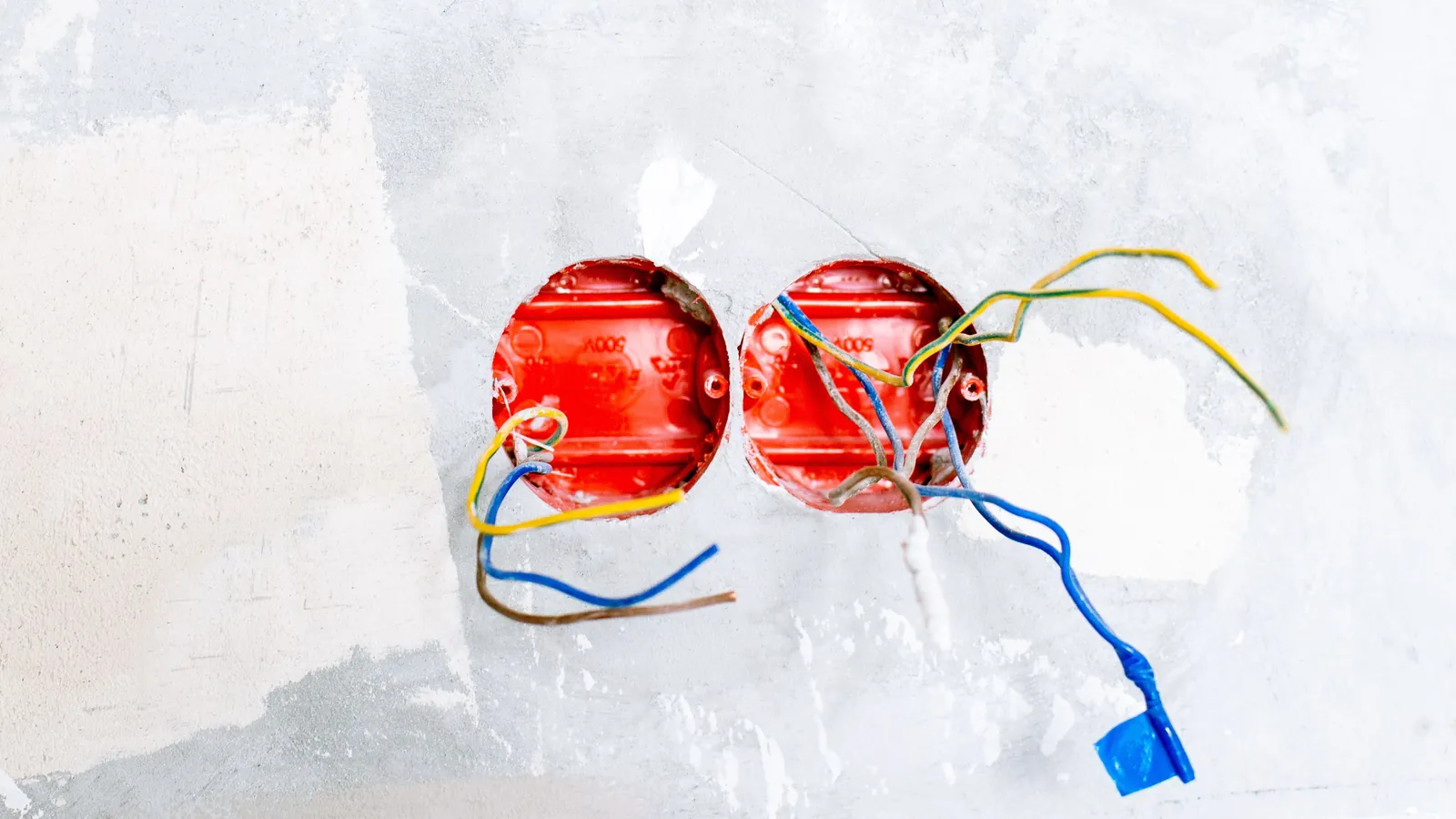
The partners we bring in are licensed trades we work with regularly. We vet them, schedule them and oversee them, and you deal with one company.
First, the license. Every partner has to hold the CSLB classification for the work they do. You can check that yourself, and our post on how to read a CSLB license shows how.
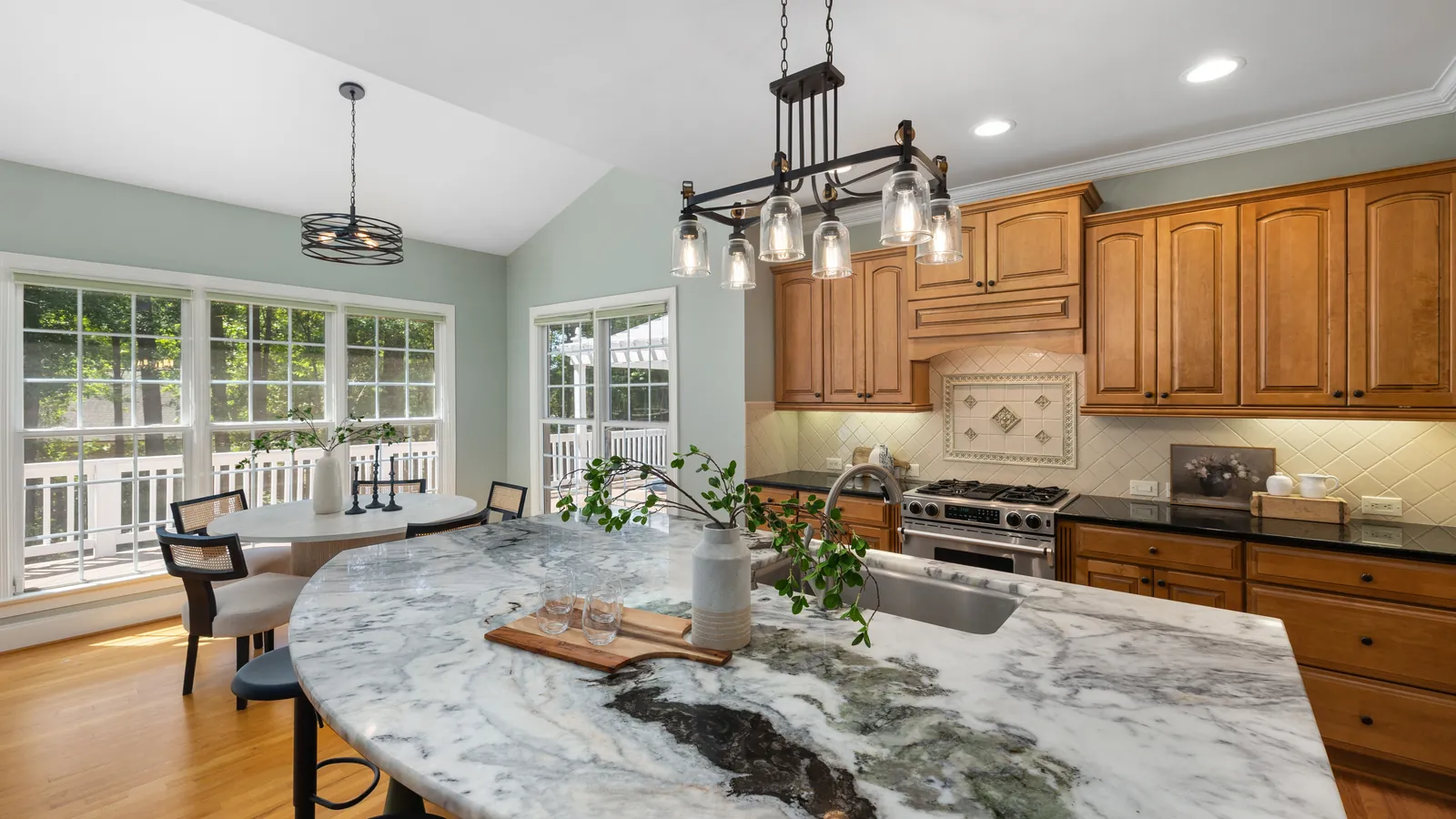
Second, the order. Rough plumbing and electrical pass inspection before the walls close. Cabinets go in before the counters are measured. Paint comes last. We hold every trade to that sequence and to the standard of the work.
Third, the paper. Scopes, change orders, budget updates and project records stay in writing, the same as on the design side in Part 2.
What California expects of any contractor
These rules apply to every home improvement contractor in California, us included. Read them before you sign anything.
| Figure | What it means for you | Source |
|---|---|---|
| A down payment of no more than $1,000 or 10% of the contract price, whichever is less | A contractor asking for a large deposit up front on a home improvement job is a warning sign. Special-order materials are no exception. | CSLB, A Consumer Guide to Home Improvement Contracts |
| 3 or more unrelated trades in every B-2 Residential Remodeling contract | The B-2 license is built for jobs like a kitchen, where several trades work together under one contract. | CSLB, B-2 Residential Remodeling Contractor (Bus. & Prof. Code 7057.5) |
| 20 days for subcontractors and suppliers to send you a Preliminary Notice | Anyone who works on or supplies your project can record a lien if they go unpaid. A list of subs and suppliers, and lien releases as each part is finished, help you keep track. | CSLB, A Consumer Guide to Home Improvement Contracts |
The same guide says any change to the contract price needs a written change order, and payments can’t run ahead of the work performed. Our written proposals tie the payment schedule to milestones for that reason.
How can I check a contractor’s license myself?
Search the license number or the business name on the CSLB website. It shows the classifications, the status, the bond and the workers’ compensation coverage. Our post on reading a CSLB license walks through each part.
Who do I call if something goes wrong with a partner’s work?
Call us. We manage the schedule and the trades on our projects, and you have one point of contact from start to finish.
That ends the series. Our remodeling and project management pages show more of the work. When you’re ready, request an estimate or call us at (650) 961-7415.
Sources (4)
- Santa Clara County data.bls.gov (https://data.bls.gov/cew/data/api/2024/a/area/06085.csv) Back
- San Mateo County data.bls.gov (https://data.bls.gov/cew/data/api/2024/a/area/06081.csv) Back
- CSLB, A Consumer Guide to Home Improvement Contracts cslb.ca.gov (https://www.cslb.ca.gov/resources/GuidesAndPublications/HomeImprovementContractsConsumerGuide.pdf) Cited 1, 2
- CSLB, B-2 Residential Remodeling Contractor (Bus. & Prof. Code 7057.5) cslb.ca.gov (https://www.cslb.ca.gov/About_us/Library/Licensing_Classifications/Licensing_Classifications_Detail.aspx?Class=B-2) Back