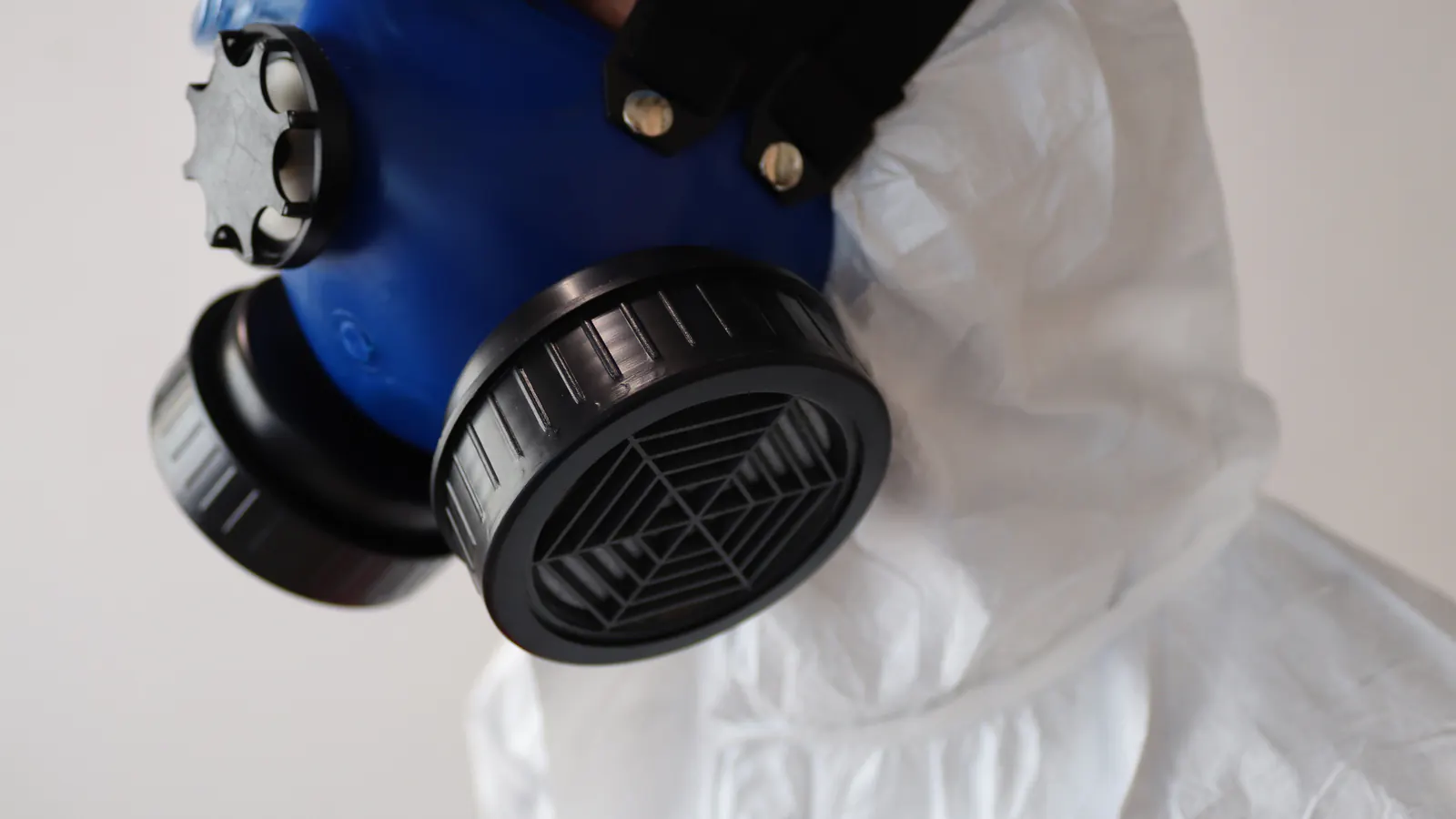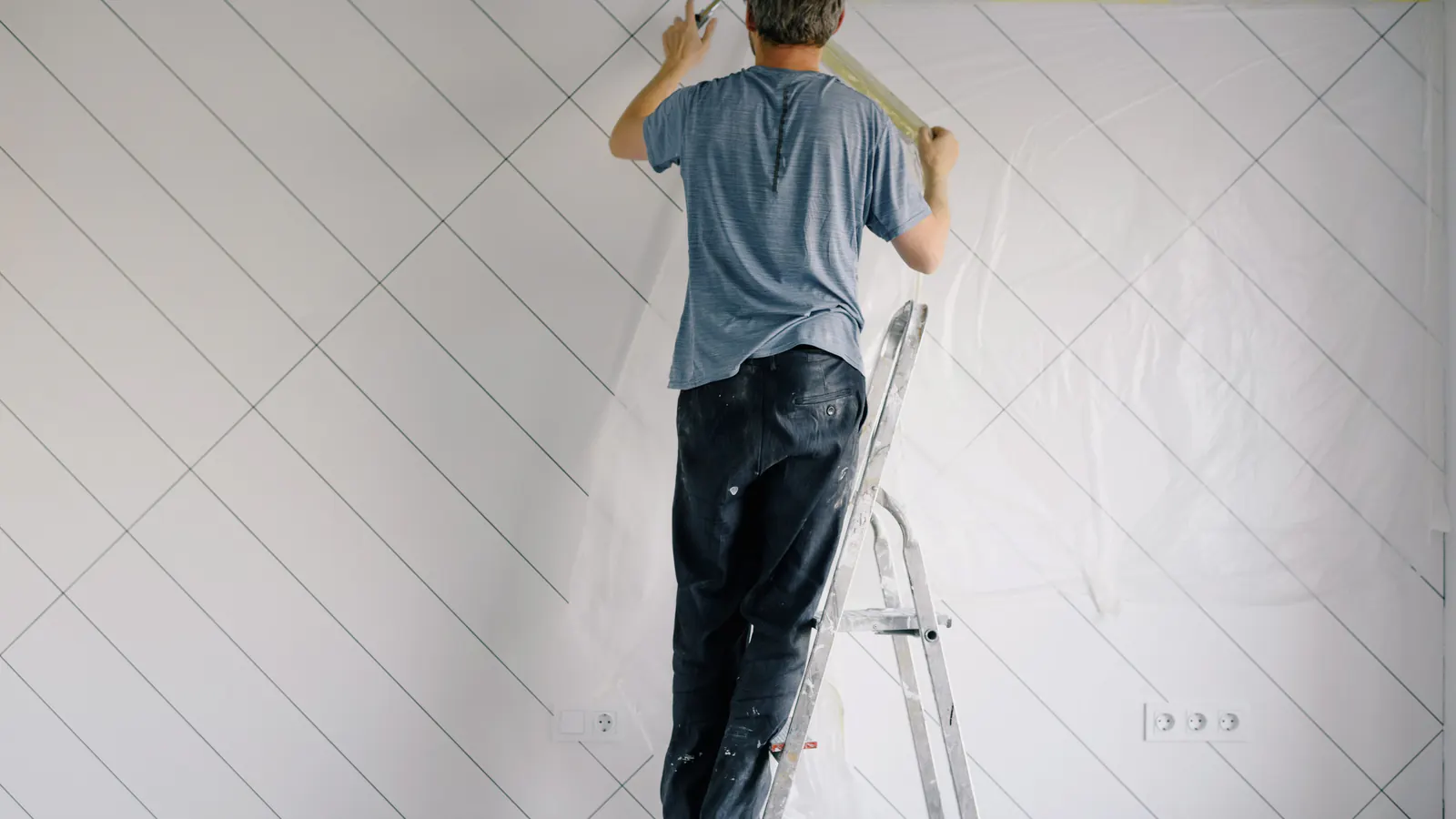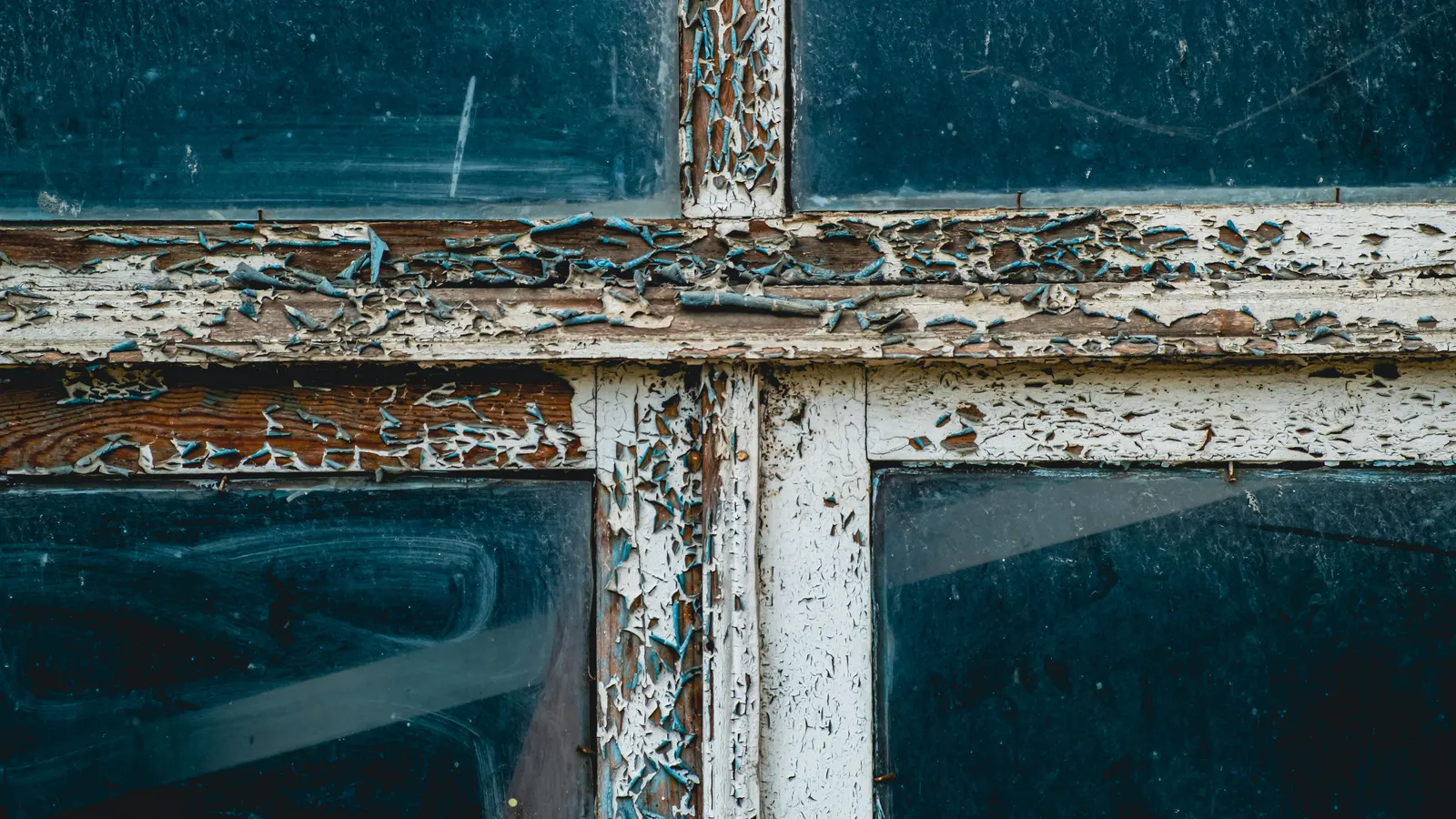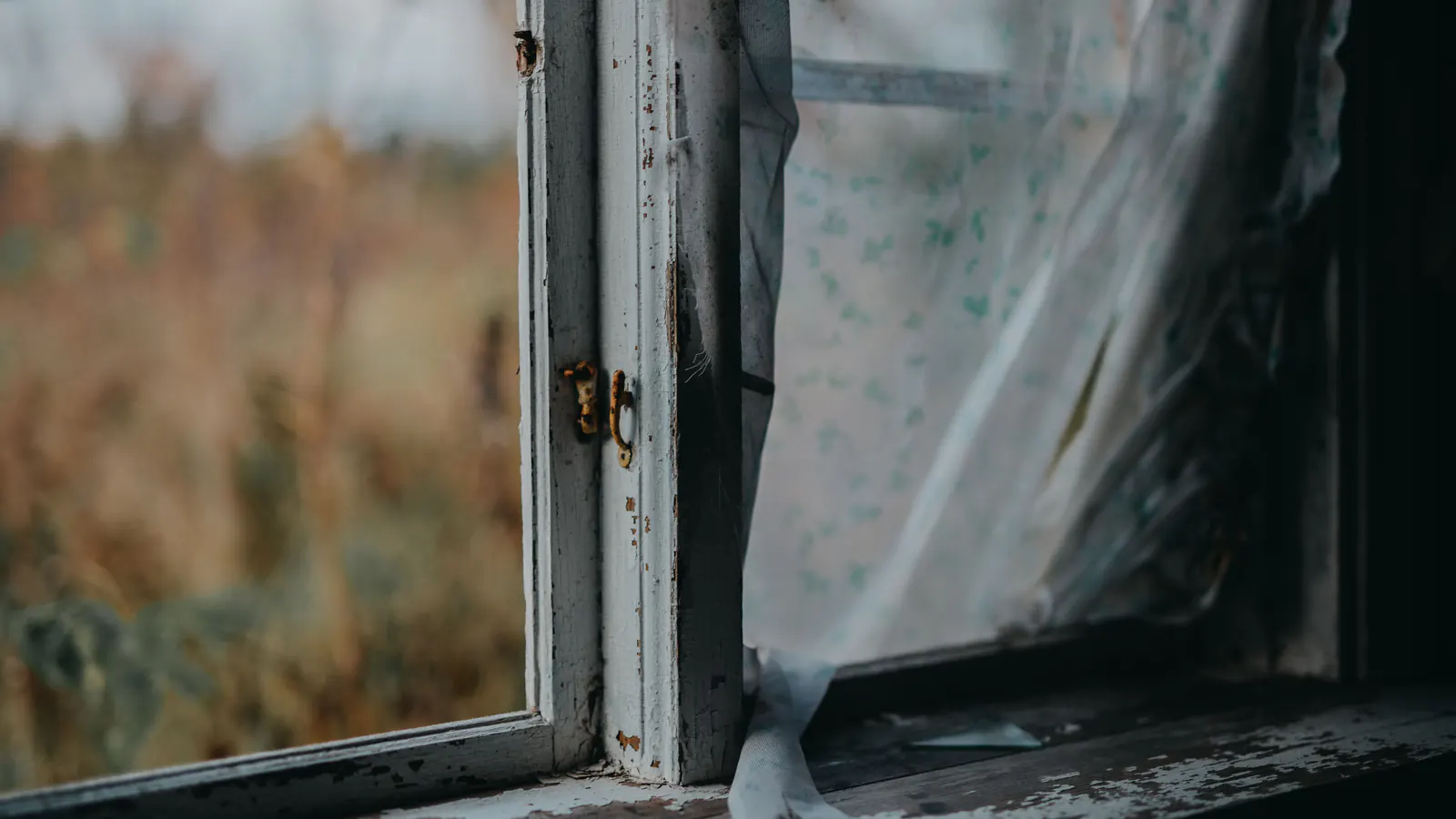
Lead paint was banned in 1978, but it remains in millions of American homes, including many on the Peninsula. Renovation that disturbs it releases lead dust, a serious hazard for children and pregnant women, and federal law sets protections homeowners should understand.
We've been working safely with lead paint since before the EPA's RRP rule existed. Our EPA Lead-Safe certification is a commitment to protecting your family and our workers. Here's what every pre-1978 homeowner should know.
Why Lead Paint Is Dangerous
Lead is a neurotoxin that affects brain development, particularly in children under 6. Even low levels can cause:
- Learning disabilities and behavioral problems
- Reduced IQ and attention span
- Hearing damage
- Slowed growth
- In severe cases, seizures, coma, and death
In adults, lead exposure can cause high blood pressure, reproductive problems, nerve disorders and memory loss. The danger is well documented, and preventable.
Critical Fact
Lead dust is invisible and odorless: a floor can look clean and still hold hazardous levels. Professional cleaning and testing are essential after any work that disturbs lead paint.
The RRP Rule: What It Requires
The EPA's Renovation, Repair, and Painting (RRP) rule applies to all pre-1978 homes and child-occupied facilities. It requires:
- Certification: Firms must be EPA Lead-Safe Certified
- Training: Workers must complete EPA-approved training
- Work practices: Specific containment, minimization, and cleaning procedures
- Documentation: Records of compliance and test results
- Notification: Property owners must receive the EPA's lead hazard pamphlet
The rule applies to any project disturbing more than 6 square feet of interior painted surface or 20 square feet of exterior painted surface per window or door.
Lead-Safe Work Practices
Lead-safe work layers three protections:
Containment
- Plastic sheeting to isolate work areas
- Negative pressure when possible
- Sealed barriers to prevent dust migration
Minimization
- Wet scraping and sanding to suppress dust
- HEPA vacuums for cleanup
- No open-flame burning or dry sanding
Cleanup
- HEPA vacuuming of all surfaces
- Wet wiping with disposable cloths
- Visual inspection and dust wipe testing
Homeowner Responsibilities
Your part as a homeowner:
Your Checklist
- Verify your contractor is EPA Lead-Safe Certified
- Receive and read the EPA lead hazard pamphlet
- Understand the work practices being used
- Ensure children and pregnant women are not in the work area
- Request documentation of compliance and test results
- Retain records for future reference
Peninsula Context
Many Peninsula homes were built before 1978, particularly in:
- Professorville and Old Palo Alto
- Allied Arts and older Menlo Park neighborhoods
- Redwood City's historic districts
- Woodside and Atherton estates
Their older paint layers often contain lead even when the top coat doesn't. Any work that penetrates the surface can release lead dust.
Our Certification
McDermaid Restoration & Remodeling is EPA Lead-Safe Certified:
- Firm certification: NAT-F158463-1
- Trained renovators on every crew
- Proper equipment and supplies
- Documented work practices
- Post-work testing and clearance
When in Doubt
If you're unsure whether your home has lead paint:
- Assume it does if built before 1978
- Have testing done by a certified inspector
- Only hire EPA Lead-Safe Certified contractors
- Ask questions about work practices
- Request documentation
Lead safety isn't complicated, but it takes attention and expertise, and we've done it safely for decades. For the full regulatory detail, see our EPA lead paint requirements guide.